Mark The Days - October

October tiptoes in wearing flannel and carrying a pumpkin spice latte like it owns the place. The leaves start bailing on their branches faster than interns on a Friday, and everything—everything—suddenly tastes like cinnamon and regret. It's the month where we celebrate everything from tacos to ghosts, and yes, sometimes both at the same party. Costumes come out, candy disappears mysteriously, and someone always insists on bobbing for apples like it’s not a health code violation. October is where cozy meets crazy—and we’re here for all of it.
- Details
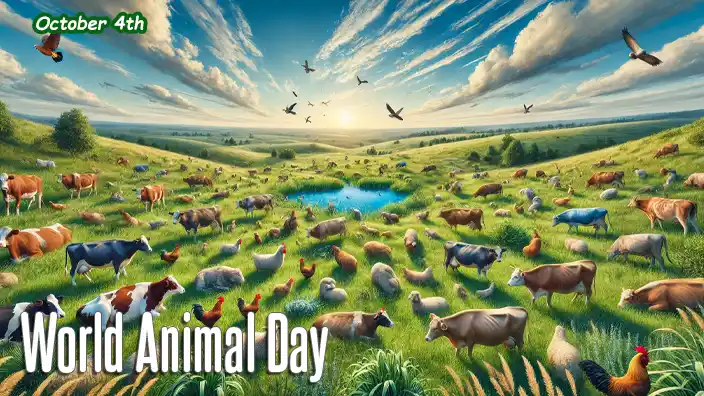
The world’s animals are like a never-ending sitcom, each with their own quirks and comedic timing. Take giraffes, for instance, the leggy supermodels of the savanna, casually turning every meal into an acrobatic stretch session. Then there’s the penguin, nature’s slapstick comedian, waddling around in a tuxedo like it’s forever late to a fancy party. Let’s not forget the cats, who act like they’re royalty, gracing us with their presence (only when they feel like it), while dogs are just thrilled you even exist. It’s a global cast of characters, and honestly, who needs TV?
Celebrated: Annually, on October 4th
Celebrate World Animal Day with compassion for our furry, feathery, and scaly friends. Discover the importance of veganism and how small changes make a big impact.

- Details
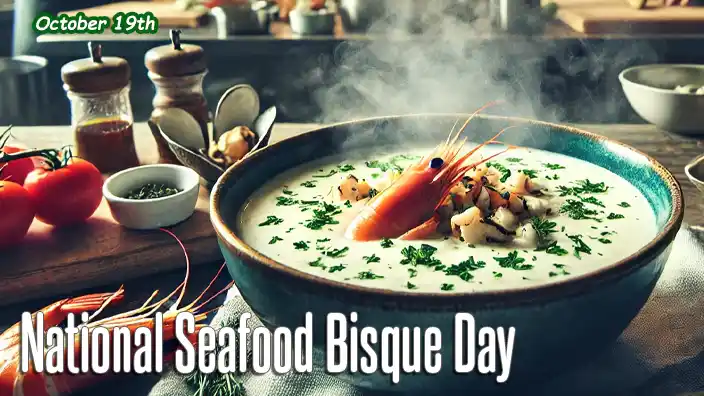
You know you're in for a treat when a dish comes with more butter and cream than your daily allowance and a name that sounds like it belongs at a royal banquet. Somewhere between slurping the silky smooth soup and finding that perfectly tender piece of shrimp, you realize that seafood bisque isn’t just food—it’s an experience. It’s like the ocean decided to hug your taste buds, but in the fanciest, most delicious way possible. Plus, it’s the only soup that can make you feel both ridiculously fancy and ridiculously full at the same time.
Celebrated: Annually, on October 19th
Discover the rich and creamy world of seafood bisque, the aristocratic soup that transforms crustaceans into culinary royalty with its silky, luxurious flavors.

- Details
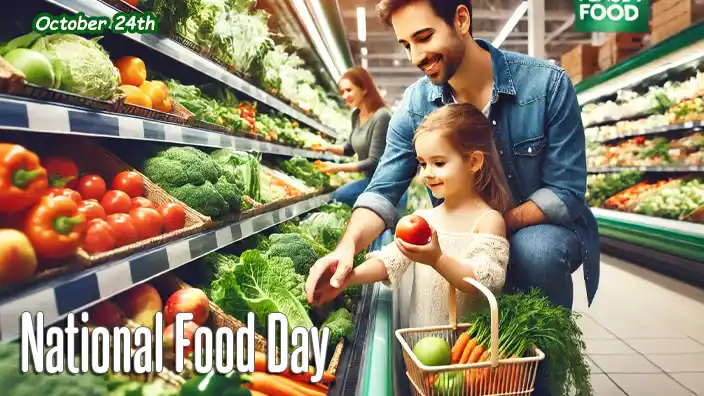
On National Food Day, we’re all reminded to swap out the bag of chips for something a little greener, like kale. But let's be real—kale has never comforted anyone after a bad day at work the way a slice of pizza can. Still, National Food Day is here to prove that healthy eating can actually be fun. It’s the one day when you tell yourself that quinoa is just "tiny rice," and you try to convince your taste buds that almond butter is just like peanut butter, but with better manners.
Celebrated: Annually, on October 24th
Celebrate National Food Day by exploring healthy, flavorful meals that combine fresh, whole ingredients. Discover how to enjoy nutritious food without sacrificing taste.

- Details
The United States Navy has spent nearly 250 years proving that "water under the bridge" is sometimes an aircraft carrier. From battling pirates and protecting trade routes to launching aircraft from floating airfields and quietly patrolling the depths in nuclear submarines, the Navy has seen just about everything the world's oceans can throw at it. Navy Birthday is the perfect occasion to salute the sailors who have kept watch over America's interests—rain or shine, calm seas or waves that make coffee question its life choices.
Celebrated: Annually, on October 13th
Discover the history of Navy Birthday, celebrated each October 13 to honor the founding of the United States Navy in 1775. Learn about its traditions, famous leaders, global missions, and how sailors have protected America's interests at sea for nearly 250 years.

- Details
Girls are like a force of nature—you never quite know what they’ll come up with next, but you’re certain it’ll be something clever, unexpected, and probably leave you wondering how they managed to outsmart you...again. Whether it's convincing you that ice cream is a perfectly acceptable breakfast or creating an entire imaginary world with just a cardboard box and some glitter, girls have this innate ability to turn everyday situations into something extraordinary. And don’t even try to win an argument with one—they've got a PhD in debate by the time they hit elementary school.
Celebrated: Annually, on October 11th
Explore the significance of the International Day of the Girl Child, celebrating the resilience and potential of girls worldwide. Learn about its history and global impact.

- Details
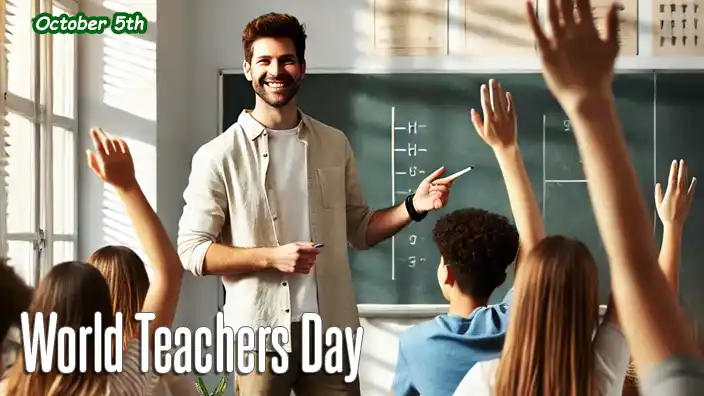
Navigating a classroom full of energetic, inquisitive minds is like being the conductor of an orchestra where every instrument is slightly out of tune, yet somehow, you still manage to produce a symphony. There's always the one kid who thinks "I don't know" is a valid answer to every question, the paper airplane engineer in the back, and of course, the student who needs the bathroom the second a lesson starts. Yet, through it all, lessons get taught, minds get molded, and somehow, everyone (well, mostly) leaves a little smarter by the end of the day.
Celebrated: Annually, on October 5th
Celebrate World Teachers Day by honoring the people who shape our future. Discover the history and importance of this special day dedicated to educators.

- Details
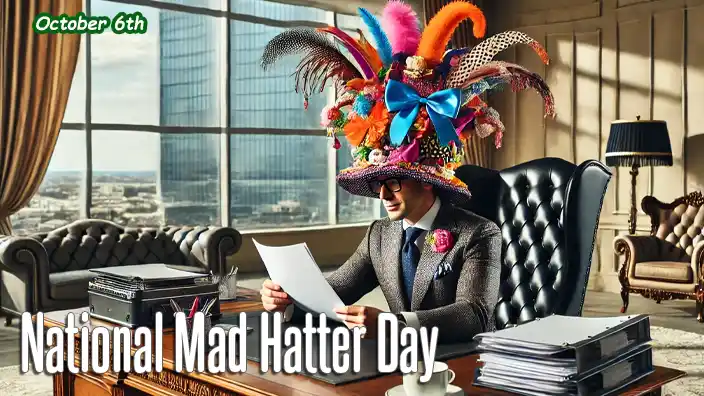
Sometimes, acting crazy—even if just for one day—is like giving your brain a vacation from reality. You wear mismatched socks on purpose, talk to your plants like they’re your new best friends, and maybe even order dessert before dinner. For just a brief moment, you’re free from the weight of "normal" expectations, and instead, you’re the reigning monarch of the Land of Absurdity. The best part? No one can question your sanity because, let’s face it, we all need a little madness to stay sane. Besides, what’s life without a day of total, unapologetic weirdness?
Celebrated: Annually, on October 6th
Celebrate National Mad Hatter Day on October 6th with whimsical hats, tea party shenanigans, and the joy of embracing absurdity, inspired by Lewis Carroll's beloved character.


- Details
Sipping a martini while defusing a bomb and somehow managing to flirt with the villain’s girlfriend all in the same breath—that’s just a typical Tuesday for 007. Whether he's escaping from an exploding volcano lair or casually skiing down a mountain while being chased by henchmen, the man’s ability to keep his tuxedo wrinkle-free is almost as impressive as his spy skills. And let's not forget his uncanny knack for delivering a perfectly timed quip, even when tied to a laser table. It seems nothing fazes him—except, perhaps, a stirred martini.
Celebrated: Annually, on October 5th
Celebrate Global James Bond Day with fans worldwide as we toast the legendary spy known for his style, gadgets, and thrilling adventures since 1962.

- Details
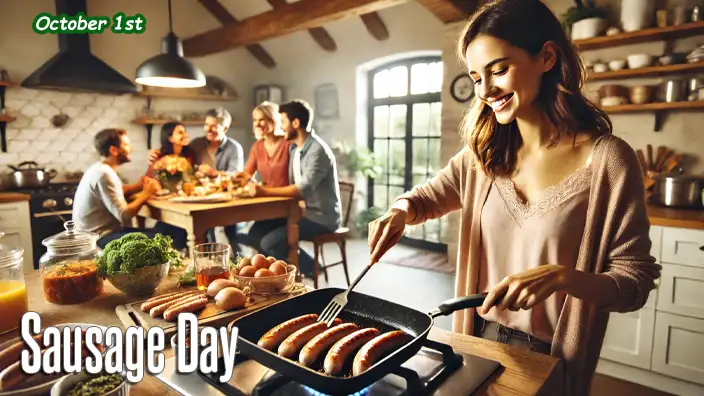
Sausages are like the Swiss Army knives of the culinary world—compact, versatile, and full of surprises. One moment they’re sizzling on the grill at a backyard BBQ, the next, they’re cozied up with some eggs on your breakfast plate, making mornings bearable. And let’s not forget their uncanny ability to turn any bun into a gourmet experience. Whether they’re brats, bangers, or chorizo, sausages are the ultimate multitaskers, proving that sometimes the best things in life really do come stuffed in a casing!
Celebrated: Annually, on October 1st
Celebrate Sausage Day on October 1st! Discover the rich history and global varieties of this timeless culinary delight, from bratwurst to chorizo.


- Details
The bathtub—the one place where you're simultaneously a deep thinker and a champion of doing absolutely nothing. It's where grand plans are hatched, only to evaporate with the steam, and where you contemplate life's mysteries, like why the shampoo bottle always falls over. The bathtub is also the only place where it's socially acceptable for a grown adult to share their personal space with a rubber duck. It's the quiet fortress of solitude, except when someone knocks on the door to remind you you're using all the hot water. In short, it's not just a tub; it's a portal to relaxation, with bubbles acting as your very own therapy session.
Celebrated: Annually, on October 7th
Discover the evolution of bathtubs from ancient times to modern luxury, and how they became icons of relaxation and indulgence. Celebrate National Bathtub Day with us!

- Details
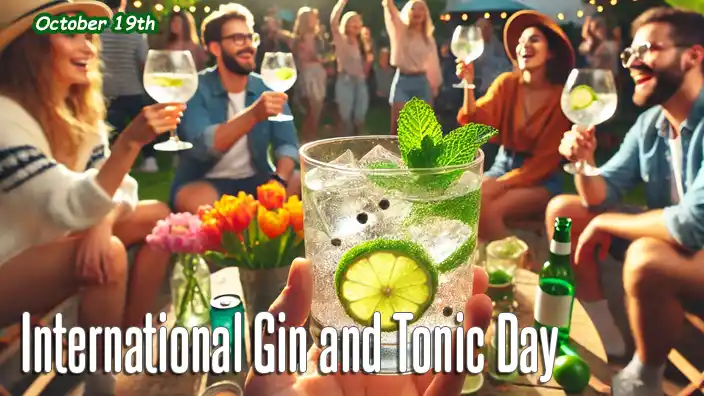
Nothing says "I’ve had a long day" quite like the clink of ice in a glass, followed by the unmistakable fizz of tonic as it mingles with a generous splash of gin. It’s the perfect antidote to life's little irritations—like accidentally replying to all in an email thread or realizing your Zoom camera was on the whole time. And while some might claim it’s medicinal (thanks, malaria!), we all know it’s really just an excuse to feel fancy while drinking what is essentially the adult version of sparkling water with a kick.
Celebrated: Annually, on October 19th
Discover the rich history of the Gin and Tonic, from its origins as a medicinal cure to its evolution into a beloved cocktail enjoyed worldwide.

- Details
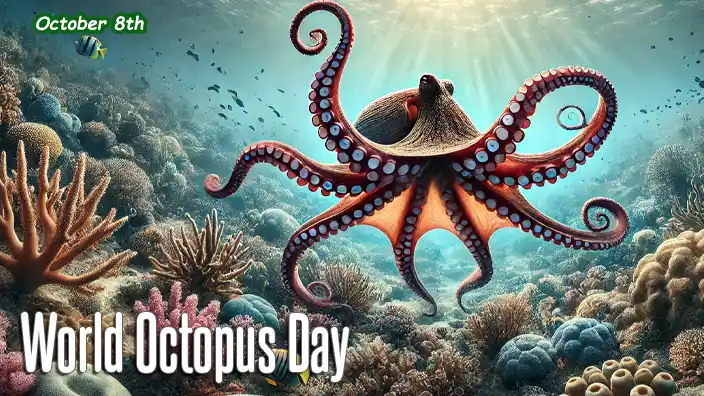
With eight arms, three hearts, and a mind that would make most pets jealous, it’s safe to say this ocean dweller could give any multitasker a run for their money. Imagine trying to juggle eight things at once, all while blending into the background like a professional chameleon. These crafty creatures can open jars, escape tanks, and squeeze through the tiniest gaps, making them the ultimate underwater escape artists. If Houdini had gills, he’d probably take notes. And just when you think they can’t get any more impressive, they vanish in a puff of ink, like an oceanic magician leaving the scene with flair.
Celebrated: Annually, on October 8th
Celebrate World Octopus Day by exploring the intelligence, camouflage, and escape artistry of the ocean's most fascinating cephalopods.


- Details
Leaving a review is like giving a performance on a tiny stage where your audience is a mix of future customers, skeptical managers, and that one guy who’s already left 17 reviews about the same salad. You sit there, debating whether to write, “It was good,” or “This product changed my life and possibly my future reincarnation.” You try to strike the perfect balance between honesty and wit, because no one wants to be that reviewer—too harsh, too vague, or worse, too enthusiastic about a toaster. So, you type out your feedback, sprinkle in some emojis (because why not?), and hit submit, feeling like you’ve just contributed to society in the most 21st-century way possible.
Celebrated: Annually, on October 22nd
Celebrate Leave a Review Day by sharing your opinions on products, services, and experiences. Your reviews guide others and help businesses improve.

- Details
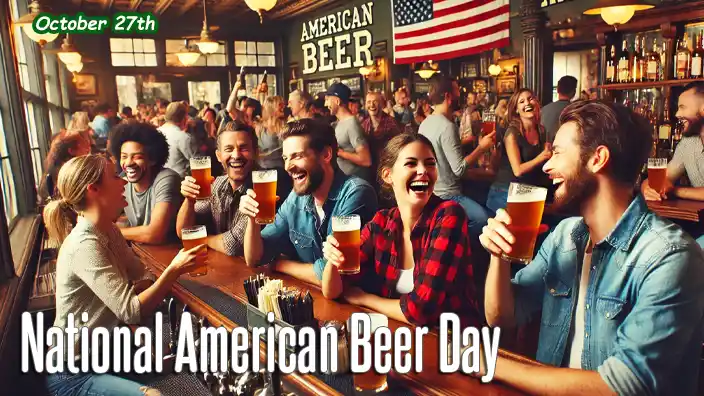
When it comes to American beer, it's clear that "why not?" is the motto. Why not add extra hops, or a hint of coffee, or—who's stopping us—a dash of peanut butter? If you thought American beer was just your grandpa's light lager, you haven't seen today's beer menu. We've got IPAs so hoppy you'll feel like you're chewing a pine tree and stouts richer than a billionaire's Swiss bank account. And don't get us started on the names—nothing like ordering a pint of "Hopocalypse Now" or "Lager than Life" to start your night off with a laugh. In America, we don't just drink beer; we're here for the experience, the experiment, and the chance to ask our friends, "Have you tried the bacon-maple-pecan ale yet?" Cheers to creativity in a glass!
Celebrated: Annually, on October 27th
Celebrate National American Beer Day on October 27 with a journey through the diverse and innovative world of American brewing, from lagers to craft brews.

- Details
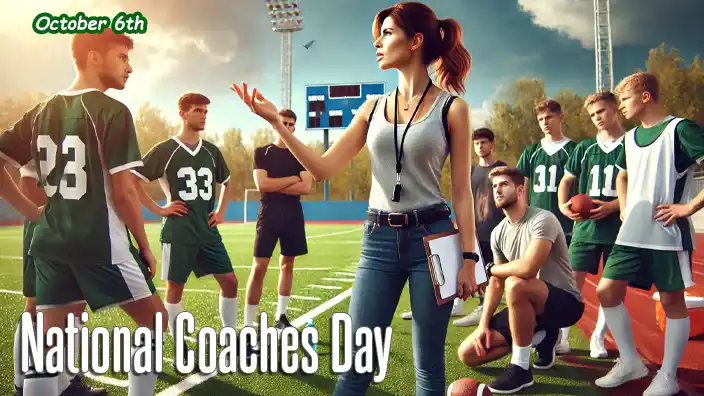
Coaches are like the human version of caffeine: they wake you up, get your heart racing, and make you question every life choice that led you to that 5 a.m. practice. They have a magical ability to turn "one more lap" into a marathon, and somehow, their motivational speeches make you believe that yes, you can give 110%—even though basic math says that's impossible. They’ll yell “dig deep” just as you’re contemplating whether you’re more shovel than human, but in the end, they’re the ones who convince you that sweat is just your body’s way of crying happy tears for getting stronger.
Celebrated: Annually, on October 6th
Celebrate National Coaches Day on October 6th, honouring coaches who inspire, motivate, and shape lives. Discover the history and impact of these unsung heroes.


- Details
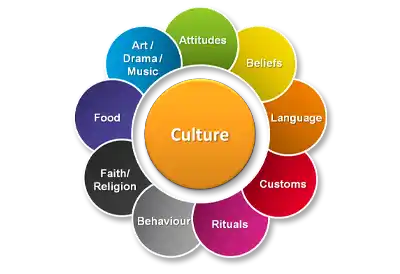
If you’ve ever tried to explain a family tradition to someone and realized halfway through that it sounds like absolute madness out of context, congratulations — you’ve already brushed up against intangible cultural heritage. It’s that bundle of rituals, skills, and “we’ve always done it this way” habits that make a community unique. You can’t box it, you can’t bubble-wrap it, and you definitely can’t auction it on eBay, but somehow it sticks around longer than your last New Year’s resolution. That’s what makes today’s celebration so special — a whole day dedicated to the things we pass down not with our hands, but with our hearts, our stories, and in some cases, a stern warning not to touch the tools unless someone’s supervising.
Celebrated: Annually, on October 17th
Discover the International Day of the Intangible Cultural Heritage, celebrating traditions, skills, and cultural knowledge passed from generation to generation.
- Details
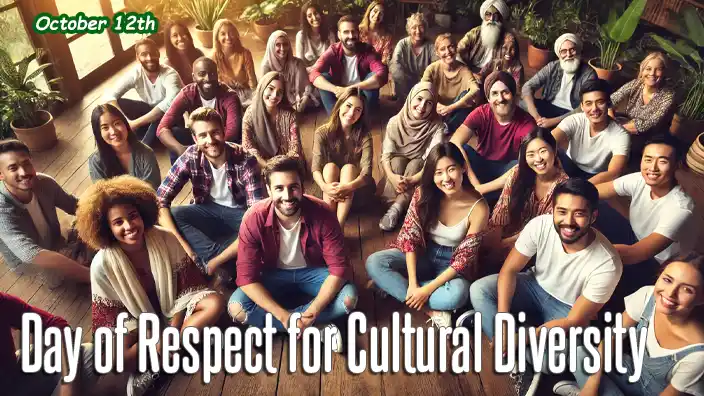
Cultural diversity is like a global potluck where everyone brings their best dish, but instead of debating who makes the best potato salad, you're trying to decide whether you prefer sushi, tacos, or samosas. It’s the beauty of realizing that while your neighbor’s music might sound like a fiesta while you're listening to jazz, both have the power to get you dancing—just in different ways. And sure, we might all argue about the “right” way to drink tea (with milk, lemon, or straight up), but at the end of the day, it’s our differences that make life a whole lot more flavorful.
Celebrated: Annually, on October 12th
Celebrate the Day of Respect for Cultural Diversity by acknowledging the richness of human cultures and promoting mutual respect in our interconnected world.


- Details
Transferring money to your daughter is like funding a startup that has grand plans but no actual revenue model. She’ll tell you it’s for “necessities,” but somehow those necessities always seem to include a new pair of shoes, concert tickets, or a “life-saving” skincare product. You hit send on that bank transfer, knowing full well it’s going to fuel another adventure, and she responds with the classic, “Thanks, you’re the best!”—which, for a brief moment, makes you feel like an investor in the world’s happiest (and most unpredictable) venture.
Celebrated: Annually, on October 6th
Celebrate National Transfer Money to Your Daughter Day on October 6th by sending a financial gift. It's a humorous nod to the parent-daughter money dynamic.

From Our Marks Catelog
-

Brussels sprouts: the tiny green orbs that have been sparking dinner table debates for...
-
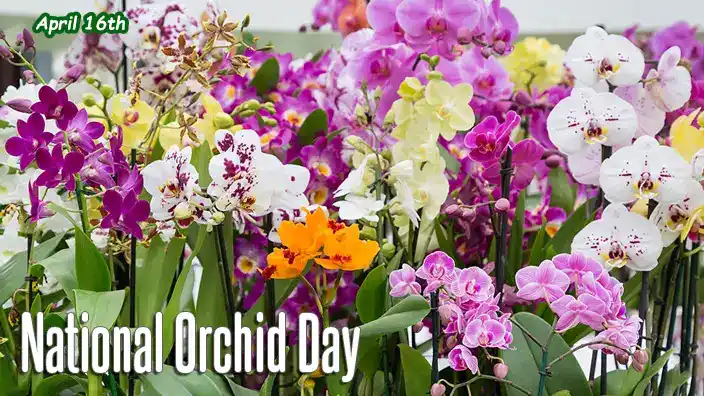
Elegance, mystery, and just the right amount of arrogance—some things demand admiration without lifting...
-
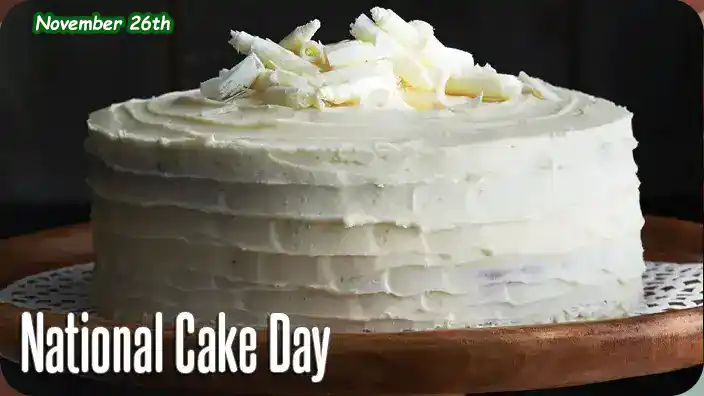
National Cake Day is the one day of the year when it's socially acceptable to have your cake and eat...
-

Forget glow-in-the-dark snack cakes and cheese that comes in a spray can—there’s something wildly...
-

If there were an Olympic event for clumsiness, someone would be rolling down the hill, missing their...
-
Gazpacho Soup Day isn’t just a day to honor cold tomato soup; it’s a day to revel in the absurdity of...

