Mark The Days - October

October tiptoes in wearing flannel and carrying a pumpkin spice latte like it owns the place. The leaves start bailing on their branches faster than interns on a Friday, and everything—everything—suddenly tastes like cinnamon and regret. It's the month where we celebrate everything from tacos to ghosts, and yes, sometimes both at the same party. Costumes come out, candy disappears mysteriously, and someone always insists on bobbing for apples like it’s not a health code violation. October is where cozy meets crazy—and we’re here for all of it.
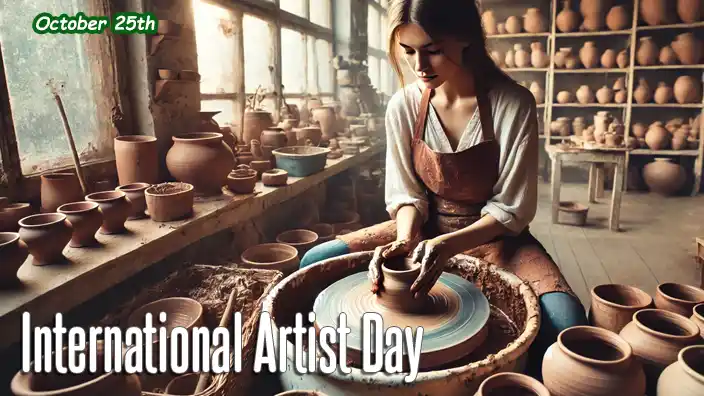
- Details
Artists are the only people who can spend hours staring at a blank canvas and call it "preparing for inspiration" instead of "procrastination." They can take a random splatter of paint, call it "chaos meets emotion," and somehow make you feel like you just don’t get art. And don’t even ask them about their latest piece—you’ll either get a three-hour lecture on the philosophy of shadows or a cryptic, “It’s open to interpretation,” as they sip their coffee and gaze thoughtfully into the distance.
Celebrated: Annually, on October 25th
Celebrate International Artist Day, honoring creators who transform the mundane into extraordinary through painting, sculpture, photography, and more.

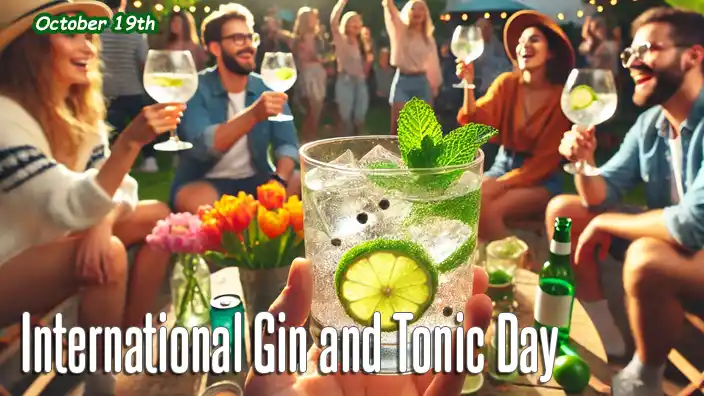
- Details
Nothing says "I’ve had a long day" quite like the clink of ice in a glass, followed by the unmistakable fizz of tonic as it mingles with a generous splash of gin. It’s the perfect antidote to life's little irritations—like accidentally replying to all in an email thread or realizing your Zoom camera was on the whole time. And while some might claim it’s medicinal (thanks, malaria!), we all know it’s really just an excuse to feel fancy while drinking what is essentially the adult version of sparkling water with a kick.
Celebrated: Annually, on October 19th
Discover the rich history of the Gin and Tonic, from its origins as a medicinal cure to its evolution into a beloved cocktail enjoyed worldwide.

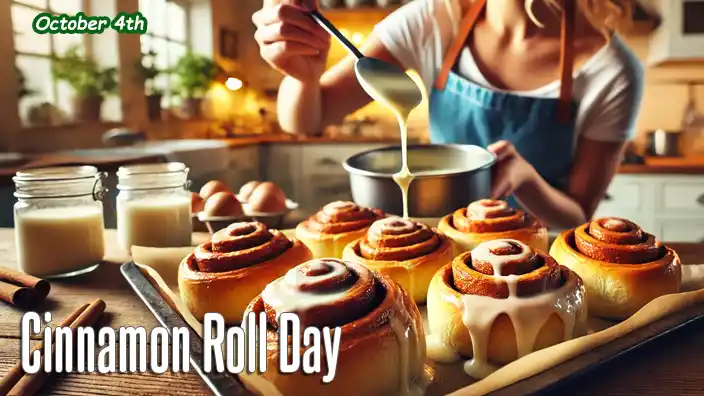
- Details
Cinnamon rolls are basically the extroverts of the pastry world—loud, sweet, and impossible to ignore. They don’t just sit quietly on your plate; they practically scream, “Look at me!” with their swirls of cinnamon goodness and generous slathering of frosting. You don’t just eat a cinnamon roll, you experience it. First, there’s the mesmerizing unraveling of the spiral, like you’re unwrapping a sugary present. Then comes the grand finale: the gooey, cinnamony center that makes you question all your life choices—mostly why you didn’t eat one sooner. They’re the ultimate comfort food, and let’s be real, nobody ever regrets saying yes to a cinnamon roll.
Celebrated: Annually, on October 4th
Celebrate the joy of Cinnamon Roll Day with a swirl of sweetness, spice, and everything nice. Discover the rich history and indulge in the perfect pastry.


- Details
One battery is the reliable 12V, sitting under the hood, quietly powering your lights, radio, and that essential “ding” when you leave the door open. It’s like the reliable friend who’s always there but never asks for attention—until it quits in the middle of a rainy night. On the other hand, the EV battery is the flashy, high-tech cousin, constantly needing a recharge but promising to take you further with no emissions. Together, they’re an odd couple—old-school reliability meets new-age flair!
Celebrated: Annually, on October 5th
Celebrate Charge Your Car Day by ensuring your vehicle's battery, whether ICE or EV, is fully powered. Discover charging tips and the future of EV technology.

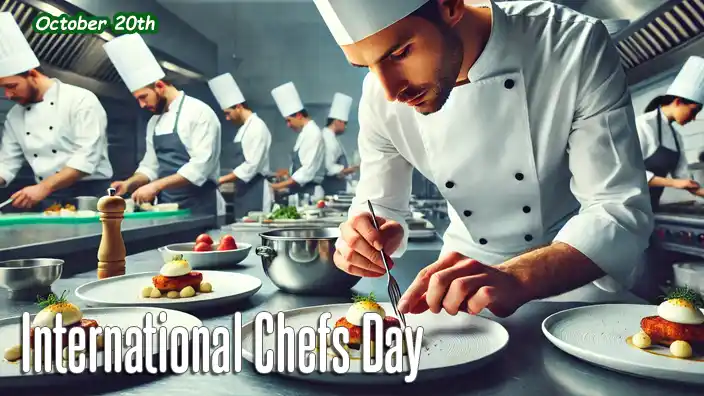
- Details
In the heat of the kitchen, there's a fine line between orchestrating a five-star meal and starting a small kitchen fire. Somehow, amidst the clatter of pans, the hiss of steam, and the inevitable missing spatula, chefs manage to create culinary masterpieces with the calm precision of someone defusing a bomb. Their ability to turn chaos into cuisine is nothing short of miraculous, especially when they've just tasted ten sauces in a row and can still tell the difference between rosemary and thyme. And let’s not forget their skill at keeping a straight face when a customer requests their steak cooked "extra medium."
Celebrated: Annually, on October 20th
Celebrate International Chefs Day by honoring the culinary wizards who transform ingredients into art. Discover their journey from cooks to culinary artists.


- Details
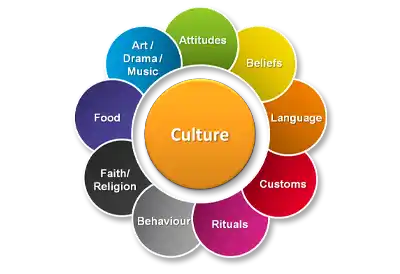
If you’ve ever tried to explain a family tradition to someone and realized halfway through that it sounds like absolute madness out of context, congratulations — you’ve already brushed up against intangible cultural heritage. It’s that bundle of rituals, skills, and “we’ve always done it this way” habits that make a community unique. You can’t box it, you can’t bubble-wrap it, and you definitely can’t auction it on eBay, but somehow it sticks around longer than your last New Year’s resolution. That’s what makes today’s celebration so special — a whole day dedicated to the things we pass down not with our hands, but with our hearts, our stories, and in some cases, a stern warning not to touch the tools unless someone’s supervising.
Celebrated: Annually, on October 17th
Discover the International Day of the Intangible Cultural Heritage, celebrating traditions, skills, and cultural knowledge passed from generation to generation.

- Details
Transferring money to your daughter is like funding a startup that has grand plans but no actual revenue model. She’ll tell you it’s for “necessities,” but somehow those necessities always seem to include a new pair of shoes, concert tickets, or a “life-saving” skincare product. You hit send on that bank transfer, knowing full well it’s going to fuel another adventure, and she responds with the classic, “Thanks, you’re the best!”—which, for a brief moment, makes you feel like an investor in the world’s happiest (and most unpredictable) venture.
Celebrated: Annually, on October 6th
Celebrate National Transfer Money to Your Daughter Day on October 6th by sending a financial gift. It's a humorous nod to the parent-daughter money dynamic.

- Details
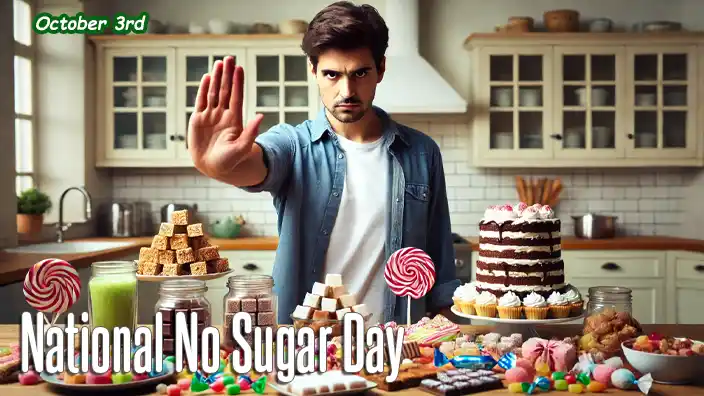
Sugar—the tiny, sweet granules that can turn the most disciplined of us into dessert-hunting maniacs. It’s like a tiny party in your mouth that invites all your taste buds to dance, but once the music stops, you're left wondering why you agreed to the sugar hangover. Whether it’s hiding in your coffee, lurking in your bread, or staring you down from a donut, sugar knows how to crash your day in the sneakiest way possible. It's basically the friend who shows up uninvited and somehow convinces you to have just one more slice of cake… right before disappearing, leaving you with only crumbs and regret.
Celebrated: Annually, on October 3rd
Discover the essence of National No Sugar Day, a day dedicated to avoiding sugar and exploring our complex relationship with this sweet temptation.

- Details
Leaving a review is like giving a performance on a tiny stage where your audience is a mix of future customers, skeptical managers, and that one guy who’s already left 17 reviews about the same salad. You sit there, debating whether to write, “It was good,” or “This product changed my life and possibly my future reincarnation.” You try to strike the perfect balance between honesty and wit, because no one wants to be that reviewer—too harsh, too vague, or worse, too enthusiastic about a toaster. So, you type out your feedback, sprinkle in some emojis (because why not?), and hit submit, feeling like you’ve just contributed to society in the most 21st-century way possible.
Celebrated: Annually, on October 22nd
Celebrate Leave a Review Day by sharing your opinions on products, services, and experiences. Your reviews guide others and help businesses improve.

- Details
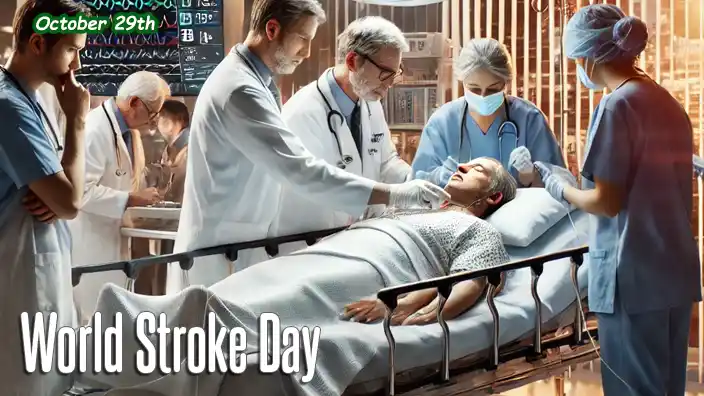
Recognizing a stroke swiftly can be the difference between life and lasting disability. Key signs of a stroke are sudden and often dramatic, including facial drooping, arm weakness, and slurred or confused speech. If you notice someone struggling to smile evenly, raise one arm, or speak clearly, take immediate action. Time is critical, as each minute without treatment causes more brain cells to die. Using the F.A.S.T. acronym—Face, Arms, Speech, Time—helps you remember the symptoms and urgency. Quick recognition and a call to emergency services can save precious time, increasing the chance of recovery and reducing the risk of permanent damage.
Celebrated: Annually, on October 29th
Explore the significance of World Stroke Day, learn about stroke types, symptoms, and preventive measures, and discover how to participate in raising awareness.

- Details
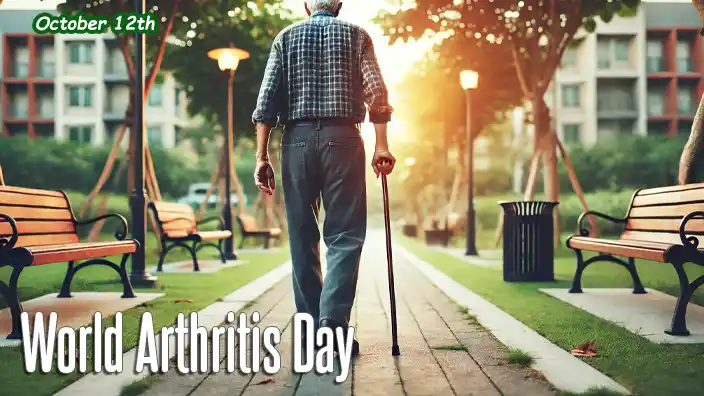
Arthritis is like that uninvited guest who shows up at your party, complains about the music, and refuses to leave—even after dessert. It’s sneaky, always popping up when you least expect it, like when you're just trying to open a jar or tie your shoes without a symphony of creaks. Arthritis makes you feel like you’ve aged overnight, with your joints staging a protest worthy of prime-time TV. But if there’s one thing arthritis can’t take away, it’s your sense of humor—because laughter might not cure it, but it sure does make the "snap, crackle, pop" soundtrack a little more bearable.
Celebrated: Annually, on October 12th
Celebrate World Arthritis Day on October 12th! Learn about arthritis, its types, symptoms, and how to support those affected by this chronic condition.

- Details
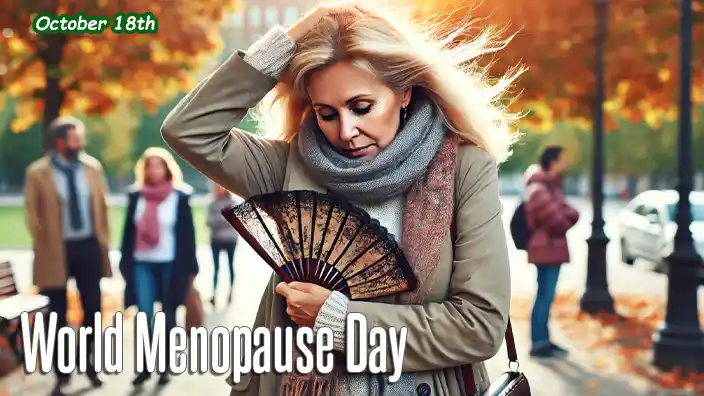
It starts innocently enough—one day, you’re fanning yourself in the middle of a winter snowstorm, and the next, you're questioning why your mood swings feel like an emotional rollercoaster you didn’t sign up for. Menopause has a way of sneaking up on you with its unpredictable mix of hot flashes, brain fog, and sleep-depriving night sweats. Yet, amidst the chaos, there’s a certain liberation—no more periods, no more cramps, and an excuse to unapologetically crank the A/C. If nothing else, menopause reminds you that every life phase deserves a little humor.
Celebrated: Annually, on October 18th
Explore the journey of menopause, from perimenopause to postmenopause, and embrace the changes with a sense of humor and empowerment. Discover the phases, symptoms, and health tips.

- Details
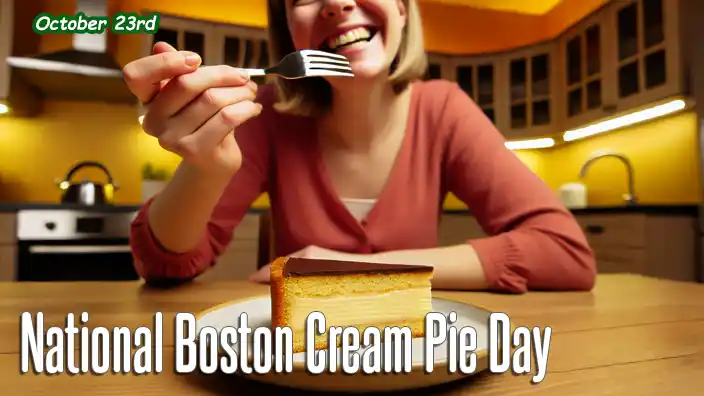
Boston Cream Pie is the dessert equivalent of that friend who shows up to a formal event in a tuxedo but claims they’re "just here for the pizza." It’s not really a pie, it’s a cake pretending to be a pie, and somehow no one questions it! Maybe it's because we're too distracted by the layers of fluffy cake, rich pastry cream, and silky chocolate glaze to argue. Let's be honest, though—if more things in life could pull off an identity crisis as deliciously as Boston Cream Pie, we’d all be a lot happier (and probably a little rounder).
Celebrated: Annually, on October 23rd
Discover the delightful confusion of Boston Cream Pie, a dessert that defies its name by offering layers of cake, pastry cream, and chocolate ganache.

- Details
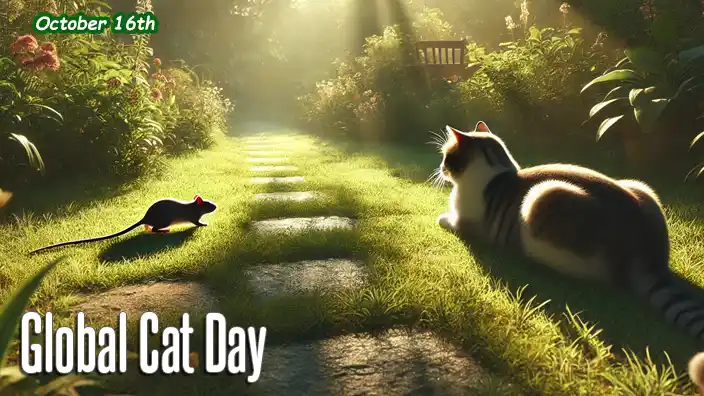
Whiskers twitch, eyes narrow, and before you know it, you’re no longer in charge of your own home. That’s right—welcome to Global Cat Day, where the true rulers of the household make their presence known. Today is the day to acknowledge that those "adorable" creatures plotting world domination from your couch are just letting you live there—on a trial basis. Whether they’re ignoring you until the food bag crinkles or suddenly deciding your laptop is the perfect nap spot, they remind us who’s really in control. Global Cat Day isn't just for celebrating them; it's for surrendering to their royal demands.
Celebrated: Annually, on October 16th
Celebrate Global Cat Day by supporting feral cat welfare, understanding their independent nature, and embracing the humor cats bring to our lives.
xx

- Details
Being Punk for a Day is like trying to bake a cake with dynamite—it's messy, explosive, and you're never quite sure if you're doing it right, but you know it's going to leave a lasting impression. One minute you're nervously spiking your hair with enough gel to deflect a small meteor, and the next, you're trying to pull off a scowl that says "I hate authority" but secretly hoping your boss doesn’t notice you took a safety pin from the office supplies. By the end of the day, you might not have fully grasped the anarchist spirit, but hey, at least you didn't accidentally pierce your own eyebrow!
Celebrated: Annually, on October 25th
Celebrate Punk for a Day Day on October 25th by embracing the rebellious punk spirit with spiked hair, combat boots, and a bold attitude. Discover punk history and style tips.

- Details
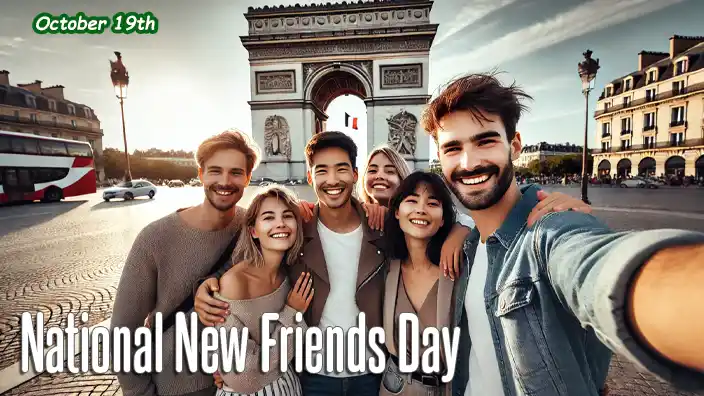
Making new friends as an adult is a bit like finding a unicorn at the grocery store—it’s rare, magical, and you’re not entirely sure how it happened. One minute you're awkwardly commenting on the weather, and the next you're planning a weekend hike together like you've been lifelong buddies. It’s a strange alchemy where shared interests meet mutual weirdness, and suddenly you have someone who’s willing to listen to your rants about pineapple on pizza or join your impromptu Netflix marathons.
Celebrated: Annually, on October 19th
Celebrate National New Friends Day by stepping out of your comfort zone to make new connections. Discover the benefits of friendships for mental health and happiness.

- Details
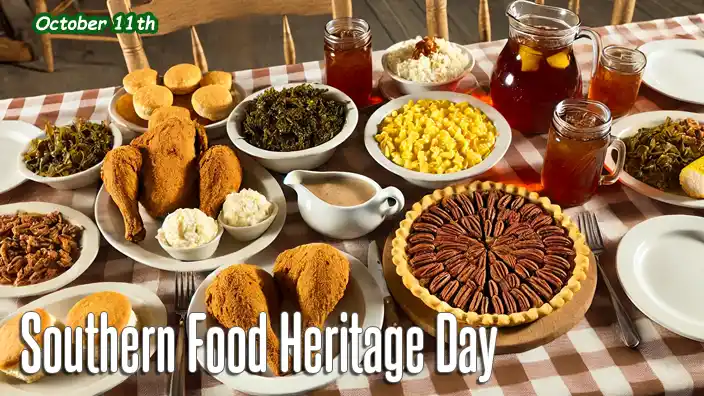
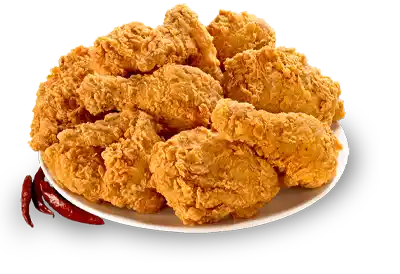
Southern cooking isn’t just food—it’s a commitment. It’s the kind of cooking that takes all day, involves at least two sticks of butter, and results in dishes that are best described as “dangerously delicious.” You know you’ve done it right when the smoke alarm goes off, your grandma insists the biscuits “ain’t quite done yet,” and every dish is followed by someone declaring, “I shouldn’t, but I will.” Southern cooking is where you go for seconds, thirds, and then pretend the calories don’t count because it was made with love (and a lot of gravy).
Celebrated: Annually, on October 11th
Celebrate Southern Food Heritage Day by exploring the rich history and comforting flavors of Southern cuisine, where butter, bacon, and biscuits reign supreme.

- Details
First responders are the brave individuals who stand on the front lines of crisis and emergency, arriving at scenes that demand immediate action, care, and unwavering dedication. Whether they are firefighters, paramedics, police officers, or dispatchers, these professionals often put themselves in harm's way to protect, save, and support those in need. Their work is physically and emotionally demanding, requiring resilience, specialized training, and the ability to make critical decisions under pressure. First responders are a cornerstone of community safety, providing a lifeline when seconds matter, and their commitment is a testament to their courage and compassion.
Celebrated: Annually, on October 28th
Celebrate National First Responders Day, honoring the brave paramedics, firefighters, police officers, and EMTs who face emergencies daily with courage.

From Our Marks Catelog
-

Brussels sprouts: the tiny green orbs that have been sparking dinner table debates for...
-
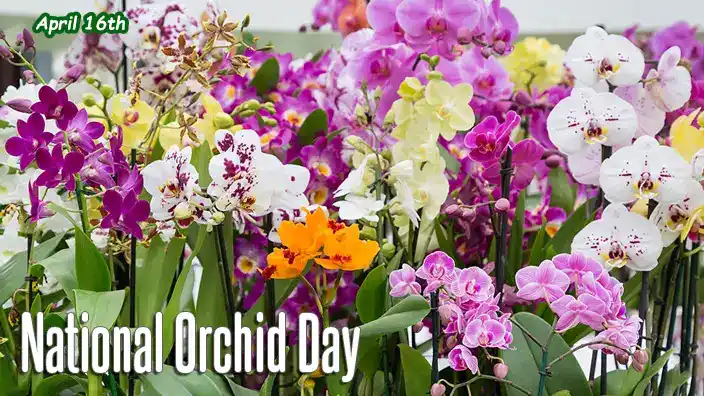
Elegance, mystery, and just the right amount of arrogance—some things demand admiration without lifting...
-
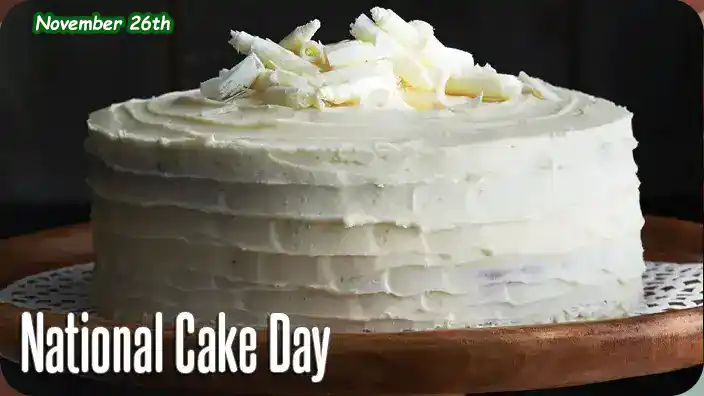
National Cake Day is the one day of the year when it's socially acceptable to have your cake and eat...
-

Forget glow-in-the-dark snack cakes and cheese that comes in a spray can—there’s something wildly...
-
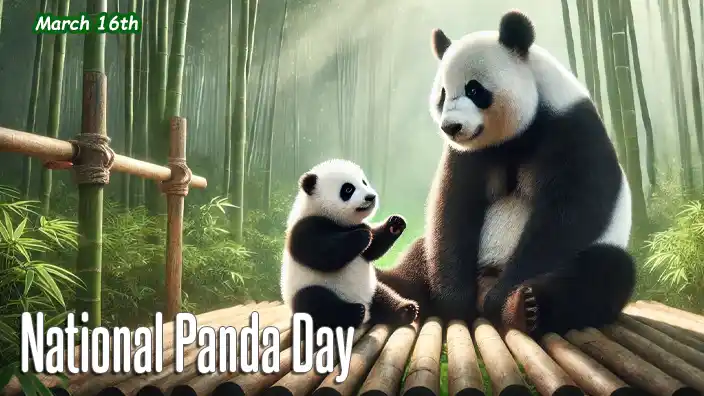
If there were an Olympic event for clumsiness, someone would be rolling down the hill, missing their...
-
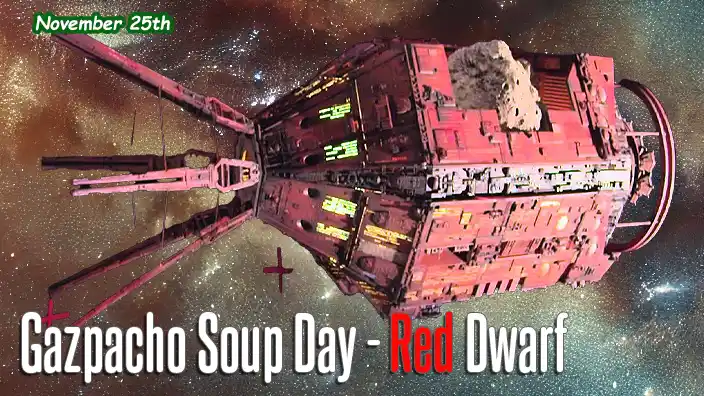
Gazpacho Soup Day isn’t just a day to honor cold tomato soup; it’s a day to revel in the absurdity of...

