Mark The Days - April

April is nature’s reboot—birds start singing, flowers show off, and pollen declares war on sinuses everywhere. It’s the month that says, “Hey, let’s start fresh!” and then dumps rain on your new shoes. April kicks off with April Fool’s Day, just to remind us not to take anything too seriously—including that forecast. One day it's sunny and lovely, the next you're building an ark. But in between the drizzle and sneezes, there's a sense that things are coming back to life—and possibly plotting something. April’s playful, unpredictable, and just a little unhinged. We like that in a month.

- Details
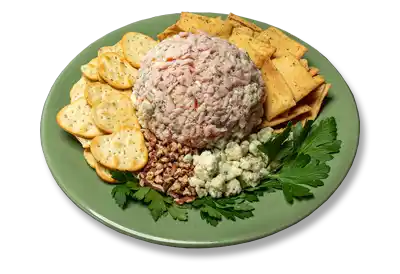
Imagine walking into a party and spotting a majestic, nut-crusted orb of creamy goodness sitting proudly on the snack table. It doesn’t demand attention like a flashy charcuterie board or an elaborate shrimp cocktail—it simply exists in its glorious, cheesy perfection, waiting for someone to take the first daring dip. Once that first cracker scoops into its velvety depths, there's no turning back. Guests swarm, crackers in hand, forming an unspoken agreement that this cheeseball will be devoured to the very last smear. It’s the unsung hero of gatherings, proving that sometimes, the most humble dishes are the true life of the party.
Celebrated: Annually, on April 17th
Discover the world of cheeseballs on National Cheeseball Day. Learn about the cheesy wonders, flavors, and fun facts behind this beloved party snack.
- Details
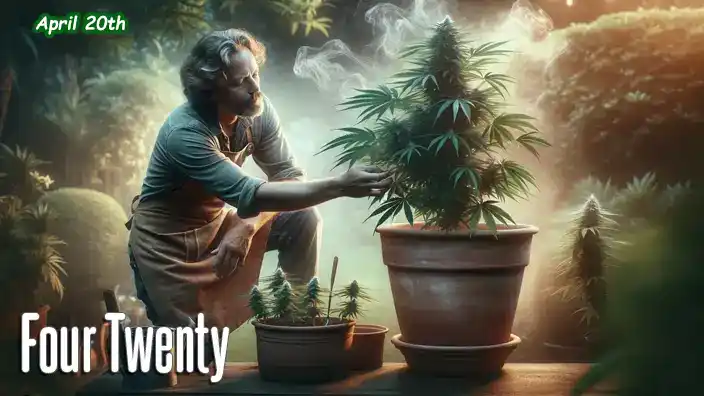
April 20th—the one day a year when time slows down, snacks disappear at record speed, and even the most responsible adults find themselves staring at a wall, deep in thought about absolutely nothing. Across the world, clouds of mystery (and definitely not legal disclaimers) rise as people partake in the sacred ritual of 420. It’s a day when grocery store cashiers brace themselves for a tsunami of late-night munchie runs, conspiracy theories about time travel somehow sound almost logical, and someone, somewhere, forgets they’re still holding a lit joint. Whether you’re a seasoned toker or just here for the good vibes, one thing’s for sure—by the end of the night, someone will be passionately arguing that nachos are in fact the greatest food of all time.
Celebrated: Annually, on April 20th
Discover the cultural phenomenon of 420, a day where cannabis enthusiasts unite to celebrate and partake in the communal pastime of puffing and passing in a cloud of smoke.


- Details
Digging into the medicine cabinet is like playing archaeologist in your own bathroom: you might unearth an ancient tube of ointment or a lotion older than your high school diploma. Who knew expired cough syrup could turn into a DIY science experiment? It's a journey through time where every bottle has a story and every pill has a past expiration date.
Celebrated: Annually, on the Third Friday of April
Join us for this annual event to help build a healthier home and community. Clean Out Your Medicine Cabinet


- Details
Welcome to the one day a year when people suddenly feel the urge to replace "hello" with "salutations", "hungry" with "ravenous", and "tired" with "experiencing an acute deficiency of restorative slumber." It’s a day when conversations become unintentionally hilarious, as even the most eloquent speakers find themselves tripping over their own verbosity. Somewhere, a Scrabble champion is cackling with delight, an English teacher is shedding a single tear of pride, and a poor soul who just wanted a simple chat is frantically Googling what “circumlocution” means. Whether you’re dropping jaw-dropping jargon like a linguistic show-off or just smiling and nodding through someone else’s verbal acrobatics, one thing is certain—by the end of the day, at least one person will pull a muscle, reaching for the dictionary.
Celebrated: Annually, on April 21st
Big Word Day celebrates the richness of the English language with elaborate terms, linguistic revelry, and cultural exploration. Join word lovers worldwide in this linguistic fiesta!


- Details
Humor is basically the duct tape of human interaction—stick it on any awkward situation, and suddenly, everything holds together a little better. It’s the one superpower that requires no cape, just impeccable timing and a willingness to embrace the ridiculous. Whether it’s dad jokes so bad they deserve a life sentence, puns that make you groan louder than a haunted house, or a perfectly timed pratfall, humor is proof that life doesn’t always need to be taken so seriously. After all, laughter is free, burns calories, and doesn’t require a Wi-Fi connection—what more could you ask for?
Celebrated: Annually, on April 19th
Unleash your inner comedian on Humorous Day! Join the 24-hour joke-fest where laughter is the currency and puns are the language. Celebrate with giggles and guffaws!


- Details
Easter is the most joyous celebration on the Christian calendar—a day when the stone was rolled away, death was defeated, and hope walked right out of the tomb. It’s a time of hallelujahs, sunrise services, and children in tiny bow ties who somehow manage to get chocolate on their shoes before breakfast. We gather in churches and around dinner tables to rejoice in the miracle of the resurrection—while also politely pretending not to notice Aunt Margaret’s third helping of deviled eggs. It’s a day of light, life, and love—with just a hint of powdered sugar on top.
Celebrated: Annually, on the First Sunday after the Full Moon that occurs on or after the Spring Equinox (Mar 28, 2027)
Discover the rich traditions and spiritual significance of Easter, a global celebration of hope, renewal, and the resurrection of Jesus Christ.

- Details
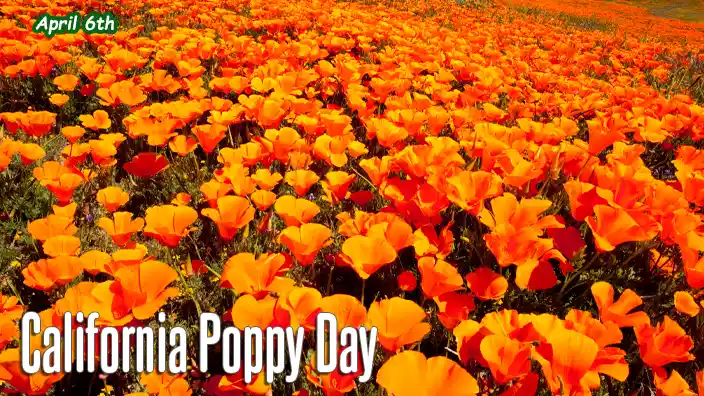
The California poppy is the kind of flower that shows up overdressed to a picnic and somehow still makes everyone else feel underdressed. With petals so bright they look like they were colored in by a kid who found the “maximum sunshine” crayon, this bloom doesn’t just grow—it glows. It pops up uninvited, refuses to be watered, and still looks fabulous. Basically, it’s the diva of the wildflower world: low maintenance, always photogenic, and completely immune to drama.
Celebrated: Annually, on April 6th
Learn about the California Poppy, the state's floral emblem since 1903. This resilient flower is a symbol of natural beauty and ecological importance.


- Details
Some kids dream of being astronauts, others want to be superheroes—and then there are the brave few who decide to battle blank pages and stubborn sentences. National Encourage a Young Writer Day is all about cheering on those future storytellers as they wrestle with words, invent wild plots, and occasionally spell “adventure” three different ways in one paragraph. It’s messy, it’s creative, and with a little encouragement (and maybe snacks), it’s where great ideas begin.
Celebrated: Annually, on April 10th
Celebrate National Encourage a Young Writer Day by inspiring creativity, boosting confidence, and helping young storytellers find their voice.


- Details
Some say breakfast at your desk is a cry for help—others say it’s just Monday. Deskfast Day proudly salutes all who’ve ever balanced a yogurt cup on a stack of reports, stirred oatmeal with a paper clip, or tried to eat a crunchy granola bar during a Zoom call discreetly. It’s not glamorous, it’s not Instagram-worthy, and it’s definitely not what your keyboard was designed for—but by golly, it gets the job done. Just don’t forget to mute your mic before that third bite of toast.
Celebrated: Annually, on April 11th
Explore the evolution of deskfast, where breakfast meets the workspace. Learn about its rise, diverse styles, and how to celebrate this unique day with flair.


- Details
Surviving as a POW takes incredible resilience, grit, and a sense of humor tough enough to withstand even the worst conditions. Many former POWs, when asked how they endured, will crack a wry smile and say something like, “Well, I didn’t exactly have other plans.” Their ability to find light in the darkest moments speaks volumes about their strength. Whether it was tapping out jokes in Morse code, fashioning makeshift chess pieces from scraps, or convincing their captors that terrible singing was an American tradition, these individuals proved that even in captivity, the human spirit refuses to be shackled.
Celebrated: Annually, on April 9th
Honoring the resilience of former prisoners of war on National Former Prisoner of War Recognition Day, a solemn occasion recognizing their courage and sacrifices in wartime captivity.

- Details
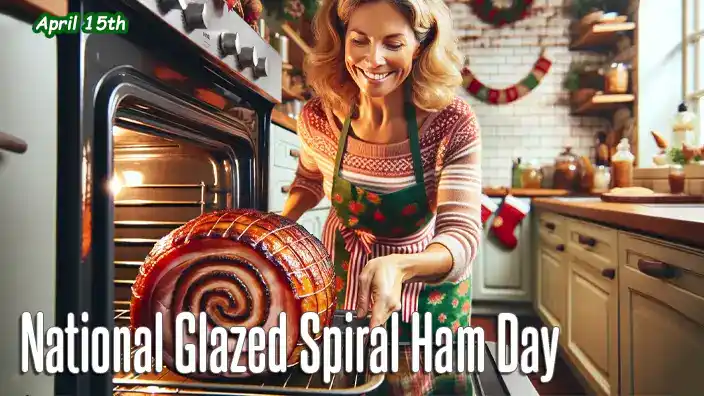
There’s something undeniably magical about a dish that arrives pre-sliced, perfectly glazed, and ready to steal the show with minimal effort. It’s the culinary equivalent of wearing sweatpants to a fancy event and somehow still being the best-dressed person in the room. That sticky-sweet glaze clings like an overenthusiastic hug from a long-lost relative, while the juicy, smoky interior practically demands a standing ovation. And let’s not forget the leftovers—because nothing says “I made a great life choice,” like waking up the next morning to a fridge stocked with ham just waiting to elevate your sandwiches, omelets, or questionable midnight snacking decisions.
Celebrated: Annually, on April 15th
Celebrate National Glazed Spiral Ham Day with the culinary marvel of a spiral ham, versatile and sweetly glazed, perfect for any occasion. Join the festivities and honor this glazed delight!

- Details
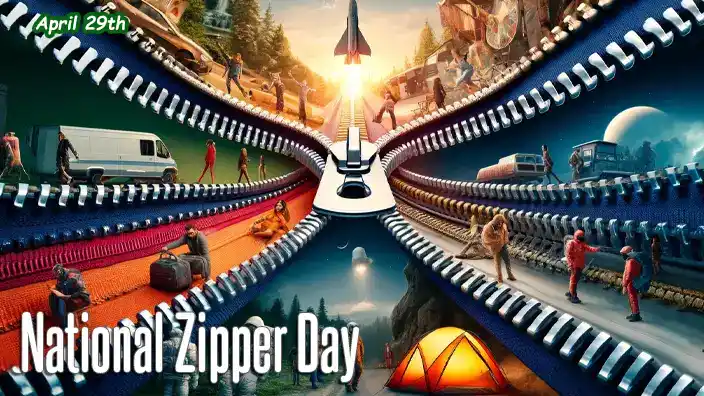
You’re in a rush, running late for an important meeting, and just as you go to fasten your jacket or secure your pants, betrayal strikes—your trusty fastener refuses to cooperate. You tug, you wiggle, you even try that gentle-yet-firm whisper of encouragement, but alas, it’s stuck like a stubborn jar lid. Suddenly, you’re engaged in an impromptu wrestling match with your own clothing, questioning every life decision that led you to this moment. Few things in life offer as much silent power as the zipper—seamlessly holding everything together one moment and staging a full-blown rebellion the next.
Celebrated: Annually, on April 29th
Celebrate National Zipper Day on April 29th! Discover the fascinating history and clever mechanics behind the zipper, a small invention with a big impact.

- Details
There are two kinds of mornings in life: the ones where you wrestle with buttons, belts, and decisions… and the ones where you look down, shrug, and say, “Good enough.” Wear Your Pajamas to Work Day proudly celebrates the second kind. It’s the one day a year when showing up looking like you just escaped your own bedroom isn’t just acceptable—it’s encouraged. Productivity may or may not increase, but comfort absolutely does, and let’s be honest… nobody ever had a bad idea while wearing flannel and slippers.
Celebrated: Annually, on April 16th
Discover Wear Your Pajamas to Work Day, a fun workplace holiday promoting comfort and morale


- Details
There’s something truly special about voluntarily strapping yourself to a controlled explosion and hurling yourself into the void of space, all in the name of exploration. It’s the ultimate trust fall—except instead of your co-workers catching you, it’s physics, engineering, and the hope that someone triple-checked the calculations. Human spaceflight is basically the universe’s way of reminding us that we are both incredibly brilliant and just a little bit unhinged. After all, who else but humans would look at a perfectly livable planet, stare into the cold, airless abyss of space, and say, “Yeah, let’s go there.”
Celebrated: Annually, on April 12th
Explore the significance of International Day of Human Space Flight, commemorating Yuri Gagarin's historic orbit in 1961 and the ongoing quest for cosmic exploration and discovery.

- Details
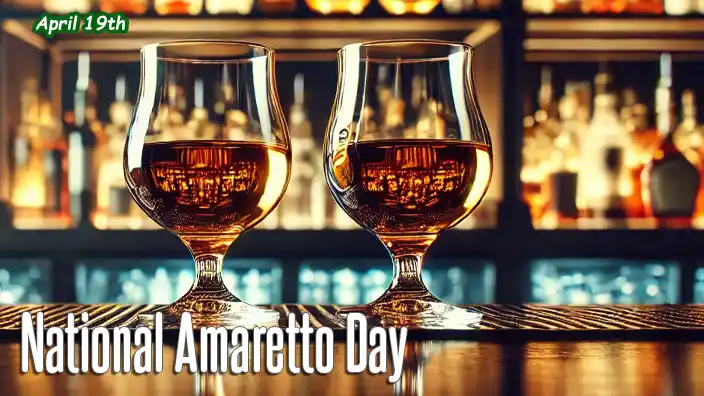
Amaretto is like that charming dinner guest who arrives sweet, stays smooth, and leaves you wondering why you don’t invite them over more often. It’s the liqueur that turns any drink into a hug in a glass—warming, slightly nutty, and always up for a good time. Whether it’s sneaking into your coffee, making your dessert just a little more sinful, or convincing you that a third Amaretto Sour is a fantastic idea, this Italian delight knows how to steal the show. Just be warned—sip too much, and you might start gesturing like an old-school Italian chef, dramatically declaring, “Mamma mia, this is good!”
Celebrated: Annually, on April 19th
Join the festivities on National Amaretto Day! Explore the delightful versatility of amaretto in cocktails, desserts, and culinary creations to elevate your celebrations.

- Details
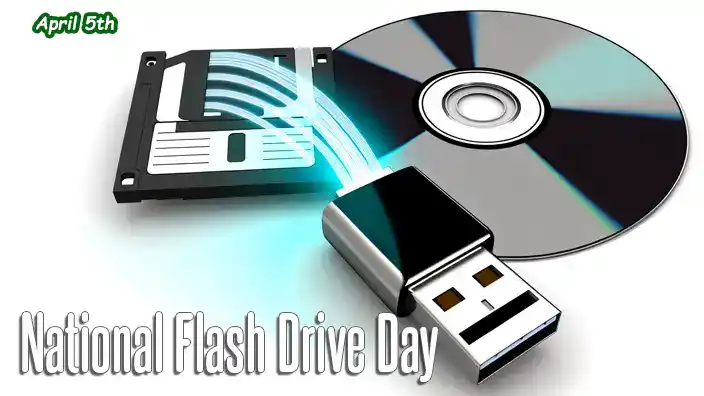
There’s something almost magical about that tiny, unassuming gadget lurking at the bottom of your bag or tangled in a mess of charging cables. One minute, it’s your lifeline to an important presentation, and the next, it’s mysteriously vanished into the void, only to reappear in the washing machine two weeks later—completely intact, of course. It holds everything from tax documents to questionable memes, and yet, despite its technological wizardry, it still requires the ancient ritual of “safely ejecting” lest you anger the digital deities and risk total corruption.
Celebrated: Annually, on April 5th
A tribute to the indispensable flash drive, celebrating its evolution, resilience, and role in democratizing data storage on National Flash Drive Day.


- Details
Drawing birds can feel a bit like trying to sketch a tornado made of feathers — especially when your artistic skills are more "abstract" than accurate. Whether it's a pigeon that looks suspiciously like a potato or a peacock that seems to have lost its tail feathers in a tragic drawing accident, the process is always an adventure. So grab your pencils, and let's turn those bird blobs into masterpieces, one hilarious misinterpretation at a time!
Celebrated: Annually, on April 8th
Unleash your inner artist on Draw a Picture of a Bird Day. Celebrate the beauty and ecological importance of birds through the joy of drawing, while fostering mindfulness and connecting with nature.


- Details
Trading Cards for Grown-ups Day is proof that maturity doesn’t mean giving up your favorite hobbies—it just means you can finally afford the good stuff. No more begging for allowance money or trading three decent cards for one “shiny” that turned out to be a dud. Now you can walk into a card shop, nod thoughtfully at the display case, and say things like, “I’m diversifying my collection,” while trying not to look too excited about a piece of cardboard. It’s childhood joy with adult budgets, slightly better storage, and a lot more talk about “condition” and “long-term value.”
Celebrated: Annually, on April 8th
Celebrate Trading Cards for Grown-ups Day with a humorous look at adult collectors, nostalgic finds, rare cards, and the thrill of the hunt.

From Our Marks Catelog
-

Brussels sprouts: the tiny green orbs that have been sparking dinner table debates for...
-
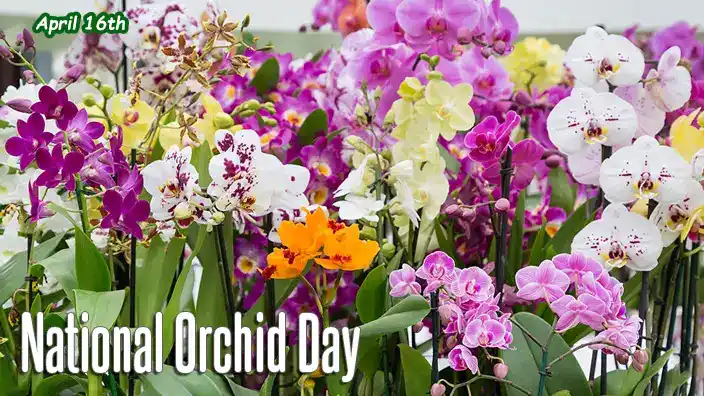
Elegance, mystery, and just the right amount of arrogance—some things demand admiration without lifting...
-
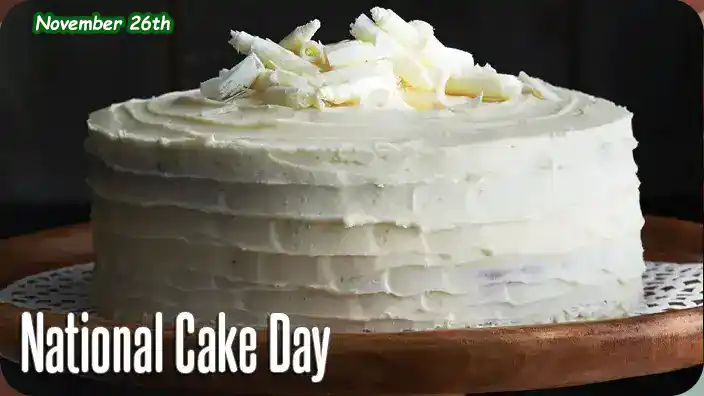
National Cake Day is the one day of the year when it's socially acceptable to have your cake and eat...
-

Forget glow-in-the-dark snack cakes and cheese that comes in a spray can—there’s something wildly...
-

If there were an Olympic event for clumsiness, someone would be rolling down the hill, missing their...
-
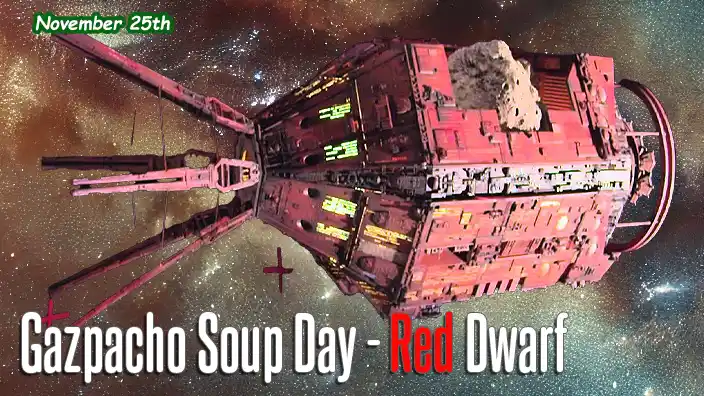
Gazpacho Soup Day isn’t just a day to honor cold tomato soup; it’s a day to revel in the absurdity of...


