Mark The Days - April

April is nature’s reboot—birds start singing, flowers show off, and pollen declares war on sinuses everywhere. It’s the month that says, “Hey, let’s start fresh!” and then dumps rain on your new shoes. April kicks off with April Fool’s Day, just to remind us not to take anything too seriously—including that forecast. One day it's sunny and lovely, the next you're building an ark. But in between the drizzle and sneezes, there's a sense that things are coming back to life—and possibly plotting something. April’s playful, unpredictable, and just a little unhinged. We like that in a month.

- Details
They say less is more, and haikus take that idea and run with it—except they only take about five steps before stopping to reflect. With just 17 syllables to work with, haikus are the poetry world's equivalent of a text message sent by an old-school flip phone: short, thoughtful, and sometimes just cryptic enough to make you wonder if there's a deeper meaning or if the poet just ran out of syllables. Whether they’re painting a picture of cherry blossoms drifting in the wind or lamenting an empty coffee cup, haikus prove that sometimes the best things really do come in small, meticulously counted packages.
Celebrated: Annually, on April 17th
International Haiku Poetry Day is a celebration of the precise art form of haiku poetry. Explore the beauty of 17 syllables arranged in a 5-7-5 pattern.


- Details
Some heroes wear capes. Some carry swords. Bugs Bunny carries a carrot and a smart remark. For more than eighty years, this relaxed rabbit has been frustrating hunters, confusing villains, and proving that the quickest way out of trouble is usually a clever joke and a well-timed disguise.
Celebrated: Annually, on April 30th
Celebrate National Bugs Bunny Day and explore the history of the famous Looney Tunes rabbit who made “What’s up, Doc?” a pop culture legend.


- Details
Malbec is the kind of wine that doesn’t apologize for being bold. It’s dark, smooth, and perfectly happy sitting next to a grilled steak while you explain—very confidently—why you suddenly understand vineyard soil chemistry after two glasses.
Celebrated: Annually, on April 17th
Learn about Malbec Day, the story of the Malbec grape, and why this rich red wine pairs perfectly with steak.


- Details
Sure, CDs may be shiny, sleek, and capable of skipping to any track with a single click, but let’s be honest—they lack the drama of the eight-track. An eight-track didn’t just play music, it had mood swings. It would abruptly switch programs mid-song like it just remembered it had somewhere else to be. CDs are like polite dinner guests who stay in their lane and wipe their feet at the door. Eight-tracks were that unpredictable uncle who crashes the party, tells wild stories, eats all the dip, and somehow ends up being everyone's favorite memory.
Celebrated: Annually, on April 11th
Celebrate National Eight-Track Tape Day by diving into the nostalgic world of the iconic eight-track tapes, the music format that defined a generation.

- Details
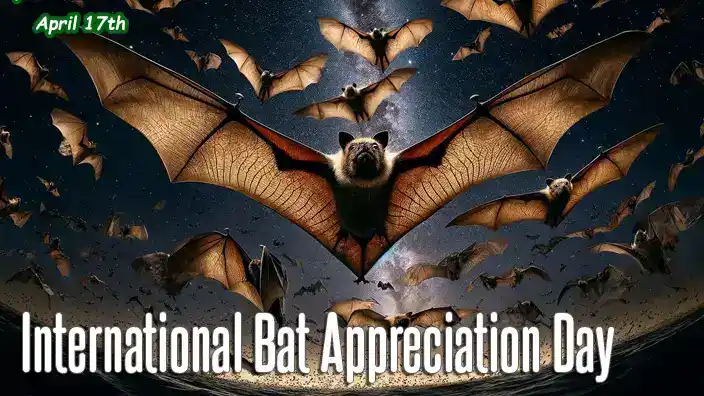
Bats truly deserve the title of "Hero of the Night"—even if their singing sounds more like the chatter at a speed dating event for insects. These nocturnal crusaders navigate the skies with a kind of GPS that makes even the fanciest smartphone look primitive. But don't let their eerie reputation fool you; bats are not interested in tangling with your hair unless you’re a walking fruit basket or a mosquito piñata. Celebrating their role in nature with a bit of humor reminds us that these fascinating creatures are less about horror films and more about helping us by keeping the real pests at bay—like those pesky mosquitoes that love to crash your summer parties. So, let's give a round of applause (or a flap of wings) to bats: the world’s only mammals who think flying backward is just as cool as flying forward.
Celebrated: Annually, on April 17th
Discover the fascinating world of bats on International Bat Appreciation Day, debunking myths and celebrating these essential creatures and their vital roles in ecosystems.

- Details
Navigating life without a few strategic fibs is like trying to play chess without pawns—it’s technically possible, but you’re in for a rough time. That’s why the age-old question, “Do I look good in this?”, has sent many into a spiral of fight-or-flight responses. Tread too carefully, and you’ll sound insincere; go too honest, and you might find yourself sleeping on the couch. Sure, honesty is the best policy, but let’s be real—sometimes, a little well-placed diplomacy is what keeps friendships intact, marriages thriving, and family reunions only mildly awkward.
Celebrated: Annually, on April 30th
National Honesty Day celebrates the importance of truth-telling in a world filled with deception and falsehoods. Embrace honesty and transparency on this remarkable holiday.


- Details
Some holidays bring joy, some bring nostalgia, and then there’s the one that makes you wonder if Hallmark is secretly run by divorce lawyers with a sense of humor. A day dedicated to raising a glass—not in love, but in sheer relief—is a rare gem in the world of celebrations. Whether it’s a toast to personal growth, a moment of gratitude for dodging a lifetime of their terrible karaoke, or simply the satisfaction of knowing you no longer have to deal with their “constructive criticism” of your parking skills, it’s a day worth acknowledging. After all, nothing says “moving on” quite like laughing at the past and realizing that your best days are still ahead—far, far away from their snoring.
Celebrated: Annually, on April 14th
Join the fun on National Ex-Spouse Day! It's a chance to laugh, heal, and share stories about past relationships while embracing personal growth.

- Details
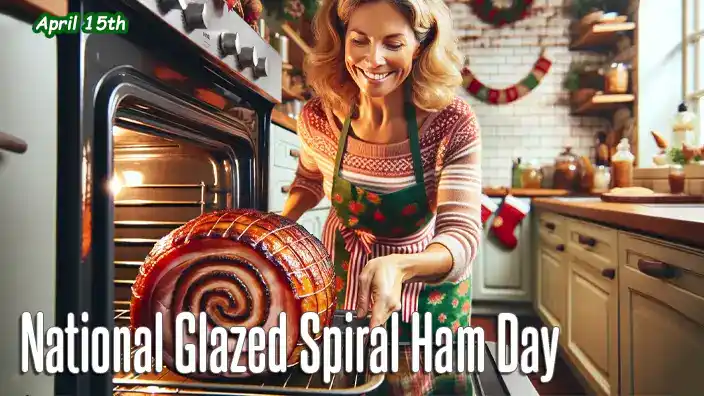
There’s something undeniably magical about a dish that arrives pre-sliced, perfectly glazed, and ready to steal the show with minimal effort. It’s the culinary equivalent of wearing sweatpants to a fancy event and somehow still being the best-dressed person in the room. That sticky-sweet glaze clings like an overenthusiastic hug from a long-lost relative, while the juicy, smoky interior practically demands a standing ovation. And let’s not forget the leftovers—because nothing says “I made a great life choice,” like waking up the next morning to a fridge stocked with ham just waiting to elevate your sandwiches, omelets, or questionable midnight snacking decisions.
Celebrated: Annually, on April 15th
Celebrate National Glazed Spiral Ham Day with the culinary marvel of a spiral ham, versatile and sweetly glazed, perfect for any occasion. Join the festivities and honor this glazed delight!


- Details
The U.S. Air Force Academy is the only place where you can earn a degree in aerospace engineering, log flight hours, and still have time to perfect your golf swing before lunch. Nestled high in the Colorado mountains—because of course the Air Force wanted the high ground—it’s a campus that looks like it was designed by someone who binge-watched Star Trek and said, “Yes, but make it patriotic.” Cadets there learn how to lead, fly, and operate some of the most advanced tech on Earth… all while keeping their uniforms so crisp you could shave with them.
Celebrated: Annually, on April 1st
Celebrate U.S. Air Force Academy Day with facts and history. Honoring cadets who aim high and soar higher—just watch out for low-flying egos.


- Details
Baton twirling is less of a sport and more of a gravity-defying, physics-bending spectacle that leaves audiences questioning whether twirlers have secret deals with the laws of motion. These elite athletes launch batons into the stratosphere, execute quadruple spins like human Beyblades, and still manage to catch their batons with the grace of a seasoned magician—because, let’s be honest, some of these tricks seem like sorcery. And just when you think you've seen it all, someone pulls out a flaming baton because why not add a little fire hazard to the mix? It’s a dazzling combination of athleticism, artistry, and just the right amount of "Did they seriously just do that?!" energy.
Celebrated: Annually, on April 10th
Discover the captivating world of baton twirling, a sport blending artistry and athleticism with dazzling performances and synchronized choreography. Join the celebration of World Baton Twirling Day!

- Details
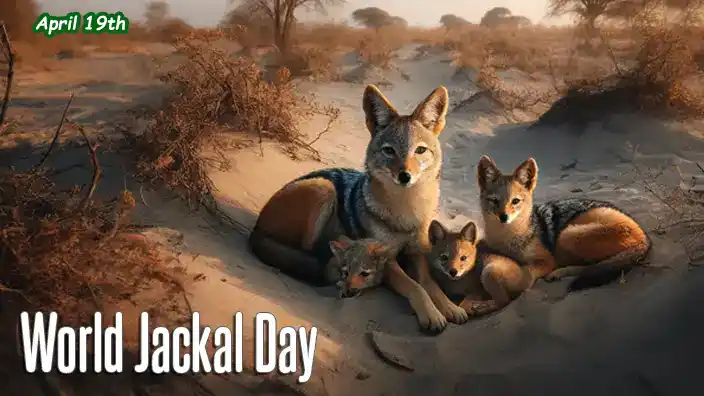
If jackals had a motto, it would probably be something like, “Why work hard when you can outsmart everyone instead?” These clever canines are the ultimate opportunists—part scavenger, part hunter, and 100% mischief-maker. They can outmaneuver larger predators, sneak snacks from unsuspecting animals, and even trick each other out of a meal. Ever seen a jackal steal food from a lion? It’s like watching a raccoon break into a five-star restaurant—bold, brilliant, and slightly ridiculous. With their sly grins, eerie moonlit howls, and uncanny ability to survive just about anywhere, jackals are basically nature’s ultimate hustlers.
Celebrated: Annually, on April 19th
Discover the hero of animal appreciation days: World Jackal Day. Learn about the ecological role of jackals and debunk myths surrounding these clever canids.


- Details
If you’ve ever felt like life doesn’t quite make sense, congratulations—you’re already halfway to understanding quantum physics. World Quantum Day is the perfect time to celebrate a universe where particles ignore common sense, cats refuse to commit to being alive or dead, and scientists casually explain things that sound like they belong in a sci-fi movie. It’s the one day of the year where saying “I have no idea what’s going on” is not only acceptable—it’s practically expected.
Celebrated: Annually, on April 14th
Discover World Quantum Day, the science behind it, and how quantum physics influences technology, reality, and our understanding of the universe.


- Details
There’s nothing quite like the experience of wrapping your arms around a furry best friend—right up until they decide it’s the perfect time to excitedly wiggle, sneeze directly into your face, or dramatically play dead to escape your embrace. Some dogs lean into hugs like they’ve been waiting their whole lives for this moment, while others give you the unmistakable side-eye of someone tolerating an overly affectionate relative at a family reunion. And let’s not forget the unexpected full-face lick, which is either a sign of love or just a strategic attempt to distract you long enough to steal your snack.
Celebrated: Annually, on April 10th
Celebrate National Hug Your Dog Day by embracing the love and joy shared between humans and their furry companions. Learn about the origins and significance of this special day.


- Details
Picture a day where your morning coffee might be replaced with soy sauce, your desk chair might have been swapped with an exercise ball, and your "urgent" meeting turns out to be a rickroll orchestrated by the entire office. It’s the one day where you question everything, trust no one, and yet can’t help but laugh when the prank hits just the right note of cleverness and absurdity. The beauty of it all? For 24 hours, the world becomes a playground where creativity and mischief reign supreme, and you’re either the mastermind or the unwitting star of someone else’s comedic genius.
Celebrated: Annually, on April 1st
Explore the fun-filled history and traditions of April Fools' Day, a global celebration of pranks, jokes, and laughter. Uncover how this day evolved and some of the most famous hoaxes.

- Details
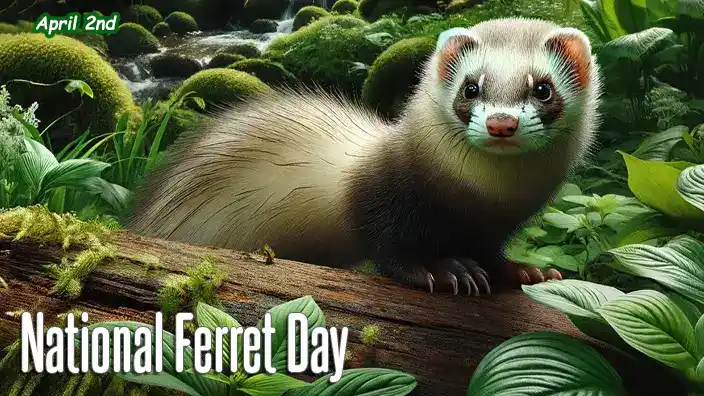
Somewhere in the great kingdom of household pets, there exists a mischievous little creature that lives by one rule: if it fits, it steals. It’s the only animal that can disappear into thin air, reappear under your couch, and somehow make off with your keys, one sock, and a granola bar in the process. Their hobbies include expertly tunneling into places they absolutely should not be, performing chaotic “war dances” that make them look like malfunctioning wind-up toys, and convincing their humans that every stolen item was clearly fair game. Owning one is less like having a pet and more like sharing your home with a tiny, adorable, four-legged bandit who specializes in grand heists and naps.
Celebrated: Annually, on April 2nd
Discover the fascinating world of ferrets, their historical significance, and how they evolved from practical hunters to cherished pets. Celebrate National Ferret Day with us!

- Details
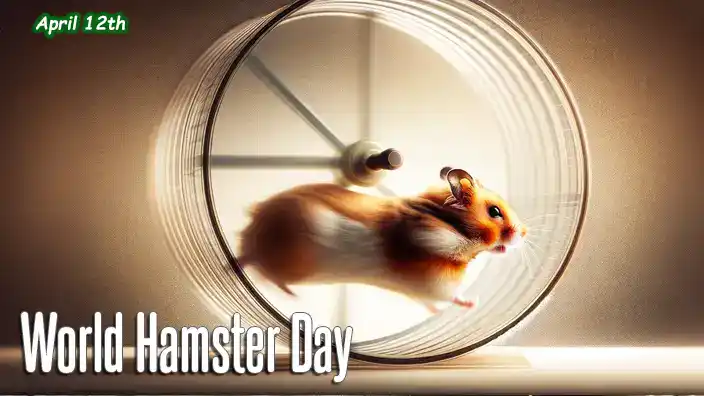
Hamsters are basically tiny, nocturnal masterminds with a talent for mischief and an insatiable love for hoarding. One minute, they’re stuffing their cheeks so full of food it looks like they’re auditioning for a role in a chipmunk biopic, and the next, they’re executing a daring escape from their cage like a fluffy Houdini. They spend their nights running marathons on their squeaky wheels (because why let their humans sleep?), and their days snoozing like they just pulled an all-nighter at a rodent rave. They may be small, but their personalities are larger than life—and let’s be honest, they totally know it.
Celebrated: Annually, on April 12th
World Hamster Day celebrates these furry creatures that have spun their wheels into our hearts. Learn about their history, significance in research, and how to care for them.


- Details
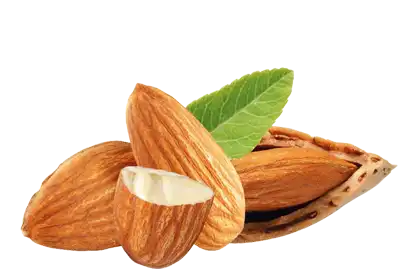
Some holidays honor heroes. Some honor historic achievements. National Chinese Almond Cookie Day honors a cookie. Frankly, after a long week, a cookie might be exactly the hero we need.
Celebrated: Annually, on April 9th
National Chinese Almond Cookie Day celebrates the crisp, buttery cookie beloved in Chinese bakeries around the world

- Details
Only children are basically the CEOs of their own childhoods—running the household with a well-balanced mix of independence, negotiation skills, and a touch of benevolent dictatorship. They’ve never had to fight for the last slice of pizza, never lost control of the remote, and never had to share a bathroom with a sibling who takes 40-minute showers. Their toys were always exactly where they left them, and if something mysteriously broke, there was no one else to blame but "the dog" or "gravity". And while siblings were busy perfecting their wrestling techniques and snitching strategies, only children were holding full-blown TED Talks in the mirror, debating which parent was more likely to say yes to a trip to Disneyland. It’s not that they were spoiled—they just mastered the art of getting what they wanted through sheer persuasive brilliance.
Celebrated: Annually, on April 12th
Celebrate National Only Child Day with pride and peculiarities. Embrace the spotlight of growing up without siblings and the unique family dynamics. Solo journey, not sibling squabbles.

From Our Marks Catelog
-

Brussels sprouts: the tiny green orbs that have been sparking dinner table debates for...
-
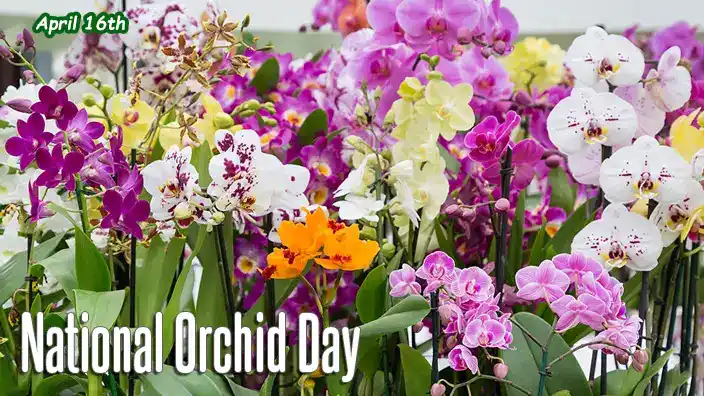
Elegance, mystery, and just the right amount of arrogance—some things demand admiration without lifting...
-
National Cake Day is the one day of the year when it's socially acceptable to have your cake and eat...
-

Forget glow-in-the-dark snack cakes and cheese that comes in a spray can—there’s something wildly...
-
If there were an Olympic event for clumsiness, someone would be rolling down the hill, missing their...
-
Gazpacho Soup Day isn’t just a day to honor cold tomato soup; it’s a day to revel in the absurdity of...

