Wearing Courage Boldly
There are two kinds of bravery in this world. The first is running into a burning building. The second is walking into school wearing bright pink when you know half the room lives on sarcasm and insecurity. Pink Shirt Day celebrates the second kind — the everyday courage of standing up for someone who needs backup.
Pink Shirt Day began in 2007 in Nova Scotia, Canada, when two high school students decided they weren’t going to let a younger boy be bullied for wearing a pink shirt. They bought dozens of pink shirts, handed them out to classmates, and by the end of the day, the school was flooded with solidarity. What started as a small act of decency turned into a global movement.
The lesson was simple and powerful: bullying loses strength when ordinary people refuse to be silent.
What Is Pink Shirt Day?
Pink Shirt Day is an international anti-bullying campaign built on a very straightforward idea: when kindness becomes visible, cruelty becomes uncomfortable.
Observed annually — most notably on the last Wednesday of February in Canada — Pink Shirt Day invites students, teachers, workplaces, and entire communities to wear pink as a public sign of support for those who have been bullied. But it’s not just about clothing. It’s about creating an environment where respect is expected, not optional.
The movement began with a single incident and a simple response: don’t tolerate humiliation, confront it with unity. That response resonated because it didn’t require permission from authority. It required character.
Over time, Pink Shirt Day has grown into a structured campaign that includes:
- School-wide discussions about empathy and accountability
- Anti-bullying policies reinforced with real conversation
- Community events promoting inclusion
- Fundraising efforts to support youth mental health initiatives
- Social media campaigns that extend awareness beyond school walls
It also addresses the reality that bullying isn’t confined to hallways anymore. Digital harassment, social exclusion through messaging apps, and anonymous online targeting are now part of the landscape. Pink Shirt Day recognizes that standing up for someone may mean reporting abuse online, refusing to share harmful content, or simply reaching out privately to someone who seems isolated.
At its core, Pink Shirt Day is about social permission — giving people the confidence to act when they see something wrong. It reminds communities that prevention is far more effective than damage control.

And here’s the refreshing part: the campaign doesn’t rely on outrage. It relies on solidarity. No theatrics. No shouting. Just a visible, collective statement that bullying is beneath us.
Sometimes progress doesn’t come from dramatic gestures. Sometimes it comes from thousands of ordinary people deciding, all at once, that they’re going to be better than the behavior they see.
Why Pink?
Pink wasn’t chosen because it’s soft. It was chosen because it was mocked.
In the original 2007 incident in Nova Scotia, a ninth-grade boy was bullied simply for wearing a pink polo shirt. The color became the excuse. Two older students responded by buying dozens of pink shirts and encouraging others to wear them in solidarity. Overnight, pink stopped being a target and became a statement.
That reversal is the entire point.
For generations, pink has carried cultural baggage. At different times in history, it has been considered strong, masculine, delicate, feminine, fashionable, rebellious — sometimes all at once. The meaning has shifted depending on era and society. Pink Shirt Day leans directly into that shifting symbolism and says: we will not allow a color to be weaponized.
By choosing pink, the movement accomplishes three important things:
- It confronts stereotypes head-on.
- It turns ridicule into unity.
- It makes support highly visible.
There’s also something psychologically smart about it. Pink is bright. It’s noticeable. It doesn’t blend quietly into the background like gray or navy. When a school hallway fills with pink shirts, the message isn’t subtle — it’s unmistakable. You can’t miss solidarity when it’s glowing at you from every locker.
And that visibility matters. Bullying thrives in isolation. Pink Shirt Day makes isolation harder.
On a deeper level, the color represents a broader idea: strength does not require intimidation. Courage doesn’t have to be loud. Sometimes it looks like a group of teenagers deciding they won’t tolerate cruelty anymore — and choosing to show that decision publicly.
So pink isn’t random. It’s intentional. It’s a cultural pivot. It’s proof that something once used to embarrass someone can be reclaimed and turned into a symbol of collective backbone.
Not bad for a color some people still argue about in the paint aisle.
The Real Impact of Bullying
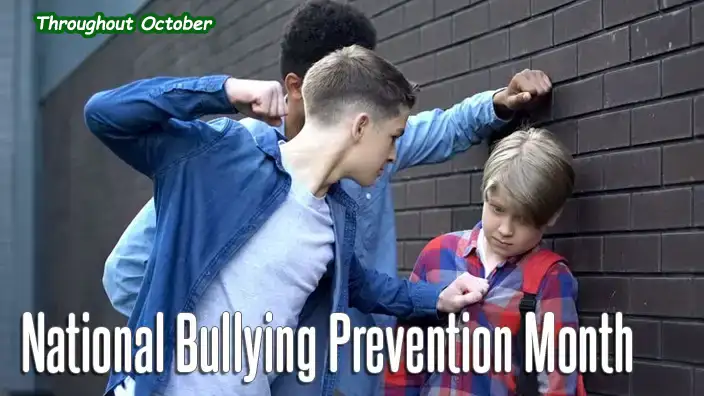
Bullying isn’t just playground teasing. Research consistently shows that sustained bullying can lead to anxiety, depression, academic decline, and long-term emotional scars. In the digital age, cyberbullying adds a 24/7 component that previous generations didn’t have to face.
Pink Shirt Day shines a light on:
- Verbal bullying
- Physical bullying
- Social exclusion
- Online harassment
- Discrimination based on race, gender, disability, or identity
It’s a reminder that strength doesn’t come from intimidation. It comes from character.
How Schools and Communities Participate
Participation can be as simple as wearing pink or as organized as full anti-bullying assemblies, workshops, and community events.
Common activities include:
- Classroom discussions about empathy and respect
- Student-led presentations
- Fundraisers for anti-bullying programs
- Social media awareness campaigns
- Community pledge walls
And yes, there are usually a lot of pink cupcakes. Because if you’re going to fight cruelty, you might as well do it with frosting.
The Bigger Picture
Pink Shirt Day isn’t about one day of coordinated wardrobe choices. It’s about culture. It’s about making it socially unacceptable to humiliate someone for sport. It’s about teaching young people that silence can enable harm — but solidarity can shut it down.
There’s something old-fashioned and admirable about that approach. You see someone getting pushed around? You step in. You don’t film it. You don’t forward it. You don’t “like” it. You stop it.
That mindset worked long before hashtags existed, and it still works now.
Trivia
Before we wrap things up neatly in a pink bow, let’s take a quick look at a few fast facts. These bite-sized bits of information highlight how a simple hallway decision in one Canadian school grew into an international movement. Sometimes the smallest actions carry the longest echo — and the details prove it.
- Pink Shirt Day began in 2007 in Nova Scotia.
- The original act involved buying and distributing pink shirts in solidarity.
- It is observed internationally.
- The campaign focuses on both in-person and cyberbullying.
- Pink was chosen specifically to challenge stereotypes.
Bullying hasn’t vanished. It has evolved. It shows up in comment sections, group chats, locker rooms, and sometimes even boardrooms. Pink Shirt Day reminds us that dignity isn’t negotiable.
You don’t need to give a speech. You don’t need to be perfect. You just need to refuse to join the cruelty.
And sometimes, that refusal starts with something as simple — and surprisingly powerful — as a pink shirt.