Mark The Days - April

April is nature’s reboot—birds start singing, flowers show off, and pollen declares war on sinuses everywhere. It’s the month that says, “Hey, let’s start fresh!” and then dumps rain on your new shoes. April kicks off with April Fool’s Day, just to remind us not to take anything too seriously—including that forecast. One day it's sunny and lovely, the next you're building an ark. But in between the drizzle and sneezes, there's a sense that things are coming back to life—and possibly plotting something. April’s playful, unpredictable, and just a little unhinged. We like that in a month.

- Details
Some sandwiches try to impress you with towering ingredients, exotic sauces, or names that sound like they require a passport. The grilled cheese sandwich does none of that. It simply strolls into the kitchen with bread, butter, and cheese and quietly wins everyone over. On National Grilled Cheese Sandwich Day, this humble hero gets the spotlight it deserves—a crispy, golden, gooey masterpiece that has rescued countless lunches, soothed many rough days, and convinced generations of kids that melted cheese is one of life’s greatest achievements.
Celebrated: Annually, on April 12th
Celebrate National Grilled Cheese Sandwich Day with the history, fun facts, and tasty ways to enjoy America’s favorite crispy, gooey comfort sandwich.


- Details
This is the one day a year when you suddenly realize you’ve been dressing like your best friend, your coworker, or (gasp!) your dog this entire time. It’s a day when doppelgängers roam freely, parents mix up their own children, and somewhere, two strangers in a coffee shop are awkwardly staring at each other, wondering if they were separated at birth. Siblings take it as an opportunity to swap places, bosses panic when they can’t tell who’s who, and celebrities brace themselves for an influx of "Hey, has anyone ever told you that you look just like—" comments. Whether intentional or accidental, one thing is certain—by the end of the day, you’ll either find your twin or be utterly convinced you have a long-lost one somewhere.
Celebrated: Annually, on April 20th
Discover the origins and significance of National Look-Alike Day, a fun holiday celebrating doppelgängers and the joy of spotting look-alikes. Find out more about this amusing day!


- Details
Digging into the medicine cabinet is like playing archaeologist in your own bathroom: you might unearth an ancient tube of ointment or a lotion older than your high school diploma. Who knew expired cough syrup could turn into a DIY science experiment? It's a journey through time where every bottle has a story and every pill has a past expiration date.
Celebrated: Annually, on the Third Friday of April
Join us for this annual event to help build a healthier home and community. Clean Out Your Medicine Cabinet

- Details
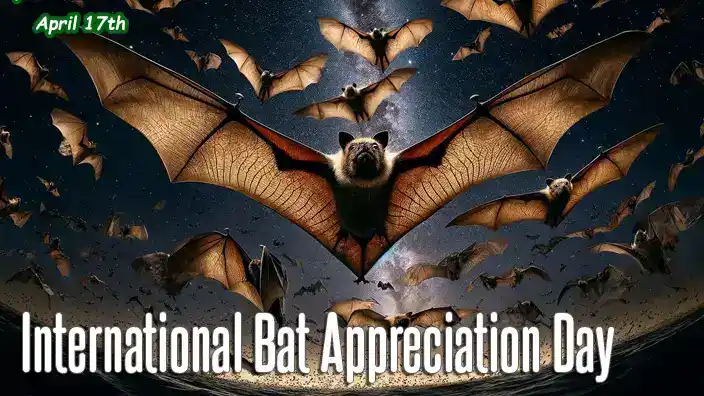
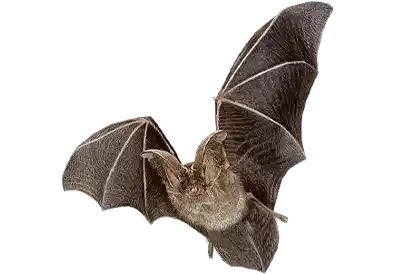
Bats truly deserve the title of "Hero of the Night"—even if their singing sounds more like the chatter at a speed dating event for insects. These nocturnal crusaders navigate the skies with a kind of GPS that makes even the fanciest smartphone look primitive. But don't let their eerie reputation fool you; bats are not interested in tangling with your hair unless you’re a walking fruit basket or a mosquito piñata. Celebrating their role in nature with a bit of humor reminds us that these fascinating creatures are less about horror films and more about helping us by keeping the real pests at bay—like those pesky mosquitoes that love to crash your summer parties. So, let's give a round of applause (or a flap of wings) to bats: the world’s only mammals who think flying backward is just as cool as flying forward.
Celebrated: Annually, on April 17th
Discover the fascinating world of bats on International Bat Appreciation Day, debunking myths and celebrating these essential creatures and their vital roles in ecosystems.
- Details
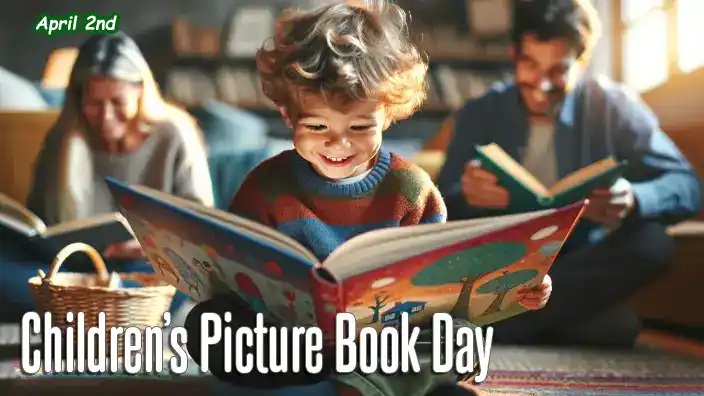
Somewhere between bedtime stalling tactics and the 27th reading of the same story, a tiny human hands you a book with wide, expectant eyes—because obviously, they haven’t memorized every single word yet. These magical little masterpieces somehow manage to fit grand adventures, deep life lessons, and at least one talking animal into 32 pages or less. They have the power to make kids giggle uncontrollably, ask existential questions at inconvenient times, and, most impressively, turn exhausted parents into professional voice actors—because let’s face it, reading The Very Hungry Caterpillar without enthusiasm is practically a crime.
Celebrated: Annually, on April 2nd
Explore the history and significance of Children's Picture Book Day, honoring the enduring power of picture books in igniting imaginations, sparking creativity, and fostering a love of reading.

- Details
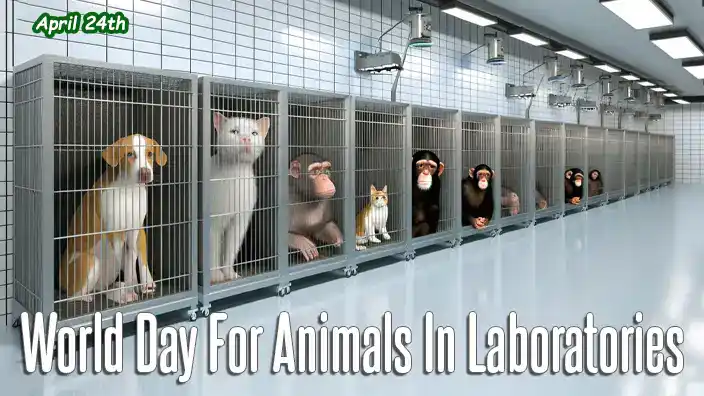
Behind closed laboratory doors, millions of animals endure a life of suffering in the name of scientific progress. They are subjected to painful procedures, toxic exposure, and invasive experiments—often without relief—trapped in a world where their suffering is unseen and unheard. While advancements in medicine and technology have saved countless human lives, the cost to these sentient beings cannot be ignored. Each frightened rabbit, restrained dog, and caged monkey represents a silent plea for compassion, a reminder that the pursuit of knowledge should never come at the expense of kindness. As we strive for progress, we must also strive for ethics—investing in humane, innovative alternatives that protect both human and animal lives. The future of science must be one where compassion and discovery walk hand in hand.
Celebrated: Annually, on April 24th
Explore the ethical debate surrounding animal testing on World Day for Animals in Laboratories, highlighting the need for humane practices and legislative progress.


- Details
Armed with an uncanny ability to locate a single misplaced book in a sea of thousands, an impressive command of the Shush of Silence, and the patience of a saint when dealing with printer-induced meltdowns, these literary wizards keep the world of knowledge running smoothly. They decode cryptic patron requests like “You know, that book with the blue cover?”, bravely tackle the mystery of vanishing pens, and somehow maintain composure when someone asks if the library sells books. Whether dodging rogue book carts or explaining (for the hundredth time) that whispering is still talking, they navigate their daily adventures with a quiet grace that deserves far more appreciation—and maybe a lifetime supply of coffee.
Celebrated: Annually, on April 8th
Discover the unsung heroes of the literary realm — the library workers, valiant warriors battling chaos to safeguard sacred texts on National Library Workers Day.

- Details
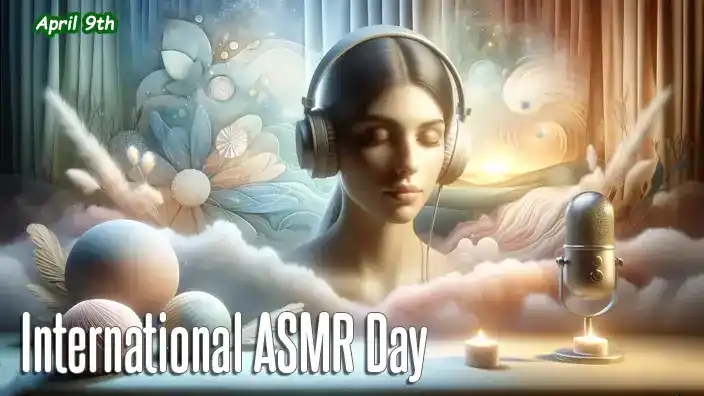
Imagine a world where the sound of a pickle crunching or someone whispering about medieval pottery can send shivers down your spine—in a good way. It’s like your brain has a VIP pass to a spa day, but instead of cucumbers on your eyes, you get soft tapping, gentle crinkling, and the occasional roleplay of a medieval scribe documenting your grocery list. Some people find it mesmerizing, and others feel like they’re being serenaded by a librarian with a secret passion for bubble wrap. Whatever the case, it's proof that the internet will always find a way to turn the strangest things into a global phenomenon.
Celebrated: Annually, on April 9th
Discover the soothing world of ASMR and its celebration on International ASMR Day, April 9th. Explore the tingling sensation triggered by auditory and visual stimuli, offering relaxation and comfort.

- Details
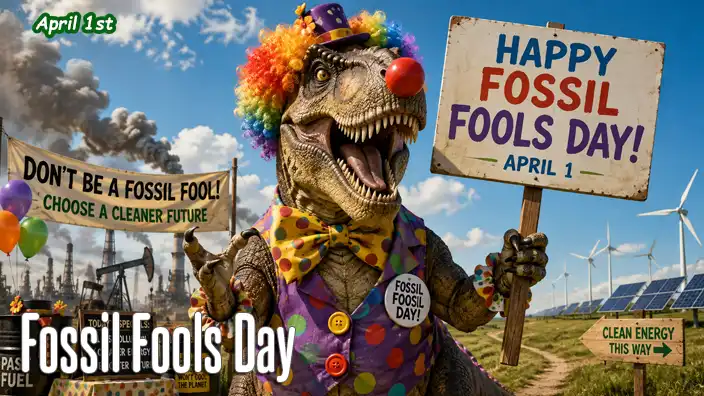
Fossil Fools Day arrives every April 1 with a joke built right into the name, but don't expect Mother Nature to yell, “April Fools!” and make the whole problem disappear at midnight. It is a day for poking fun at our long-running love affair with coal, oil and gas while asking some decidedly serious questions about what should power the future. Bring your sense of humor, leave the dinosaur jokes at the gas pump, and prepare to discover why energy is considerably more complicated than simply plugging everything into a solar panel.
Celebrated: Annually, on April 1st
Fossil Fools Day on April 1 uses humor and environmental awareness to highlight fossil fuels, pollution and the transition to cleaner energy
- Details
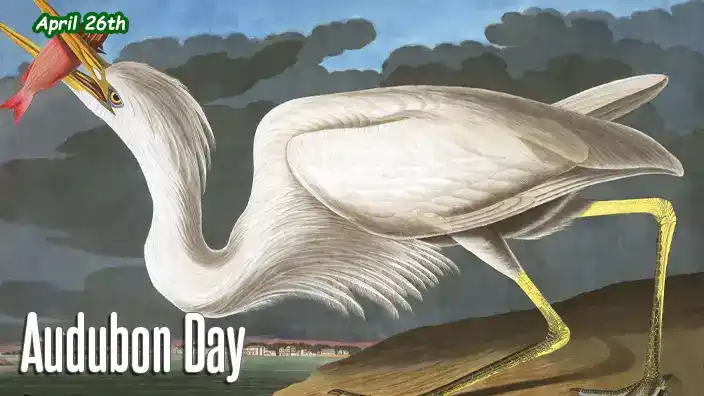
Imagine a group of people standing in a park, binoculars pressed to their faces, whispering excitedly about a tiny bird that just blinked in their direction—welcome to the grand festivities of Audubon Day! It’s the one day of the year when it’s socially acceptable to completely ignore human conversation in favor of identifying whether that speck in the sky is a red-tailed hawk or just a very ambitious pigeon. Bird lovers gather in quiet reverence, competing to see who can spot the rarest feathered celebrity while pretending they didn’t just mistake a squirrel for an owl. And let’s not forget the grand tradition of attempting to mimic bird calls—nothing says "I love nature" like accidentally summoning an aggressive goose with your questionable whistling skills.
Celebrated: Annually, on April 26th
A comprehensive guide to the annual celebration of Audubon Day. Explore the life of John James Audubon, the event's activities, and the importance of bird conservation.


- Details
There are two kinds of mornings in life: the ones where you wrestle with buttons, belts, and decisions… and the ones where you look down, shrug, and say, “Good enough.” Wear Your Pajamas to Work Day proudly celebrates the second kind. It’s the one day a year when showing up looking like you just escaped your own bedroom isn’t just acceptable—it’s encouraged. Productivity may or may not increase, but comfort absolutely does, and let’s be honest… nobody ever had a bad idea while wearing flannel and slippers.
Celebrated: Annually, on April 16th
Discover Wear Your Pajamas to Work Day, a fun workplace holiday promoting comfort and morale


- Details
You haven’t truly lived until you’ve walked straight into a lamppost while admiring a cloud shaped like a cat riding a unicycle. Looking up at the sky is nature’s way of saying, “Hey, quit doom-scrolling and remember there’s a whole universe above your head doing cartwheels with stars, birds, and occasionally an aggressively curious squirrel in a tree.” It’s the only show that runs 24/7, costs nothing, and occasionally features surprise guest appearances by UFOs—or as your uncle insists, “just government weather balloons.”
Celebrated: Annually, on April 14th
Explore the captivating history and science behind the sky. From ancient stargazers to modern-day sky watching, learn why looking up is a timeless celebration.

- Details
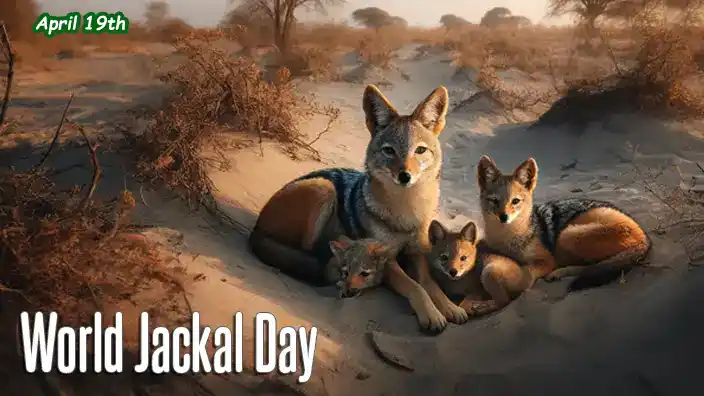
If jackals had a motto, it would probably be something like, “Why work hard when you can outsmart everyone instead?” These clever canines are the ultimate opportunists—part scavenger, part hunter, and 100% mischief-maker. They can outmaneuver larger predators, sneak snacks from unsuspecting animals, and even trick each other out of a meal. Ever seen a jackal steal food from a lion? It’s like watching a raccoon break into a five-star restaurant—bold, brilliant, and slightly ridiculous. With their sly grins, eerie moonlit howls, and uncanny ability to survive just about anywhere, jackals are basically nature’s ultimate hustlers.
Celebrated: Annually, on April 19th
Discover the hero of animal appreciation days: World Jackal Day. Learn about the ecological role of jackals and debunk myths surrounding these clever canids.


- Details
The U.S. Air Force Academy is the only place where you can earn a degree in aerospace engineering, log flight hours, and still have time to perfect your golf swing before lunch. Nestled high in the Colorado mountains—because of course the Air Force wanted the high ground—it’s a campus that looks like it was designed by someone who binge-watched Star Trek and said, “Yes, but make it patriotic.” Cadets there learn how to lead, fly, and operate some of the most advanced tech on Earth… all while keeping their uniforms so crisp you could shave with them.
Celebrated: Annually, on April 1st
Celebrate U.S. Air Force Academy Day with facts and history. Honoring cadets who aim high and soar higher—just watch out for low-flying egos.


- Details
National Shrimp Scampi Day is the one day a year when we all collectively agree that drowning shrimp in garlic, butter, and wine is a completely acceptable life choice. It’s a day where calorie counting takes a backseat, and forks become tiny shovels, scooping up every last buttery noodle. Shrimp scampi is fancy enough to impress a date but easy enough to make while wearing pajama pants, which is precisely why it holds a special place in our hearts (and stomachs). So on April 29th, let’s raise a fork to the only seafood dish that sounds like it was named after an old-timey magician—Shrimpius Scampini!
Celebrated: Annually, on April 29th
Celebrate National Shrimp Scampi Day with fun, laughter, and delicious food. Explore the hilarity of cooking mishaps, learn about shrimp, and dig into the joy of this unique holiday.


- Details
There’s a moment in life when words just won’t cut it—when stubbing your toe, spotting a spider the size of a dinner plate, or watching your phone plummet toward the pavement demands something far more primal. That’s when the glorious, full-throttle, unfiltered scream comes in. Whether it’s an ear-splitting shriek of terror, an over-the-top horror movie wail, or just the kind of high-pitched yelp that makes dogs in the next county tilt their heads in confusion, screaming is humanity’s built-in alarm system. It’s loud, it’s dramatic, and let’s be honest—sometimes it’s just plain fun.
Celebrated: Annually, on April 24th
Discover the thrill of Scream Day, an unconventional holiday dedicated to the art of screaming, celebrating all things scary, and unleashing your inner thrill-seeker.


- Details
Some people trust their eyes. Others trust their gut. But the real professionals? They trust their nose. One quick sniff and suddenly you know if dinner’s perfect, the milk’s gone rogue, or the car is about to cost you more than you’d like to admit. National Sense of Smell Day is your reminder that while it may not get top billing, your nose has been quietly solving problems, saving meals, and occasionally ruining appetites for years—without ever asking for a raise.
Celebrated: Annually, on the Last Saturday in April
Learn about National Sense of Smell Day, how smell works, why it matters, and fun facts about one of our most powerful and overlooked senses

- Details
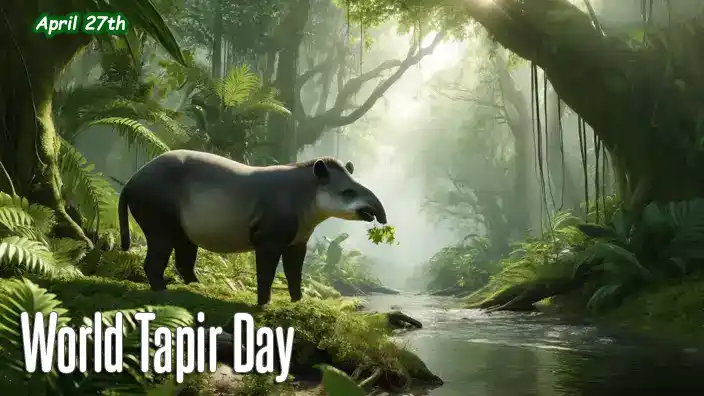
In a world where animals compete for the title of “most majestic,” one creature confidently waddles in, completely unbothered by the competition. With a snout that looks like it can’t decide if it wants to be an elephant’s trunk or a vacuum hose, stubby legs that somehow manage to carry its hefty frame with surprising grace, and a face that always seems mildly confused, this peculiar beast is living proof that nature has a sense of humor. Whether it’s snuffling through the jungle like an overgrown anteater or casually swimming with the elegance of a chubby mermaid, it’s hard not to admire an animal that embraces being delightfully different.
Celebrated: Annually, on April 27th
Discover the importance of World Tapir Day, a celebration of the underappreciated tapir, its ecological role, and the conservation efforts to protect it.

From Our Marks Catelog
-

Brussels sprouts: the tiny green orbs that have been sparking dinner table debates for...
-
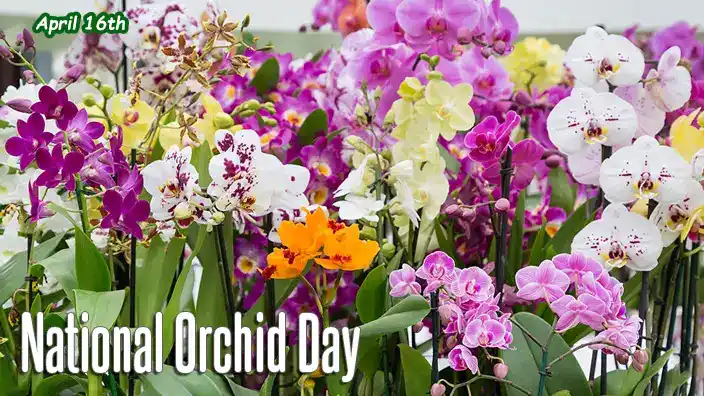
Elegance, mystery, and just the right amount of arrogance—some things demand admiration without lifting...
-
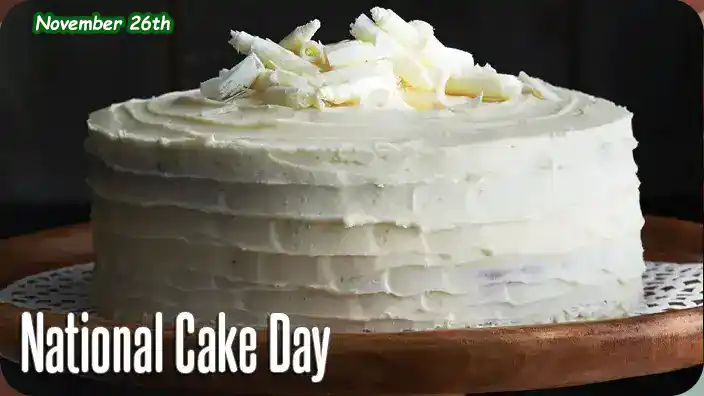
National Cake Day is the one day of the year when it's socially acceptable to have your cake and eat...
-

Forget glow-in-the-dark snack cakes and cheese that comes in a spray can—there’s something wildly...
-
If there were an Olympic event for clumsiness, someone would be rolling down the hill, missing their...
-
Gazpacho Soup Day isn’t just a day to honor cold tomato soup; it’s a day to revel in the absurdity of...

