Mark The Days - February

February may be short, but it sure knows how to stir things up. It packs in romance, groundhogs, presidents, and more weather drama than a tornado in a teacup. Valentine’s Day pops up in the middle like a glitter-covered emotional pop quiz, while the rest of the month toggles between “do I need a parka or just a sweater?” It’s the calendar’s wildcard—only 28 days long (unless it’s feeling frisky), but fully capable of delivering snowstorms, awkward dinner dates, and random holidays involving umbrellas, chili, or lost socks. Small? Yes. Boring? Never.

- Details
The Arabian leopard may not host wildlife documentaries as often as lions with dramatic manes or tigers with blockbuster reputations, but this rare feline remains one of nature’s most impressive underdogs—or perhaps undercats. Agile, elusive, and perfectly adapted to some of the harshest landscapes on Earth, the Arabian leopard proves that true greatness doesn’t require constant publicity. International Day of the Arabian Leopard celebrates this critically endangered predator while reminding humanity that preserving extraordinary wildlife is far more noble than simply admiring cats on the internet, though admittedly, both have their appeal.
Celebrated: Annually, on February 10th
Learn about the Arabian leopard, its endangered status, conservation efforts, and the global importance of International Day of the Arabian Leopard


- Details
World Cancer Day, observed annually on February 4th, is a solemn reminder of the global impact of cancer, a disease that knows no borders or boundaries. It's a day dedicated to raising awareness, promoting research, and encouraging preventive measures to combat this devastating illness. On this day, we remember those affected by cancer and recommit ourselves to advancing treatments, supporting patients, and fostering hope in the ongoing fight against one of humanity's most persistent health challenges. World Cancer Day represents a collective call to action, uniting individuals, communities, and nations in the pursuit of a cancer-free world.
Celebrated: Annually, on February 4th
Observe World Cancer Day by learning about its significance, themes, and the global effort to combat cancer. Join the fight for a healthier future.


- Details
Greeting cards are the only socially acceptable way to say, “I care about you, but only enough to let someone else write my feelings for me.” They range from deeply sentimental to wildly confusing—like the ones that try to be funny but leave you wondering if you’ve just been insulted. Then there’s the universal struggle of finding a card that actually fits the occasion. Need a birthday card? Sure, but it’s either way too serious or so full of glitter you’ll be finding specks of it until your next birthday. And let’s not forget the classic panic move: signing your name so awkwardly that it looks like you forgot how pens work. But no matter what, opening a card and seeing actual handwriting (instead of a text message full of emojis) always feels a little bit special—unless it’s from “Aunt Patty & Uncle Jim,” and you still have no idea who they are.
Celebrated: Annually, on February 21st
Explore the rich history of greeting cards and the joy of rediscovering heartfelt messages on Card Reading Day, a day dedicated to nostalgia and connection.


- Details
Imagine a world where lattes are the currency. Suddenly, coffee shops become banks, baristas are the new financial advisors, and your latte art skills? Let's say they could make or break your credit score. In this caffeinated economy, a beautifully crafted swan on your foam could mean a loan approval, while a blobby heart might sink your chances of buying that dream house. So next time you're sipping on that frothy blend of espresso and milk, remember: in an alternate universe, you might just be drinking your savings account!
Celebrated: Annually, on February 11th
Celebrate National Latte Day with a frothy fusion of fun and flavor, exploring the cultural impact of this beloved coffee icon. Raise your mugs and toast to the artistry of baristas and the modern café culture.


- Details
This dessert has played hide and seek with actual plums since the 17th century. This culinary enigma, traditionally served aflame to the shock and awe of dinner guests, is like the eccentric uncle of the dessert world—showing up once a year with stories that are a mix of fascinating and slightly bewildering. Why does it catch fire? To light up the room with its dramatic exit from the holiday season, of course. And let's not forget, it's the only cake that asks to be drenched in brandy and set on fire before anyone considers it done. If that’s not living on the edge in the dessert realm, what is? So here’s to plum pudding, the only dessert that combines the thrill of a magic show with the satisfaction of a sweet treat, all while pretending plums were involved in its making.
Celebrated: Annually, on February 12th
Learn about the February Pudding Coup and why plum pudding decided to claim February 12th as its own day. Celebrate with a dessert that unites the holidays!

- Details
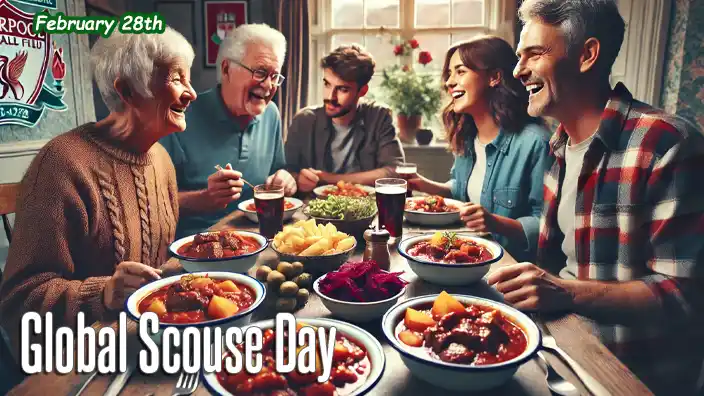
Scouse isn’t just a meal—it’s a rite of passage. If you’ve never had a steaming bowl of this thick, hearty stew, are you even living? Some say the secret ingredient is love; others argue it’s a dash of leftover skepticism from your nan about whether you’re eating enough. One thing’s for sure: if you leave the table still hungry, you’re either incredibly stubborn or you’ve just insulted generations of Liverpool’s finest cooks. And let’s not forget the unspoken rule—no two Scouse recipes are the same, and every Scouser’s nan makes the best version. Argue otherwise at your own risk!
Celebrated: Annually, on February 28th
Explore the flavors of Liverpool with Scouse! Find out how to celebrate Global Scouse Day, from recipes to local dining experiences.

- Details
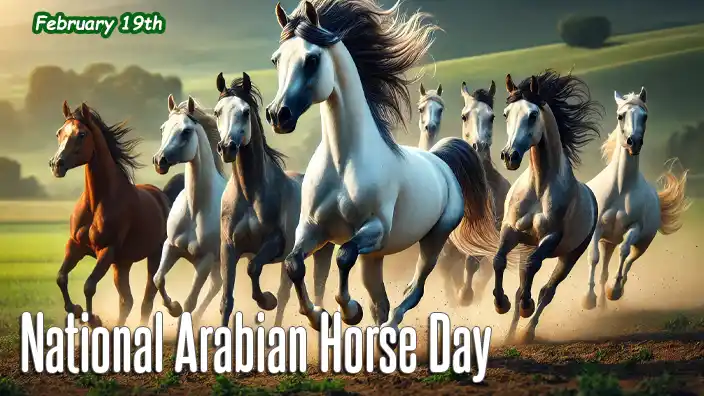
Graceful, intelligent, and just the right amount of dramatic, some creatures were simply born to be admired—and they know it. With a swish of the tail and a toss of the mane, this four-legged aristocrat can go from regal elegance to playful mischief in a heartbeat. One moment, it’s prancing with the poise of a royal steed, the next, it’s expertly untying the lead rope and making a grand escape just to prove it can. Add in a flair for expressing opinions (mostly through exaggerated head tosses and judgmental stares), and you’ve got an animal that isn’t just a horse—it’s an experience.
Celebrated: Annually, on February 19th
Explore the elegance and spirited nature of Arabian horses. Learn how to celebrate National Arabian Horse Day with fun activities and fascinating facts.


- Details
There are very few vehicles where the official safety advice includes "hold onto your hat and maybe your dignity," but here we are. One minute, you're peacefully floating along, taking in the scenic wetlands, and the next, you're clinging to your seat as a fan the size of a helicopter rotor launches you across the water like a swamp rocket. Conversations? Forget it—between the roar of the engine and the wind aggressively restyling your hair, the only communication happening is a series of wide-eyed expressions that translate to "Did we just almost hit that gator?" and "Why didn’t I wear tighter sunglasses?"
Celebrated: Annually, on February 19th
Join the adventure on National Airboat Day! Learn about airboat history, celebrate with exciting tours, and uncover fun facts about these powerful machines.

- Details
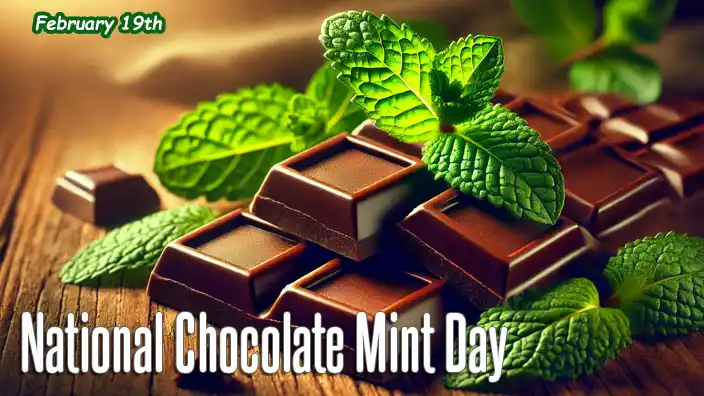
There’s something truly magical about a flavor that manages to make your breath fresher while simultaneously ruining your diet. One moment, you’re patting yourself on the back for making a responsible dessert choice—after all, mint is basically a leafy green, right? The next, you’ve inhaled an entire sleeve of Thin Mints, rationalizing that they don’t count if eaten standing up. And let’s not even talk about mint chocolate chip ice cream—it’s like toothpaste’s fun, rebellious cousin who never quite made it to dental school but still makes you feel oddly refreshed after devouring an entire bowl.
Celebrated: Annually, on February 19th
Celebrate National Chocolate Mint Day on February 19th! Explore the delightful pairing of chocolate and mint through recipes, history, and fun facts.


- Details
Tortellini is the pasta that decided being flat was too mainstream and took a turn towards the whimsical. Imagine, if you will, a pasta so confident in its uniqueness that it decided to stuff itself with all the good things in life—cheese, meats, and sometimes even a rogue spinach leaf for those pretending to be healthy. It's like the pasta world's answer to a treasure chest, and only instead of gold and jewels, it's bursting with ricotta and herbs. Let's be honest: if pasta shapes were people, tortellini would be the life of the party, showing up fashionably late, slightly tipsy, and ready to spill all its delicious secrets. In a world full of straight-laced spaghetti and serious penne, tortellini dares to twist, turn, and tango right into our hearts (and stomachs).
Celebrated: Annually, on February 13th
Discover the legend of tortellini, inspired by the goddess Venus's navel. A tale of beauty, pasta, and divine inspiration wrapped in mystery and marinara. Explore the delicious world of this quirky pasta on National Tortellini Day!


- Details
In 1849, thousands of men ran west in search of gold. In 1853, one man showed up and said, “Gentlemen, before you get rich, you’re going to need sturdier pants.” History suggests he was the smartest man in the room.
Celebrated: Annually, on February 26th
Explore the history of Levi Strauss, the 1873 denim patent, and how Gold Rush workwear turned into a global icon.


- Details
For a holiday meant to honor the highest office in the land, Presidents' Day has somehow become the Super Bowl of mattress sales. Once a tribute to George Washington’s birthday, it’s now the day we celebrate democracy by deeply discounting appliances, cars, and recliners. Somewhere, Washington and Lincoln are probably scratching their heads, wondering how their legacies got tangled up with “Buy One, Get One Free” deals. But hey, if honoring the leaders of our nation means getting 50% off a sectional sofa, who are we to argue?
Celebrated: Annually, on the Third Monday of February
Discover the origins and traditions of Presidents Day, a holiday honoring U.S. Presidents, complete with trivia, sales, and ways to celebrate in style.


- Details
If you’ve ever promised to “start eating better on Monday” while holding a forkful of something fried, this day is for you. Let’s All Eat Right Day isn’t about surviving on lettuce or swearing off dessert forever—it’s about remembering that your body is not a landfill with legs. It’s a friendly nudge to swap chaos for balance, choose real food more often, and admit that maybe, just maybe, vegetables deserve a regular seat at the table.
Celebrated: Annually, on February 25th
Discover the history and purpose of Let’s All Eat Right Day, plus practical tips and lighthearted insights on building healthier eating habits.


- Details
Imagine stepping into a library, a place where silence is so revered that you can hear a bookmark drop. It's the only place where "sssh!" is a term of endearment and where you can go on a world tour without moving an inch, except to reach for another book. Libraries are magical realms where you can judge books by their covers, then read them to find out how wrong you were. They're where Wi-Fi is free, but the real connection is between you and an old book that smells like history's attic. Remember, in a library, you're never alone, even if you wish you were when someone decides the quiet study area is the perfect place to practice their chip-eating skills. Libraries: where adventures are on loan, and the only thing overdue is your discovery of how funny librarians are when you finally return that book from 1997.
Celebrated: Annually, on February 14th
Discover the origins of National Library Lover’s Day, nestled within the broader celebration of Library Lovers Month in February.


- Details
Waking up to the chirping of birds and the soft golden rays of the sun is great, but have you ever started your day with a bowl of ice cream? It's like giving your taste buds a first-class ticket to Flavorville, with a layover in Delighttown! Imagine the shock on your cereal's face as you reach past it for the mint chocolate chip. Breakfast just turned into a creamy, dreamy escapade, where the most challenging decision is whether to top your scoop with sprinkles or more scoops. Who needs coffee to wake up when you've got a spoonful of frozen happiness? Ice cream for breakfast isn't just a meal; it's a rebellion against the mundane, one delicious scoop at a time!
Celebrated: Annually, on the First Saturday of February
Celebrate Ice Cream for Breakfast Day on the first Saturday in February! Discover its whimsical origins, fun ways to indulge, and the joy of breaking breakfast norms.


- Details
National Trading Card Day is the one time of year when grown adults proudly admit they own binders full of cardboard and consider it a perfectly normal life choice. It’s a day for reliving schoolyard trades, debating whether that slightly bent rookie card still counts as “near mint,” and opening fresh packs with the same suspense usually reserved for lottery tickets. Because deep down, every collector believes the next pack holds glory, riches, or at least someone worth trading to their buddy for a snack.
Celebrated: Annually, on February 24th
Celebrate National Trading Card Day with a look at the hobby’s history, rare finds, and the timeless thrill of opening a fresh pack.


- Details
Chopsticks: the ultimate test of human dexterity, the arch-nemesis of slippery peas, and the humble hero of the culinary world. These two slender sticks have turned eating into an art form, where one wrong move can turn a graceful sushi grab into a splashy soy sauce disaster. Invented thousands of years ago, they were clearly designed by someone who thought, "Sure, we could use simple forks, but where's the challenge in that?" Whether you're navigating a treacherous journey through a bowl of noodles or engaging in a tactical battle with a dumpling, using chopsticks is like participating in a mini Olympic event at every meal. And for those who've mastered the skill, remember, with great power comes great responsibility – and the occasional dropped meatball.
Celebrated: Annually, on February 6th
Celebrate National Chopsticks Day with fun facts, history, and tips on mastering this ancient utensil. Join the global festivities and eco-friendly movement.

- Details
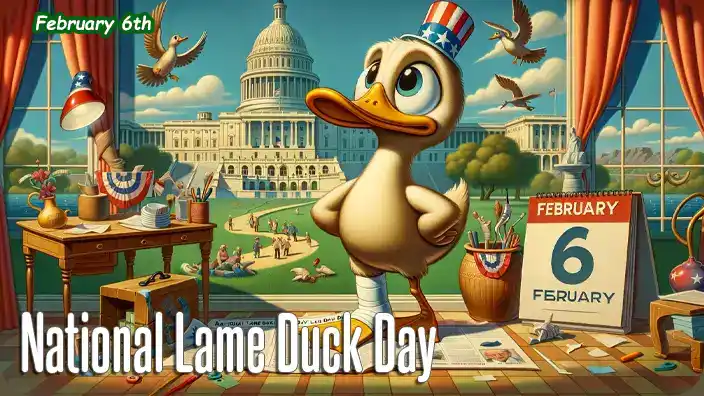
In the world of politics, the "Lame Duck" is less about feathers and quacks, and more about the awkward waddle of an outgoing politician. Picture this: a lawmaker, having lost the race or reached the term limit, still hanging around the corridors of power. It's like that one party guest who doesn't realize the party ended hours ago. They wander the halls, passing laws with the enthusiasm of someone who knows they've got nothing left to lose - because, well, they already lost. They're the political equivalent of someone doing karaoke with no fear of judgment - belting out policies in a finale that’s part swan song, part rubber chicken dance. In short, a lame duck's final days can be as unpredictable as a game of Duck, Duck, Goose played in Congress.
Celebrated: Annually, on February 6th
Celebrate National Lame Duck Day on February 6! Dive into the history, humor, and unique celebrations of this day honoring outgoing politicians.

From Our Marks Catelog
-

Peace for one hour? That’s like baking a cake and only eating the crumbs! If we can manage to...
-

There was a time when wearing pink to school might earn you a raised eyebrow, a snicker, or a...
-

Picture this: you're rummaging through a drawer, looking for a pen, but instead, you find a flip...
-

There’s nothing light about Good Friday—after all, it commemorates the darkest day in Christian...
-

Mental health is not just a personal matter—it's a global issue that affects millions of lives...
-

Having a hole in your bucket is nature’s way of saying, “You tried.” It’s the DIY version of a practical...

