
Honoring Resilience
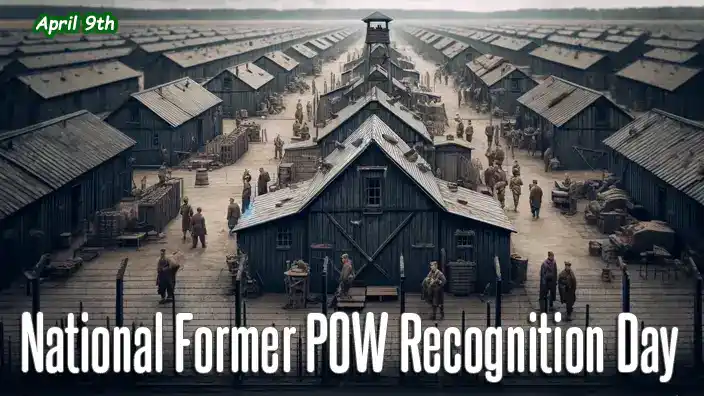
Each year on April 9th, the United States observes National Former Prisoner of War Recognition Day, a solemn yet profoundly significant occasion dedicated to honoring the courage and sacrifices of those who have endured captivity in wartime. Established by an act of Congress and proclaimed by President Ronald Reagan in 1987, this day coincides with the anniversary of the United States' entry into World War I and serves as a reminder of the enduring spirit and resilience of former prisoners of war (POWs).
A Day of Reflection and Respect
National Former Prisoner of War Recognition Day is not just about remembering the past; it's about connecting with the courage and perseverance that define the human spirit. Across the nation, military installations, veterans' groups, and community organizations hold ceremonies and events designed to honor these brave individuals who faced unimaginable hardships but returned home to continue their lives, albeit often forever changed.
Beyond official ceremonies, this day offers an opportunity for individuals to engage in personal acts of remembrance and appreciation. Some visit war memorials or cemeteries to pay their respects, while others take time to listen to or read firsthand accounts of former POWs. Schools and universities may host discussions on the experiences of POWs, fostering a deeper understanding of their sacrifices among younger generations.
Families of former POWs often play a vital role in keeping their legacies alive, sharing stories of resilience, survival, and the challenges faced upon returning home. Many former POWs struggled with lasting physical and psychological scars, and recognizing their sacrifices also means advocating for continued support for their healthcare and well-being.
Additionally, the day serves as a poignant reminder of the importance of humanitarian treatment of prisoners of war worldwide. It reinforces the need to uphold international laws and agreements, such as the Geneva Conventions, which establish the rights and protections of POWs during armed conflicts.
Ultimately, National Former Prisoner of War Recognition Day is a time for deep gratitude, education, and advocacy. By acknowledging the suffering and sacrifices of POWs, we ensure that their stories are preserved and that future generations understand the immense price of freedom. It is a day to not only honor the past but also to reaffirm our national commitment to supporting and respecting those who have given so much in the line of duty.
The Historical Context
The observance of National Former Prisoner of War Recognition Day is rooted in a profound historical narrative that spans multiple conflicts and generations. Instituted on April 9th, coinciding with the anniversary of the United States' entry into World War I in 1917, this day serves as a powerful reminder of the sacrifices made by soldiers who endured captivity under enemy forces.
Throughout history, American soldiers have been captured and held as prisoners of war in various conflicts, each scenario bringing its own harsh realities and challenges. During World War II, tens of thousands of American troops were captured in the European and Pacific theaters, enduring brutal conditions in POW camps where malnutrition, forced labor, and abuse were commonplace. The infamous Bataan Death March of 1942, where thousands of American and Filipino prisoners were forced to march 65 miles under severe abuse, highlights the extreme suffering endured by POWs.
The Korean War and Vietnam War further added to the legacy of American POWs. The Korean War saw numerous American soldiers captured and subjected to harsh winters, starvation, and indoctrination attempts in remote POW camps. The experiences of Vietnam War POWs are perhaps most etched in public memory, with figures like Senator John McCain emerging as emblematic of the resilience and pain of American POWs. Held for years under appalling conditions, these prisoners often faced severe torture but created intricate communication networks to maintain morale and unity.

In more recent conflicts, such as in Iraq and Afghanistan, the dynamics of warfare and captivity have evolved, but the core challenges of isolation, uncertainty, and the fight for survival remain unchanged. Each POW's story is a testament to human resilience in the face of overwhelming adversity.
By marking National Former Prisoner of War Recognition Day, we not only commemorate these historical events but also honor the enduring spirit of all those who have survived captivity. This day challenges us to remember the past and to ensure that the bravery and sacrifices of these individuals are not forgotten in the public consciousness. It is a call to reflect on the broader implications of war and the personal costs paid by those who serve.
Celebrations and Commemorations
On National Former Prisoner of War Recognition Day, the American flag is flown at many public and private facilities, serving as a symbol of national gratitude and remembrance. Special events typically include wreath-laying ceremonies at memorials and monuments dedicated to former POWs, speeches by military and civic leaders, and educational programs that help younger generations understand the sacrifices involved in preserving freedom.
The heart of this day lies in the personal stories of the POWs themselves. These narratives are not only about the suffering endured but also about the incredible acts of heroism and solidarity among prisoners. These stories often highlight ingenious methods of communication and resistance against captors, underscoring the indomitable will and ingenuity of those held captive.
Recognizing National Former Prisoner of War Recognition Day is crucial not only for honoring past sacrifices but also for acknowledging the ongoing needs of veterans today. Many former POWs continue to face unique health and psychological challenges long after their return. By commemorating this day, society reaffirms its commitment to supporting these valiant individuals throughout their lives.
As we observe National Former Prisoner of War Recognition Day, let us renew our commitment to upholding the values of resilience and sacrifice that this day embodies. Whether through participation in commemorative events, educating oneself and others about the history of POWs, or supporting veteran-focused charities, there are numerous ways to show appreciation and respect for these extraordinary men and women.
National Former Prisoner of War Recognition Day is a time for reflection, gratitude, and above all, respect for those who have given so much in the service of their country. It's a day to remember that the costs of freedom are indeed steep and that the stories of those who pay those costs must never be forgotten.