Mark The Days - April

April is nature’s reboot—birds start singing, flowers show off, and pollen declares war on sinuses everywhere. It’s the month that says, “Hey, let’s start fresh!” and then dumps rain on your new shoes. April kicks off with April Fool’s Day, just to remind us not to take anything too seriously—including that forecast. One day it's sunny and lovely, the next you're building an ark. But in between the drizzle and sneezes, there's a sense that things are coming back to life—and possibly plotting something. April’s playful, unpredictable, and just a little unhinged. We like that in a month.

- Details
The U.S. Air Force Academy is the only place where you can earn a degree in aerospace engineering, log flight hours, and still have time to perfect your golf swing before lunch. Nestled high in the Colorado mountains—because of course the Air Force wanted the high ground—it’s a campus that looks like it was designed by someone who binge-watched Star Trek and said, “Yes, but make it patriotic.” Cadets there learn how to lead, fly, and operate some of the most advanced tech on Earth… all while keeping their uniforms so crisp you could shave with them.
Celebrated: Annually, on April 1st
Celebrate U.S. Air Force Academy Day with facts and history. Honoring cadets who aim high and soar higher—just watch out for low-flying egos.

- Details
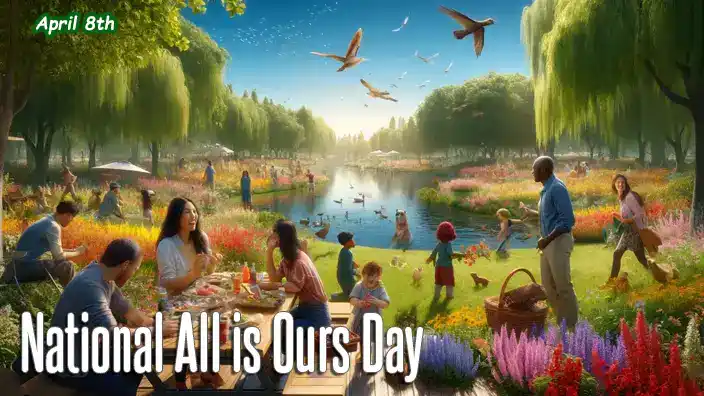
Imagine waking up on National All is Ours Day and realizing, for just one glorious moment, that everything truly belongs to you—or at least, that’s the spirit of the holiday. You step outside, point at the sun, and declare, “Mine!” The squirrels pause, unimpressed. You casually claim the neighborhood coffee shop, the internet, and that one really nice sports car parked down the street. But just as you’re about to plant a flag in your neighbor’s front yard, reality sets in. Maybe the true beauty of the day isn’t in claiming everything for yourself, but in laughing at the absurdity of it all—and sharing in the fact that, collectively, we already have everything we need. (Except maybe that last slice of pizza… which, let’s be honest, should be yours.)
Celebrated: Annually, on April 8th
Discover the joy of collective ownership on National All is Ours Day. Celebrate the beauty of nature, cultural diversity, and shared responsibility on April 8th.

- Details
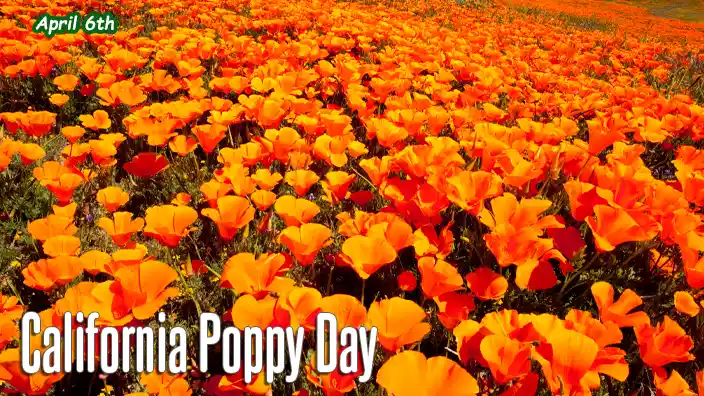
The California poppy is the kind of flower that shows up overdressed to a picnic and somehow still makes everyone else feel underdressed. With petals so bright they look like they were colored in by a kid who found the “maximum sunshine” crayon, this bloom doesn’t just grow—it glows. It pops up uninvited, refuses to be watered, and still looks fabulous. Basically, it’s the diva of the wildflower world: low maintenance, always photogenic, and completely immune to drama.
Celebrated: Annually, on April 6th
Learn about the California Poppy, the state's floral emblem since 1903. This resilient flower is a symbol of natural beauty and ecological importance.

- Details
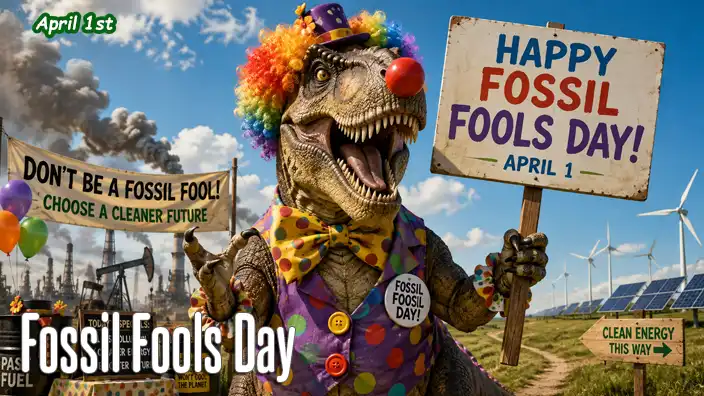
Fossil Fools Day arrives every April 1 with a joke built right into the name, but don't expect Mother Nature to yell, “April Fools!” and make the whole problem disappear at midnight. It is a day for poking fun at our long-running love affair with coal, oil and gas while asking some decidedly serious questions about what should power the future. Bring your sense of humor, leave the dinosaur jokes at the gas pump, and prepare to discover why energy is considerably more complicated than simply plugging everything into a solar panel.
Celebrated: Annually, on April 1st
Fossil Fools Day on April 1 uses humor and environmental awareness to highlight fossil fuels, pollution and the transition to cleaner energy
- Details
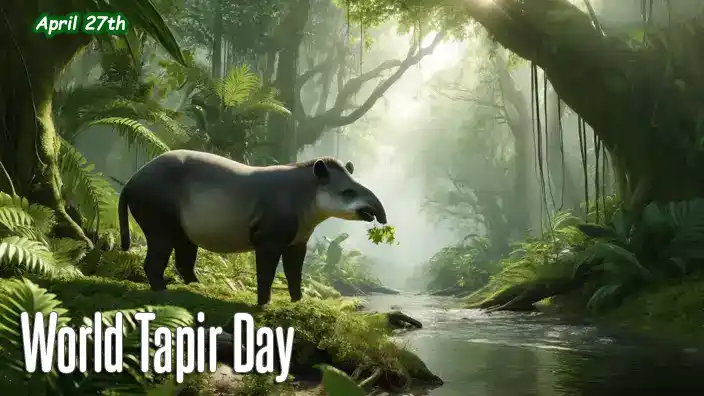
In a world where animals compete for the title of “most majestic,” one creature confidently waddles in, completely unbothered by the competition. With a snout that looks like it can’t decide if it wants to be an elephant’s trunk or a vacuum hose, stubby legs that somehow manage to carry its hefty frame with surprising grace, and a face that always seems mildly confused, this peculiar beast is living proof that nature has a sense of humor. Whether it’s snuffling through the jungle like an overgrown anteater or casually swimming with the elegance of a chubby mermaid, it’s hard not to admire an animal that embraces being delightfully different.
Celebrated: Annually, on April 27th
Discover the importance of World Tapir Day, a celebration of the underappreciated tapir, its ecological role, and the conservation efforts to protect it.


- Details
Ever wonder what would happen if ancient civilizations had Yelp reviews? “Great Wall of China—impressive, but way too long for a casual stroll. 3/5 stars.” Or, “Machu Picchu—stunning views, but no escalators? Seriously? 4/5.” Thankfully, these marvels have stood the test of time without worrying about internet ratings, but they do rely on us to keep them standing. Whether it's a temple, a tomb, or a tower that leans just enough to make you nervous, these landmarks remind us that humanity’s greatest hits weren’t built in a day—but they sure can disappear quickly without a little TLC.
Celebrated: Annually, on April 18th
Discover the significance of World Heritage Day, a celebration of global heritage sites from Gothic cathedrals to Easter Island's stone heads, marking our human story across the globe.

- Details
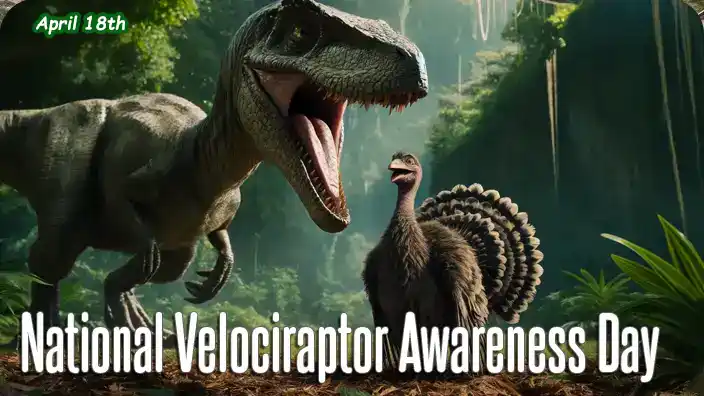
Imagine a world where your backyard chickens suddenly develop razor-sharp claws, turbocharged legs, and a bad attitude—that’s basically what paleontologists believe Velociraptors were like. Sure, they were only about the size of a turkey, but don’t let that fool you—these feathered fiends were packing serious speed, cunning, and a sickle-shaped claw that could turn any unsuspecting prey into lunch. If time travel were real, stepping into the Late Cretaceous might feel less like a grand adventure and more like running from a flock of really, really angry birds on steroids.
Celebrated: Annually, on April 18th
Discover the playful world of National Velociraptor Awareness Day, a whimsical celebration blending Hollywood hype with real paleontological facts. Join the fun on April 18th!


- Details
If you’ve ever yelled “Can you hear me now?” into a phone, congratulations—you’re participating in a tradition that goes all the way back to 1876. The only difference is that back then, when someone couldn’t hear you, it wasn’t bad reception… it was because the entire idea of talking through a wire was brand new. And somewhere in that moment, Alexander Graham Bell probably had no idea he was launching a world where people would one day argue over pizza toppings from 20 miles away.
Celebrated: Annually, on April 25th
Discover National Telephone Day, how Bell’s invention changed communication forever.

- Details
Humor is basically the duct tape of human interaction—stick it on any awkward situation, and suddenly, everything holds together a little better. It’s the one superpower that requires no cape, just impeccable timing and a willingness to embrace the ridiculous. Whether it’s dad jokes so bad they deserve a life sentence, puns that make you groan louder than a haunted house, or a perfectly timed pratfall, humor is proof that life doesn’t always need to be taken so seriously. After all, laughter is free, burns calories, and doesn’t require a Wi-Fi connection—what more could you ask for?
Celebrated: Annually, on April 19th
Unleash your inner comedian on Humorous Day! Join the 24-hour joke-fest where laughter is the currency and puns are the language. Celebrate with giggles and guffaws!

- Details
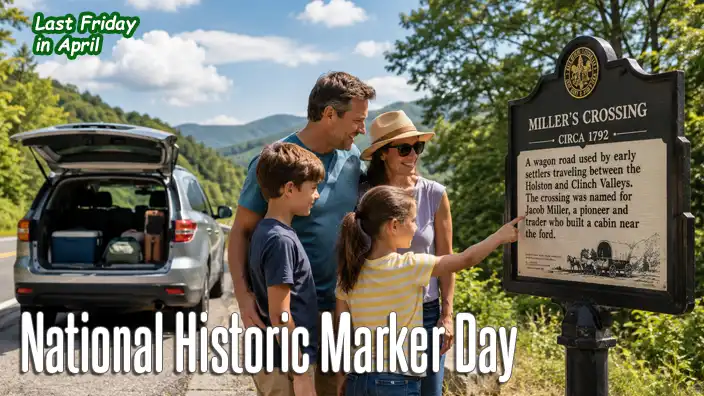
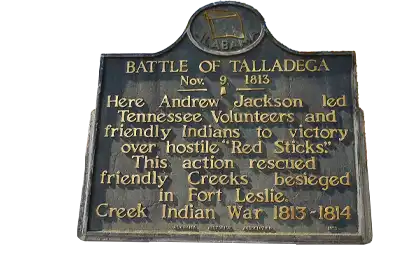
Some people drive past historic markers without a second glance. Others slam on the brakes, pull over, and discover that a quiet field once hosted a battle, a famous speech, or the world's most determined turnip farmer. National Historic Marker Day celebrates the signs that prove history happened everywhere—and that even the most ordinary-looking places often have a story worth telling.
Celebrated: Annually, on the Last Friday in April
Ever wondered why there's a plaque in the middle of nowhere? National Historic Marker Day celebrates the signs, stories, and surprising history hiding along our roads

- Details
National Shrimp Scampi Day is the one day a year when we all collectively agree that drowning shrimp in garlic, butter, and wine is a completely acceptable life choice. It’s a day where calorie counting takes a backseat, and forks become tiny shovels, scooping up every last buttery noodle. Shrimp scampi is fancy enough to impress a date but easy enough to make while wearing pajama pants, which is precisely why it holds a special place in our hearts (and stomachs). So on April 29th, let’s raise a fork to the only seafood dish that sounds like it was named after an old-timey magician—Shrimpius Scampini!
Celebrated: Annually, on April 29th
Celebrate National Shrimp Scampi Day with fun, laughter, and delicious food. Explore the hilarity of cooking mishaps, learn about shrimp, and dig into the joy of this unique holiday.


- Details
On ANZAC Day, we pause to honor the extraordinary courage, sacrifice, and resilience of those who served and fell in the pursuit of freedom. It is a day of solemn reflection, where the silence of the dawn mirrors the quiet resolve of those who faced the unimaginable on distant shores. We remember the ANZAC spirit—characterized by loyalty, mateship, and unwavering determination—that continues to inspire us today. As wreaths are laid and "The Last Post" echoes through the still air, we pay tribute not only to those who gave their lives but also to the enduring legacy of service and sacrifice that binds us as a people.
Celebrated: Annually, on April 25th
ANZAC Day commemorates the courage and sacrifice of the Australian and New Zealand Army Corps in World War I, shaping the national identity with values of mateship and resilience.

- Details
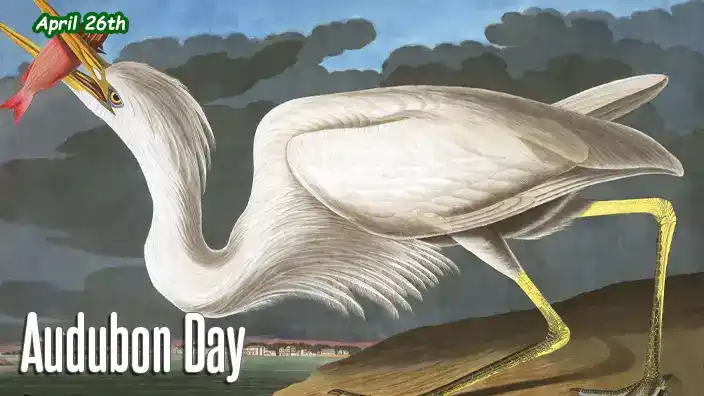
Imagine a group of people standing in a park, binoculars pressed to their faces, whispering excitedly about a tiny bird that just blinked in their direction—welcome to the grand festivities of Audubon Day! It’s the one day of the year when it’s socially acceptable to completely ignore human conversation in favor of identifying whether that speck in the sky is a red-tailed hawk or just a very ambitious pigeon. Bird lovers gather in quiet reverence, competing to see who can spot the rarest feathered celebrity while pretending they didn’t just mistake a squirrel for an owl. And let’s not forget the grand tradition of attempting to mimic bird calls—nothing says "I love nature" like accidentally summoning an aggressive goose with your questionable whistling skills.
Celebrated: Annually, on April 26th
A comprehensive guide to the annual celebration of Audubon Day. Explore the life of John James Audubon, the event's activities, and the importance of bird conservation.

- Details
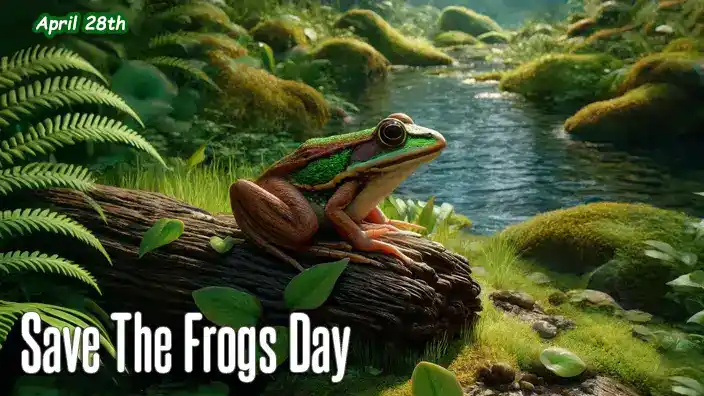
Frogs are nature’s little acrobats—masters of the high jump, experts in camouflage, and, let’s be honest, the original beatboxers of the swamp. They spend their days lounging in ponds like tiny, green retirees on an extended spa vacation, only breaking the tranquility to launch themselves into the air like a startled popcorn kernel. And let’s not forget their eating habits—any bug unfortunate enough to wander too close gets a VIP ticket to the Frog Tongue Express, disappearing in a blink so fast even magicians are jealous. With their big googly eyes and unpredictable hops, frogs are basically the comedians of the animal kingdom—only with better reflexes and fewer wardrobe malfunctions.
Celebrated: Annually, on April 28th
Explore the importance of Save The Frogs Day, a global event aimed at promoting frog conservation and raising awareness about their pivotal role in our ecosystem.


- Details
Imagine the cloud as the universe's most exclusive nightclub, where data goes to mingle, party, and occasionally get lost in the bathroom. It's a place where your selfies rub shoulders with top-secret government files, and your forgotten shopping lists dance alongside blockbuster movie scripts. Managed by the most discreet bouncers—encryption and firewalls—it's the ultimate digital rendezvous spot where everyone and everything is supposed to be secure. Just remember, what happens in the cloud stays in the cloud... until someone forgets their password.
Celebrated: Annually, on April 3rd
Discover the significance of World Cloud Security Day as we celebrate the heroes of the digital age. Learn about the evolution of cloud storage, the importance of data protection, and fun ways to mark the day.

- Details
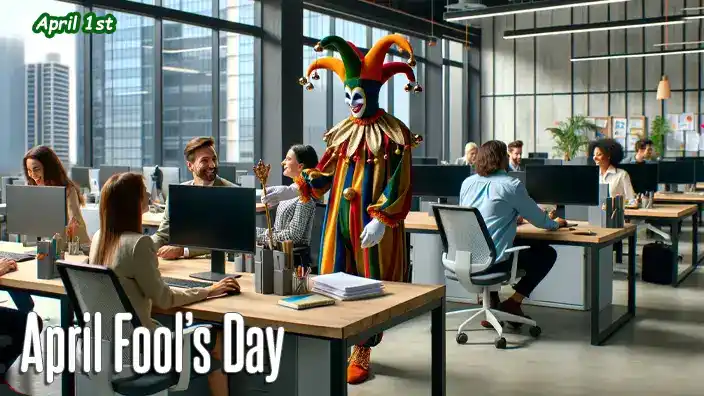
Picture a day where your morning coffee might be replaced with soy sauce, your desk chair might have been swapped with an exercise ball, and your "urgent" meeting turns out to be a rickroll orchestrated by the entire office. It’s the one day where you question everything, trust no one, and yet can’t help but laugh when the prank hits just the right note of cleverness and absurdity. The beauty of it all? For 24 hours, the world becomes a playground where creativity and mischief reign supreme, and you’re either the mastermind or the unwitting star of someone else’s comedic genius.
Celebrated: Annually, on April 1st
Explore the fun-filled history and traditions of April Fools' Day, a global celebration of pranks, jokes, and laughter. Uncover how this day evolved and some of the most famous hoaxes.

- Details
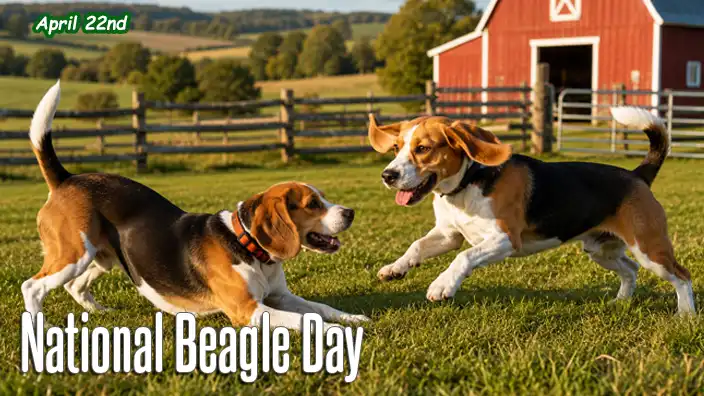
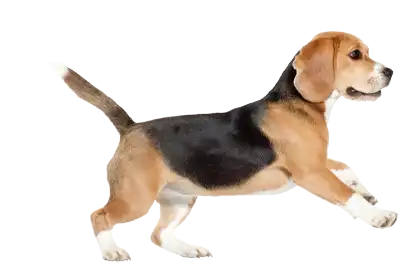
Some dogs fetch sticks. Some dogs guard the house. Beagles wake up every morning convinced they are about to solve an important mystery. Armed with a nose that seems capable of detecting a cookie from three counties away, they approach life as one long investigation. Whether they're tracking rabbits, inspecting the backyard, or conducting a highly suspicious examination of whatever you're eating, Beagles tackle every scent with the dedication of a detective who has just received a major case. On National Beagle Day, we celebrate the cheerful hounds that remind us curiosity isn't just a personality trait—it's a full-time job.
Celebrated: Annually, on April 22nd
Discover the history of National Beagle Day, learn fascinating Beagle facts, and explore why these friendly scent hounds remain family favorites
- Details
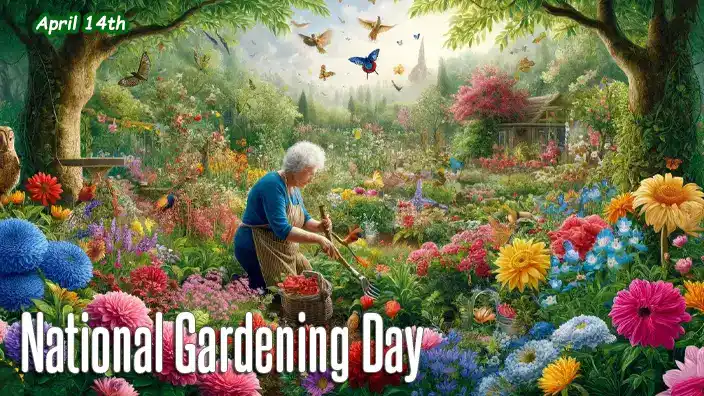
There’s something profoundly humbling about spending hours planting, watering, and talking sweetly to your garden, only to have one rogue squirrel dig up your hard work in under five minutes. Gardening is an adventure in patience, where you wage tiny wars against weeds, outsmart snails with makeshift defenses, and pretend you totally meant to plant that mysterious vine overtaking your yard. It’s a hobby where hope springs eternal, especially when you plant something new and whisper, “Please don’t die,” as if sheer willpower alone can keep it alive.
Celebrated: Annually, on April 14th
Discover the joys of gardening on National Gardening Day, a day to celebrate the therapeutic benefits, health advantages, and emotional sanctuary that gardening offers. Get your hands dirty and reap the rewards!

From Our Marks Catelog
-

Brussels sprouts: the tiny green orbs that have been sparking dinner table debates for...
-
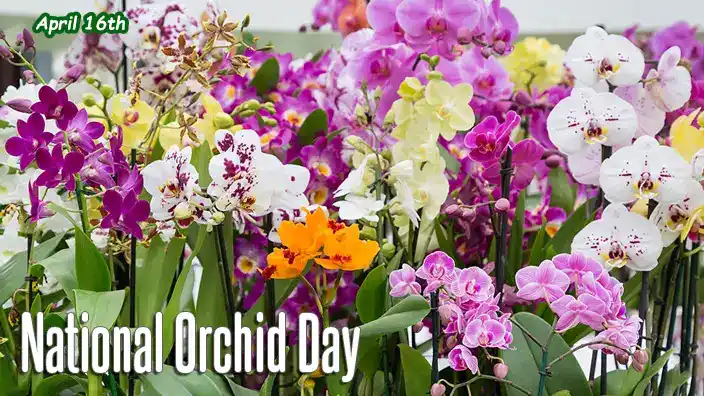
Elegance, mystery, and just the right amount of arrogance—some things demand admiration without lifting...
-
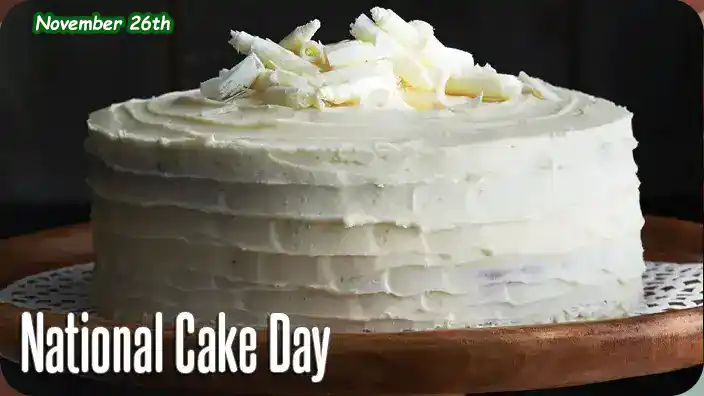
National Cake Day is the one day of the year when it's socially acceptable to have your cake and eat...
-

Forget glow-in-the-dark snack cakes and cheese that comes in a spray can—there’s something wildly...
-
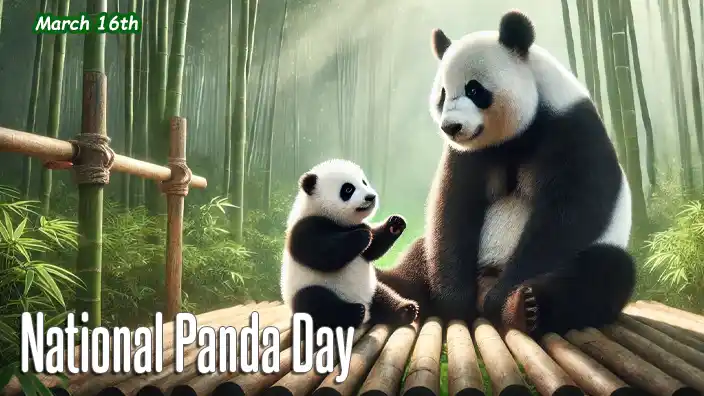
If there were an Olympic event for clumsiness, someone would be rolling down the hill, missing their...
-
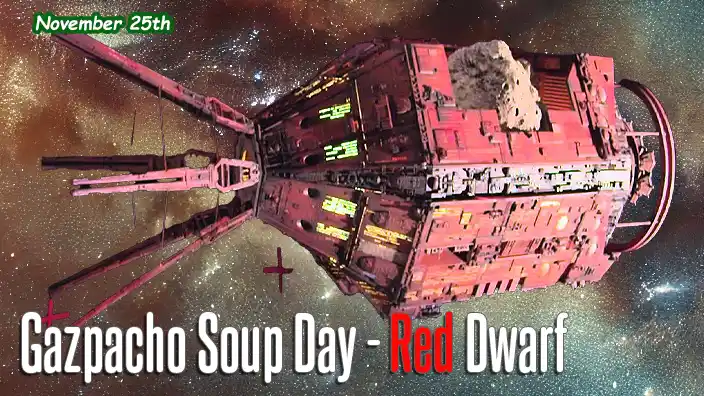
Gazpacho Soup Day isn’t just a day to honor cold tomato soup; it’s a day to revel in the absurdity of...

