Mark The Days - April

April is nature’s reboot—birds start singing, flowers show off, and pollen declares war on sinuses everywhere. It’s the month that says, “Hey, let’s start fresh!” and then dumps rain on your new shoes. April kicks off with April Fool’s Day, just to remind us not to take anything too seriously—including that forecast. One day it's sunny and lovely, the next you're building an ark. But in between the drizzle and sneezes, there's a sense that things are coming back to life—and possibly plotting something. April’s playful, unpredictable, and just a little unhinged. We like that in a month.
- Details
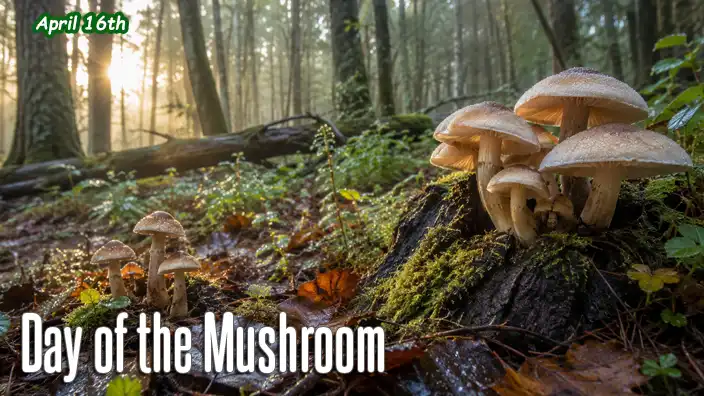
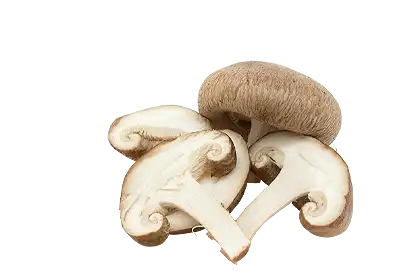
Mushrooms have had an image problem for years. Some people love them, some carefully scrape them off their pizza, and a few are still convinced they appear overnight thanks to tiny woodland elves working the night shift. The truth is even more remarkable. Beneath almost every healthy forest lies a hidden world of fungi quietly recycling nutrients, helping trees communicate, and occasionally producing something delicious enough to end up sizzling in a frying pan. Day of the Mushroom is the perfect excuse to celebrate these extraordinary organisms that prove you don't have to stand tall to make a big difference.
Celebrated: Annually, on April 16th
Celebrate Day of the Mushroom! Discover fascinating fungi facts, delicious recipes, surprising health benefits, and why mushrooms deserve a place on every plate
- Details
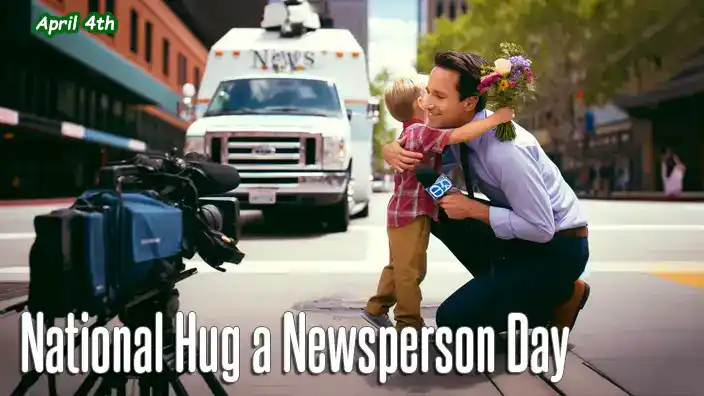
Newspeople are a rare breed—constantly chasing deadlines, surviving on caffeine and adrenaline, and somehow managing to look composed even when delivering the most chaotic headlines. Hugging a newsperson, therefore, is a bit like hugging a fast-moving tornado in business attire. They might be mid-sentence about a breaking news story, holding a microphone, or balancing a phone between their shoulder and ear, but if you manage to land a hug, you’re giving them a rare moment of human warmth amidst the madness. Just be prepared—they may instinctively try to fact-check the hug, ask for a quote about why you're hugging them, or whisper, "Back to you," as they step away.
Celebrated: Annually, on April 4th
Discover the significance of National Hug a Newsperson Day, a unique tribute to journalists that emphasizes consent and inclusive recognition.

- Details
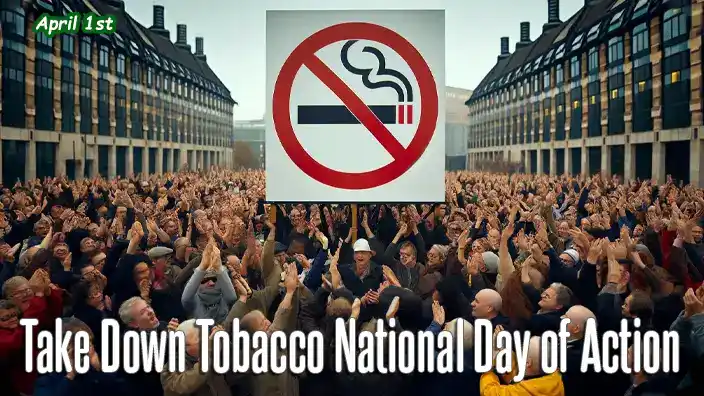
Smoking: the one activity where you light your money on fire and inhale the results, all while trying to convince yourself it's cool. It's like paying for a cloud of smelly perfume that nobody likes, only to realize it also comes with the bonus feature of turning your lungs into a vintage, coal-powered steam engine. Remember, each cigarette might shorten your life by 5 minutes, but it also takes 10 minutes to smoke. So, in a way, you're actually a time traveler, albeit one on a very questionable journey.
Celebrated: Annually, on April 1st
Join the Take Down Tobacco National Day of Action on April 1st, a vibrant initiative uniting communities against tobacco and vaping harms in youth.


- Details
Nothing ruins a perfectly good workday like an unexpected trip to the emergency room because someone thought "caution" was just a suggestion. Whether dodging the rogue office chair on wheels, surviving the treacherous breakroom coffee spill, or mastering the delicate art of carrying too many boxes without becoming a human game of Jenga, workplace safety is the often forgotten hero of productivity. After all, it's hard to hit deadlines when you're busy filling out an incident report with an ice pack strapped to your forehead.
Celebrated: Annually, on April 28th
Promoting the importance of safety and health at work, this page highlights the global observance of World Day for Safety and Health at Work, the role of humor in safety education, and the benefits of ergonomics.

- Details
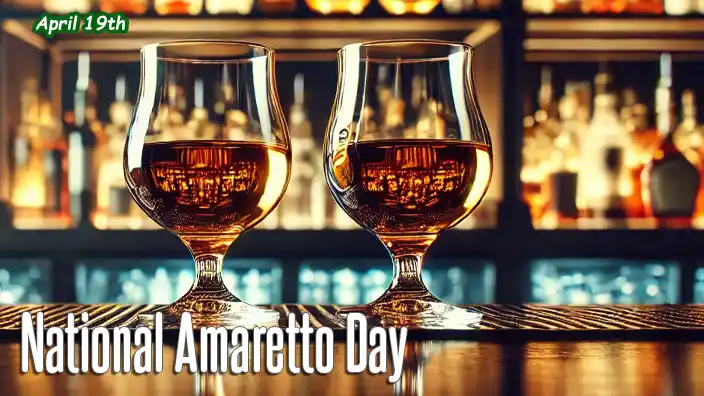
Amaretto is like that charming dinner guest who arrives sweet, stays smooth, and leaves you wondering why you don’t invite them over more often. It’s the liqueur that turns any drink into a hug in a glass—warming, slightly nutty, and always up for a good time. Whether it’s sneaking into your coffee, making your dessert just a little more sinful, or convincing you that a third Amaretto Sour is a fantastic idea, this Italian delight knows how to steal the show. Just be warned—sip too much, and you might start gesturing like an old-school Italian chef, dramatically declaring, “Mamma mia, this is good!”
Celebrated: Annually, on April 19th
Join the festivities on National Amaretto Day! Explore the delightful versatility of amaretto in cocktails, desserts, and culinary creations to elevate your celebrations.


- Details
Geologists are the only people who can get excited about something that hasn’t moved in 300 million years—and somehow make it sound fascinating. Give them a rock, and they’ll give you a story, a timeline, and possibly a lecture you didn’t know you needed.
Celebrated: Annually, on the First Sunday in April
Join us as we celebrate Geologists’ Day and the vital role of geology in Earth science, natural resources, and understanding our planet’s history and future.

- Details
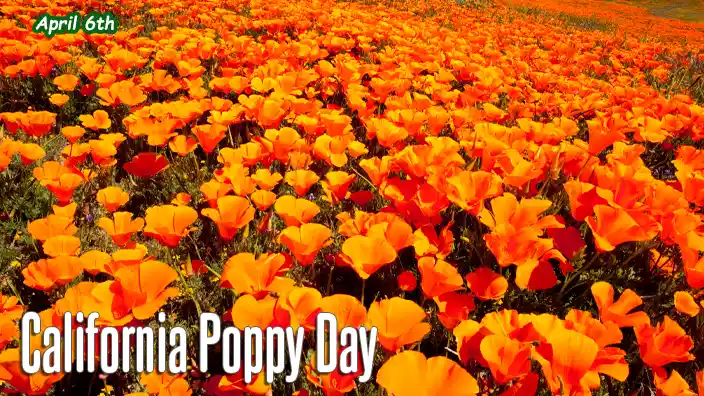
The California poppy is the kind of flower that shows up overdressed to a picnic and somehow still makes everyone else feel underdressed. With petals so bright they look like they were colored in by a kid who found the “maximum sunshine” crayon, this bloom doesn’t just grow—it glows. It pops up uninvited, refuses to be watered, and still looks fabulous. Basically, it’s the diva of the wildflower world: low maintenance, always photogenic, and completely immune to drama.
Celebrated: Annually, on April 6th
Learn about the California Poppy, the state's floral emblem since 1903. This resilient flower is a symbol of natural beauty and ecological importance.


- Details
Somewhere between a foghorn, a velvet voice, and a musical prank waiting to happen, the trombone slides into the spotlight with all the subtlety of a brass parade. National Trombone Players Day is your cue to appreciate the musicians who don’t just play notes—they chase them down, grab them mid-air, and stretch them into something unforgettable. If music had a sense of humor (and it does), it would probably sound a lot like a trombone on a good day.
Celebrated: Annually, on April 1st
Discover National Trombone Players Day, honoring the musicians who bring depth, power, and playful sound to every band.


- Details
Ever wonder what would happen if ancient civilizations had Yelp reviews? “Great Wall of China—impressive, but way too long for a casual stroll. 3/5 stars.” Or, “Machu Picchu—stunning views, but no escalators? Seriously? 4/5.” Thankfully, these marvels have stood the test of time without worrying about internet ratings, but they do rely on us to keep them standing. Whether it's a temple, a tomb, or a tower that leans just enough to make you nervous, these landmarks remind us that humanity’s greatest hits weren’t built in a day—but they sure can disappear quickly without a little TLC.
Celebrated: Annually, on April 18th
Discover the significance of World Heritage Day, a celebration of global heritage sites from Gothic cathedrals to Easter Island's stone heads, marking our human story across the globe.


- Details
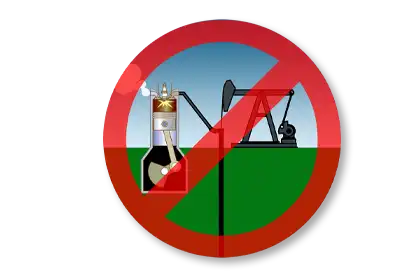
Fossil Fools Day arrives every April 1 with a joke built right into the name, but don't expect Mother Nature to yell, “April Fools!” and make the whole problem disappear at midnight. It is a day for poking fun at our long-running love affair with coal, oil and gas while asking some decidedly serious questions about what should power the future. Bring your sense of humor, leave the dinosaur jokes at the gas pump, and prepare to discover why energy is considerably more complicated than simply plugging everything into a solar panel.
Celebrated: Annually, on April 1st
Fossil Fools Day on April 1 uses humor and environmental awareness to highlight fossil fuels, pollution and the transition to cleaner energy
- Details
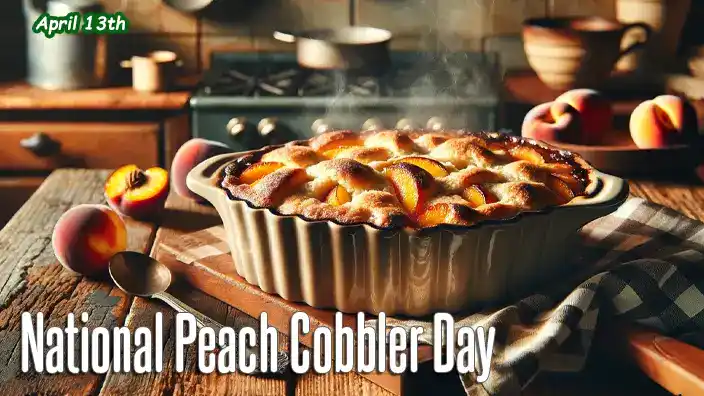
There are few things in life that can silence a room faster, turn a bad day around, or make you forget that you promised to start eating healthier on Monday. It’s warm, golden, unapologetically messy, and practically demands to be eaten with an unreasonable amount of ice cream. One bite, and suddenly, the world makes sense again. Your problems? Temporarily irrelevant. Your diet? Forgotten. Your spoon? Working overtime. If happiness had a flavor, it would probably taste a lot like caramelized peaches and buttery, golden topping—and honestly, who are we to argue with happiness?
Celebrated: Annually, on April 13th
Celebrate National Peach Cobbler Day on April 13 with this beloved Southern dessert. Discover its history, variations, and ways to enjoy it with family.


- Details
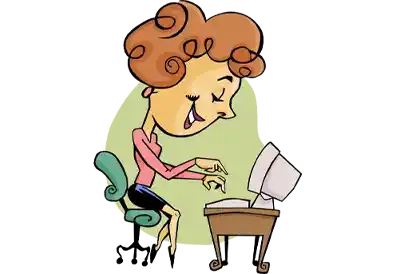
Administrative Professionals are the superheroes of the office, armed with the superpower of multitasking. Without them, schedules would crumble, files would play hide and seek, and meetings would be mythological events often discussed but rarely seen. They're the glue that holds the office together, often spotted rescuing coffee-deprived colleagues and taming wild photocopiers. Truly, where would we be without their heroic efforts to keep the chaos at bay while wearing a headset like a crown? Probably locked out of Zoom, searching for misplaced reports in the Bermuda Triangle of our desks!
Celebrated: Annually, on Wednesday of the Last Full Week of April
Explore the significance of Admin Day, a tribute to the unsung heroes holding workplaces together. Learn about its origins, ways to celebrate, and the global recognition of administrative professionals.

- Details
Easter is the most joyous celebration on the Christian calendar—a day when the stone was rolled away, death was defeated, and hope walked right out of the tomb. It’s a time of hallelujahs, sunrise services, and children in tiny bow ties who somehow manage to get chocolate on their shoes before breakfast. We gather in churches and around dinner tables to rejoice in the miracle of the resurrection—while also politely pretending not to notice Aunt Margaret’s third helping of deviled eggs. It’s a day of light, life, and love—with just a hint of powdered sugar on top.
Celebrated: Annually, on the First Sunday after the Full Moon that occurs on or after the Spring Equinox (Mar 28, 2027)
Discover the rich traditions and spiritual significance of Easter, a global celebration of hope, renewal, and the resurrection of Jesus Christ.

- Details
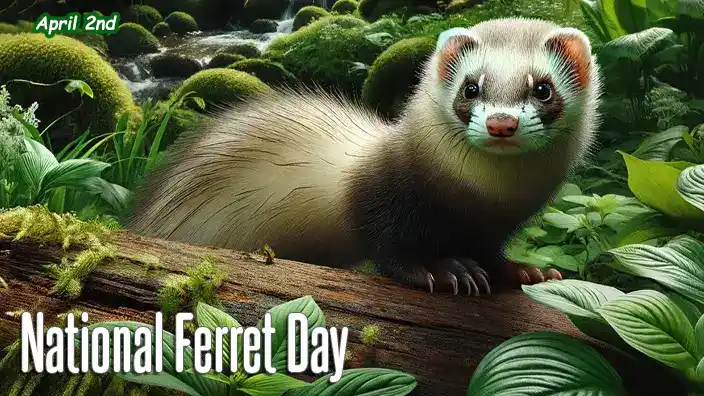
Somewhere in the great kingdom of household pets, there exists a mischievous little creature that lives by one rule: if it fits, it steals. It’s the only animal that can disappear into thin air, reappear under your couch, and somehow make off with your keys, one sock, and a granola bar in the process. Their hobbies include expertly tunneling into places they absolutely should not be, performing chaotic “war dances” that make them look like malfunctioning wind-up toys, and convincing their humans that every stolen item was clearly fair game. Owning one is less like having a pet and more like sharing your home with a tiny, adorable, four-legged bandit who specializes in grand heists and naps.
Celebrated: Annually, on April 2nd
Discover the fascinating world of ferrets, their historical significance, and how they evolved from practical hunters to cherished pets. Celebrate National Ferret Day with us!


- Details
Student-athletes are basically superheroes in gym shorts—except instead of fighting crime, they’re battling exhaustion, tight schedules, and the ever-present threat of an unfinished essay. They have the uncanny ability to sprint across campus like Olympians just to make it to class on time, all while surviving on a questionable diet of protein bars, sports drinks, and sheer willpower. Their backpacks weigh more than a small child, their laundry piles consist almost entirely of sweat-soaked jerseys, and their idea of "free time" is a mythical concept spoken of in hushed tones. Yet, despite all this, they somehow manage to excel both in the classroom and on the field, proving that time management isn’t just a skill—it’s a survival instinct.
Celebrated: Annually, on April 6th
Join the tribute to student-athletes on National Student-Athlete Day, highlighting their incredible ability to excel in both sports and academics.


- Details
They say less is more, and haikus take that idea and run with it—except they only take about five steps before stopping to reflect. With just 17 syllables to work with, haikus are the poetry world's equivalent of a text message sent by an old-school flip phone: short, thoughtful, and sometimes just cryptic enough to make you wonder if there's a deeper meaning or if the poet just ran out of syllables. Whether they’re painting a picture of cherry blossoms drifting in the wind or lamenting an empty coffee cup, haikus prove that sometimes the best things really do come in small, meticulously counted packages.
Celebrated: Annually, on April 17th
International Haiku Poetry Day is a celebration of the precise art form of haiku poetry. Explore the beauty of 17 syllables arranged in a 5-7-5 pattern.

- Details
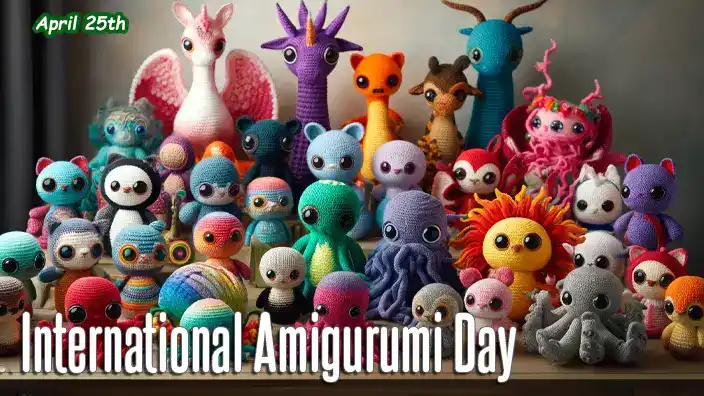
Some people see a ball of yarn; amigurumi crafters see unlimited potential for tiny, adorable chaos. One minute, it's just a string; the next, it’s a wide-eyed octopus judging you from the bookshelf. These little yarn creatures may look innocent, but don't be fooled—one amigurumi turns into ten, then twenty, and suddenly you’re knee-deep in tiny, smiling monsters plotting world domination from your craft table. And let’s not forget the inevitable yarn stash explosion, where you swear you’ll "just buy one more skein" before realizing your home now resembles a very cozy, slightly unhinged yarn shop.
Celebrated: Annually, on April 25th
Explore the delightful world of amigurumi, the Japanese art of crocheting small, stuffed yarn creatures. Celebrate International Amigurumi Day with crafters worldwide.

- Details
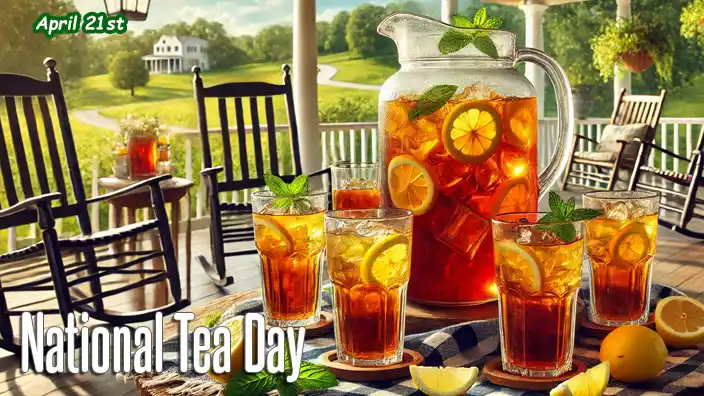
Tea is more than just a drink—it’s a hug in a cup, a legal stimulant, and the only socially acceptable excuse to pause life and dramatically stare out the window. It has the uncanny ability to solve problems (or at least make you too relaxed to care about them). Feeling stressed? Have some tea. Feeling cold? Tea. Just received shocking gossip? Oh honey, put the kettle on! And while coffee drinkers charge into the day like caffeinated tornadoes, tea drinkers take the slow, sophisticated route—steeping their leaves, contemplating life, and judging people who don’t know the difference between oolong and Earl Grey. But make no mistake—beneath that delicate porcelain cup lies a silent powerhouse, ready to warm your soul, wake your senses, and possibly burn your tongue when you get impatient.
Celebrated: Annually, on April 21st
Join tea lovers worldwide in honoring National Tea Day! Discover the traditions, fun facts, and unique ways to celebrate this beloved beverage.

From Our Marks Catelog
-

Brussels sprouts: the tiny green orbs that have been sparking dinner table debates for...
-
Elegance, mystery, and just the right amount of arrogance—some things demand admiration without lifting...
-
National Cake Day is the one day of the year when it's socially acceptable to have your cake and eat...
-

Forget glow-in-the-dark snack cakes and cheese that comes in a spray can—there’s something wildly...
-
If there were an Olympic event for clumsiness, someone would be rolling down the hill, missing their...
-
Gazpacho Soup Day isn’t just a day to honor cold tomato soup; it’s a day to revel in the absurdity of...

