Mark The Days - April

April is nature’s reboot—birds start singing, flowers show off, and pollen declares war on sinuses everywhere. It’s the month that says, “Hey, let’s start fresh!” and then dumps rain on your new shoes. April kicks off with April Fool’s Day, just to remind us not to take anything too seriously—including that forecast. One day it's sunny and lovely, the next you're building an ark. But in between the drizzle and sneezes, there's a sense that things are coming back to life—and possibly plotting something. April’s playful, unpredictable, and just a little unhinged. We like that in a month.

- Details
Digging into the medicine cabinet is like playing archaeologist in your own bathroom: you might unearth an ancient tube of ointment or a lotion older than your high school diploma. Who knew expired cough syrup could turn into a DIY science experiment? It's a journey through time where every bottle has a story and every pill has a past expiration date.
Celebrated: Annually, on the Third Friday of April
Join us for this annual event to help build a healthier home and community. Clean Out Your Medicine Cabinet


- Details
Imagine the cloud as the universe's most exclusive nightclub, where data goes to mingle, party, and occasionally get lost in the bathroom. It's a place where your selfies rub shoulders with top-secret government files, and your forgotten shopping lists dance alongside blockbuster movie scripts. Managed by the most discreet bouncers—encryption and firewalls—it's the ultimate digital rendezvous spot where everyone and everything is supposed to be secure. Just remember, what happens in the cloud stays in the cloud... until someone forgets their password.
Celebrated: Annually, on April 3rd
Discover the significance of World Cloud Security Day as we celebrate the heroes of the digital age. Learn about the evolution of cloud storage, the importance of data protection, and fun ways to mark the day.

- Details
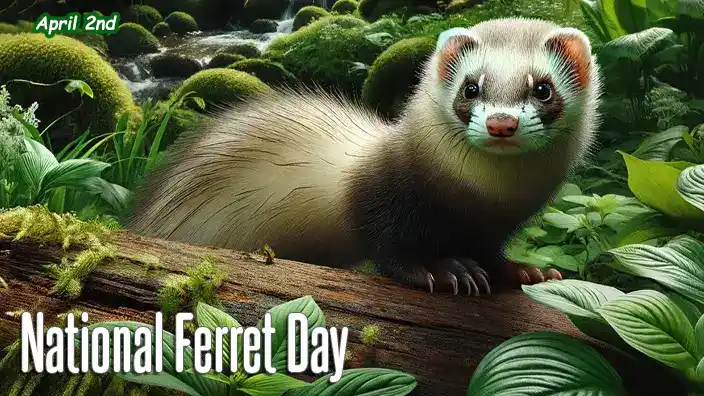
Somewhere in the great kingdom of household pets, there exists a mischievous little creature that lives by one rule: if it fits, it steals. It’s the only animal that can disappear into thin air, reappear under your couch, and somehow make off with your keys, one sock, and a granola bar in the process. Their hobbies include expertly tunneling into places they absolutely should not be, performing chaotic “war dances” that make them look like malfunctioning wind-up toys, and convincing their humans that every stolen item was clearly fair game. Owning one is less like having a pet and more like sharing your home with a tiny, adorable, four-legged bandit who specializes in grand heists and naps.
Celebrated: Annually, on April 2nd
Discover the fascinating world of ferrets, their historical significance, and how they evolved from practical hunters to cherished pets. Celebrate National Ferret Day with us!


- Details
If dogs could hand out business cards, therapy dogs would read something like: “Professional Mood Improver. Specialist in Tail-Based Counseling. Accepts Payment in Treats.” While the rest of us are out here overthinking everything, these four-legged pros are quietly fixing bad days one head tilt at a time. Dog Therapy Appreciation Day is your reminder that sometimes the best kind of therapy doesn’t involve a couch, a notebook, or a bill at the end—just a warm nose, a wagging tail, and a dog who somehow knows exactly what you need before you do.
Celebrated: Annually, on April 11th
Celebrate Dog Therapy Appreciation Day with a humorous, factual look at therapy dogs, their benefits, and how they improve mental health.

- Details
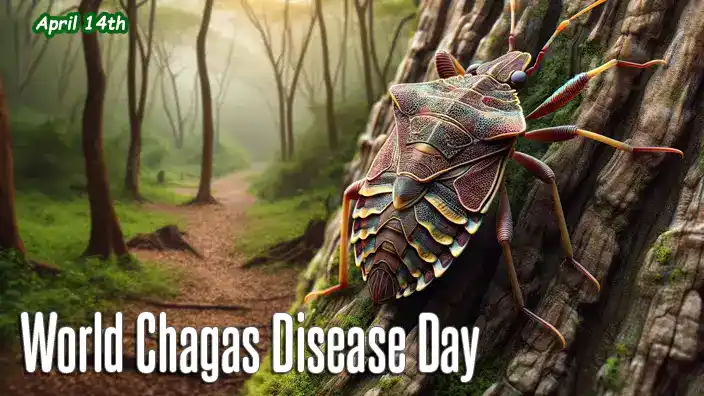
If there’s one thing worse than a bad kisser, it’s a kissing bug—the uninvited, nighttime intruder that quite literally sucks the fun out of everything. Imagine going to bed, dreaming of winning the lottery, only to wake up to a bug that not only bit your face but also left behind a parting gift in the form of parasite-laden poop. If that’s not a toxic relationship, I don’t know what is. And just like that one ex who ghosted you but left behind emotional baggage, Chagas disease can linger for years before showing its true colors—except instead of unanswered texts, it comes with heart complications. Moral of the story? If something wants to kiss you in your sleep, make sure it has good hygiene first.
Celebrated: Annually, on April 14th
Learn about World Chagas Disease Day, a lesser-known event observed on April 14th to raise awareness of this tropical disease and its impact on global health.


- Details
Baton twirling is less of a sport and more of a gravity-defying, physics-bending spectacle that leaves audiences questioning whether twirlers have secret deals with the laws of motion. These elite athletes launch batons into the stratosphere, execute quadruple spins like human Beyblades, and still manage to catch their batons with the grace of a seasoned magician—because, let’s be honest, some of these tricks seem like sorcery. And just when you think you've seen it all, someone pulls out a flaming baton because why not add a little fire hazard to the mix? It’s a dazzling combination of athleticism, artistry, and just the right amount of "Did they seriously just do that?!" energy.
Celebrated: Annually, on April 10th
Discover the captivating world of baton twirling, a sport blending artistry and athleticism with dazzling performances and synchronized choreography. Join the celebration of World Baton Twirling Day!

- Details
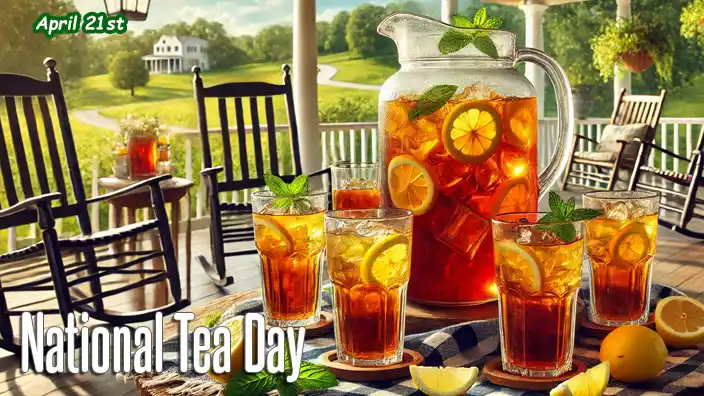
Tea is more than just a drink—it’s a hug in a cup, a legal stimulant, and the only socially acceptable excuse to pause life and dramatically stare out the window. It has the uncanny ability to solve problems (or at least make you too relaxed to care about them). Feeling stressed? Have some tea. Feeling cold? Tea. Just received shocking gossip? Oh honey, put the kettle on! And while coffee drinkers charge into the day like caffeinated tornadoes, tea drinkers take the slow, sophisticated route—steeping their leaves, contemplating life, and judging people who don’t know the difference between oolong and Earl Grey. But make no mistake—beneath that delicate porcelain cup lies a silent powerhouse, ready to warm your soul, wake your senses, and possibly burn your tongue when you get impatient.
Celebrated: Annually, on April 21st
Join tea lovers worldwide in honoring National Tea Day! Discover the traditions, fun facts, and unique ways to celebrate this beloved beverage.


- Details
Only children are basically the CEOs of their own childhoods—running the household with a well-balanced mix of independence, negotiation skills, and a touch of benevolent dictatorship. They’ve never had to fight for the last slice of pizza, never lost control of the remote, and never had to share a bathroom with a sibling who takes 40-minute showers. Their toys were always exactly where they left them, and if something mysteriously broke, there was no one else to blame but "the dog" or "gravity". And while siblings were busy perfecting their wrestling techniques and snitching strategies, only children were holding full-blown TED Talks in the mirror, debating which parent was more likely to say yes to a trip to Disneyland. It’s not that they were spoiled—they just mastered the art of getting what they wanted through sheer persuasive brilliance.
Celebrated: Annually, on April 12th
Celebrate National Only Child Day with pride and peculiarities. Embrace the spotlight of growing up without siblings and the unique family dynamics. Solo journey, not sibling squabbles.

- Details
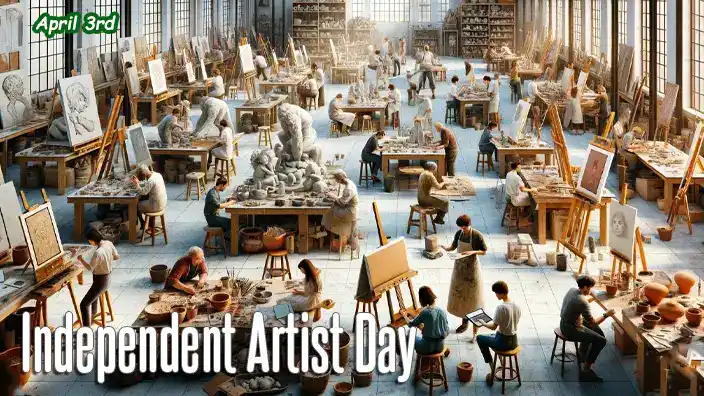
Making a living as a creative force often involves an intricate juggling act—one hand gripping a paintbrush, the other refreshing an online store to see if anyone has finally bought that masterpiece titled Untitled No. 37. Rent is due, inspiration is fleeting, and the cat just knocked over an entire cup of coffee onto a half-finished sketch. Independent artists are the magicians of modern life, conjuring beauty out of limited resources and surviving on a steady diet of caffeine, hope, and the occasional commission. They’re part visionary, part entrepreneur, and part social media strategist, all while maintaining the patience of a saint when someone inevitably asks, “But what’s your real job?”
Celebrated: Annually, on April 3rd
Discover the significance of Independent Artist Day, a global celebration acknowledging the contributions of artists operating outside traditional art scenes.

- Details
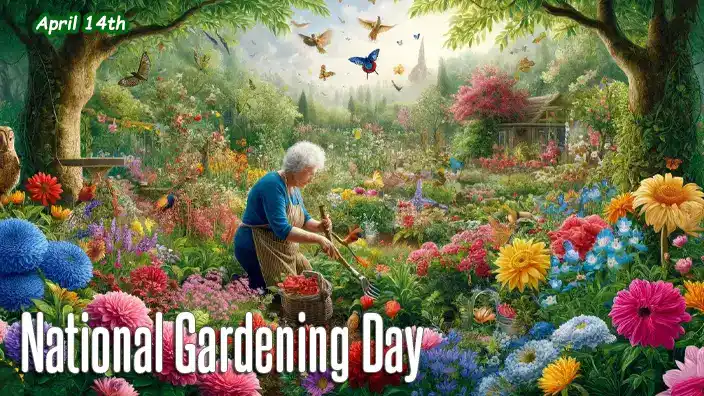
There’s something profoundly humbling about spending hours planting, watering, and talking sweetly to your garden, only to have one rogue squirrel dig up your hard work in under five minutes. Gardening is an adventure in patience, where you wage tiny wars against weeds, outsmart snails with makeshift defenses, and pretend you totally meant to plant that mysterious vine overtaking your yard. It’s a hobby where hope springs eternal, especially when you plant something new and whisper, “Please don’t die,” as if sheer willpower alone can keep it alive.
Celebrated: Annually, on April 14th
Discover the joys of gardening on National Gardening Day, a day to celebrate the therapeutic benefits, health advantages, and emotional sanctuary that gardening offers. Get your hands dirty and reap the rewards!

- Details
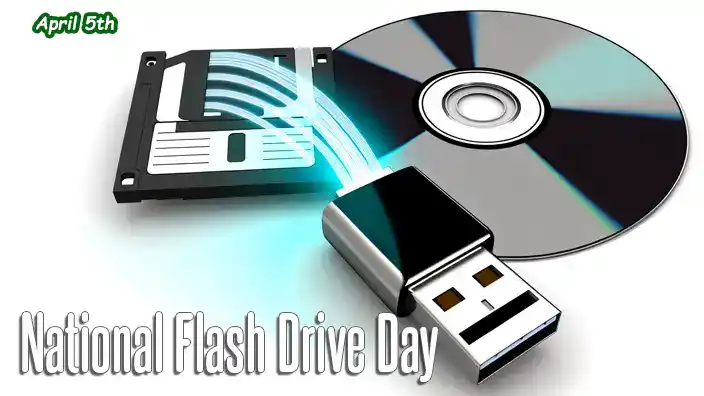
There’s something almost magical about that tiny, unassuming gadget lurking at the bottom of your bag or tangled in a mess of charging cables. One minute, it’s your lifeline to an important presentation, and the next, it’s mysteriously vanished into the void, only to reappear in the washing machine two weeks later—completely intact, of course. It holds everything from tax documents to questionable memes, and yet, despite its technological wizardry, it still requires the ancient ritual of “safely ejecting” lest you anger the digital deities and risk total corruption.
Celebrated: Annually, on April 5th
A tribute to the indispensable flash drive, celebrating its evolution, resilience, and role in democratizing data storage on National Flash Drive Day.


- Details
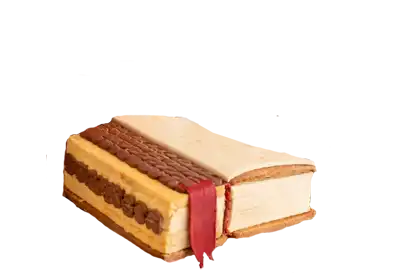
Some people read a book and imagine the story. Others read a book and immediately wonder if it pairs well with buttercream frosting. Edible Book Day is for that second group—the bold thinkers, the kitchen experimenters, and the folks who believe a good plot twist should come with a side of whipped cream. It’s the one day where “I couldn’t put it down” turns into “I couldn’t stop eating it,” and honestly, that’s a literary tradition we can all get behind.
Celebrated: Annually, on April 1st
A holiday where you’re encouraged to eat your reading material? Somewhere, a librarian just felt a disturbance in the force.

- Details
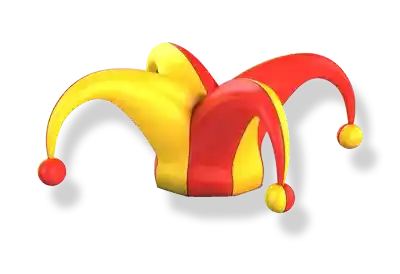
Picture a day where your morning coffee might be replaced with soy sauce, your desk chair might have been swapped with an exercise ball, and your "urgent" meeting turns out to be a rickroll orchestrated by the entire office. It’s the one day where you question everything, trust no one, and yet can’t help but laugh when the prank hits just the right note of cleverness and absurdity. The beauty of it all? For 24 hours, the world becomes a playground where creativity and mischief reign supreme, and you’re either the mastermind or the unwitting star of someone else’s comedic genius.
Celebrated: Annually, on April 1st
Explore the fun-filled history and traditions of April Fools' Day, a global celebration of pranks, jokes, and laughter. Uncover how this day evolved and some of the most famous hoaxes.

- Details
Ever wondered what would happen if history, family pride, and a particularly bold interior designer collided? You’d get tartan—Scotland’s most iconic fashion statement and quite possibly the only fabric pattern capable of making both a bagpiper and a punk rocker look equally intimidating. Whether wrapped around the waist of a Highland warrior or sprawled across the couch of your overly enthusiastic Scottish aunt, tartan refuses to be ignored. It’s not just a pattern; it’s a declaration, a legacy, and sometimes, an optical illusion that makes your eyes water if you stare too long.
Celebrated: Annually, on April 6th
Celebrate National Tartan Day with us! Discover its origin, significance, and the unique ways you can honor Scottish heritage, from wearing tartan to trying haggis.


- Details
At some point in life, we all become world-class planners of things we never quite get around to doing. “I’ll travel more,” we say—right after deciding the couch has never needed us more. National Bucket List Day is here to interrupt that nonsense. It’s the day where good intentions stop lounging around and start putting on their shoes. No need to go full action-hero overnight, but maybe—just maybe—it’s time to swap “one day” for “day one.”
Celebrated: Annually, on April 24th
"Kicking The Bucket?" Any ideas? Come with us and learn about National Bucket List Day

- Details
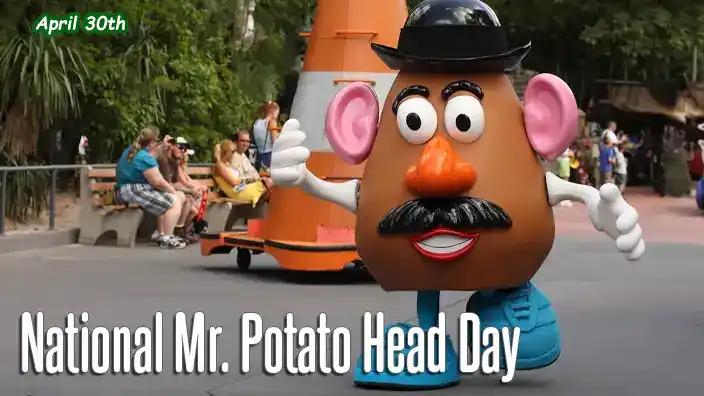
Few toys have mastered the art of reinvention quite like Mr. Potato Head—a spud who can lose his nose, misplace his mustache, and still keep his head in the game (literally and figuratively). He’s the only toy where putting an ear where his mouth should be is not just acceptable, but encouraged. Whether he’s a pirate, a rock star, or an oddly sophisticated-looking potato in a bowler hat, Mr. Potato Head proves that fashion is temporary, but detachable facial features are forever. Plus, in an era of overpriced electronics, he remains the only toy that guarantees hours of entertainment without a single battery required—just a little imagination and a willingness to embrace total spud chaos.
Celebrated: Annually, on April 30th
Celebrate National Mr. Potato Head Day with creativity and laughter! Explore the history, legacy, and enduring charm of this iconic toy.

- Details
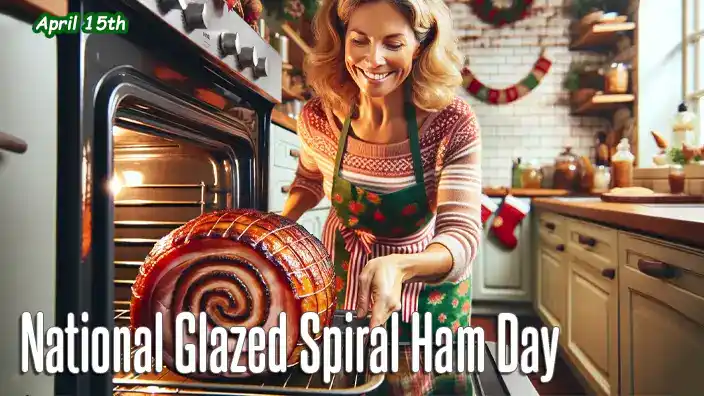
There’s something undeniably magical about a dish that arrives pre-sliced, perfectly glazed, and ready to steal the show with minimal effort. It’s the culinary equivalent of wearing sweatpants to a fancy event and somehow still being the best-dressed person in the room. That sticky-sweet glaze clings like an overenthusiastic hug from a long-lost relative, while the juicy, smoky interior practically demands a standing ovation. And let’s not forget the leftovers—because nothing says “I made a great life choice,” like waking up the next morning to a fridge stocked with ham just waiting to elevate your sandwiches, omelets, or questionable midnight snacking decisions.
Celebrated: Annually, on April 15th
Celebrate National Glazed Spiral Ham Day with the culinary marvel of a spiral ham, versatile and sweetly glazed, perfect for any occasion. Join the festivities and honor this glazed delight!


- Details
Easter is the most joyous celebration on the Christian calendar—a day when the stone was rolled away, death was defeated, and hope walked right out of the tomb. It’s a time of hallelujahs, sunrise services, and children in tiny bow ties who somehow manage to get chocolate on their shoes before breakfast. We gather in churches and around dinner tables to rejoice in the miracle of the resurrection—while also politely pretending not to notice Aunt Margaret’s third helping of deviled eggs. It’s a day of light, life, and love—with just a hint of powdered sugar on top.
Celebrated: Annually, on the First Sunday after the Full Moon that occurs on or after the Spring Equinox (Mar 28, 2027)
Discover the rich traditions and spiritual significance of Easter, a global celebration of hope, renewal, and the resurrection of Jesus Christ.

From Our Marks Catelog
-

Brussels sprouts: the tiny green orbs that have been sparking dinner table debates for...
-
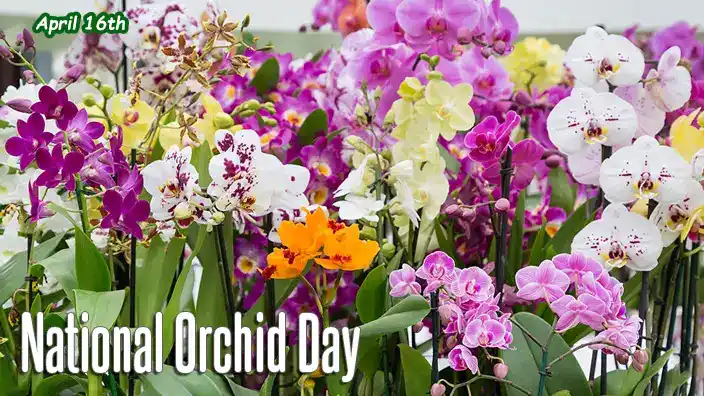
Elegance, mystery, and just the right amount of arrogance—some things demand admiration without lifting...
-
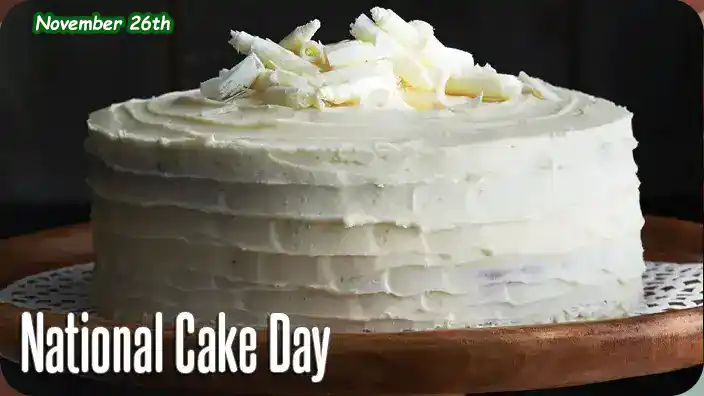
National Cake Day is the one day of the year when it's socially acceptable to have your cake and eat...
-

Forget glow-in-the-dark snack cakes and cheese that comes in a spray can—there’s something wildly...
-
If there were an Olympic event for clumsiness, someone would be rolling down the hill, missing their...
-
Gazpacho Soup Day isn’t just a day to honor cold tomato soup; it’s a day to revel in the absurdity of...

