
A Mosquito-Sized Problem with a Giant Global Impact
Every year on April 25, the world pauses to observe World Malaria Day, a global awareness event dedicated to fighting one of humanity’s oldest and deadliest diseases. It is a day focused on malaria prevention, malaria treatment, mosquito control, and ongoing medical research aimed at saving millions of lives.
Malaria may come from a tiny mosquito, but this disease has been making humans miserable for thousands of years. Entire civilizations have battled it. Soldiers feared it. Explorers dreaded it. Even today, one annoying mosquito can ruin your evening barbecue, but in many parts of the world, it can also carry a life-threatening illness. Suddenly that buzzing near your ear at 2 a.m. sounds a lot less harmless.
World Malaria Day highlights both the progress made against the disease and the work still left to do. Thanks to modern medicine, insecticide-treated bed nets, improved sanitation, and public health campaigns, malaria deaths have dropped significantly over recent decades. Still, malaria continues to affect millions of people every year, especially in parts of Africa, Asia, and South America.
What Is Malaria?
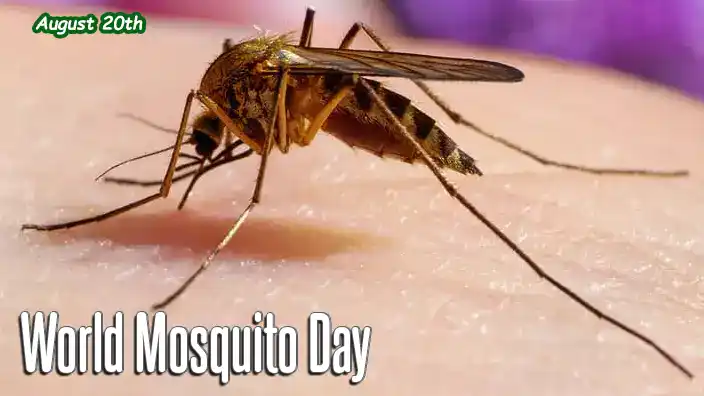
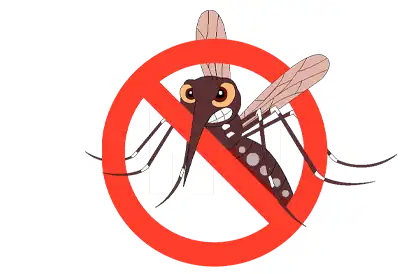
Malaria is a dangerous and sometimes deadly infectious disease caused by microscopic parasites known as Plasmodium. These parasites are spread to humans through the bites of infected female Anopheles mosquitoes. While mosquitoes are annoying enough during a summer evening cookout, some of them also happen to carry one of the world’s most serious diseases. Nature really did decide to combine irritation with medical chaos.
There are several species of malaria parasites that infect humans, but the most dangerous is Plasmodium falciparum, which is responsible for the majority of severe malaria cases and deaths worldwide. Other forms, such as Plasmodium vivax, can also cause serious illness and have an especially frustrating habit of hiding in the liver and returning months later like an unwanted houseguest who forgot to leave.
Once an infected mosquito bites a person, the parasites enter the bloodstream and travel to the liver, where they mature and multiply. After leaving the liver, they invade red blood cells, reproducing rapidly and causing many of the disease’s symptoms. As infected blood cells burst open, the body reacts with fever, chills, sweating, fatigue, headaches, nausea, vomiting, and muscle pain. Many people describe malaria as feeling like the flu, except the flu usually has the decency not to come with hallucinations and violent shaking chills.
One of the most recognizable symptoms of malaria is the recurring cycle of fever attacks. A person may suddenly feel freezing cold, begin shivering uncontrollably, then develop a dangerously high fever before eventually breaking into heavy sweating. This cycle can repeat every few days depending on the type of parasite involved. In the days before modern medicine, entire communities feared these fever cycles because they often signaled severe illness or death.
Severe malaria can become a medical emergency very quickly. Complications may include anemia, seizures, breathing difficulties, kidney failure, brain swelling, coma, and damage to major organs. Children under five years old and pregnant women are especially vulnerable because their immune systems are less able to fight off the infection. In many regions where healthcare is limited, malaria remains one of the leading causes of death among young children.
Malaria is most common in tropical and subtropical areas where warm temperatures and standing water allow mosquitoes to thrive year-round. Large parts of sub-Saharan Africa experience the highest number of cases, though malaria also exists in portions of Asia, South America, the Middle East, and Oceania. Basically, mosquitoes looked at warm, humid climates and declared them luxury condominiums.
Doctors diagnose malaria using blood tests that detect parasites inside red blood cells. Treatment usually involves antimalarial medications, though drug resistance has become a growing concern in some areas. Scientists and healthcare workers continue developing better treatments, vaccines, and mosquito-control strategies to reduce infections and save lives.
Although malaria has plagued humanity for thousands of years, modern medicine has dramatically improved survival rates. Today, millions of people are protected through mosquito nets, insecticides, preventive medications, and public health campaigns. Humanity may never win the popularity contest against mosquitoes, but at least science has started fighting back with better equipment.

The Long History of Malaria
Malaria has haunted humanity for thousands of years and is believed to be one of the oldest infectious diseases ever recorded. Ancient medical texts from China, Egypt, India, Greece, and Rome all describe illnesses with symptoms remarkably similar to malaria, including recurring fevers, chills, weakness, and severe exhaustion. Long before doctors understood parasites or mosquitoes, people already knew there was something deeply unpleasant lurking in swampy regions where clouds of insects ruled the skies like tiny airborne tyrants.
The disease shaped human history in ways many people never realize. Entire armies were weakened by malaria outbreaks, wars were delayed, and settlements were abandoned because of the disease. Historians believe malaria affected the campaigns of famous leaders, including Alexander the Great, and may even have contributed to the decline of portions of the Roman Empire. For centuries, marshlands and wetlands were considered deadly places, not simply because they were difficult to cross, but because entering them often meant fever, suffering, and death.
The very word “malaria” comes from the Italian phrase mala aria, meaning “bad air.” Before modern science, many people believed that swamp vapors and foul-smelling air caused the disease. To be fair, when you stand near a mosquito-infested swamp in the middle of summer and feel something biting every exposed inch of your body, “bad air” probably sounds like a perfectly reasonable scientific explanation.
For generations, doctors and healers searched desperately for treatments. One major breakthrough came from the bark of the cinchona tree, native to South America. Indigenous peoples had long used the bark medicinally, and European doctors eventually discovered it contained quinine, one of the first effective malaria treatments. Quinine became so important that colonial powers raced to secure supplies, and it remained a frontline malaria medicine for centuries. The medicine tasted famously bitter, which explains why someone eventually had the brilliant idea to mix tonic water with gin and pretend it was a refreshing cocktail instead of medicine.
During the 1800s, scientific understanding of malaria advanced dramatically. In 1880, French army doctor Charles Louis Alphonse Laveran identified the malaria parasite in human blood, proving the disease was caused by microscopic organisms rather than poisonous air. A few years later, British physician Sir Ronald Ross demonstrated that mosquitoes transmitted the disease between humans. His work transformed public health strategies worldwide and led to widespread mosquito-control efforts.
Throughout the 20th century, malaria became one of the world’s largest public health battles. Massive campaigns involving drainage projects, insecticides, medications, and mosquito net distribution helped reduce infections in many countries. Some nations eliminated malaria entirely, while others continue to struggle with seasonal outbreaks and limited healthcare resources.
World War II also played an important role in malaria history. Soldiers fighting in tropical regions faced malaria almost as often as enemy forces. Military leaders realized that disease could destroy armies faster than bullets, leading to major investments in antimalarial drugs and mosquito-control programs. Somewhere along the way, humanity finally accepted that mosquitoes were not simply annoying little insects, but tiny flying medical emergencies with wings.
Today, malaria remains a major global health challenge, particularly in tropical and subtropical regions. However, advances in vaccines, improved medications, rapid testing, and international cooperation continue to reduce deaths and infections. The battle against malaria has lasted thousands of years, but modern medicine has given humanity its strongest weapons yet in the fight against one of history’s oldest diseases.
Why World Malaria Day Matters
World Malaria Day was established by the World Health Organization in 2007. The event grew out of Africa Malaria Day, which had already been observed by African governments working together to combat the disease.
The purpose of the day is to raise awareness, encourage funding for malaria programs, support medical research, and promote prevention strategies in vulnerable communities. It also recognizes the doctors, scientists, aid workers, and volunteers working tirelessly to reduce malaria infections worldwide.
Despite major progress, malaria remains a global health challenge. According to international health organizations, hundreds of millions of malaria cases are still reported each year. Climate conditions, poverty, limited healthcare access, and mosquito resistance to insecticides continue to complicate eradication efforts.
In other words, mosquitoes refuse to cooperate with humanity’s plans. Honestly, if mosquitoes ever discover organized labor, we are all in trouble.
Modern Malaria Prevention
Preventing malaria involves several layers of protection. In many regions, insecticide-treated bed nets are distributed to families to reduce nighttime mosquito bites. Indoor spraying programs target mosquito populations inside homes, while drainage projects help eliminate standing water where mosquitoes breed.
Travelers visiting malaria-prone areas are often advised to take preventive medications before and during their trips. Wearing long sleeves, using insect repellent, and avoiding mosquito-heavy areas at dawn and dusk can also reduce risk.
Scientists have also made progress in vaccine development. In recent years, malaria vaccines have begun rolling out in some countries, offering new hope in the global fight against the disease. While no solution is perfect yet, each medical advance represents another step toward reducing malaria deaths worldwide.
How to Observe World Malaria Day
One meaningful way to observe World Malaria Day is by learning more about global health challenges and supporting organizations involved in disease prevention and medical care. Donations to health charities, mosquito net programs, and research initiatives can make a real difference.
Schools, healthcare organizations, and communities often hold educational events focused on disease prevention, public health, and the importance of medical science. Even simply sharing accurate information online can help spread awareness.
You might also spend the day appreciating modern medicine and the simple luxury of sleeping without wondering whether the faint buzzing in the room is carrying ancient parasites. Humanity has accomplished many great things, but inventing mosquito repellent may still rank near the top of the list.
"Fun" Facts About Malaria
Malaria may be one of the world’s oldest and most dangerous diseases, but it also comes with a long history filled with surprising discoveries, strange medical stories, and facts that sound almost unbelievable. From ancient swamp theories to mosquitoes becoming humanity’s most unwanted flying roommates, these fun facts shine a light on the science, history, and oddities surrounding malaria.
- Malaria has likely affected humans for more than 4,000 years.
- Only female mosquitoes spread malaria because they require blood meals to produce eggs.
- The mosquito responsible for spreading malaria belongs to the Anopheles genus.
- The word “malaria” means “bad air” in Italian.
- Malaria parasites infect red blood cells after first multiplying in the liver.
- Sir Ronald Ross won the Nobel Prize for discovering how malaria spreads.
- Mosquitoes are considered among the deadliest animals on Earth because of the diseases they carry.
- Modern malaria vaccines are now being used in parts of Africa.
A Battle Humanity Continues to Fight
World Malaria Day reminds us that some of humanity’s biggest battles are fought not against armies or machines, but against disease. Through science, cooperation, education, and persistence, millions of lives have already been saved from malaria.
The fight is far from over, but progress continues year after year. And perhaps that is the most satisfying part of all: humanity, armed with science, medicine, and determination, refusing to surrender to an insect small enough to fit on a fingertip