Celebrity Birthdays - April

April birthdays get all the flowers — and sometimes all the showers, too. They’ll tell you it builds character. We think it just builds frizz.
Let’s look at the famous faces who bring a little color to this in-between month. They’re the sunshine peeking through the rainclouds, reminding us that summer is just around the corner… probably.

- Details
- Category: Celebrity Birthdays - April
Tim Curry doesn’t just enter a scene—he arrives, usually with a raised eyebrow, a perfectly timed line, and the distinct feeling that something delightfully strange is about to happen. Whether he’s in fishnets, a clown suit, or plotting something theatrical, Curry has spent decades proving that normal is overrated and a little flair goes a very long way.
 April 19, 1946, in Grappenhall, England
 August 25, 2026, in Los Angeles, California

Trivia
- Originated Dr. Frank-N-Furter in The Rocky Horror Show.
- Starred in The Rocky Horror Picture Show (1975).
- Played Wadsworth in Clue (1985).
- Portrayed Pennywise in It (1990).
- Known for extensive voice acting in animation.
- Appeared in Broadway productions including Spamalot.
- Studied drama and English at the University of Birmingham.
- Survived a stroke in 2012.
- Maintained a devoted global fan base.

- Details
- Category: Celebrity Birthdays - April
If speed, precision, and effortless cool could be bottled, the label would probably read “Jet Li.” The man moves like physics is more of a suggestion than a rule, delivering punches and kicks so fast you half expect the air to file a complaint. But behind all that martial arts brilliance is a disciplined athlete, a thoughtful actor, and a career that helped bring Eastern and Western action cinema together—usually with someone getting launched across the room in the process.
April 26, 1963, in Beijing, China
Trivia
- He was a national Wushu champion in China.
- He once performed a martial arts demonstration for U.S. President Richard Nixon.
- His film debut was Shaolin Temple (1982).
- He gained fame playing Wong Fei-hung in the Once Upon a Time in China series.
- He starred in the critically acclaimed Hero.
- He appeared in Hollywood films like Lethal Weapon 4 and Romeo Must Die.
- He founded the One Foundation for charitable work.

- Details
- Category: Celebrity Birthdays - April
Every once in a while, someone in Hollywood decides the safest way to succeed is to ignore all the rules and just make the show they want to watch. Rob McElhenney did exactly that, and the result was It’s Always Sunny in Philadelphia—a television comedy where the characters are terrible people and audiences somehow love them anyway. With sharp writing, fearless humor, and the ability to commit fully to ridiculous situations, McElhenney has helped create one of the longest-running and most unconventional sitcoms in television history.
April 14, 1977, in Philadelphia, Pennsylvania
Trivia
- He created and stars in It’s Always Sunny in Philadelphia.
- The original pilot for the show was filmed on a home camera.
- Danny DeVito joined the cast starting in Season 2.
- McElhenney plays the character “Mac.”
- He purposely gained weight for a season of Always Sunny for comedic realism.
- McElhenney co-created the Apple TV+ series Mythic Quest.
- He and Ryan Reynolds purchased Wrexham AFC in 2020.
- The documentary series Welcome to Wrexham follows the club’s journey.

- Details
- Category: Celebrity Birthdays - April
Some people ease into a career. Gigi Hadid practically strutted into hers—literally—at a pace that would make most people trip over their own shoelaces. With the kind of confidence that says, “Yes, I woke up like this… and yes, it took a team,” Gigi has become one of the most recognizable faces in fashion. She’s walked runways, graced magazine covers, and built a brand that blends high fashion with a down-to-earth charm. Not bad for someone who started out as a toddler model—most of us were still figuring out how to tie our shoes.
 April 23, 1995, in Los Angeles, California
Trivia
- Daughter of Mohamed Hadid and Yolanda Hadid.
- Began modeling at age 2 with Guess.
- Signed with IMG Models in 2013.
- Made New York Fashion Week debut in 2014.
- Walked for major brands like Chanel, Versace, and Balmain.
- Appeared on multiple international Vogue covers.
- Has Hashimoto’s disease, a thyroid condition.
- Welcomed her daughter in 2020.

- Details
- Category: Celebrity Birthdays - April
If you ever watched a kids’ movie and thought, “That kid’s going places,” there’s a good chance Aleisha Allen was the one proving you right. She had that rare combination even back then—natural timing, expressive reactions, and the ability to hold her own alongside big personalities without getting lost in the shuffle. While some child actors fade into the background, Allen built a steady path forward, trading early fame for something far more valuable: a grounded, thoughtful career that grew up right along with her.
April 28, 1991, in New York City
Trivia
- Started modeling in print and TV ads at age four
- Appeared on Out of the Box
- Did voice work on Blue’s Clues
- Played Alicia in School of Rock
- Played Lindsey in Are We There Yet?
- Returned as Lindsey in Are We Done Yet?
- Part of the School of Rock young ensemble
- Earned a Young Artist Award nomination with her castmates

- Details
- Category: Celebrity Birthdays - April
Jazz musicians are known for improvisation, creativity, and occasionally confusing people who were expecting something simple and predictable. Robert Glasper, however, manages to do something even more impressive—he blends jazz, hip-hop, R&B, and soul so smoothly that you start wondering why music wasn’t always made this way. One moment you’re listening to a piano that feels straight out of a classic jazz club, and the next moment there’s a groove that sounds like it belongs on a modern hip-hop record. In other words, Robert Glasper doesn’t just play music—he mixes styles like a chef who refuses to follow a single recipe.
April 6, 1978, in Houston, Texas
Trivia
- Raised in a musical church environment
- His mother was a professional singer
- Attended Houston’s High School for Performing Arts
- Studied jazz at The New School in New York
- Released debut album Mood in 2005
- Created the Robert Glasper Experiment
- Won Grammy for Black Radio in 2013
- Worked with Kendrick Lamar and Common
- Contributed to To Pimp a Butterfly
- Composed music for film and television
- Known for blending jazz, hip-hop, and R&B

- Details
- Category: Celebrity Birthdays - April
Linda Hunt proves that commanding a room has absolutely nothing to do with height and everything to do with presence. She may be small in stature, but when she delivers a line, the room tends to straighten its posture and pay attention. Actors twice her size have shared the screen with her and somehow ended up looking like the supporting cast.
April 2, 1945, in Morristown, New Jersey
Trivia
- Height: about 4 ft 9 in
- Oscar winner: The Year of Living Dangerously
- Played Billy Kwan (male role)
- Longtime Hetty Lange on NCIS: Los Angeles
- Began career in theater
- Known for distinctive voice
- Narrated documentaries
- Details
- Category: Celebrity Birthdays - April
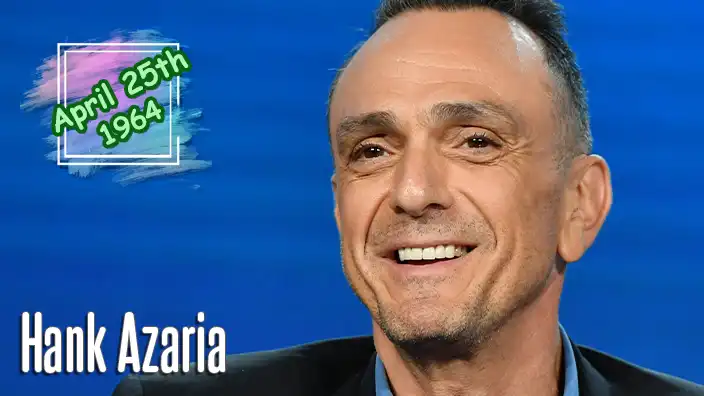
If you’ve ever laughed at a cartoon bartender, a clueless police chief, or a guy yelling “Hey, hey!” in a very specific voice, chances are you’ve already spent quality time with Hank Azaria—whether you realized it or not. The man has more voices than a crowded diner at breakfast, and somehow, he remembers which one to use.
April 25, 1964, in Queens, New York
Trivia
- Hank Azaria voices multiple major characters on The Simpsons.
- He won several Emmy Awards for both voice and live-action performances.
- He attended Tufts University before studying acting professionally.
- He appeared in The Birdcage alongside Robin Williams and Nathan Lane.
- He played David, Phoebe’s boyfriend, on Friends.
- Azaria stepped away from voicing Apu in response to cultural discussions.
- He has worked in film, television, and theater.
- His career spans over three decades in entertainment.

- Details
- Category: Celebrity Birthdays - April
If the Founding Fathers had traded business cards, Thomas Jefferson’s would have needed several lines of very small print. Author of the Declaration of Independence, third President of the United States, diplomat, architect, inventor, philosopher, farmer, and enthusiastic student of just about everything—Jefferson was the sort of man who probably made the rest of the room feel slightly underprepared. When he wasn’t shaping the early direction of the young nation, he was designing buildings, collecting books, or writing letters that historians would later spend centuries analyzing. In short, Jefferson didn’t just help start a country—he also left behind enough ideas to keep historians busy for generations.
April 13, 1743, in Shadwell, Virginia
July 4, 1826, in Monticello, Virginia
Trivia
- Jefferson served as the third President of the United States (1801–1809).
- He completed the Louisiana Purchase in 1803, doubling U.S. territory.
- Jefferson commissioned the Lewis and Clark Expedition.
- His home, Monticello, is now a historic landmark.
- Jefferson helped establish the University of Virginia.
- His personal book collection helped form the Library of Congress.
- Jefferson died July 4, 1826, the 50th anniversary of the Declaration of Independence.
- He is one of the four presidents carved into Mount Rushmore.

- Details
- Category: Celebrity Birthdays - April
Some actors become famous for one role. Others quietly sneak into nearly every movie you’ve seen without you realizing it. John Ratzenberger somehow managed to do both. Millions of television viewers know him as the lovable know-it-all Cliff Clavin from Cheers, while generations of moviegoers have heard his voice pop up again and again in Pixar films. If you’ve ever watched an animated movie and thought, “That voice sounds familiar,” there’s a very good chance it was John Ratzenberger doing what he does best—making characters memorable with a little humor and a lot of personality.
April 6, 1947, in Bridgeport, Connecticut
Trivia
- Studied theater and improv in London
- Appeared briefly in Star Wars: A New Hope
- Created the character Cliff Clavin himself
- Played Cliff on Cheers for eleven seasons
- Received two Emmy nominations for Cheers
- First Pixar role was Hamm in Toy Story
- Has voiced characters in most Pixar films
- Hosted the TV show Made in America
- Advocate for skilled trades and craftsmanship

- Details
- Category: Celebrity Birthdays - April
Some actors spend years trying to land a breakout role. Abigail Breslin managed to do it before she was old enough to drive a car. With her unforgettable performance as the determined, big-eyed Olive in Little Miss Sunshine, Breslin proved that sometimes the smallest person in the room delivers the biggest performance. Since then, she’s grown into a versatile actress who moves comfortably between comedy, drama, horror, and television—often bringing a mix of heart, humor, and just enough attitude to keep things interesting.
April 14, 1996, in New York City
Trivia
- She appeared in her first commercial at age three.
- Breslin starred in Signs (2002) with Mel Gibson.
- Her breakout role was Olive in Little Miss Sunshine.
- She received an Academy Award nomination at age ten.
- Breslin appeared in the horror-comedy Zombieland.
- She starred in the TV series Scream Queens.
- Breslin made her Broadway debut in Cat on a Hot Tin Roof.
- Her two brothers, Spencer and Ryan Breslin, are also actors.

- Details
- Category: Celebrity Birthdays - April
Some actors become famous. A few become legendary. Julie Christie somehow managed to become both while still looking like she wandered onto the movie set by accident and decided to stay. With striking screen presence, sharp intelligence, and a quiet confidence that could command any scene, Christie helped define an era of cinema in the 1960s and beyond. Whether she was starring in sweeping dramas or thoughtful independent films, Julie Christie proved that great acting doesn’t require fireworks—sometimes it just takes a glance, a line delivered perfectly, and the audience leaning forward in their seats.
April 14, 1940, in Chabua, Assam, British India
Trivia
- Her father managed a tea plantation.
- She won the Academy Award for Best Actress for Darling (1965).
- Christie starred as Lara in Doctor Zhivago.
- She played dual roles in Fahrenheit 451 (1966).
- Christie starred in Robert Altman’s McCabe & Mrs. Miller.
- She received an Oscar nomination for Away from Her (2006).
- Christie has been active in environmental causes.
- She trained at London’s Central School of Speech and Drama.

- Details
- Category: Celebrity Birthdays - April
Some actors fade with time. Others age gracefully. And then there is Paul Rudd, who appears to have struck a secret bargain with the universe to remain perpetually thirty-nine. Whether he’s playing a sarcastic best friend, a lovable goofball, or a Marvel superhero who can shrink to the size of a Tic Tac, Rudd has spent decades charming audiences with his easy humor, quick wit, and uncanny ability to look exactly the same year after year. In a career filled with cult classics, blockbuster hits, and scene-stealing TV appearances, Paul Rudd has quietly become one of Hollywood’s most reliable—and likable—leading men.
April 6, 1969, in Passaic, NJ
Trivia
- Studied at University of Kansas
- Breakout film: Clueless
- Played Mike on Friends
- Marvel’s Ant-Man
- Co-wrote Ant-Man and the Wasp
- Named “Sexiest Man Alive” 2021
- Married Julie Yaeger

- Details
- Category: Celebrity Birthdays - April
If Hollywood had a “cool without trying too hard” category, Perry King would’ve quietly won it sometime in the late ’70s and never bothered to mention it again. He’s the kind of actor who didn’t chase the spotlight—it just kept finding him anyway. Give him a leather jacket, a helicopter, or a serious drama, and he’d handle all three like it was just another Tuesday.
April 30, 1948, in Alliance, Ohio
Trivia
- Studied theater at Yale University.
- Early film role in Slaughterhouse-Five (1972).
- Starred as Cody Allen in Riptide during the 1980s.
- Appeared in the influential TV film The Day After.
- Worked extensively in both television and film.
- Known for a calm, understated acting style.
- Has experience as a director and producer.
- Maintained a long, steady career without major breaks.

- Details
- Category: Celebrity Birthdays - April
Selena Quintanilla had the rare ability to step onto a stage and instantly make it feel like a party that everyone was invited to. With dazzling outfits, infectious energy, and a smile that could probably power a small city, she made performing look effortless—even while singing, dancing, and keeping thousands of fans cheering along. If charisma were a musical instrument, Selena would have been playing it louder than the entire band.
April 16, 1971, in Lake Jackson, Texas
March 31, 1995, in Corpus Christi, Texas
Trivia
- Known as the “Queen of Tejano Music.”
- Performed in the family band Selena y Los Dinos.
- Won a Grammy Award in 1994 for Selena Live!.
- Her hit song “Como la Flor” became one of her signature tracks.
- Designed many of her own stage outfits.
- Opened boutique clothing stores in Texas.
- Her album Amor Prohibido became a major Latin music success.
- Her posthumous album Dreaming of You debuted at number one on Billboard.
- Her life inspired the 1997 biographical film, Selena.

- Details
- Category: Celebrity Birthdays - April
Before rock and roll became a worldwide phenomenon, before stadium concerts and screaming fans became the norm, a young man from Tennessee picked up a guitar and helped change music forever. Carl Perkins didn’t just write songs—he wrote songs that other legends wanted to sing. His most famous tune, “Blue Suede Shoes,” became one of the defining tracks of early rock and roll and turned him into a pioneer of a brand-new sound. Along the way he played with icons like Elvis Presley, Johnny Cash, and Jerry Lee Lewis. Not bad for a fellow who started out playing in cotton fields and honky-tonks.
April 9, 1932, in Tiptonville, Tennessee
January 19, 1998, in Jackson, Tennessee
Trivia
- Grew up in a sharecropping family during the Great Depression.
- Recorded at the famous Sun Studio in Memphis.
- Wrote and recorded “Blue Suede Shoes.”
- The song topped country, pop, and R&B charts in 1956.
- Survived a serious car accident early in his career.
- Played with Elvis Presley, Johnny Cash, and Jerry Lee Lewis.
- Part of the legendary “Million Dollar Quartet” session.
- Songs recorded by the Beatles.
- Inducted into the Rock and Roll Hall of Fame in 1987.

- Details
- Category: Celebrity Birthdays - April
If there were a Hall of Fame for instantly recognizable catchphrases, Joey Lawrence would stroll right in, flash that trademark grin, and casually drop a perfectly timed “Whoa!”—because let’s be honest, once you’ve heard it, it’s stuck in your head for life. Some actors are remembered for dramatic monologues or intense roles. Joey Lawrence? He turned one word into a career highlight—and somehow made it work.
April 20, 1976, in Philadelphia, Pennsylvania
Trivia
- Rose to fame as Joey Russo on Blossom.
- Popularized the catchphrase “Whoa!” in the early 1990s.
- Starred with his brothers Matthew and Andrew in Brotherly Love.
- Began acting as a child on Gimme a Break!.
- Released a music album in 1993.
- Starred in Melissa & Joey with Melissa Joan Hart.
- Competed on Dancing with the Stars.

- Details
- Category: Celebrity Birthdays - April
Roselyn Sánchez has the rare ability to walk into a scene and make it look effortless, which is the acting equivalent of someone casually juggling flaming torches while insisting it’s “no big deal.” She brings elegance, humor, and just enough confidence to suggest she probably knows how the story ends before the script does. And if the camera lingers a little longer than usual, well… nobody seems to complain.
April 2, 1973, in San Juan, Puerto Rico
Trivia
- Studied marketing at University of Puerto Rico
- Breakout role: Without a Trace
- Starred in Devious Maids
- Appeared in Rush Hour 2
- Singer and songwriter
- Producer of TV projects

- Details
- Category: Celebrity Birthdays - April
Jennifer Garner is living proof that Hollywood occasionally produces someone who can convincingly play a CIA spy, a romantic comedy lead, a devoted mom, and the friendly neighbor who would absolutely bring cookies to the block party. Whether she’s dodging bad guys on television, charming audiences in romantic comedies, or sharing cheerful cooking videos online, Garner has mastered the art of being both a movie star and someone who seems like she’d happily help you find the flour aisle at the grocery store.
April 17, 1972, in Houston, Texas
Trivia
- She grew up in Charleston, West Virginia.
- Her breakthrough role was CIA spy Sydney Bristow in Alias.
- She won a Golden Globe Award for Alias.
- Garner studied theater at Denison University.
- She once trained extensively in ballet as a child.
- She starred in the popular romantic comedy 13 Going on 30.
- Garner played the Marvel character Elektra in Daredevil and Elektra.
- She has three children with actor Ben Affleck.
- Garner co-founded the organic food company Once Upon a Farm.

- Details
- Category: Celebrity Birthdays - April
Some people grow up in front of the camera and somehow come out the other side still relatable, still warm, and still someone you’d happily invite into your kitchen for a chat and a snack. Valerie Bertinelli is one of those rare cases. She went from teen sitcom star to household name to cooking show favorite—and somewhere along the way, she became the kind of person people feel like they know. The kind who can make you laugh, tear up, and then hand you a plate of something delicious while saying, “Go on, you’ve earned it.”
April 23, 1960, in Wilmington, Delaware
Trivia
- Starred as Barbara Cooper in One Day at a Time (1975–1984).
- Won two Golden Globe Awards for her role on the show.
- Starred in Hot in Cleveland (2010–2015).
- Hosted Valerie’s Home Cooking on Food Network.
- Co-hosted Kids Baking Championship.
- Was married to Eddie Van Halen.
- Mother of Wolfgang Van Halen.
- Has written books, including memoirs and cookbooks.
- Known for her relatable and heartfelt on-screen presence.

- Details
- Category: Celebrity Birthdays - April
Rooney Mara has mastered the rare Hollywood trick of being both mysterious and unmistakable at the same time. One minute she’s quietly delivering an intense, dramatic performance that wins awards and critical praise, and the next she’s starring in a blockbuster or appearing on a red carpet looking like she wandered in from a minimalist art gallery. She tends to pick thoughtful roles, avoids unnecessary Hollywood drama, and somehow manages to make serious acting look almost effortless—though anyone who has seen her transformation into Lisbeth Salander knows she’s not afraid to dive headfirst into challenging characters.
April 17, 1985, in Bedford, New York
Trivia
- Her family owns the New York Giants football team.
- Her mother’s family founded the Pittsburgh Steelers.
- She appeared in The Social Network in the film’s opening scene.
- Mara received an Academy Award nomination for The Girl with the Dragon Tattoo.
- She won Best Actress at the Cannes Film Festival for Carol.
- She founded the Uweza Foundation charity supporting children in Kenya.
- Mara is a long-time vegan and animal rights advocate.
- She has a child with actor Joaquin Phoenix.
From Our Marks Catelog
-
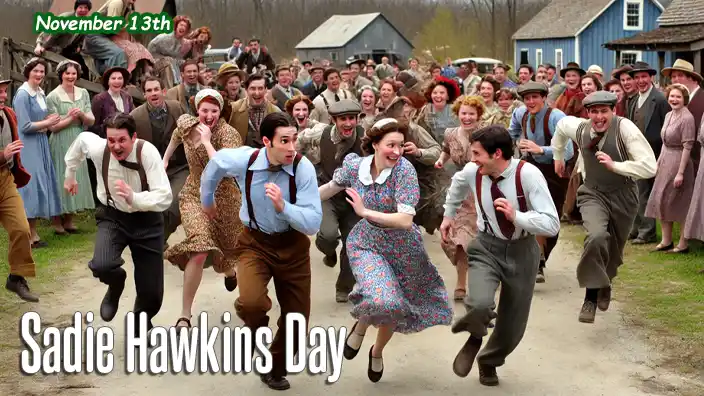
Sadie Hawkins Day is that rare annual event when the tables turn, and the thrill of the chase gets...
-

Pet Rocks are the ultimate low-maintenance pet—no feeding, no walking, no vet bills, and they...
-

The Merchant Navy is like the unsung hero of the high seas, quietly keeping the world...
-

Caribbean Americans bring a special kind of energy that’s hard to miss — the kind that says, “Yes, I work...
-

Logistics is like a high-stakes game of Tetris, but with trucks, ships, and planes instead of...
-
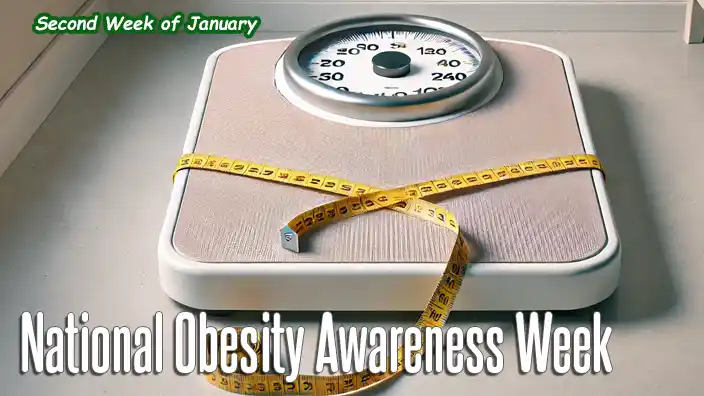
This is not just a 'weigh-in' for your New Year's resolutions, but a time when we collectively tip the...

