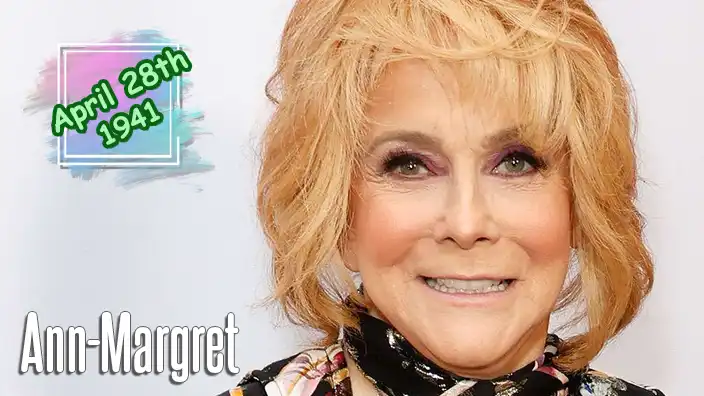
April 28, 1941, in Valsjöbyn, Sweden
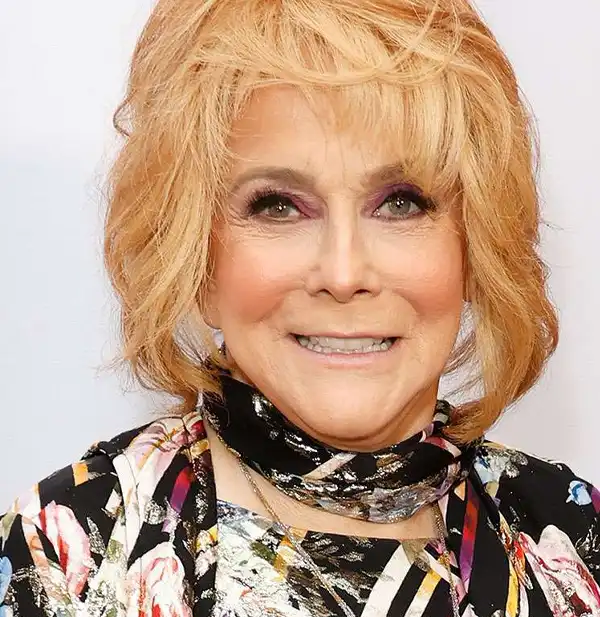
Ann-Margret, born Ann-Margret Olsson on April 28, 1941, in Sweden, didn’t exactly tiptoe into show business—she arrived with a full brass band and a spotlight. Her family moved to the United States when she was a child, settling in Illinois, where she grew up and quickly discovered a love for singing and dancing. By her early teens, she was already winning talent contests, which is usually a good sign that someone is headed for bigger stages.
Her big break came with the 1963 film Bye Bye Birdie, which launched her into instant stardom. Hollywood took one look and said, “Yes, we’ll take ten more of those, please.” She had the voice, the moves, and—let’s be honest—the kind of screen presence that made audiences sit up a little straighter.
Then came 1964 and Viva Las Vegas, where she starred opposite Elvis Presley. Now, sharing the screen with Elvis in his prime was no small task, but Ann-Margret didn’t just keep up—she matched him step for step, note for note. Their chemistry was electric, both on and off screen, and the film remains one of the most beloved musical pairings in Hollywood history.
In fact, many still consider her Elvis’s best co-star, which is saying something when you’re competing with an entire catalog of leading ladies. Their relationship became the stuff of legend, with a bond that lasted long after the cameras stopped rolling.
But Ann-Margret wasn’t content to stay in one lane. While early roles often leaned into her image as a glamorous, energetic performer, she proved she had serious acting chops as well. Her performance in Carnal Knowledge (1971) earned her an Academy Award nomination and a Golden Globe win, showing Hollywood she wasn’t just a musical sensation—she was the real deal.
She continued to evolve, earning a second Oscar nomination for Tommy (1975) and later winning an Emmy Award, proving she could thrive across decades, genres, and formats.
Off-screen, her life was just as compelling. She married actor Roger Smith in 1967, and the two remained together for 50 years—a rarity in Hollywood that deserves its own award category. He later became her manager, guiding her career through its many phases.
And then there’s the motorcycle thing. Because of course there is. Ann-Margret developed a lifelong love of riding, even incorporating motorcycles into her performances. She wasn’t just playing a daring character—she was one.
Through it all, she maintained a reputation for energy, professionalism, and a spark that never quite dimmed. Even in later years, she continued to appear in films and television, proving that some stars don’t fade—they just shift gears and keep going.