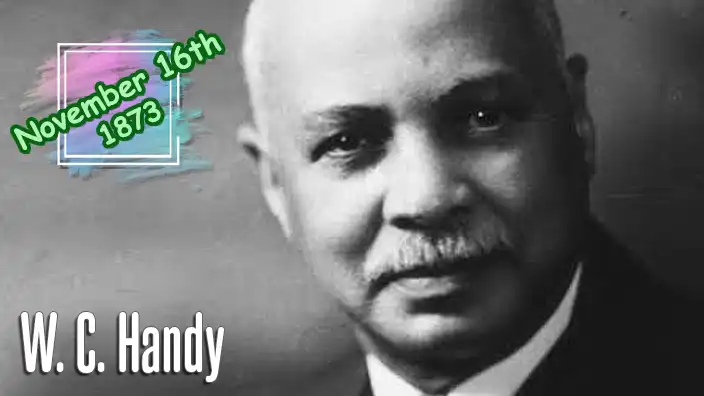
November 16, 1873, in Florence, Alabama
 March 28, 1958, in New York City

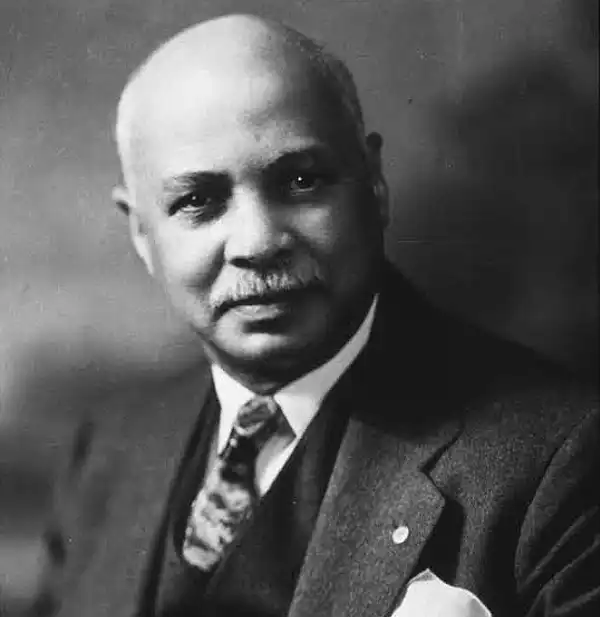
William Christopher Handy was born on November 16, 1873, in Florence, Alabama, during a period when the American South was undergoing profound social and economic changes following the Civil War. His parents, Charles Barnard Handy and Elizabeth Brewer Handy, raised their family in a religious household where education, discipline, and church attendance were important parts of everyday life. His father was a minister who regarded certain forms of popular music, particularly the blues, as unsuitable entertainment. This presented an interesting problem for young William, who was fascinated by musical sounds and instruments. While his father hoped he would pursue a respectable profession, Handy was already developing the interests that would eventually make him one of the most influential figures in American music history.
As a child, Handy demonstrated an extraordinary curiosity about music, particularly the sounds he encountered in everyday life. He listened to church hymns, work songs, spirituals, and the distinctive musical traditions of African American communities throughout the South. He became fascinated with the guitar, but his father's disapproval of the instrument discouraged him from pursuing it openly. Handy later recalled purchasing a guitar with money he had saved, only to have his father insist that he exchange it for a dictionary. It was probably an excellent dictionary, but history suggests that the guitar might have been the more promising investment. Fortunately, Handy's interest in music survived these early disagreements, and he eventually learned to play the organ, cornet, and trumpet.
Handy's early education included attendance at Teachers Agricultural and Mechanical College in Huntsville, Alabama, now known as Alabama A&M University. He also worked as a schoolteacher, briefly following a conventional professional path before deciding that music offered greater personal satisfaction. During the 1890s, he traveled extensively throughout the South and Midwest, working various jobs while pursuing opportunities to perform. His experiences included periods of considerable financial hardship, during which he sometimes struggled to find employment or suitable accommodation. These difficulties exposed him to the lives of ordinary working people, whose experiences of hardship, disappointment, perseverance, and humor would become central themes in the blues music he later helped popularize.
Handy joined Mahara's Minstrels, a traveling musical organization, in 1896 and subsequently became its bandleader. The company toured extensively, introducing him to audiences and musical traditions across the United States and beyond. His travels provided invaluable experience in arranging music, conducting ensembles, and understanding what audiences enjoyed. Although minstrel entertainment belonged to a theatrical tradition deeply associated with racial stereotypes and discrimination, the professional opportunities available to Black musicians during this period were severely restricted. Handy's work within this environment helped him develop the practical musical skills and business knowledge that would prove essential to his later achievements.
In 1900, Handy accepted a position teaching music at Alabama Agricultural and Mechanical College. However, his interest in popular music and the possibilities of professional performance soon drew him away from academic life. By 1903, he was leading a band in Clarksdale, Mississippi, in the heart of the Mississippi Delta. It was during this period that he encountered musical performances that profoundly influenced his understanding of the blues. One particularly memorable experience occurred at a railway station in Tutwiler, Mississippi, where Handy heard a man playing a guitar using a knife blade to produce sliding notes while singing about traveling on the Southern Railroad. The unusual musical structure, expressive vocal delivery, and haunting instrumental sounds fascinated Handy, who recognized that he was hearing something quite different from the formal compositions he had studied.
Handy's experiences in the Mississippi Delta introduced him to the musical traditions of African American laborers, farmers, and traveling performers. These musicians often performed songs that expressed personal struggles, romantic disappointments, financial difficulties, and the ordinary frustrations of everyday life. Their music frequently incorporated repeated lyrical phrases, expressive vocal techniques, and flexible rhythms that differed from the conventions of European classical music. Handy became particularly interested in the use of flattened notes, often called blue notes, which gave the music its distinctive emotional quality. Rather than dismissing these performances as unsophisticated folk entertainment, he recognized their artistic value and began considering how their musical characteristics might be adapted for larger ensembles and published compositions.
One of the most important moments in Handy's musical development occurred around 1905, when he heard a local string band performing at a dance in Cleveland, Mississippi. According to Handy's later recollections, the musicians played a repetitive blues-based tune that captivated the audience, who enthusiastically showered the performers with money. Handy, whose own band was trained to perform polished arrangements of popular dance music, was astonished by the response. The experience demonstrated that audiences possessed an enormous appetite for the blues, even if established musical institutions had largely ignored the style. It also taught Handy an important lesson about the entertainment business: musical sophistication was admirable, but understanding what people actually wanted to hear was considerably more profitable.
By 1909, Handy had established himself in Memphis, Tennessee, where he became an influential bandleader, composer, and music arranger. Memphis was an important commercial and cultural center, bringing together musicians from Mississippi, Arkansas, Tennessee, and other parts of the South. Its thriving entertainment districts provided opportunities for performers to experiment with different musical styles, including ragtime, popular dance music, and the developing blues tradition. Handy became particularly associated with Beale Street, which would eventually become one of America's most celebrated musical landmarks. His experiences in Memphis helped transform his understanding of the blues from a regional folk tradition into a form of popular music with enormous commercial potential.
In 1909, Handy composed a campaign song titled "Mr. Crump" for Edward Hull Crump, a Memphis political candidate. The composition incorporated blues characteristics and reflected Handy's growing interest in combining traditional musical elements with formal arrangements. The song subsequently evolved into "The Memphis Blues," which was published in 1912 and became one of the earliest commercially successful blues compositions available as sheet music. Although Handy initially sold the rights for a relatively modest payment, the publication helped introduce blues music to audiences far beyond the American South. Its success demonstrated that the blues could be arranged, printed, distributed, and performed by professional musicians throughout the country.
The publication of "The Memphis Blues" represented a turning point in American popular music. Before the widespread availability of recordings and radio broadcasts, sheet music was one of the principal methods through which new compositions reached audiences. Families purchased printed music to play on household pianos, while professional bands used published arrangements to expand their repertoires. By translating elements of the blues into written musical notation, Handy helped make the style accessible to musicians who had never visited the Mississippi Delta or heard traditional blues performers firsthand. His arrangements did not reproduce every characteristic of the original folk tradition, but they provided an important bridge between regional African American music and the rapidly expanding national entertainment industry.
Handy's most famous composition, "St. Louis Blues," appeared in 1914 and became one of the most influential songs in American popular music history. The composition combined blues elements with a distinctive habanera-influenced rhythm, demonstrating Handy's willingness to experiment with different musical traditions. Its lyrics expressed romantic disappointment and emotional longing, themes that audiences immediately recognized regardless of their personal backgrounds. Unlike many earlier blues compositions, "St. Louis Blues" featured a sophisticated musical structure that appealed to both popular performers and formally trained musicians. The song became an international success, generating numerous recordings and performances by some of the most celebrated artists of the twentieth century.
Among the performers who helped establish "St. Louis Blues" as a musical standard were Bessie Smith, Louis Armstrong, and numerous jazz and popular music orchestras. Bessie Smith's celebrated 1925 recording, featuring Armstrong on cornet, became one of the defining interpretations of the composition. The recording demonstrated the extraordinary emotional possibilities of the blues, combining Smith's powerful vocal performance with Armstrong's expressive instrumental accompaniment. Over the following decades, the song appeared in countless arrangements, recordings, films, and concert performances. Its remarkable longevity confirmed Handy's ability to create music that transcended changing fashions and continued speaking to audiences long after its original publication.
In 1914, Handy also published "Yellow Dog Rag," later known as "Yellow Dog Blues," another composition inspired by his experiences with traditional blues performers. The song drew upon the railway imagery and musical expressions he had encountered in Mississippi, particularly the performance he remembered hearing at Tutwiler. Its title referred to the Yazoo Delta Railroad, popularly nicknamed the Yellow Dog. The composition helped preserve elements of regional musical folklore while introducing them to a wider commercial audience. Handy's ability to transform everyday encounters into memorable compositions became one of his greatest strengths, although railway officials might reasonably have wondered why their transportation services were inspiring so many songs about romantic disappointment.
Another important Handy composition, "Beale Street Blues," appeared in 1916 and celebrated the lively Memphis thoroughfare that had become central to his musical career. The song captured the atmosphere of a neighborhood known for its entertainment venues, businesses, performers, and distinctive cultural identity. Beale Street subsequently became internationally associated with blues music, attracting generations of musicians and visitors interested in its remarkable history. Handy's composition helped establish the street's reputation long before modern tourism transformed it into a major destination. His association with Memphis remains particularly strong, and his influence continues to be recognized through the city's musical institutions, historical attractions, and public commemorations.
As his compositions gained popularity, Handy became increasingly involved in the business of music publishing. He recognized that composers, particularly African American musicians, frequently lost control of their work through unfavorable contracts and exploitative arrangements. Determined to protect his compositions and establish greater financial independence, he developed a publishing partnership with Harry H. Pace. Their company, Pace & Handy Music Company, became an important enterprise in the growing market for blues and popular music. The business eventually relocated to New York City, placing Handy closer to the center of America's music publishing industry and providing access to a much larger commercial market.
Handy's achievements as a publisher were especially significant during an era when racial discrimination restricted opportunities for Black entrepreneurs. Music publishing was dominated by established companies that often profited from African American musical innovations without providing fair compensation to their creators. By establishing his own publishing operations, Handy demonstrated that Black composers could participate directly in the commercial success of their music. His efforts helped create opportunities for other musicians and contributed to the broader recognition of African American contributions to American popular culture. While the music business remained far from equitable, Handy's accomplishments represented an important example of artistic independence and entrepreneurship.
The growing popularity of blues music during the 1920s coincided with major developments in recording technology, radio broadcasting, and the entertainment industry. Performers such as Mamie Smith, Bessie Smith, Ma Rainey, and numerous others introduced blues recordings to increasingly enthusiastic audiences. Handy's compositions became part of this expanding musical landscape, helping connect the earlier traditions of Southern folk blues with commercial recording and performance. His influence was not limited to individual songs; he helped establish a musical vocabulary that informed the development of jazz, rhythm and blues, rock and roll, and many other genres. The familiar twelve-bar blues structure, expressive blue notes, and emotionally direct lyrics became essential elements of American popular music.
Despite his reputation as the "Father of the Blues," Handy never claimed to have invented the musical tradition itself. The blues developed within African American communities through generations of musical expression, drawing upon spirituals, work songs, field hollers, and other cultural influences. Handy's particular achievement was recognizing its artistic and commercial possibilities, incorporating its characteristics into published compositions, and helping introduce it to a national and international audience. His title therefore reflects his role in popularizing and documenting the blues rather than creating it from nothing. The distinction is important because the history of the blues belongs to countless musicians, many of whom performed anonymously and never received recognition for their contributions.
Handy's influence extended beyond composition and publishing into historical documentation and musical education. In 1926, he published Blues: An Anthology, a collection of blues compositions that helped preserve and promote the musical tradition. The book included an introduction by the distinguished poet and novelist Langston Hughes, reflecting the growing recognition of blues music as an important expression of African American culture. Handy also wrote about the history and development of the music, sharing his experiences with musicians, performers, and audiences who wanted to understand its origins. His publications helped ensure that the blues would be studied as a significant cultural achievement rather than dismissed as a passing entertainment fashion.
In 1941, Handy published his autobiography, Father of the Blues, which provided a detailed account of his childhood, musical education, travels, professional struggles, and eventual success. The book remains an important historical source, offering firsthand descriptions of musical life in the American South during the late nineteenth and early twentieth centuries. Handy's recollections of Mississippi performers, traveling bands, and the early commercial music industry have contributed significantly to historians' understanding of blues development. Like many autobiographies, the work reflects its author's personal memories and interpretations, but its descriptions preserve valuable information about a musical world that might otherwise have disappeared from the historical record.
Handy's personal life included marriage, fatherhood, professional achievements, and considerable hardship. He married Elizabeth Virginia Price in 1896, and the couple had six children. Following her death in 1937, he married his secretary, Irma Louise Logan, in 1954. Throughout his life, Handy faced the challenges of maintaining a demanding professional career while supporting his family and navigating the racial barriers of American society. His determination to succeed in music required considerable persistence, particularly during periods when opportunities for African American composers and businessmen were limited by segregation and discriminatory practices.
During his later years, Handy experienced serious difficulties with his eyesight, eventually becoming blind. Despite this loss, he remained an important public figure and continued receiving recognition for his contributions to American music. His compositions were performed by successive generations of musicians, and his reputation grew as historians and cultural institutions increasingly acknowledged the significance of the blues. The development of jazz, swing, rhythm and blues, and early rock and roll further demonstrated the enormous influence of the musical traditions he had helped popularize. Even as musical fashions changed, Handy's compositions remained familiar to audiences and performers around the world.
In 1958, Hollywood released St. Louis Blues, a musical biographical film inspired by Handy's life and starring Nat King Cole in the title role. The film also featured Eartha Kitt, Pearl Bailey, Cab Calloway, and other prominent entertainers. Although the production dramatized aspects of Handy's experiences, it introduced his story and music to a new generation of moviegoers. The film's release came during the final months of Handy's life, providing a remarkable public acknowledgment of his influence on American entertainment. Few composers have the opportunity to see their life story adapted for the cinema while their musical legacy continues influencing contemporary performers.
W. C. Handy died on March 28, 1958, in New York City. His funeral at the Abyssinian Baptist Church in Harlem attracted an enormous gathering of mourners, reflecting the respect and affection he had earned throughout his lifetime. His death marked the passing of one of the most important figures in the history of American popular music, but the compositions he created and the musical traditions he championed continued to flourish. The blues had already become an essential foundation of modern music, influencing performers across racial, cultural, and national boundaries.
Handy's legacy is preserved through numerous museums, monuments, awards, and musical institutions. The W. C. Handy Home and Museum in Florence, Alabama, commemorates his birthplace and early life, while Memphis honors his association with Beale Street and the development of commercial blues music. The Blues Foundation, based in Memphis, presents the Blues Music Awards, which were originally known as the W. C. Handy Awards. These honors recognize outstanding achievements by contemporary blues performers and help maintain public awareness of the genre's remarkable history. Handy was also inducted into the Songwriters Hall of Fame in 1970 and the Nashville Songwriters Hall of Fame in 1983.
The influence of W. C. Handy can be heard in countless recordings spanning more than a century of musical development. Jazz musicians adopted the blues as a foundation for improvisation, rhythm and blues performers expanded its emotional and rhythmic possibilities, and rock and roll artists transformed its familiar musical patterns into a new international phenomenon. From Louis Armstrong and Bessie Smith to later generations of blues, jazz, and rock musicians, the musical language Handy helped bring into the mainstream has remained extraordinarily influential. His compositions continue to be performed, recorded, studied, and enjoyed, demonstrating the lasting appeal of music rooted in genuine human experience.
W. C. Handy's remarkable journey from a minister's household in Florence, Alabama, to international recognition as the "Father of the Blues" illustrates the power of musical curiosity, determination, and cultural understanding. He recognized beauty and artistic importance in music that many established authorities overlooked, then devoted his career to ensuring that wider audiences could appreciate it. He did not invent the blues, but he helped give it a prominent place in American musical history, preserving and popularizing a tradition that would influence generations of performers. And considering how much modern music owes to the blues, it is probably fair to say that Handy helped change the soundtrack of the world. Not bad for a young man whose father once thought a dictionary was a better investment than a guitar.
References & Sources