Mark The Days - September

September arrives like a polite librarian after the rowdy summer party—straightening chairs, lowering voices, and gently reminding you that fun isn’t canceled, it’s just on a tighter schedule. It’s the month where kids trudge back to school, parents secretly celebrate, and sweaters begin to side-eye you from the back of the closet. The grill’s still warm, but the calendar’s hinting at responsibility. Still, September has its share of celebrations—from cheese pizza to talk-like-a-pirate day—because if we’re going to pretend we’ve got it together, we might as well do it with flair.

- Details
Swapping ideas is like trading snacks at lunch—you never know if you're going to get something amazing, like a slice of pizza, or something questionable, like a soggy pickle. But hey, even a weird idea might spark some brilliance! Maybe your friend’s "pickle idea" pairs perfectly with your "pizza concept," and suddenly you’ve created something new and tasty—like a pickle-topped pizza (okay, maybe not that). But you get the point—sometimes, the best ideas come from the unlikeliest exchanges!
Celebrated: Annually, on September 10th
Celebrate National Swap Ideas Day on September 10th by sharing and exchanging thoughts to spark creativity, innovation, and teamwork in various aspects of life.


- Details
There’s something about that velvety, melt-in-your-mouth goodness that makes everything better—bad days, awkward first dates, even that time you forgot your mother-in-law’s birthday. Whether it’s wrapped in shiny foil or drizzled over a sundae, it’s the universal cure-all for life's little mishaps. Let's be honest: no one ever says, “I regret that truffle.”
Celebrated: Annually, on September 13th
Celebrate International Chocolate Day with a deep dive into the history, fun facts, and delicious ways to enjoy chocolate. Indulge in this sweet tradition!


- Details
Grandma Moses proves that age is just a number, and a pretty irrelevant one at that—especially when you start painting at 78! While most people her age were probably perfecting the art of napping or complaining about the weather, she was busy capturing landscapes on canvas and becoming a world-famous artist. If Grandma Moses can take up painting in her late 70s and still achieve success, what’s stopping the rest of us from picking up a new hobby, whether it's pottery, knitting, or competitive skydiving? The moral here: it's never too late to be amazing, so don't let a few extra candles on the cake hold you back!
Celebrated: Annually, on September 7th
Celebrate National Grandma Moses Day on September 7th, honoring the folk artist who began painting in her late 70s and became an international sensation.


- Details
There was a time when your biggest workplace worry was whether the copier would jam again. Now, you’ve got Artificial Intelligence quietly drafting emails, organizing your schedule, and possibly judging your typing speed. National AI at Work Day is here to celebrate the fact that your newest coworker doesn’t need coffee breaks, never calls in sick, and somehow still manages to make you look more productive than you actually are. The only real question left is… do you thank it, or just hope it doesn’t start asking for a raise?
Celebrated: Annually, on September 30th
Learn how artificial intelligence is transforming jobs, boosting productivity, and reshaping the modern workplace.


- Details
Pet Rocks are the ultimate low-maintenance pet—no feeding, no walking, no vet bills, and they never shed on the furniture. They’re the perfect companion for anyone who struggles with commitment or just really appreciates the art of doing nothing. Plus, they’re always in a good mood—whether you’re out at work or binge-watching TV, your Pet Rock will be right where you left it, patiently waiting for some quality time (or not). And if you’ve ever had a pet that ran away, rest easy; this one’s not going anywhere.
Celebrated: Annually, on the First Sunday in September
Celebrate National Pet Rock Day by honoring the simplicity and joy of having a low-maintenance companion. Discover the rock-solid legacy of the Pet Rock phenomenon.

- Details
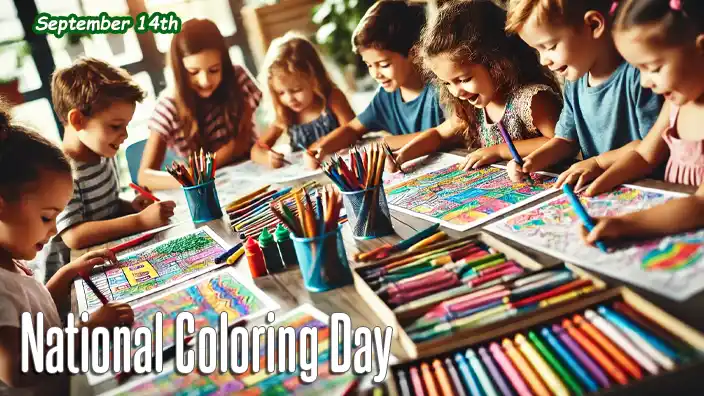
Coloring is one of those rare activities where you can feel both wildly creative and completely out of control at the same time. You start with good intentions—"I’ll stay in the lines this time!"—but halfway through, the sun is purple, the dog is neon green, and the sky is some shade of regret. By the end, you’re not sure if you’ve made a masterpiece or a cry for help, but at least it’s colorful. And let's be honest: no one ever judged Picasso for not coloring inside the lines.
Celebrated: Annually, on September 14th
Celebrate National Coloring Day on September 14th by rekindling your childhood joy of coloring. Embrace creativity and enjoy stress relief with crayons, markers, or digital tools.


- Details
There’s always that moment in a meeting or classroom when the silence stretches just a little too long, and you know someone has to ask the question. You can feel it in the pit of your stomach: "Is it me? Am I going to be that person?" And then, like a brave but slightly clueless hero, you raise your hand and ask, “Wait, what’s Wi-Fi again?” Cue the sighs, eye-rolls, and a smirk or two. But here’s the kicker: while everyone else was too afraid to ask, you just saved the room. Sure, you might feel a little silly, but at least now nobody will have to Google it later in secret.
Celebrated: Annually, on September 28th
Celebrate curiosity on September 28 with Ask a Stupid Question Day, a national event encouraging questions without fear of judgment. Discover its history and how to join the fun.


- Details
Space may be the final frontier, but today it’s just your living room — and we’re still boldly going. Star Trek Day is here, which means it’s time to dust off your communicator, straighten your Starfleet uniform (or bathrobe, we’re not judging), and prepare for warp speed nostalgia. Whether you’re a die-hard Trekkie who can explain warp field mechanics or you think “beam me up” sounds cool, this day is for celebrating starships, Spock logic, and the only future where the Wi-Fi actually works across the galaxy.
Celebrated: Annually, on September 8th
Celebrate Star Trek Day on September 8 with humor, history, and warp-speed fun. Beam up trivia, binge episodes, and live long and prosper.


- Details
Coconuts are like nature’s version of a prank—just when you think you’ve got them figured out, they hit you with another surprise. First, you spend ten minutes trying to crack one open, questioning every life choice that led you to this point. Then, just when you finally manage to break through that rock-hard shell, you’re showered with a tidal wave of coconut water, leaving you drenched and slightly defeated. But the coconut isn’t done with you yet—next comes the challenge of extracting the meat, which sticks to the shell like it’s auditioning for a role in “Mission: Impossible.” Yet somehow, despite all the hassle, that first bite makes it all worth it, as you savor the sweet taste of victory…and coconut.
Celebrated: Annually, on September 2nd
Discover the wonders of coconuts on World Coconut Day! From its global travels to versatile uses, the coconut is a true tropical treasure. Learn more about this iconic fruit.


- Details
Ginger cats aren’t just cats — they’re furry stand-up comedians who moonlight as tiny chaos coordinators. They’ll lovingly curl up on your lap… right after they’ve knocked your phone off the counter, stolen your warm seat, and stared you down for daring to eat a snack without sharing. Living with a ginger cat is like having a roommate who pays no rent, keeps weird hours, and insists they own the place — and honestly, we wouldn’t have it any other way.
Celebrated: Annually, on September 1st
Discover the fiery world of Ginger Cat Appreciation Day: origin story of Doobert, fun facts, celebration tips, and why these orange furballs steal our hearts.


- Details
Picture this: someone walks up with a prescription scribbled in hieroglyphics, expecting an instant translation into a perfectly measured dosage. Add to that the barrage of questions like, “Can I take this with pizza?” and “What happens if I double up just once?” While everyone else runs around looking for answers on the internet, one person is calmly deciphering a doctor’s scrawl, calculating doses, and patiently explaining that, yes, you should absolutely finish the antibiotics. They’re the human firewall between your system and chaos!
Celebrated: Annually, on September 25th
Celebrate World Pharmacists Day on September 25th, honoring the unsung heroes who manage our medications and provide essential healthcare advice with expertise and patience.


- Details
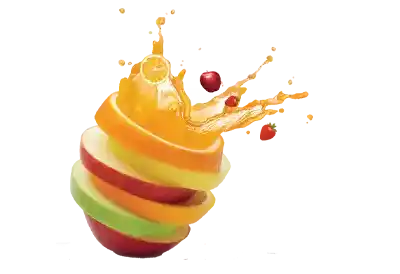
The results can vary wildly depending on what you toss into the Punch mix. Add too much fruit juice, and you’ve got a sugary concoction that makes you feel like a toddler at a birthday party—bouncing off the walls and crashing hard. Spike it with a bit too much rum, and suddenly, you’re the life of the party, offering everyone advice they didn’t ask for and rediscovering your love for 80s dance moves. Throw in some soda, and now you’re just a fizzy mystery waiting to happen. Whatever the ingredients, punch is a gamble but always an entertaining one!
Celebrated: Annually, on September 20th
Celebrate National Punch Day and explore the rich history and global variations of this fruity, festive beverage that brings people together. Raise a glass and toast to punch!

- Details
If there were ever a holiday your dog could get behind—literally and enthusiastically—it’s National Hug Your Hound Day. This is the one day where your dog’s lifelong mission of being as close to you as physically possible finally pays off in an official, calendar-approved way. Expect extra tail wagging, surprise face licks, and the sudden realization that personal space is more of a suggestion than a rule. Whether your dog is a gentle giant or a tiny tyrant with a bark three sizes too big, today’s the day to give them the kind of hug they’ve been patiently (and not-so-patiently) waiting for since, well… yesterday.
Celebrated: Annually, on the Second Sunday in September
Celebrate National Hug Your Hound Day with this fun guide to dog love, loyalty, and simple ways to show appreciation for your canine companion.


- Details
Giving to charity is like ordering a pizza for someone else—it feels good, everyone benefits, and you get to look like a hero without breaking a sweat. The best part? You get to bask in the glow of goodwill, even if all you did was click "donate" from the comfort of your couch, still in your pajamas. Sure, you’re not solving world hunger with a five-dollar donation, but you’re definitely making a dent—and maybe even justifying that extra-large latte you had this morning.
Celebrated: Annually, on September 5th
Discover the essence of charity from ancient times to modern philanthropy. Learn about the International Day of Charity and its humorous side.

- Details
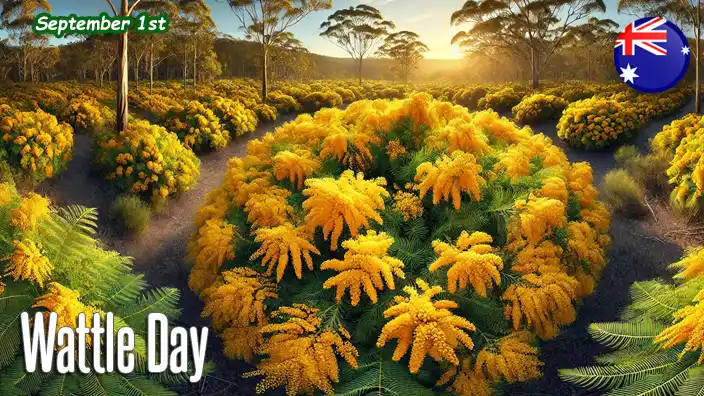
On Wattle Day, Australians don’t just stop to smell the flowers—they practically throw a party for them! Imagine a day where wearing a sprig of wattle on your lapel is like donning your most fashionable outfit, where the smell of wattle seeds roasting in the oven rivals even the best barbie, and where the simple act of planting a tree becomes a national pastime. It’s a day when Australians celebrate a flower that’s as tough as the Outback and as bright as the sun, proving once again that down under, even the plants have a sense of humor!
Celebrated: Annually, on September 1st
Discover the significance of Wattle Day in Australia, celebrating the country's national spirit and resilience through the golden blooms of the wattle flower. Explore the history and cultural importance of this cherished tradition.

- Details
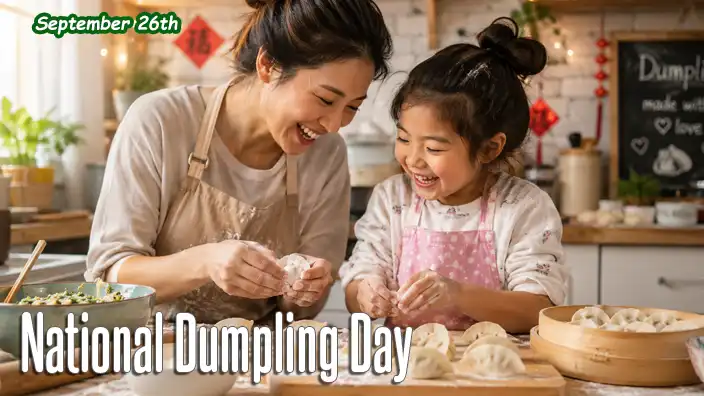
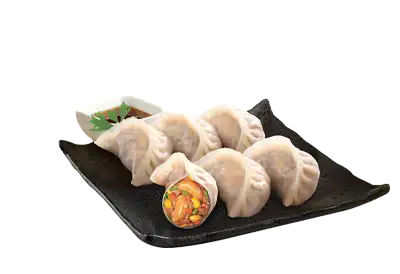
Some foods require expensive ingredients, fancy equipment, and years of culinary training. Dumplings politely ignore all of that. They have spent thousands of years proving that wrapping something delicious in dough is one of humanity's greatest ideas. Whether they're pinched, folded, twisted, or accidentally shaped like a lumpy potato, dumplings have an amazing ability to bring people together—and to convince everyone at the table that one more couldn't possibly hurt.
Celebrated: Annually, on September 26th
Celebrate National Dumpling Day with a smile as you explore the history, traditions, fun facts, and irresistible flavors of one of the world's favorite comfort foods

- Details
On Mexican Independence Day, it’s not just about history; it’s about showing the world how to party with purpose! You’ve got the Grito (a battle cry that sounds suspiciously like someone stubbed their toe), fireworks that rival the 4th of July, and enough food to fuel an army—because, well, that’s how this all started. If you’re not waving a flag, eating chiles en nogada, or attempting to explain that Cinco de Mayo is a totally different thing (again), are you even celebrating properly? In Mexico, they don’t just win independence—they throw a fiesta so good it makes you want to fight for freedom all over again. ¡Viva México!
Celebrated: Annually, on September 16th
Discover the vibrant celebrations and historical significance of Mexican Independence Day, marking Mexico's freedom from Spanish rule in 1810. ¡Viva México!

- Details
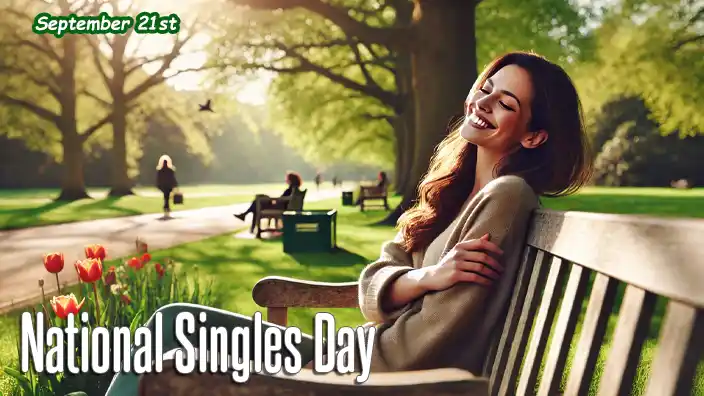
No one ever complains when you finish off an entire pizza by yourself, and there’s no need to explain why you’re watching your favorite show for the third time in a week. The beauty of solo living? Absolute control over the thermostat, total domination of the remote, and zero obligation to share snacks. It’s the freedom to plan last-minute adventures or indulge in a marathon of “me time” without the need for compromise. And when your only argument is with the laundry pile, you know you’re winning!
Celebrated: Annually, on September 21st
Celebrate National Singles Day by embracing the freedom, independence, and fabulousness of solo life. Discover the history and enjoy being single unapologetically.

From Our Marks Catelog
-

Fashion is like a never-ending talent show where everyone’s invited, but no one quite knows the rules....
-

Diving into a new book is like going on a blind date arranged by your most eccentric friend....
-

Ah, Festivus, the holiday for the rest of us! It's that special time of year when you can gather...
-

Imagine being a member of the Wide Awakes—dressing up in a shiny oilcloth cape, grabbing your...
-

Adopting a cat is a beautiful act of love… and also a legally binding agreement to be judged in...
-

Emergency services are like real-life superheroes, swooping in when things go wrong. One minute, they’re...

