Mark The Days - September

September arrives like a polite librarian after the rowdy summer party—straightening chairs, lowering voices, and gently reminding you that fun isn’t canceled, it’s just on a tighter schedule. It’s the month where kids trudge back to school, parents secretly celebrate, and sweaters begin to side-eye you from the back of the closet. The grill’s still warm, but the calendar’s hinting at responsibility. Still, September has its share of celebrations—from cheese pizza to talk-like-a-pirate day—because if we’re going to pretend we’ve got it together, we might as well do it with flair.
- Details
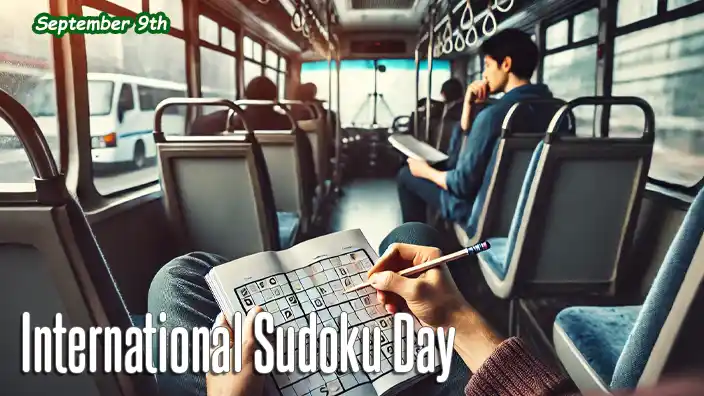
Sudoku is like a game of numbers where you start confidently, thinking, “How hard can filling in some boxes be?” Five minutes later, you’re staring at the grid, convinced it’s mocking you. You’re sure you have it all figured out until you realize that, somehow, you've managed to put three number 7s in one row. Suddenly, what felt like a fun mental workout becomes a battle of wits between you and a box of tiny numbers, and spoiler alert: the numbers are winning.
Celebrated: Annually, on September 9th
Discover the global phenomenon of Sudoku, from its origins to its universal appeal and benefits. Celebrate International Sudoku Day with fun ways to indulge your inner puzzle master.
- Details
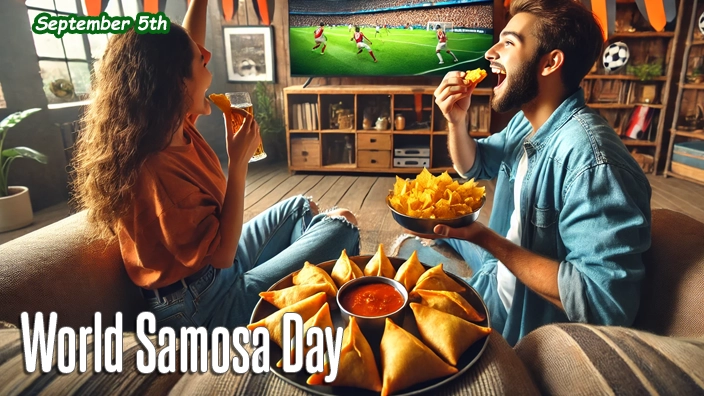
The samosa—nature's perfect triangle. It's as if someone took a geometry lesson and thought, "You know what would make this better? Potatoes and spices!" One bite into that crispy, golden pastry and you’re instantly reminded that, yes, happiness can indeed be deep-fried. It's the only time you can eat a snack, burn your mouth, and still keep going because who needs taste buds when you've got a plate of samosas in front of you?
Celebrated: Annually, on September 5th
Discover the rich history and global appeal of the iconic samosa, a beloved triangular pastry filled with savory goodness. Celebrate World Samosa Day with a plate of these crispy delights!
- Details
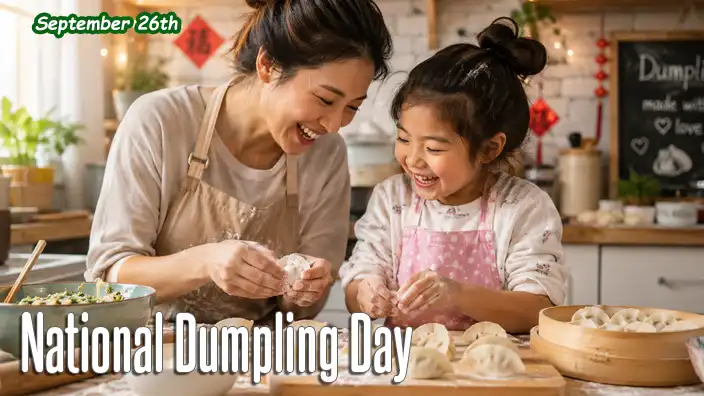
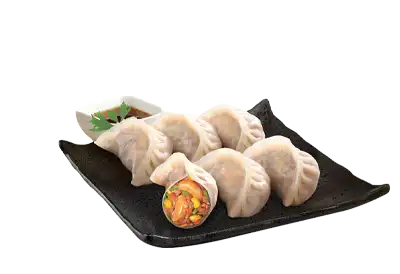
Some foods require expensive ingredients, fancy equipment, and years of culinary training. Dumplings politely ignore all of that. They have spent thousands of years proving that wrapping something delicious in dough is one of humanity's greatest ideas. Whether they're pinched, folded, twisted, or accidentally shaped like a lumpy potato, dumplings have an amazing ability to bring people together—and to convince everyone at the table that one more couldn't possibly hurt.
Celebrated: Annually, on September 26th
Celebrate National Dumpling Day with a smile as you explore the history, traditions, fun facts, and irresistible flavors of one of the world's favorite comfort foods
- Details
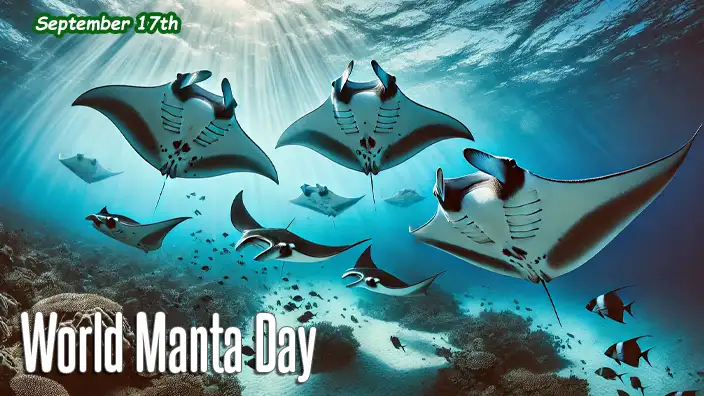
If you've ever wanted to see a flying carpet underwater, look no further than the Manta Ray. With wingspans wide enough to rival a small airplane, these graceful giants glide through the ocean like they're late for an underwater gala. They spend their days doing backflips, vacuuming up plankton, and generally making the rest of us look bad with their effortless elegance. And let’s be honest—if you were built like a stealth bomber and could leap out of the ocean just for fun, you’d show off a bit too.
Celebrated: Annually, on September 17th
Celebrate World Manta Day on September 17th, raising awareness for the majestic manta rays and their conservation. Learn about their grace, intelligence, and oceanic life.

- Details
Google is the digital genie that knows everything—whether you asked for it or not. It’s the place you go for life’s big questions, like "What’s the meaning of life?" or "How do I fix my Wi-Fi?"—and the not-so-big ones, like "Is my left nostril supposed to feel tingly?" Within seconds, it serves up an encyclopedia of knowledge, conspiracy theories, and the occasional cat meme. Google has become so essential that "just Google it" is the answer to any question, except, of course, when Google itself asks you to prove you’re not a robot. Ah, the irony!
Celebrated: Annually, on September 15th
Celebrate National Google.com Day on September 15th by exploring the history, quirks, and frustrations of the search engine that has become synonymous with 'look it up.'


- Details
There was a time when your biggest workplace worry was whether the copier would jam again. Now, you’ve got Artificial Intelligence quietly drafting emails, organizing your schedule, and possibly judging your typing speed. National AI at Work Day is here to celebrate the fact that your newest coworker doesn’t need coffee breaks, never calls in sick, and somehow still manages to make you look more productive than you actually are. The only real question left is… do you thank it, or just hope it doesn’t start asking for a raise?
Celebrated: Annually, on September 30th
Learn how artificial intelligence is transforming jobs, boosting productivity, and reshaping the modern workplace.


- Details
There are jobs where you can ease into your day, check a few emails, and maybe take a long lunch. Then there’s law enforcement—where your “quiet morning” can turn into a full-blown situation before you’ve finished your coffee. The women who serve in policing don’t just keep up with that pace—they set it. Calm under pressure, sharp when it counts, and always ready for whatever comes next, they’ve mastered the art of handling chaos… often with better organization than the rest of us manage on a good day.
Celebrated: Annually, on September 12th
Learn about National Police Woman Day, its history, and the role of women in modern policing.

- Details
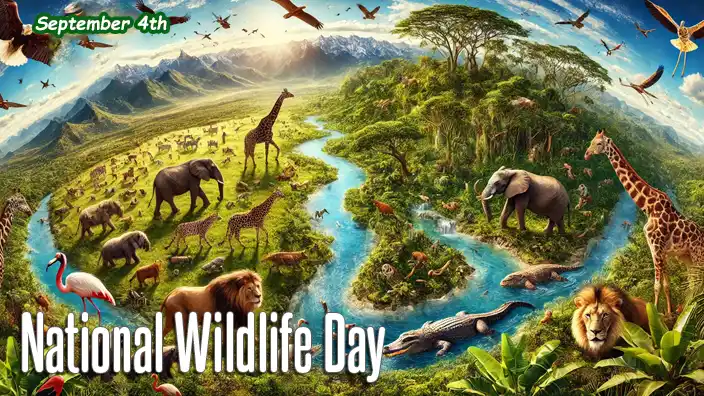
In the great drama of nature, some animals seem to have been cast purely for comic relief—like the sloth, which looks like it’s perpetually stuck in slow-motion, or the penguin, which waddles around like it’s wearing a tuxedo two sizes too big. And let's not forget the ostrich, the only bird that runs like it’s late for a meeting but forgot where it was supposed to go. Nature sure has a sense of humor, and it's on full display in the wild world around us.
Celebrated: Annually, on September 4th
National Wildlife Day, established in 2005, raises awareness about endangered species, conservation importance, and wildlife's role in ecosystem balance. Celebrate the fuzzy, feathered, and ferocious neighbors on this day.

- Details
Imagine a day where the only rule is to yell as loud as you can while cracking as many puns as possible. It’s the kind of holiday that would make a wordsmith’s heart swell and a bison’s ears perk up. Whether you’re channeling your inner primal beast or just letting off some steam, this celebration is the perfect excuse to embrace the absurdity of language and the joy of making noise. Just be sure your neighbors know what’s going on, or they might think you’ve gone a little wild.
Celebrated: Annually, on September 2nd
Discover the whimsical celebration of Bison-ten Yell Day, a unique holiday honoring puns, bison, and loud exclamations. Join the fun on September 2nd and embrace your inner bison!


- Details
If there were ever a holiday your dog could get behind—literally and enthusiastically—it’s National Hug Your Hound Day. This is the one day where your dog’s lifelong mission of being as close to you as physically possible finally pays off in an official, calendar-approved way. Expect extra tail wagging, surprise face licks, and the sudden realization that personal space is more of a suggestion than a rule. Whether your dog is a gentle giant or a tiny tyrant with a bark three sizes too big, today’s the day to give them the kind of hug they’ve been patiently (and not-so-patiently) waiting for since, well… yesterday.
Celebrated: Annually, on the Second Sunday in September
Celebrate National Hug Your Hound Day with this fun guide to dog love, loyalty, and simple ways to show appreciation for your canine companion.

- Details
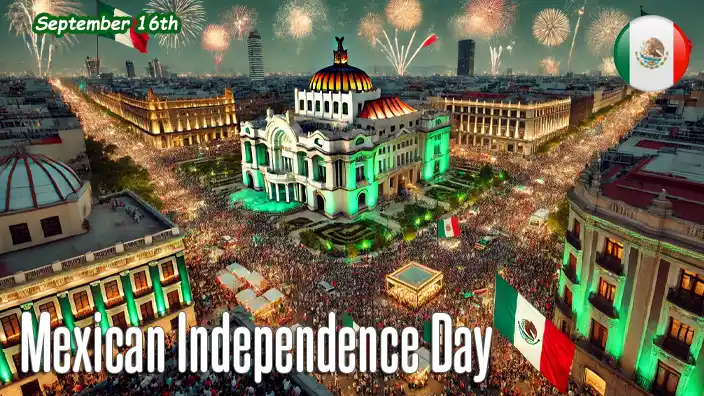
On Mexican Independence Day, it’s not just about history; it’s about showing the world how to party with purpose! You’ve got the Grito (a battle cry that sounds suspiciously like someone stubbed their toe), fireworks that rival the 4th of July, and enough food to fuel an army—because, well, that’s how this all started. If you’re not waving a flag, eating chiles en nogada, or attempting to explain that Cinco de Mayo is a totally different thing (again), are you even celebrating properly? In Mexico, they don’t just win independence—they throw a fiesta so good it makes you want to fight for freedom all over again. ¡Viva México!
Celebrated: Annually, on September 16th
Discover the vibrant celebrations and historical significance of Mexican Independence Day, marking Mexico's freedom from Spanish rule in 1810. ¡Viva México!


- Details
Space may be the final frontier, but today it’s just your living room — and we’re still boldly going. Star Trek Day is here, which means it’s time to dust off your communicator, straighten your Starfleet uniform (or bathrobe, we’re not judging), and prepare for warp speed nostalgia. Whether you’re a die-hard Trekkie who can explain warp field mechanics or you think “beam me up” sounds cool, this day is for celebrating starships, Spock logic, and the only future where the Wi-Fi actually works across the galaxy.
Celebrated: Annually, on September 8th
Celebrate Star Trek Day on September 8 with humor, history, and warp-speed fun. Beam up trivia, binge episodes, and live long and prosper.

- Details
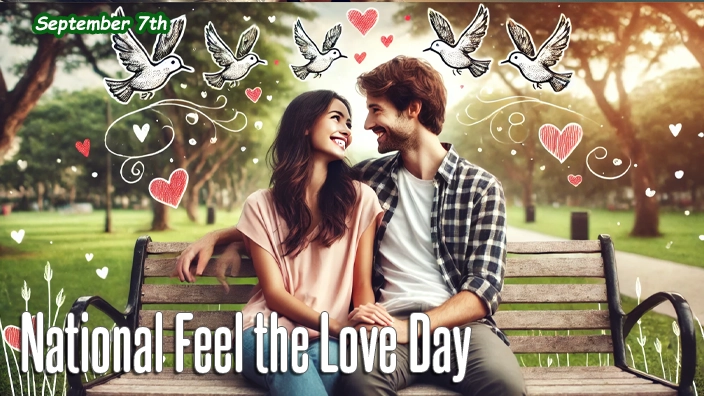
Love can be sneaky—it shows up when you least expect it, like when your dog decides your lap is the best place for a nap right after you’ve put on clean clothes. It’s in the awkward smiles you exchange with the neighbor you barely know but wave to every day, and in the way your cat tolerates you just long enough to demand food. Love doesn’t always come with fireworks; sometimes, it’s more like a gentle nudge from the universe, reminding you that even your most ordinary moments are filled with connection—whether it’s with people, pets, or the comfort of your favorite pizza.
Celebrated: Annually, on September 7th
National Feel the Love Day celebrates all forms of affection, from friendship to unconditional love, without the need for grand gestures. Join in the warmth of connection and kindness.

- Details
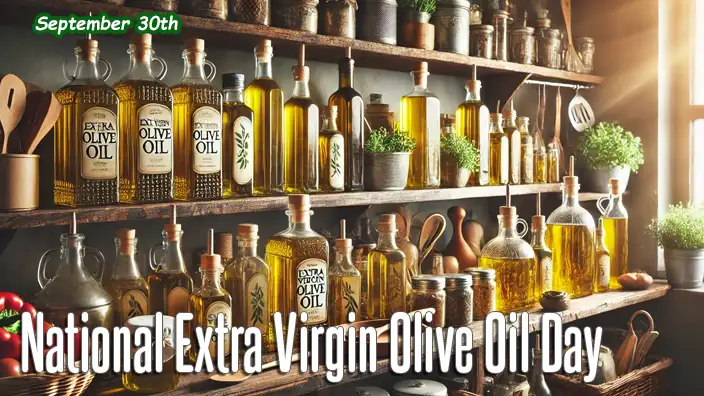
When you pour extra virgin olive oil over your salad, it’s not just a dressing—it's like you’ve summoned a golden elixir that convinces your vegetables to behave. Suddenly, that sad pile of lettuce you were dreading looks like something straight out of a gourmet magazine. And let’s not forget the magic trick it performs on bread: one dip and you’ve gone from “I’ll just have one slice” to “Is there more bread?” It’s like olive oil knows how to make you feel fancy, even when all you’re doing is trying to convince yourself that eating greens isn’t so bad.
Celebrated: Annually, on September 30th
Discover the love affair between foodies and extra virgin olive oil. Learn what makes it 'extra virgin' and its rich history. Elevate your dishes with this golden elixir.


- Details
Living next to someone is a bit like getting a surprise in a cereal box—sometimes it’s awesome, sometimes it’s a letdown, and occasionally, it's a complete mystery. There’s the neighbor who lends you tools, bakes cookies, and waves every morning like they’re auditioning for a feel-good movie. Then there’s the one whose lawn is a wild jungle of weeds, their music is cranked up at 2 a.m., and their dog has decided your yard is its personal restroom. One neighbor offers you extra tomatoes from their garden, and the other offers you a headache with their ongoing “renovations” that somehow involve a jackhammer every Saturday morning.
Celebrated: Annually, on September 28th
Celebrate National Good Neighbor Day on September 28 by reflecting on what makes a good neighbor. Learn tips on how to be considerate and build strong community relationships.


- Details
Self-awareness is a funny thing. One minute you’re confidently explaining how everyone else is the problem, and the next minute you realize you just reheated your coffee for the fourth time because you got distracted arguing with the television. National Self Awareness Day encourages us all to slow down, take a thoughtful look at ourselves, and admit that maybe—just maybe—we are not always the wise, organized masterminds we imagined ourselves to be. Sometimes personal growth begins with a deep breath, a little honesty, and the painful realization that the family was right about your parking skills all along.
Celebrated: Annually, on September 28th
Discover the meaning of National Self Awareness Day, its history, and why self-awareness matters in relationships, work, and daily life

- Details
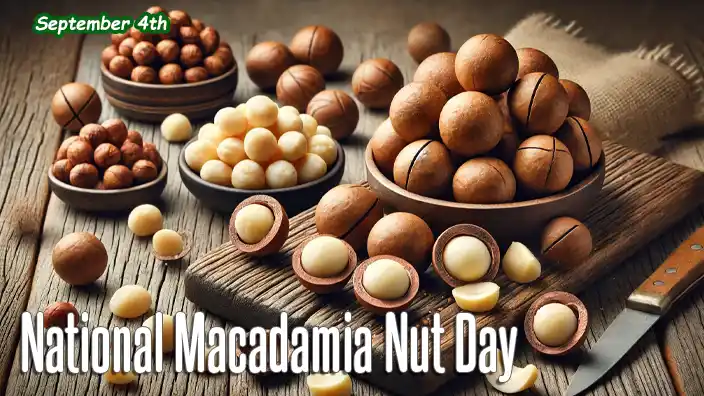
If there were an award for the world’s most luxurious snack, macadamia nuts would waltz away with the trophy—probably wearing a tiny tuxedo. These buttery, crunchy delights are like the royalty of the nut world, commanding prices that make your wallet groan and your taste buds dance. But once you pop one in your mouth, you’ll understand why they’re worth their weight in gold. They’re the kind of nut that makes almonds and cashews look like they’re still saving up for the down payment on flavor.
Celebrated: Annually, on September 4th
Discover the luxurious journey of macadamia nuts from Australia to Hawaii, where they became a global sensation. Learn about their rich history and irresistible taste.
- Details
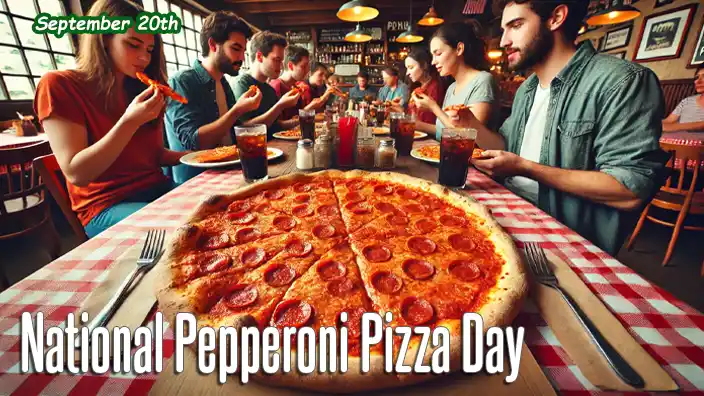
When you're facing a tough decision, like what to order for dinner, the answer often comes with a satisfying sizzle and a waft of spicy, cheesy goodness. It's the meal that unites picky eaters and foodies alike, offering a blend of crispy, savory perfection. You might not have solved any world problems today, but with a slice of this deliciousness in hand, you're definitely making strides toward personal happiness.
Celebrated: Annually, on September 20th
Celebrate National Pepperoni Pizza Day on September 20th! Discover the history, fun facts, and why pepperoni is the ultimate pizza topping. Join the cheesy, spicy fun!

From Our Marks Catelog
-

Brussels sprouts: the tiny green orbs that have been sparking dinner table debates for...
-
Elegance, mystery, and just the right amount of arrogance—some things demand admiration without lifting...
-
National Cake Day is the one day of the year when it's socially acceptable to have your cake and eat...
-

Forget glow-in-the-dark snack cakes and cheese that comes in a spray can—there’s something wildly...
-
If there were an Olympic event for clumsiness, someone would be rolling down the hill, missing their...
-
Gazpacho Soup Day isn’t just a day to honor cold tomato soup; it’s a day to revel in the absurdity of...

