
A Spoonful of Golden Happiness
National Butterscotch Pudding Day is celebrated every year on September 19, giving dessert lovers a perfectly respectable excuse to indulge in one of the creamiest, most comforting sweets ever invented. With its rich brown sugar flavor, buttery aroma, golden color, and silky texture, butterscotch pudding has earned a special place among classic American desserts. It doesn't arrive surrounded by fireworks, towering decorations, or a waiter carrying a blowtorch. Instead, it sits quietly in a bowl, confident that one spoonful will accomplish more than an entire advertising campaign. Chocolate pudding may get more attention, and vanilla pudding may enjoy a reputation for reliability, but butterscotch pudding brings something different to the dessert table: a deep, warm sweetness that tastes like someone managed to turn nostalgia into custard.
Despite its delicious reputation, National Butterscotch Pudding Day remains one of the more mysterious food holidays on the calendar. The September 19 observance appears on numerous food-holiday lists, but its original creator and the circumstances surrounding its establishment are not well documented. There is no widely recognized historical proclamation identifying the person who decided that butterscotch pudding deserved an annual celebration. Fortunately, the absence of official paperwork has never prevented Americans from enjoying dessert. The occasion is an informal food celebration rather than a federal holiday, so employers are unlikely to grant paid leave for pudding consumption. Still, anyone searching for a reason to prepare homemade butterscotch pudding, revisit an old family recipe, or enjoy a nostalgic dessert has found a particularly delicious one.
What Is Butterscotch Pudding?
Butterscotch pudding is a smooth, creamy dessert traditionally flavored with brown sugar and butter, usually combined with milk or cream, vanilla, and a thickening ingredient such as cornstarch or egg yolks. The result is a soft, spoonable custard-style pudding with a distinctive caramel-like flavor. Its sweetness is richer and more complex than that of ordinary vanilla pudding because brown sugar contains molasses, which contributes warm, slightly toasty notes. Butter adds richness, while dairy softens the sweetness and creates the creamy consistency that makes pudding so satisfying. A small amount of salt can enhance the flavor by balancing the sugar, and some recipes include a splash of Scotch whisky or another flavoring for additional depth. The whisky is optional, of course. The pudding should not need a designated driver.
The secret to excellent butterscotch pudding is balancing flavor and texture. A properly prepared pudding should be thick enough to hold its shape on a spoon but soft enough to melt pleasantly in the mouth. It should taste distinctly of brown sugar and butter without becoming overwhelmingly sweet or greasy. Some recipes cook the butter and sugar together before adding the dairy, producing a deeper, more toasted flavor. Others combine the ingredients directly and rely on gentle heating to develop the pudding's characteristic taste. Both approaches can produce excellent results, although the first offers the additional pleasure of filling the kitchen with an aroma that may attract every member of the household, including those who previously claimed they weren't hungry.

Butterscotch vs. Caramel: What's the Difference?
Butterscotch and caramel are close relatives in the world of cooked sugar, but they are not quite the same thing. Traditional butterscotch is associated with brown sugar and butter, while classic caramel begins with sugar heated until it develops its characteristic amber color and complex flavor. Caramel is commonly made with white granulated sugar, although brown sugar can also be used in caramel-style sauces and desserts. Butterscotch typically has a more pronounced buttery, molasses-rich character, while caramel's flavor depends heavily on how far the sugar has been cooked. Both can be transformed into sauces, candies, and creamy desserts, and both have been known to disappear mysteriously from refrigerators during the night.
Toffee adds another member to this deliciously confusing family. Like butterscotch, traditional toffee often contains sugar and butter, but it is generally cooked to a higher temperature to produce a firm, brittle confection rather than a soft sauce or pudding. The distinctions become less rigid in modern recipes, where cooks frequently combine ingredients and techniques to create new flavors. What matters most for butterscotch pudding is the characteristic combination of brown sugar richness, buttery sweetness, and smooth dairy texture. It is not simply caramel pudding wearing a different name tag, although the two desserts would probably get along very well at a family reunion.
The History of Butterscotch: From English Candy to American Pudding
The history of butterscotch begins in Britain, where the confection became associated with the Yorkshire town of Doncaster during the nineteenth century. Samuel Parkinson, a confectioner whose name is closely connected with Doncaster butterscotch, helped establish the town's reputation for producing the buttery sugar candy. Historical accounts place the development and growing popularity of butterscotch in the early 1800s, when sugar confections were becoming increasingly available to consumers. Traditional butterscotch was prepared as a hard or firm candy rather than the soft pudding familiar today. Its distinctive flavor came from the combination of sugar, butter, and careful cooking, creating a sweet that could be enjoyed without requiring a spoon, a bowl, or any particular concern for the cleanliness of one's fingers.
The origin of the word butterscotch is less certain than the candy's association with Doncaster. One popular explanation suggests that scotch referred to scoring or cutting the warm candy into pieces before it hardened. Another theory connects the term with Scotland, although the historical evidence does not establish a definitive origin. The important point is that butterscotch was already recognized as a confection long before it became a familiar pudding flavor. As cooks experimented with sugar, butter, milk, and other ingredients, the characteristic taste could be incorporated into sauces, custards, baked goods, and desserts. The candy had effectively escaped its original form and begun exploring the wider culinary world. Fortunately, nobody attempted to stop it at the border.
The history of butterscotch pudding is part of the broader development of sweet milk puddings and custards. Traditional custards were thickened with eggs, while later recipes increasingly employed starches to produce consistent results. As packaged food ingredients became more widely available, home cooks gained convenient ways to prepare desserts without lengthy or complicated techniques. Brown sugar and butter were already common kitchen ingredients, making butterscotch a natural flavor for homemade puddings. By the twentieth century, the dessert had become a recognizable part of American cooking, appearing in household recipes, community cookbooks, restaurants, and eventually commercially prepared pudding products.
How Butterscotch Pudding Became an American Comfort Food
The rise of convenient packaged desserts helped establish butterscotch pudding as a familiar American favorite. During the twentieth century, manufacturers introduced increasingly convenient pudding mixes that reduced the time and effort required to prepare traditional desserts. Cook-and-serve mixes allowed families to make pudding by heating the packaged ingredients with milk, while later instant varieties simplified the process further by thickening without stovetop cooking. These products helped make butterscotch pudding accessible to households that wanted an inexpensive, dependable dessert without spending an entire afternoon in the kitchen.
For many Americans who grew up during the middle decades of the twentieth century, butterscotch pudding became associated with family dinners, school cafeterias, neighborhood diners, and desserts served in small glass dishes. It was economical, easy to portion, and familiar enough to appeal to children and adults alike. The golden pudding often appeared with a spoonful of whipped cream, a sprinkling of nuts, or simply nothing at all. Its appeal came from its uncomplicated flavor and comforting texture rather than elaborate presentation. It was the sort of dessert that could follow meatloaf, mashed potatoes, and vegetables without requiring anyone to consult a menu or identify an unfamiliar French pastry.
Nostalgia remains one of the reasons butterscotch pudding continues to attract devoted fans. A single spoonful can remind someone of a grandparent's kitchen, a childhood dinner table, or the anticipation of dessert cooling in the refrigerator. Of course, not everyone grew up eating butterscotch pudding, and nostalgia is hardly a required ingredient. Newcomers can appreciate the dessert for its flavor alone. But for those who remember the familiar little bowls of golden pudding, National Butterscotch Pudding Day offers an opportunity to revisit a favorite without having to locate a time machine, a vintage refrigerator, or a pair of spectacularly uncomfortable 1960s shoes.
Homemade Butterscotch Pudding: Why Making It from Scratch Is Worthwhile
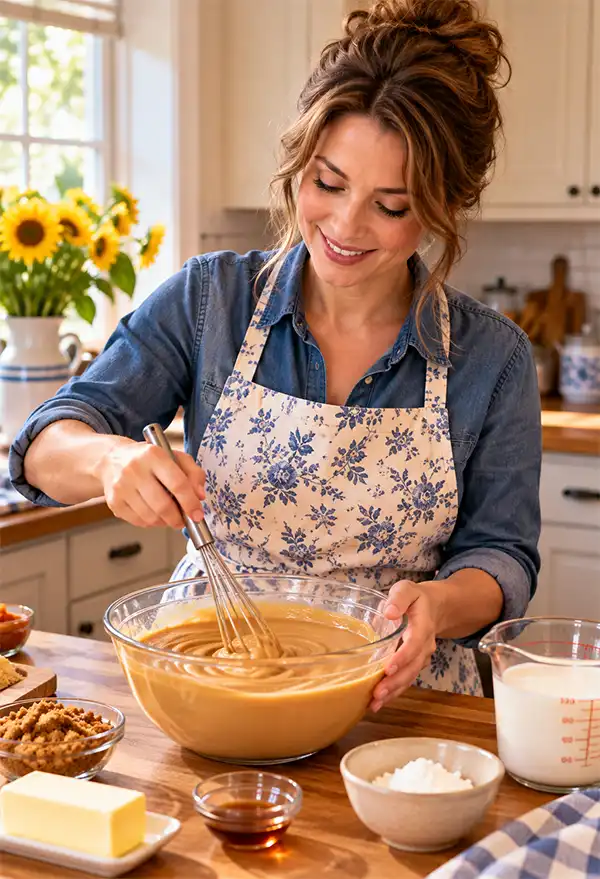
Homemade butterscotch pudding offers an opportunity to control the ingredients, sweetness, and consistency of the finished dessert. A traditional recipe generally begins with brown sugar, butter, milk or cream, and a thickener. Egg yolks can contribute richness and a custard-like quality, while cornstarch provides reliable thickening. Vanilla adds aroma, and a pinch of salt helps balance the sweetness. Dark brown sugar produces a stronger molasses flavor, while light brown sugar gives a milder result. Neither choice is automatically superior; it depends on whether the cook prefers a bold, deeply flavored pudding or something more delicate. The important thing is to avoid treating the sugar bowl as a competitive sporting event.
One popular method involves cooking brown sugar and butter until the mixture becomes fragrant, then gradually incorporating warm milk or cream. If egg yolks are used, a portion of the hot mixture is slowly whisked into them before everything returns to the saucepan. This process, called tempering, helps prevent the eggs from scrambling. The pudding is then heated gently and stirred until it thickens, with cornstarch providing additional structure where the recipe calls for it. Once removed from the heat, vanilla and sometimes extra butter are stirred in to create a smooth finish. The pudding can then be poured into serving dishes and enjoyed warm or refrigerated until chilled.
Careful temperature control makes a noticeable difference. Heating the pudding too aggressively can cause scorching, uneven thickening, or lumps, while insufficient cooking may leave a starch-thickened pudding runny or tasting slightly raw. Stirring regularly and following a reliable recipe helps prevent these problems. If lumps appear, passing the finished pudding through a fine-mesh sieve can often restore its smooth texture. A thin skin may form on the surface as pudding cools, something some dessert lovers enjoy and others regard as a personal insult. Anyone wishing to prevent it can press food-safe plastic wrap directly against the pudding's surface before refrigeration.
The reward for this modest effort is a dessert with a freshly prepared flavor and a texture that can be adjusted to individual preference. Homemade pudding can be served in elegant glasses for a dinner party, ordinary bowls for a family meal, or directly from the saucepan when nobody is watching. That final serving method may lack sophistication, but it has the undeniable advantage of reducing the washing-up.
Instant Butterscotch Pudding vs. Cook-and-Serve Pudding
Not everyone has the time or inclination to prepare butterscotch pudding from scratch, and that is perfectly acceptable. Commercial pudding mixes remain convenient options for celebrating National Butterscotch Pudding Day. Instant butterscotch pudding generally uses modified starches and other ingredients that allow it to thicken when mixed with cold milk, without requiring traditional stovetop cooking. Cook-and-serve pudding mixes, by contrast, need to be heated according to the package instructions before they develop their finished consistency. Both can produce enjoyable desserts, particularly when prepared carefully and served with a favorite topping.
The main differences involve preparation, texture, ingredients, and flavor. Homemade pudding gives the cook greater control over sweetness and richness, while packaged mixes offer consistency and convenience. Some people prefer the familiar taste of instant pudding because it reminds them of childhood, while others enjoy the deeper flavor produced by cooking brown sugar and butter themselves. Neither approach should result in a family argument serious enough to require mediation. National Butterscotch Pudding Day celebrates the dessert, not the amount of time someone spent standing beside the stove.
Warm or Cold Butterscotch Pudding: The Great Dessert Debate
Few questions divide pudding enthusiasts quite like whether butterscotch pudding should be eaten warm or cold. Warm pudding offers a particularly comforting experience, with a soft texture and the inviting aroma of butter, vanilla, and brown sugar. Freshly cooked pudding has a richness that makes it especially appealing during cooler weather, although September temperatures in many parts of the United States may suggest that additional warmth is not urgently required. A bowl of warm butterscotch pudding can feel like a homemade dessert straight from a family kitchen, particularly when served with a little cream.
Chilled butterscotch pudding offers a different pleasure. Refrigeration allows the pudding to become firmer and more refreshing, while its flavor remains rich and satisfying. Cold pudding is particularly well suited to individual dessert cups, layered parfaits, and recipes requiring a filling that holds its shape. It also pairs beautifully with whipped cream, toasted nuts, and crunchy toppings. Ultimately, the correct serving temperature is whichever one makes the person holding the spoon happiest. Anyone unable to decide can enjoy a small portion warm and refrigerate the remainder for later. This is not indecision; it is a carefully planned dessert comparison conducted in the interests of scientific understanding.
Delicious Ways to Serve Butterscotch Pudding
Although traditional butterscotch pudding needs little decoration, toppings can introduce interesting contrasts in flavor and texture. Lightly sweetened whipped cream adds an airy finish, while toasted pecans or walnuts provide crunch and a slightly savory note. Crushed toffee pieces reinforce the buttery sweetness, and a small sprinkling of flaky sea salt can balance the dessert's richness. Chocolate shavings offer another appealing contrast, particularly for people who enjoy combining caramel-like flavors with chocolate. Sliced bananas, baked apples, and pears also work well with butterscotch, adding fresh or gently cooked fruit flavors to the creamy pudding.
For a more elaborate dessert, butterscotch pudding can be layered with crushed cookies, cake pieces, or fruit in clear glasses to create attractive parfaits. It can be used as a filling for cream pies, combined with whipped cream for lighter desserts, or incorporated into trifles with sponge cake and complementary flavors. A chilled butterscotch pudding pie topped with whipped cream offers a particularly satisfying variation, especially when prepared with a graham cracker or cookie crust. Butterscotch pudding can also be used in dessert shooters for parties, allowing guests to sample small portions without committing to an enormous serving. Of course, the phrase small portion is open to interpretation, particularly when the dessert table is unsupervised.
For a playful celebration, try creating a butterscotch pudding topping station with bowls of crushed cookies, toasted nuts, chocolate chips, fresh fruit, and whipped cream. Guests can assemble their own desserts according to their preferences, transforming an ordinary pudding into a miniature dessert buffet. This works particularly well for family gatherings because everyone can participate without requiring complicated cooking skills. Children can help arrange toppings and decorate individual servings, while adults can offer helpful suggestions from a safe distance. The only real danger is discovering that someone has eaten all the toffee bits before the pudding arrives.
Common Butterscotch Pudding Problems and How to Fix Them
Even a simple homemade pudding can occasionally behave badly. A runny pudding may result from insufficient cooking, inaccurate ingredient measurements, or an unsuitable balance between liquid and thickener. Starch-thickened puddings generally need to reach the temperature specified in the recipe to develop their intended consistency. A lumpy pudding may indicate that the starch was not properly dispersed or that the mixture was heated unevenly. Whisking carefully, maintaining moderate heat, and using a fine-mesh sieve when necessary can help produce a smoother result. Cooking pudding is not particularly difficult, but it does demand occasional attention, rather like a small child who has discovered the kitchen cupboards.
Scorching is another potential problem, particularly when sugar and dairy are heated over excessive heat. A heavy-bottomed saucepan and regular stirring can reduce the risk of burning. If the mixture develops a genuinely burnt flavor, adding more vanilla is unlikely to rescue it. Starting again may be the better choice, however painful that decision may seem. Meanwhile, a pudding that becomes too firm after chilling may contain too much thickener or may have been cooked differently from the recipe's instructions. Choosing a well-tested recipe and measuring ingredients accurately are the simplest ways to avoid most problems.
Storage is also important because butterscotch pudding contains perishable dairy ingredients and, in some recipes, eggs. Homemade pudding should be refrigerated promptly in covered containers and generally enjoyed within three to four days. It should not be left at room temperature for extended periods, particularly during warm weather. Freezing is usually less satisfactory because thawing can alter the texture of starch-thickened puddings, making them watery or grainy. Fortunately, most households discover that storing butterscotch pudding for several days presents no particular difficulty. The real challenge is keeping everyone away from it long enough to find out.
How to Celebrate National Butterscotch Pudding Day on September 19
The simplest way to celebrate National Butterscotch Pudding Day is to enjoy a serving of the dessert itself. Prepare a homemade batch, try a trusted family recipe, or purchase a convenient ready-made version. The occasion is also an excellent opportunity to introduce someone to butterscotch pudding for the first time, particularly if they have only experienced chocolate or vanilla varieties. A homemade dessert shared with family or friends can turn an ordinary September evening into a pleasant occasion, without requiring expensive decorations, complicated arrangements, or a formal invitation engraved on gold-colored stationery.
For a more adventurous celebration, organize a friendly pudding taste test. Prepare homemade butterscotch pudding alongside a cook-and-serve mix and an instant variety, then invite guests to compare their flavors and textures. The results may be surprising, particularly when nostalgia influences individual preferences. Someone who grew up eating boxed pudding may prefer its familiar taste, while another person may appreciate the deeper brown sugar flavor of a homemade version. The exercise can encourage conversation about favorite childhood desserts and family cooking traditions. It also provides an entirely legitimate reason to eat three servings of pudding, which may be the most persuasive argument for organizing the event.
Another idea is to explore the history of butterscotch by preparing a traditional butter-and-sugar candy or trying a butterscotch sauce alongside the pudding. Comparing the different forms reveals how the same basic flavor can be transformed through cooking methods and additional ingredients. Families with children can use the occasion to introduce basic kitchen skills such as measuring, whisking, and understanding how heat changes food. Adults should handle hot sugar mixtures, which can cause serious burns, while younger helpers can assist with safer activities such as decorating cooled desserts. Education is important, but nobody needs to learn about caramel temperatures through an unfortunate encounter with a saucepan.
National Butterscotch Pudding Day also offers an opportunity to share dessert with neighbors, friends, or family members who might appreciate a little homemade kindness. Small covered pudding cups can make thoughtful treats when transported and refrigerated safely. Community gatherings, senior centers, and family celebrations may also provide opportunities to enjoy this traditional dessert together. The appeal of butterscotch pudding lies partly in its simplicity: it doesn't require a special occasion to be appreciated, yet it can make an ordinary occasion feel special.
Why Butterscotch Pudding Still Deserves a Place on the Dessert Menu
Modern dessert menus are filled with elaborate creations featuring towering layers, unexpected ingredients, and presentations that occasionally resemble architectural experiments. Against this competition, a humble bowl of butterscotch pudding might appear almost old-fashioned. Yet its continued appeal demonstrates that a dessert does not need to be complicated to be memorable. The combination of brown sugar, butter, dairy, and vanilla produces a flavor that remains satisfying regardless of culinary trends. Its smooth texture makes it approachable, while its versatility allows creative cooks to incorporate it into everything from elegant parfaits to family-style pies.
Butterscotch pudding also reminds us that familiar foods can carry personal meaning. A recipe passed between generations, a dessert served after Sunday dinner, or a small bowl enjoyed during a quiet evening can become part of a family's traditions. These memories are not exclusive to any particular age group, and new traditions can begin at any time. Someone tasting homemade butterscotch pudding for the first time today may eventually associate its flavor with a special celebration or a memorable family gathering. That is one of the pleasures of cooking: the ingredients may be ordinary, but the experiences surrounding them can become extraordinary.

A Golden Spoonful Worth Celebrating
National Butterscotch Pudding Day may not involve parades, marching bands, or a presidential address, but September 19 still deserves a place on the calendar of anyone who appreciates classic American desserts. From its roots in traditional British butterscotch candy to its popularity as a creamy homemade pudding and convenient packaged treat, this golden dessert has enjoyed a long and delicious journey. Its appeal comes from a combination of familiar ingredients, comforting texture, and a flavor that manages to be both simple and wonderfully rich.
Whether you prefer homemade butterscotch pudding prepared with dark brown sugar and butter, a chilled pudding cup topped with whipped cream, or the familiar taste of an old-fashioned boxed mix, the occasion offers a chance to enjoy something sweet without making life unnecessarily complicated. Find your favorite spoon, choose a comfortable chair, and give this underappreciated dessert the attention it deserves. After all, the pudding has already done the hard work of being delicious. The least we can do is show up and eat it.
Butterscotch Pudding FAQ
Butterscotch pudding may seem like a simple dessert, but beneath that smooth, golden surface lurks a surprising number of questions. What's the difference between butterscotch and caramel? Should pudding be served warm or cold? And why does homemade pudding occasionally refuse to thicken, no matter how sternly you speak to it? Our Butterscotch Pudding FAQ tackles these delicious mysteries, explores the history and ingredients of this classic dessert, and offers helpful tips for achieving creamy perfection. Grab a spoon and prepare to be enlightened. The pudding, naturally, has declined to comment.
When is National Butterscotch Pudding Day celebrated?
National Butterscotch Pudding Day is celebrated every year on September 19. This unofficial food holiday honors the rich, creamy dessert made famous by its combination of brown sugar, butter, and milk. It's a wonderful excuse to prepare homemade butterscotch pudding, revisit a favorite family recipe, or simply enjoy a bowl of this nostalgic treat.
What is traditional butterscotch pudding made from?
Traditional homemade butterscotch pudding typically contains brown sugar, butter, milk or cream, vanilla, and a thickening ingredient such as cornstarch or egg yolks. Brown sugar gives the dessert its distinctive molasses-rich flavor, while butter provides richness. The ingredients are gently cooked until the mixture becomes smooth and thick enough to coat a spoon.
What is the difference between butterscotch pudding and caramel pudding?
The main difference lies in their traditional flavoring methods. Butterscotch is associated with brown sugar and butter, producing a rich, buttery flavor with hints of molasses. Classic caramel develops its flavor by heating sugar until it browns, often beginning with white granulated sugar. Both make delicious puddings, but butterscotch generally has a more pronounced buttery character.
Where did butterscotch originate?
Butterscotch has historical roots in nineteenth-century England, particularly the Yorkshire town of Doncaster. Confectioner Samuel Parkinson became closely associated with the production of traditional butterscotch candy. The original confection was considerably firmer than modern butterscotch pudding, but its distinctive buttery sweetness eventually inspired sauces, custards, and other desserts.
Can you make butterscotch pudding without eggs?
Yes! Eggless butterscotch pudding is easy to prepare using cornstarch as the primary thickening ingredient. Brown sugar, butter, milk, and vanilla provide the familiar flavor, while cornstarch creates a smooth, creamy consistency. This method is especially convenient for anyone who prefers a simpler pudding recipe or needs to avoid eggs.
Is homemade butterscotch pudding better than instant pudding?
That depends on personal preference. Homemade butterscotch pudding allows greater control over sweetness, richness, and ingredients, and cooking brown sugar with butter can develop a particularly deep flavor. Instant butterscotch pudding is quicker and more convenient, making it useful for busy households and last-minute desserts. Both have devoted fans, and neither requires permission from the Pudding Appreciation Committee.
Why is my homemade butterscotch pudding runny?
Runny butterscotch pudding may result from insufficient cooking, too little cornstarch, or an incorrect balance of liquid and thickening ingredients. Some starch-thickened recipes must reach a gentle boil to develop their intended consistency. Following a reliable recipe, measuring ingredients carefully, and allowing the finished pudding to cool properly usually produces better results.
Should butterscotch pudding be served warm or cold?
Butterscotch pudding is delicious either way. Warm pudding has a soft, comforting texture and a wonderful buttery aroma, while chilled pudding becomes firmer and makes a refreshing dessert. Many people enjoy it cold with whipped cream, although freshly cooked pudding straight from the saucepan has its own enthusiastic supporters. The correct answer is whichever temperature brings the spoon back for another helping.
How long can homemade butterscotch pudding be refrigerated?
Homemade butterscotch pudding should be stored promptly in a covered container in the refrigerator and is generally best eaten within three to four days. Refrigeration helps preserve its quality and keeps dairy-based ingredients at a safe temperature. Freezing is not usually recommended because thawing may cause the pudding to separate or develop a watery texture.
What are the best toppings for butterscotch pudding?
Popular butterscotch pudding toppings include whipped cream, toasted pecans, walnuts, crushed toffee, chocolate shavings, sliced bananas, and a light sprinkle of flaky sea salt. For a more elaborate dessert, try layering pudding with crushed cookies or sponge cake in a parfait glass. Of course, traditionalists insist that the only essential topping is another spoonful of pudding.
One Final Spoon of Sweetness
National Butterscotch Pudding Day is proof that some of life's greatest pleasures don't require elaborate preparations, expensive ingredients, or a dessert with a name nobody can pronounce. Every September 19, this humble combination of brown sugar, butter, milk, and a little culinary magic reminds us why classic comfort foods never truly go out of fashion. From its origins in nineteenth-century British confectionery to its familiar place in American kitchens, butterscotch has enjoyed a delicious journey through generations of sweet-toothed admirers. Whether served warm from the saucepan, chilled beneath a cloud of whipped cream, or transformed into an extravagant parfait, butterscotch pudding continues to demonstrate that simplicity and indulgence can coexist quite happily in the same bowl.
Perhaps the real charm of homemade butterscotch pudding lies in its ability to turn an ordinary moment into something worth remembering. It might bring back memories of childhood dinners, a grandparent's kitchen, or the familiar sound of spoons scraping the bottoms of dessert dishes. It might even inspire a new family tradition, provided someone remembers to make enough for everybody. So, when September 19 comes around, give this golden, creamy classic the celebration it deserves. Invite a friend, experiment with a favorite recipe, or simply settle into your most comfortable chair and enjoy every spoonful. And if anyone questions whether you really need a second helping, remind them that you're observing a national food holiday. Surely, nobody would expect you to neglect your civic responsibilities.