Mark The Days - September

September arrives like a polite librarian after the rowdy summer party—straightening chairs, lowering voices, and gently reminding you that fun isn’t canceled, it’s just on a tighter schedule. It’s the month where kids trudge back to school, parents secretly celebrate, and sweaters begin to side-eye you from the back of the closet. The grill’s still warm, but the calendar’s hinting at responsibility. Still, September has its share of celebrations—from cheese pizza to talk-like-a-pirate day—because if we’re going to pretend we’ve got it together, we might as well do it with flair.
- Details
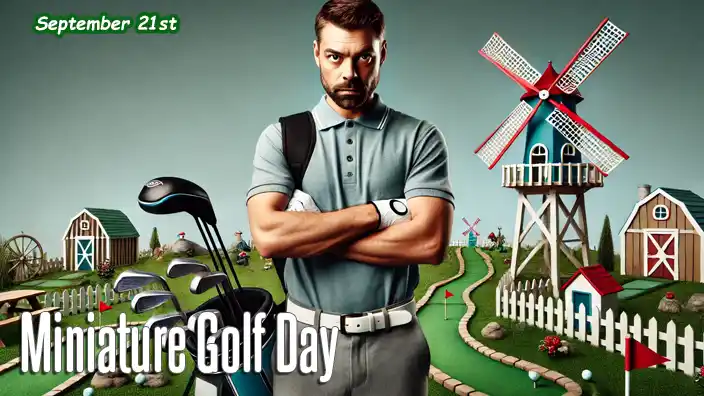
Miniature golf is that rare sport where your biggest adversary isn’t your opponent, but a rotating windmill that seems to have it out for you personally. Just when you think you’ve mastered the art of the putt, you find yourself launching your ball into a faux castle moat, watching it bob away as your dignity floats right alongside. It's a game where “serious” golfers can get schooled by a five-year-old, and the only thing standing between you and victory is a giant clown’s nose. Truly, it’s the only sport where failure is as much fun as success!
Celebrated: Annually, on September 21st
Dive into the whimsical world of miniature golf, where windmills, waterfalls, and rubber dinosaurs make for a fun, competitive experience. Celebrate Miniature Golf Day on September 21st!


- Details
Ginger cats aren’t just cats — they’re furry stand-up comedians who moonlight as tiny chaos coordinators. They’ll lovingly curl up on your lap… right after they’ve knocked your phone off the counter, stolen your warm seat, and stared you down for daring to eat a snack without sharing. Living with a ginger cat is like having a roommate who pays no rent, keeps weird hours, and insists they own the place — and honestly, we wouldn’t have it any other way.
Celebrated: Annually, on September 1st
Discover the fiery world of Ginger Cat Appreciation Day: origin story of Doobert, fun facts, celebration tips, and why these orange furballs steal our hearts.

- Details
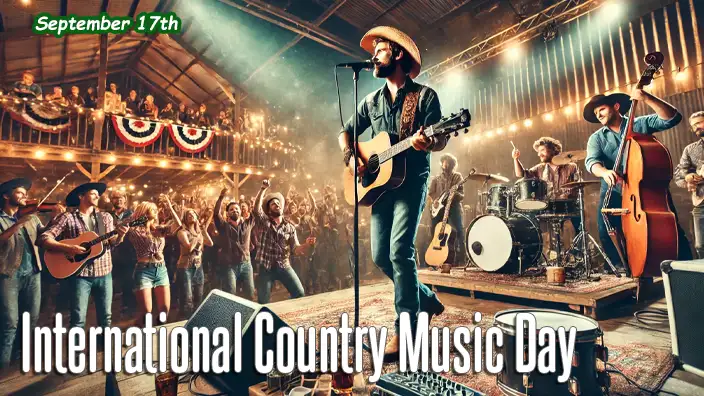
Let’s be honest—only country music could inspire a global holiday that encourages both line dancing and emotional vulnerability over livestock. On September 17, it’s perfectly normal to wear a cowboy hat indoors, refer to your dog as your “emotional support honky-tonk hero,” and cry into a plate of biscuits while listening to a song about a one-eyed mule named Hank. It’s the one day a year when heartbreak, horsepower, and harmonicas come together in beautiful, banjo-fueled harmony—and nobody will bat an eye if you raise a mason jar of sweet tea and toast to the fact that your ex ran off with your truck but at least left you the dog.
Celebrated: Annually, on September 17th
Celebrate International Country Music Day on September 17 by honoring the rich traditions, legends, and culture of country music, from its Appalachian roots to its modern hits.

- Details
Police Remembrance Day is not just a date on the calendar; it’s a powerful reminder of the ultimate sacrifice made by men and women in law enforcement who put their lives on the line to protect others. This day stands as a solemn reflection of the dangers officers face daily—walking into the unknown, confronting violence, and defending communities, often at great personal cost. It is a day to honor the fallen, to acknowledge the grief of their families, and to remind society that these brave individuals don’t just wear a badge; they carry the weight of our safety on their shoulders.
Celebrated: Annually, on September 29th
National Police Remembrance Day on September 29th honors law enforcement officers who have made the ultimate sacrifice in the line of duty, reflecting on their bravery and dedication.

- Details
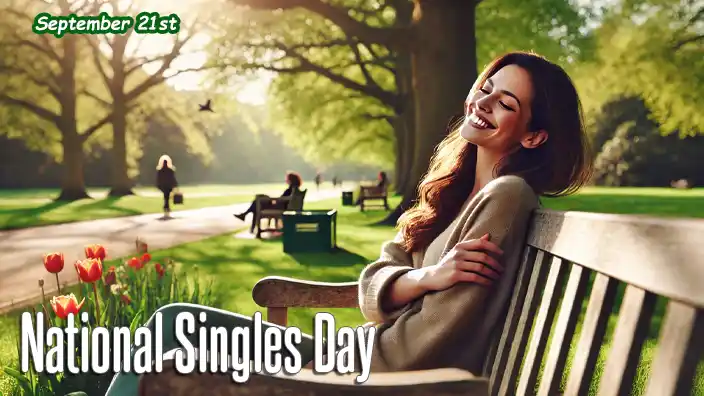
No one ever complains when you finish off an entire pizza by yourself, and there’s no need to explain why you’re watching your favorite show for the third time in a week. The beauty of solo living? Absolute control over the thermostat, total domination of the remote, and zero obligation to share snacks. It’s the freedom to plan last-minute adventures or indulge in a marathon of “me time” without the need for compromise. And when your only argument is with the laundry pile, you know you’re winning!
Celebrated: Annually, on September 21st
Celebrate National Singles Day by embracing the freedom, independence, and fabulousness of solo life. Discover the history and enjoy being single unapologetically.

- Details
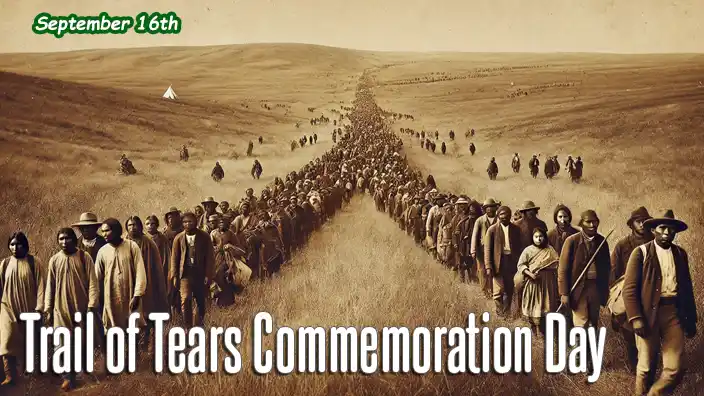
In one of the most baffling moves in American history, President Andrew Jackson decided that listening to the Supreme Court wasn’t really his thing. Despite the Court ruling in favor of the Cherokee in Worcester v. Georgia, Jackson allegedly responded, "John Marshall has made his decision; now let him enforce it." And just like that, the law was ignored, and the Trail of Tears began—a tragic chapter where justice was as absent as Jackson’s regard for the rule of law.
Celebrated: Annually, on September 16th
Trail of Tears Commemoration Day honors the forced removal of Native American tribes, reflecting on their suffering and resilience, and promoting justice and remembrance.

- Details
There’s something about that first sip of spiced tea that feels like you’ve been wrapped in a cozy blanket of warmth and flavor. It’s sweet, spicy, and soothing all at once, like a conversation between your taste buds and a crackling fireplace. You’re not just drinking tea – you’re sipping on centuries of tradition, all while pretending you’re more worldly than you probably are. Forget the caffeine jolt; this is about the quiet confidence that comes with knowing your drink has layers… just like you!
Celebrated: Annually, on September 21st
Discover the magic of chai, from its rich history to brewing the perfect cup. Celebrate National Chai Day with a symphony of spices that warm the soul.
- Details
Google is the digital genie that knows everything—whether you asked for it or not. It’s the place you go for life’s big questions, like "What’s the meaning of life?" or "How do I fix my Wi-Fi?"—and the not-so-big ones, like "Is my left nostril supposed to feel tingly?" Within seconds, it serves up an encyclopedia of knowledge, conspiracy theories, and the occasional cat meme. Google has become so essential that "just Google it" is the answer to any question, except, of course, when Google itself asks you to prove you’re not a robot. Ah, the irony!
Celebrated: Annually, on September 15th
Celebrate National Google.com Day on September 15th by exploring the history, quirks, and frustrations of the search engine that has become synonymous with 'look it up.'


- Details
Professional house cleaning is like superhero work—minus the cape, but with a mop in hand. They swoop in, battle dust bunnies, vanquish soap scum, and make countertops sparkle brighter than a toothpaste commercial smile. It's not just cleaning—it's an art form, a ninja-level mastery of making floors so shiny you can see your own shocked reflection. And just when you're convinced you need to set up camp in a cluttered jungle of your own creation, they waltz in, leaving behind the scent of lemon and the faint sound of angels singing.
Celebrated: Annually, on September 17th
Celebrate National Professional House Cleaners Day on September 17th, honoring those who transform chaos into calm and make our homes shine with their expertise.


- Details
An iguana is basically a prehistoric couch potato with attitude. These scaly sunbathers spend most of their day basking like royalty, occasionally giving a slow, judgmental head bob that says, “Yes, I see you, peasant.” They eat their weight in salad, climb like little green ninjas, and can whip their tails hard enough to make you reconsider every life choice that brought you too close. Somehow they manage to look both wise and slightly annoyed — like a lizard version of a grumpy old philosopher who just wants everyone to keep the noise down.
Celebrated: Annually, on September 8th
Celebrate National Iguana Awareness Day with fun facts, care tips, and humor. Learn about these sun-loving reptiles and how to help them thrive.

- Details
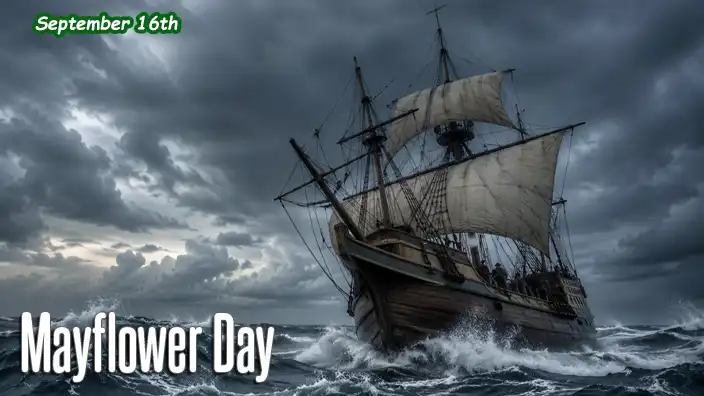
Pack your sea legs and leave the luggage allowance behind—Mayflower Day remembers 102 passengers who crossed the Atlantic aboard a merchant ship with cramped quarters, rough seas and absolutely no complimentary Wi-Fi. Their 1620 voyage helped shape American history, although after 66 days aboard, “Are we there yet?” must surely have crossed somebody's mind.
Celebrated: Annually, on September 16th
Celebrate Mayflower Day and the 102 passengers who crossed the Atlantic in 1620 with no engines, no GPS and definitely no first-class cabin

- Details
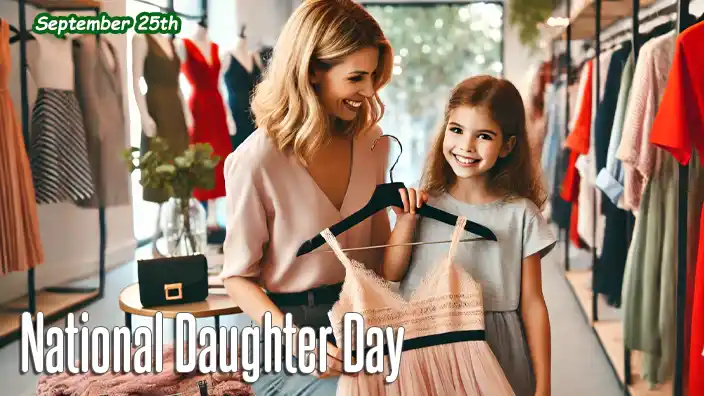
Daughters are like human rollercoasters—one moment, they’re sweetly offering you a handmade card, and the next, they’re convinced you’ve ruined their life because you said no to glitter in the living room. They’re experts in the art of eye-rolling and can masterfully balance being both your biggest critic and your biggest fan. But amidst the occasional drama, they’re the ones who will have you wrapped around their little finger with just one smile, making you forget the emotional whirlwind they’ve put you through. And no matter how many times they change their minds about their favorite color, you’ll always love them for it!
Celebrated: Annually, on September 25th
Celebrate National Daughter Day by honoring the unique joys and challenges daughters bring. Discover fun facts, history, and ideas for making this day special.

- Details
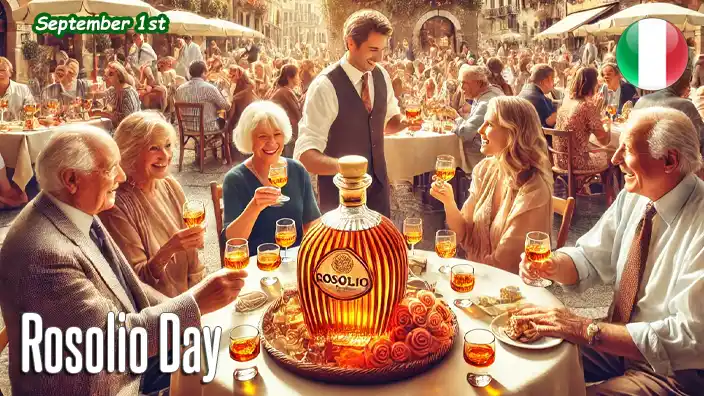
Rosolio is the drink that asks, "Why settle for a bouquet of flowers when you can sip one?" This delightful liqueur is like the Italian grandma of spirits—sweet, fragrant, and always ready to welcome you with open arms and a little too much of something good. Whether you’re toasting to the Renaissance or just the end of a long day, Rosolio turns any moment into a garden party, where the only thing more intoxicating than the aroma is the realization that you’ve just found your new favorite way to drink your flowers!
Celebrated: Annually, on September 1st
Discover the floral elegance of Rosolio, Italy's enchanting liqueur with a colorful history and a bouquet of aromatic flavors. Raise a glass and dive into the world of Rosolio on Rosolio Day.

- Details
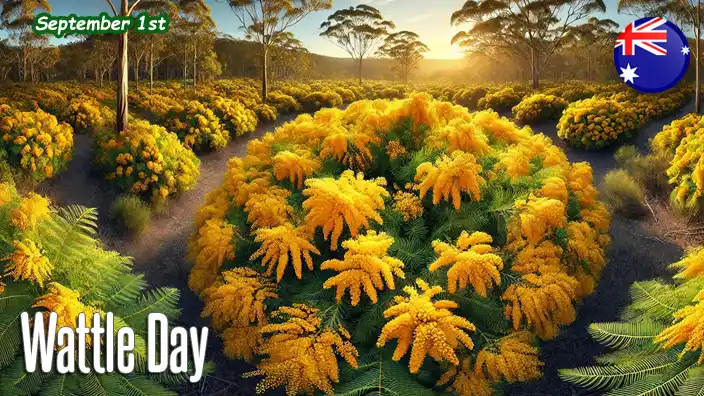
On Wattle Day, Australians don’t just stop to smell the flowers—they practically throw a party for them! Imagine a day where wearing a sprig of wattle on your lapel is like donning your most fashionable outfit, where the smell of wattle seeds roasting in the oven rivals even the best barbie, and where the simple act of planting a tree becomes a national pastime. It’s a day when Australians celebrate a flower that’s as tough as the Outback and as bright as the sun, proving once again that down under, even the plants have a sense of humor!
Celebrated: Annually, on September 1st
Discover the significance of Wattle Day in Australia, celebrating the country's national spirit and resilience through the golden blooms of the wattle flower. Explore the history and cultural importance of this cherished tradition.


- Details
If there were ever a holiday your dog could get behind—literally and enthusiastically—it’s National Hug Your Hound Day. This is the one day where your dog’s lifelong mission of being as close to you as physically possible finally pays off in an official, calendar-approved way. Expect extra tail wagging, surprise face licks, and the sudden realization that personal space is more of a suggestion than a rule. Whether your dog is a gentle giant or a tiny tyrant with a bark three sizes too big, today’s the day to give them the kind of hug they’ve been patiently (and not-so-patiently) waiting for since, well… yesterday.
Celebrated: Annually, on the Second Sunday in September
Celebrate National Hug Your Hound Day with this fun guide to dog love, loyalty, and simple ways to show appreciation for your canine companion.

- Details
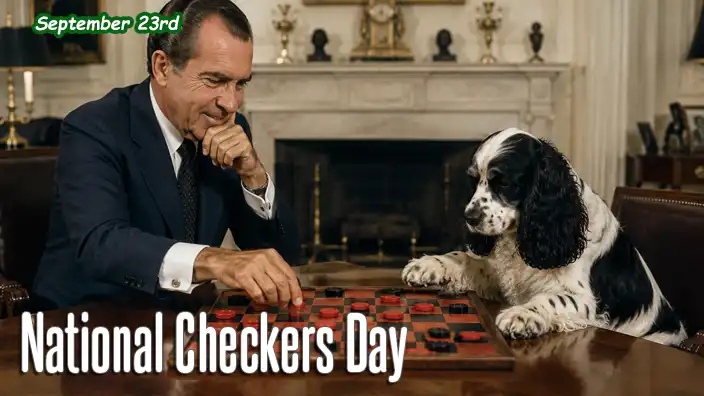
National Checkers Day is one of those celebrations that catches people completely off guard. Mention it to a friend and they'll probably start talking about checkerboards, kings, and that one uncle who takes family game night far too seriously. In reality, the holiday honors a famous dog named Checkers whose role in American political history became far bigger than anyone could have imagined. It may not involve jumping pieces across a board, but it certainly left its mark on history.
The holiday that sounds like a board game tournament but is actually a tribute to one famous dog and a historic political speech

- Details
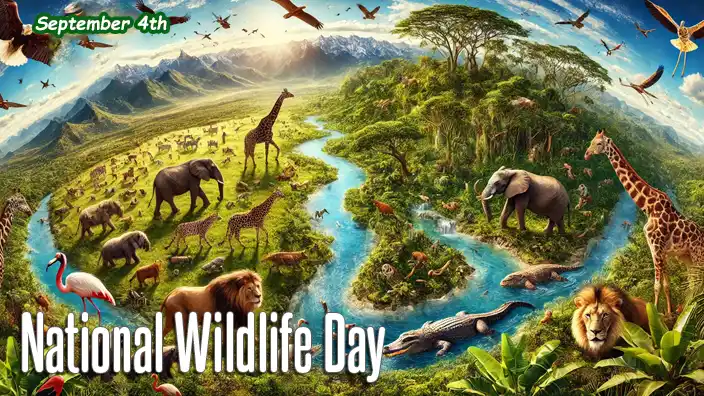
In the great drama of nature, some animals seem to have been cast purely for comic relief—like the sloth, which looks like it’s perpetually stuck in slow-motion, or the penguin, which waddles around like it’s wearing a tuxedo two sizes too big. And let's not forget the ostrich, the only bird that runs like it’s late for a meeting but forgot where it was supposed to go. Nature sure has a sense of humor, and it's on full display in the wild world around us.
Celebrated: Annually, on September 4th
National Wildlife Day, established in 2005, raises awareness about endangered species, conservation importance, and wildlife's role in ecosystem balance. Celebrate the fuzzy, feathered, and ferocious neighbors on this day.

- Details
Actors are professional chameleons with a side hustle in emotional whiplash. One minute they’re sobbing over a tragic loss, the next they’re doing pratfalls in a rom-com, and by lunch they’re shooting a car chase scene — all while staying hydrated enough to look good in close-ups. They live for applause, secretly love dramatic pauses, and are the only people who can say, “Sorry, I can’t, I have rehearsal,” and make it sound glamorous instead of exhausting.
Celebrated: Annually, on September 8th
Celebrate Actors’ Day by honoring the emotional athletes who bring characters to life, from ancient Greek thespians to modern screen stars, complete with fun facts and festivities.

From Our Marks Catelog
-

Brussels sprouts: the tiny green orbs that have been sparking dinner table debates for...
-
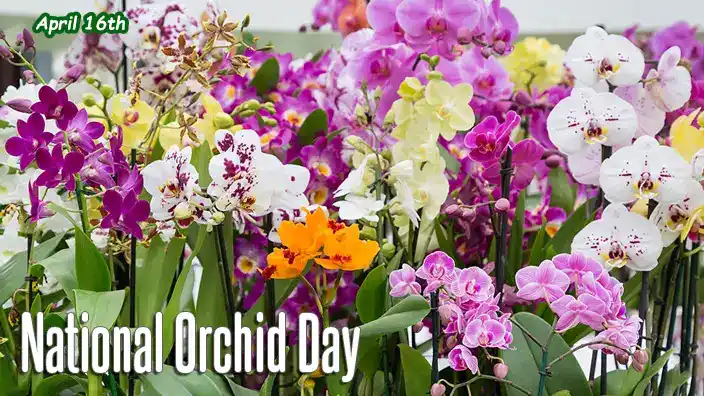
Elegance, mystery, and just the right amount of arrogance—some things demand admiration without lifting...
-
National Cake Day is the one day of the year when it's socially acceptable to have your cake and eat...
-

Forget glow-in-the-dark snack cakes and cheese that comes in a spray can—there’s something wildly...
-
If there were an Olympic event for clumsiness, someone would be rolling down the hill, missing their...
-
Gazpacho Soup Day isn’t just a day to honor cold tomato soup; it’s a day to revel in the absurdity of...

