Mark The Days - September

September arrives like a polite librarian after the rowdy summer party—straightening chairs, lowering voices, and gently reminding you that fun isn’t canceled, it’s just on a tighter schedule. It’s the month where kids trudge back to school, parents secretly celebrate, and sweaters begin to side-eye you from the back of the closet. The grill’s still warm, but the calendar’s hinting at responsibility. Still, September has its share of celebrations—from cheese pizza to talk-like-a-pirate day—because if we’re going to pretend we’ve got it together, we might as well do it with flair.

- Details
Living next to someone is a bit like getting a surprise in a cereal box—sometimes it’s awesome, sometimes it’s a letdown, and occasionally, it's a complete mystery. There’s the neighbor who lends you tools, bakes cookies, and waves every morning like they’re auditioning for a feel-good movie. Then there’s the one whose lawn is a wild jungle of weeds, their music is cranked up at 2 a.m., and their dog has decided your yard is its personal restroom. One neighbor offers you extra tomatoes from their garden, and the other offers you a headache with their ongoing “renovations” that somehow involve a jackhammer every Saturday morning.
Celebrated: Annually, on September 28th
Celebrate National Good Neighbor Day on September 28 by reflecting on what makes a good neighbor. Learn tips on how to be considerate and build strong community relationships.


- Details
Actors are professional chameleons with a side hustle in emotional whiplash. One minute they’re sobbing over a tragic loss, the next they’re doing pratfalls in a rom-com, and by lunch they’re shooting a car chase scene — all while staying hydrated enough to look good in close-ups. They live for applause, secretly love dramatic pauses, and are the only people who can say, “Sorry, I can’t, I have rehearsal,” and make it sound glamorous instead of exhausting.
Celebrated: Annually, on September 8th
Celebrate Actors’ Day by honoring the emotional athletes who bring characters to life, from ancient Greek thespians to modern screen stars, complete with fun facts and festivities.

- Details
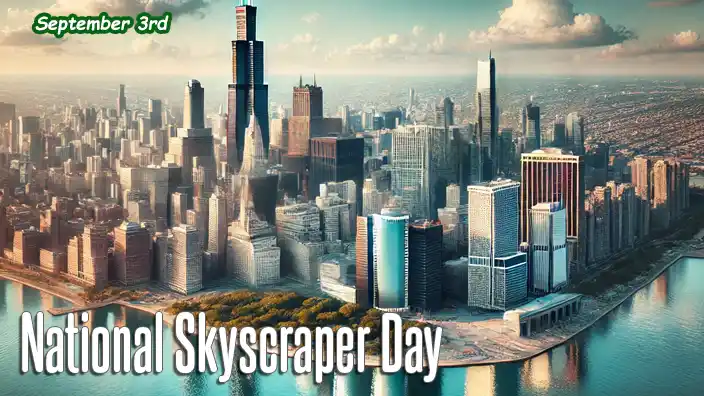
Towering above us like ambitious giants, these urban titans seem to compete in an endless game of "who can touch the sky first." They make us wonder if architects are secretly trying to outdo each other in a contest for the world's most dramatic rooftop selfie spot. And let’s be honest, anyone who’s ever stared up at one from street level has probably thought, "I hope someone remembered to install a parachute on the top floor."
Celebrated: Annually, on September 3rd
Discover the allure and majesty of skyscrapers on National Skyscraper Day. Explore the history, engineering marvels, and global impact of these towering symbols of human ambition and innovation.

- Details
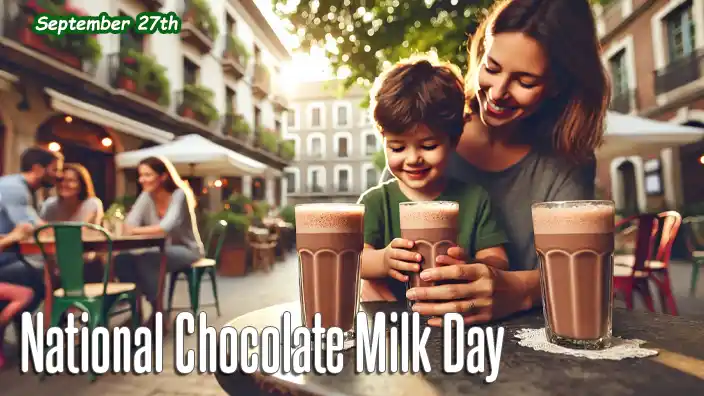
In a world filled with fancy beverages like artisanal cold brews and exotic teas, there’s one drink that remains the ultimate comfort: the creamy concoction that somehow manages to be both a treat and a post-workout hero. Whether you’re five or fifty-five, nothing feels quite as triumphant as that first sweet, frothy sip. It’s the only drink that can make you feel like a champion athlete and a mischievous child all at once, and let’s be honest—who wouldn’t want to feel like they’re winning at life while also indulging their inner five-year-old?
Celebrated: Annually, on September 27th
Dive into the rich history and nutritional benefits of chocolate milk. Celebrate National Chocolate Milk Day by learning why this creamy treat is more than just a sweet indulgence.

- Details
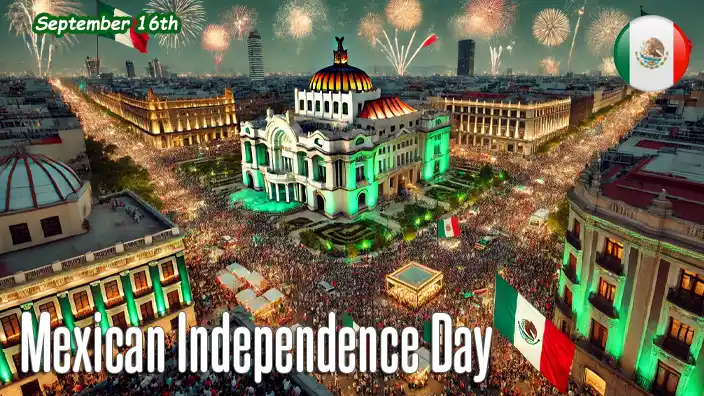
On Mexican Independence Day, it’s not just about history; it’s about showing the world how to party with purpose! You’ve got the Grito (a battle cry that sounds suspiciously like someone stubbed their toe), fireworks that rival the 4th of July, and enough food to fuel an army—because, well, that’s how this all started. If you’re not waving a flag, eating chiles en nogada, or attempting to explain that Cinco de Mayo is a totally different thing (again), are you even celebrating properly? In Mexico, they don’t just win independence—they throw a fiesta so good it makes you want to fight for freedom all over again. ¡Viva México!
Celebrated: Annually, on September 16th
Discover the vibrant celebrations and historical significance of Mexican Independence Day, marking Mexico's freedom from Spanish rule in 1810. ¡Viva México!

- Details
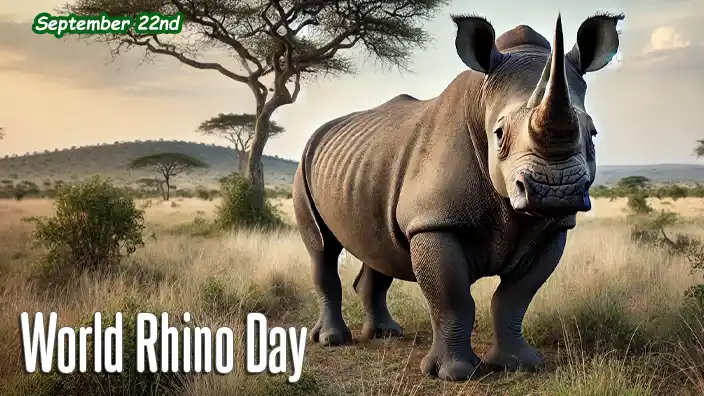
Rhinos are basically the world's biggest introverts—solitary, slow-moving, and always giving off that “don’t bother me” vibe. With skin like armor and a horn that could poke a hole in your picnic plans, they look like nature's toughest committee has designed them. But despite their tank-like appearance, they're really just oversized herbivores who love to graze and take mud baths. Imagine if your bathtub were an Olympic-sized pool and you weighed a few tons—who wouldn’t want to wallow all day? Just don’t mention their eyesight; they might not see you, but they will hear you laughing!
Celebrated: Annually, on September 22nd
Celebrate World Rhino Day on September 22nd. Learn about the evolution, species, and conservation efforts of these majestic creatures. Join the fight against poaching and habitat loss.


- Details
Police Remembrance Day is not just a date on the calendar; it’s a powerful reminder of the ultimate sacrifice made by men and women in law enforcement who put their lives on the line to protect others. This day stands as a solemn reflection of the dangers officers face daily—walking into the unknown, confronting violence, and defending communities, often at great personal cost. It is a day to honor the fallen, to acknowledge the grief of their families, and to remind society that these brave individuals don’t just wear a badge; they carry the weight of our safety on their shoulders.
Celebrated: Annually, on September 29th
National Police Remembrance Day on September 29th honors law enforcement officers who have made the ultimate sacrifice in the line of duty, reflecting on their bravery and dedication.

- Details
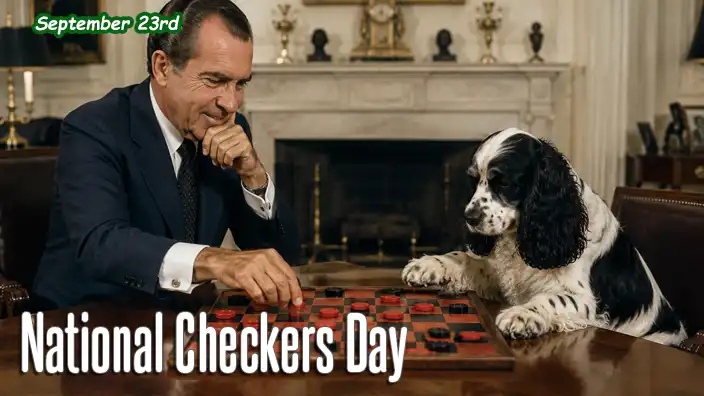
National Checkers Day is one of those celebrations that catches people completely off guard. Mention it to a friend and they'll probably start talking about checkerboards, kings, and that one uncle who takes family game night far too seriously. In reality, the holiday honors a famous dog named Checkers whose role in American political history became far bigger than anyone could have imagined. It may not involve jumping pieces across a board, but it certainly left its mark on history.
The holiday that sounds like a board game tournament but is actually a tribute to one famous dog and a historic political speech

- Details
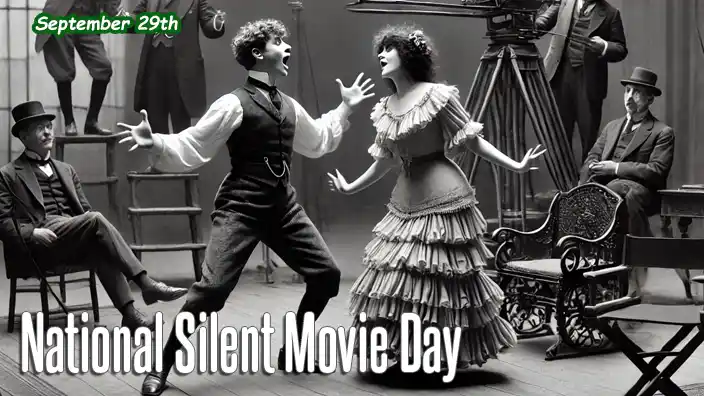
Imagine watching a silent film, where exaggerated facial expressions and physical comedy do all the talking. Now, fast forward to today’s Dolby Atmos world, where every rustle of a leaf or dramatic explosion is so loud it feels like your chair might launch into orbit. Back then, you had a piano player providing mood music and actors flailing wildly to get their point across. Today, you’ve got speakers everywhere, and the sound is so immersive, you’ll hear things that aren't even in the movie—like the crunch of popcorn five rows back. Silent films had charm, but let’s be honest: the only thing you might miss in a Dolby-fueled blockbuster is a whispered “I love you” buried under the roar of an asteroid hitting Earth!
Celebrated: Annually, on September 29th
Discover the magic of silent films on National Silent Movie Day, September 29th. Learn about the origins, storytelling techniques, and iconic stars of early cinema.

- Details
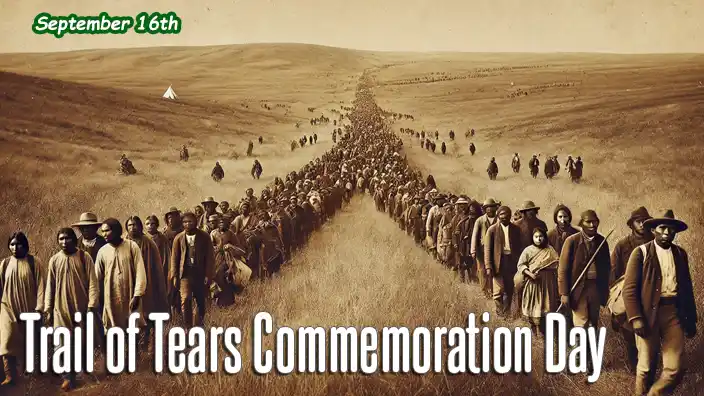
In one of the most baffling moves in American history, President Andrew Jackson decided that listening to the Supreme Court wasn’t really his thing. Despite the Court ruling in favor of the Cherokee in Worcester v. Georgia, Jackson allegedly responded, "John Marshall has made his decision; now let him enforce it." And just like that, the law was ignored, and the Trail of Tears began—a tragic chapter where justice was as absent as Jackson’s regard for the rule of law.
Celebrated: Annually, on September 16th
Trail of Tears Commemoration Day honors the forced removal of Native American tribes, reflecting on their suffering and resilience, and promoting justice and remembrance.

- Details
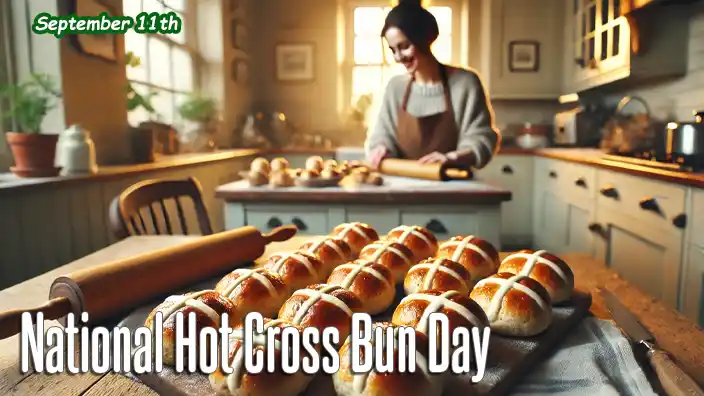
Hot Cross Buns are the overachievers of the baked goods world. Not content with being just another sweet roll, they come spiced, studded with raisins, and flaunt a stylish icing cross on top, as if to say, “Look at me, I’m both delicious and symbolic.” They’ve been around for centuries, dodging bans and sneaking out of ovens like pastry rebels. But let’s be honest—no one’s thinking about ancient history when biting into one. You’re more likely wondering how something with a cross on it can still be so devilishly good!
Celebrated: Annually, on September 11th
Celebrate National Hot Cross Bun Day on September 11th with a deep dive into the history, tradition, and delicious variations of this beloved spiced pastry.

- Details
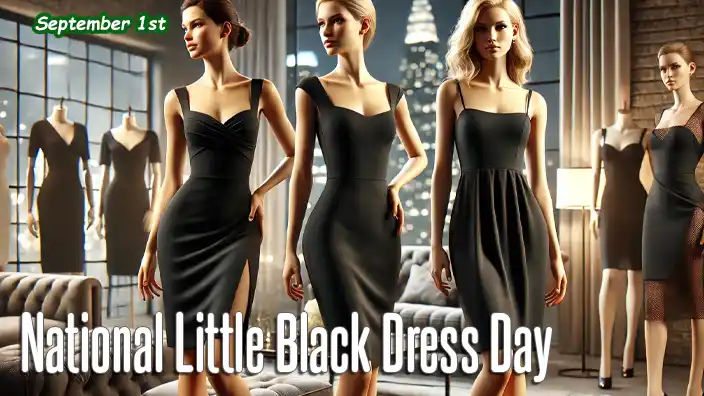
The Little Black Dress is like that friend who’s always ready for anything—whether it’s a last-minute dinner, a job interview, or a surprise red carpet event (because, hey, you never know). It’s the fashion equivalent of a superhero cape, turning mere mortals into style icons with just a zip and a strut. Need to feel fabulous in a flash? The LBD’s got you covered, literally. It’s the one dress that never judges your choice of accessories, forgives you for skipping the gym, and makes you look like a million bucks—even when you’re just dashing out for milk.
Celebrated: Annually, on September 1st
National Little Black Dress Day celebrates the iconic LBD, a fashion superhero that transforms wardrobes and exudes elegance and versatility. Join the celebration of this timeless classic!

- Details
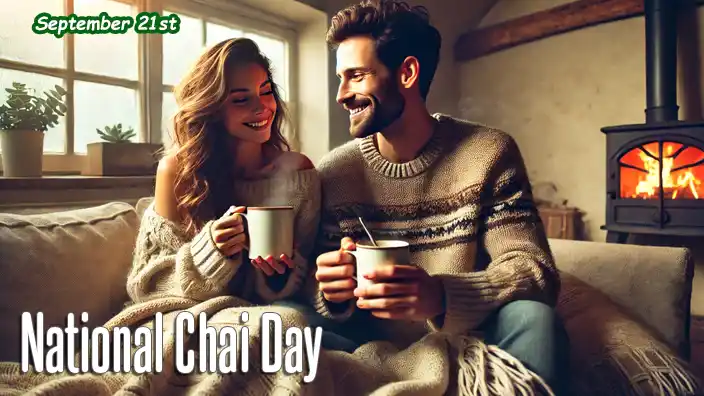
There’s something about that first sip of spiced tea that feels like you’ve been wrapped in a cozy blanket of warmth and flavor. It’s sweet, spicy, and soothing all at once, like a conversation between your taste buds and a crackling fireplace. You’re not just drinking tea – you’re sipping on centuries of tradition, all while pretending you’re more worldly than you probably are. Forget the caffeine jolt; this is about the quiet confidence that comes with knowing your drink has layers… just like you!
Celebrated: Annually, on September 21st
Discover the magic of chai, from its rich history to brewing the perfect cup. Celebrate National Chai Day with a symphony of spices that warm the soul.

- Details
Grandma Moses proves that age is just a number, and a pretty irrelevant one at that—especially when you start painting at 78! While most people her age were probably perfecting the art of napping or complaining about the weather, she was busy capturing landscapes on canvas and becoming a world-famous artist. If Grandma Moses can take up painting in her late 70s and still achieve success, what’s stopping the rest of us from picking up a new hobby, whether it's pottery, knitting, or competitive skydiving? The moral here: it's never too late to be amazing, so don't let a few extra candles on the cake hold you back!
Celebrated: Annually, on September 7th
Celebrate National Grandma Moses Day on September 7th, honoring the folk artist who began painting in her late 70s and became an international sensation.


- Details
Space may be the final frontier, but today it’s just your living room — and we’re still boldly going. Star Trek Day is here, which means it’s time to dust off your communicator, straighten your Starfleet uniform (or bathrobe, we’re not judging), and prepare for warp speed nostalgia. Whether you’re a die-hard Trekkie who can explain warp field mechanics or you think “beam me up” sounds cool, this day is for celebrating starships, Spock logic, and the only future where the Wi-Fi actually works across the galaxy.
Celebrated: Annually, on September 8th
Celebrate Star Trek Day on September 8 with humor, history, and warp-speed fun. Beam up trivia, binge episodes, and live long and prosper.


- Details
Responsible Dog Ownership Day is the one day of the year when dogs everywhere quietly evaluate their humans and ask the big question: “Are you doing your job properly?” Did you remember the walk? The food? The vet visit? The ear scratches delivered in the exact approved location behind the left ear? Dogs give us loyalty, protection, and the occasional chewed slipper, but in return they expect responsible humans who provide care, training, and plenty of belly rubs. Responsible Dog Ownership Day celebrates the humans who step up to the task—and reminds the rest of us that the dog is definitely keeping score.
Celebrated: Annually, on the Third Saturday in September
Responsible Dog Ownership Day is a September observance that promotes proper care, training, and a lifelong commitment to our loyal canine companions.

- Details
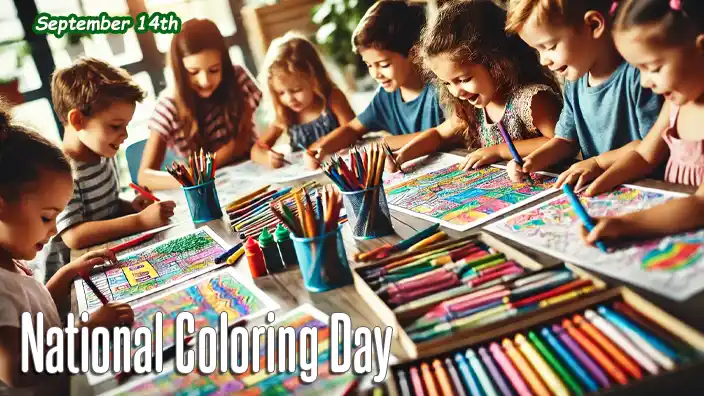
Coloring is one of those rare activities where you can feel both wildly creative and completely out of control at the same time. You start with good intentions—"I’ll stay in the lines this time!"—but halfway through, the sun is purple, the dog is neon green, and the sky is some shade of regret. By the end, you’re not sure if you’ve made a masterpiece or a cry for help, but at least it’s colorful. And let's be honest: no one ever judged Picasso for not coloring inside the lines.
Celebrated: Annually, on September 14th
Celebrate National Coloring Day on September 14th by rekindling your childhood joy of coloring. Embrace creativity and enjoy stress relief with crayons, markers, or digital tools.

- Details
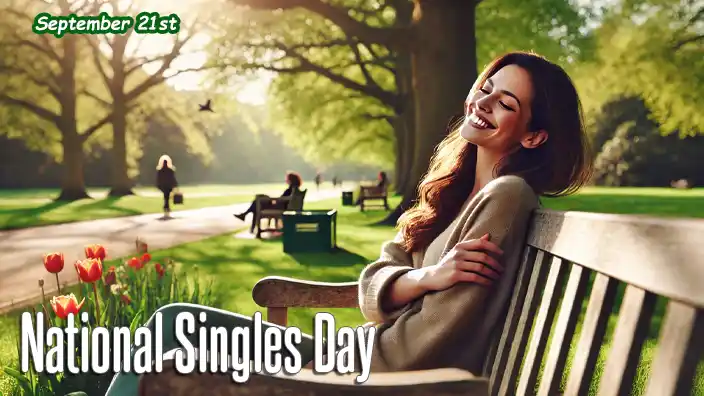
No one ever complains when you finish off an entire pizza by yourself, and there’s no need to explain why you’re watching your favorite show for the third time in a week. The beauty of solo living? Absolute control over the thermostat, total domination of the remote, and zero obligation to share snacks. It’s the freedom to plan last-minute adventures or indulge in a marathon of “me time” without the need for compromise. And when your only argument is with the laundry pile, you know you’re winning!
Celebrated: Annually, on September 21st
Celebrate National Singles Day by embracing the freedom, independence, and fabulousness of solo life. Discover the history and enjoy being single unapologetically.

From Our Marks Catelog
-

Brussels sprouts: the tiny green orbs that have been sparking dinner table debates for...
-
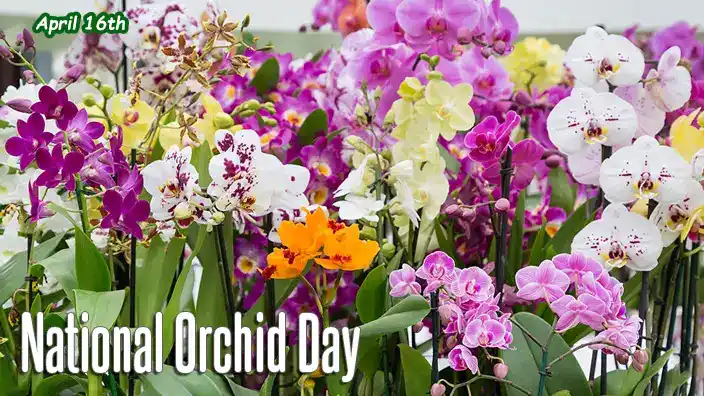
Elegance, mystery, and just the right amount of arrogance—some things demand admiration without lifting...
-
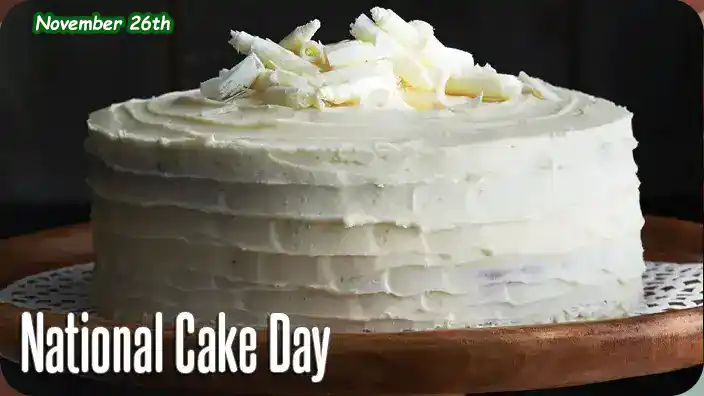
National Cake Day is the one day of the year when it's socially acceptable to have your cake and eat...
-

Forget glow-in-the-dark snack cakes and cheese that comes in a spray can—there’s something wildly...
-
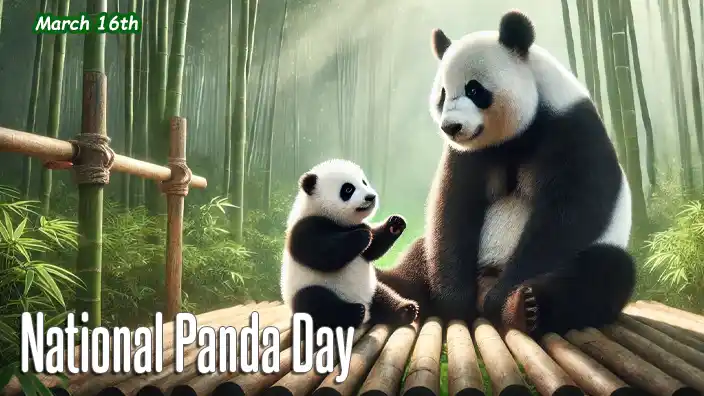
If there were an Olympic event for clumsiness, someone would be rolling down the hill, missing their...
-
Gazpacho Soup Day isn’t just a day to honor cold tomato soup; it’s a day to revel in the absurdity of...

