Mark The Days - May

May strolls in like it’s got nowhere to be and all the time in the world. Flowers bloom, birds sing, and suddenly everyone remembers they own flip-flops. It’s the month where spring hits its stride and lawn mowers wake from hibernation with a roar. Holidays in May are all about moms, margaritas, and memorials—and sometimes all three at once if you're doing the weekend right. It’s the gentle nudge before summer’s full cannonball, and honestly, May deserves a round of applause just for making us forget how weird March was.

- Details
Brothers are like human Swiss Army knives—unpredictable, occasionally useful, and often equipped with at least one function that drives you nuts. One minute they're helping you fix your bike, the next they're blaming you for the weird smell in the garage. They have an uncanny ability to remember every embarrassing thing you’ve ever done, and they wield that knowledge like a superpower at family gatherings. But despite their relentless teasing, loud chewing, and refusal to ask for directions, they’re also the first to show up when life gets messy—probably still in that same hoodie from 2009.
Celebrated: Annually, on May 24th
Explore the unique bond of siblinghood on Brother’s Day, celebrating the camaraderie, rivalry, and unconditional love shared between brothers. Reflect on the memories and quirks that make this relationship special.

- Details
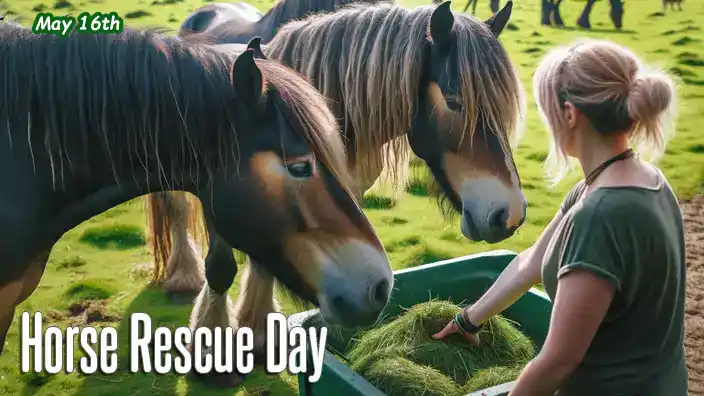
Horse rescue is a vital and urgent mission. Abused, neglected, and abandoned horses face unimaginable suffering, often left without proper food, shelter, or medical care. Horse rescue organizations work tirelessly to rehabilitate these majestic animals, offering them a second chance at life. By supporting horse rescue, we not only save lives but also stand against cruelty and neglect, ensuring every horse experiences the dignity and compassion they deserve.
Celebrated: Annually, on May 16th
Horse Rescue Day highlights the dedication of volunteers and organizations working tirelessly to rescue, rehabilitate, and find loving homes for horses in need.


- Details
They’re the only vegetable that shows up to dinner dressed as fries, mashed with butter, baked in foil, or deep-fried and curled into a smile. Potatoes are the culinary shapeshifters of the food world—one minute they're comfort food royalty, the next they’re hiding in your pantry growing weird little eyes like they’re plotting a root-based uprising. They’ve survived famines, launched snack empires, and somehow still end up being blamed for every carb-related guilt trip. Honestly, if potatoes had a publicist, they’d be the most relatable celebrity on the planet: humble, versatile, and always a little lumpy.
Celebrated: Annually, on May 30th
Explore the global celebrations of International Day of the Potato and learn about the history, nutritional benefits, and cultural impact of this beloved vegetable.


- Details
Having a hole in your bucket is nature’s way of saying, “You tried.” It’s the DIY version of a practical joke, except the punchline is soggy feet and a confused expression. You set out to water the garden or wash the car, and instead you create a slow-motion disaster that Henry and Liza would be proud of. It’s like your bucket went rogue—decided it was more of a colander than a container and said, “Let’s see how you handle this, champ.” But hey, that’s the beauty of it. In the grand circus of life, sometimes you’re the ringmaster... and sometimes you’re just the clown with the leaky bucket.
Celebrated: Annually, on May 30th
Discover the quirky celebration of National Hole In My Bucket Day, dedicated to embracing life's imperfections with laughter and creativity. Join the fun on May 30th!


- Details
A sleepover is that magical childhood event where kids pack enough gear for a weekend expedition, but only stay one night — usually fueled by sugar, giggles, and an unspoken agreement that no one is actually going to sleep. Pillows turn into projectiles, popcorn ends up in places no one understands, and there's always that one kid who insists on telling a ghost story five minutes before lights-out, instantly regretted by everyone. It’s chaos wrapped in sleeping bags and sealed with a promise to do it all again next weekend.
Celebrated: Annually, on May 9th
Discover the playful world of sleepovers, from pajama fashion shows to midnight snacks. Learn how this tradition evolved into National Sleepover Day.


- Details
Some dashboard features scream for attention—low fuel lights, check engine warnings, mysterious blinking icons that seem vaguely threatening. But the odometer? It quietly counts every mile without complaint, faithfully documenting your life’s adventures, bad directions, and suspiciously frequent snack runs. National Odometer Day is the perfect time to honor this humble little number-cruncher that knows exactly how far you’ve gone, even if you’d rather not admit it.
Celebrated: Annually, on May 12th
Join us for National Odometer Day with the history and importance of the device that tracks every mile of life’s journeys


- Details
Macaroons are the lovable oddballs of the cookie world—lumpy, golden, and proudly unbothered by the need to look fancy. While other desserts are busy being piped into perfection or posing for Instagram, macaroons are just over here being chewy, coconutty perfection with zero vanity and maximum flavor. They’re the kind of treat that looks like it was made by a toddler with great taste and a spoon, yet somehow manages to steal the whole dessert table like a sugary little bandit. Add a drizzle of chocolate, and they basically achieve cookie enlightenment.
Celebrated: Annually, on May 31st
Celebrate National Macaroon Day on May 31st by baking delicious coconut macaroons. Discover their rich history and get a foolproof recipe to try at home.

- Details
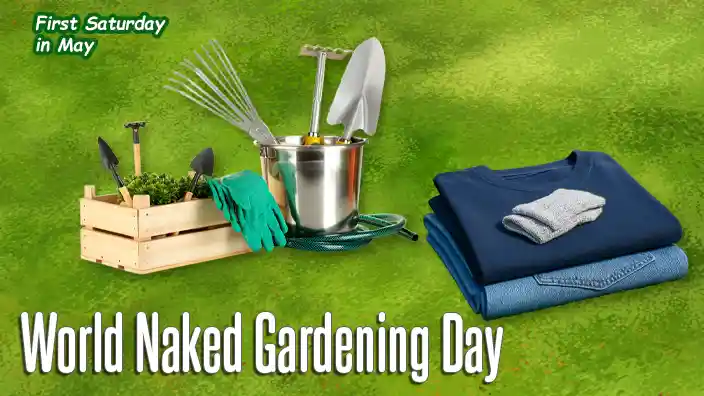
Gardening naked is nature’s way of saying, “Why not combine your love of plants with a mild sunburn and the constant fear of surprise visitors?” It’s the only hobby where you can experience total freedom, extreme vulnerability, and the sudden realization that squash leaves are not as soft as they look. But hey, nothing builds confidence quite like deadheading daisies in the breeze while praying the mail carrier doesn’t round the corner.
Celebrated: Annually, on the First Saturday in May
Join the World Naked Gardening Day movement for a unique blend of gardening, naturism, and self-acceptance. Learn how to participate safely and respectfully.


- Details
Some holidays ask for deep reflection. Others demand fireworks, feasts, or elaborate decorations. Towel Day boldly asks one simple question: “Do you know where your towel is?” Every May 25, fans of Douglas Adams celebrate by clutching bath linens like cosmic survival gear, proving once and for all that the difference between an ordinary citizen and an intergalactic legend may be nothing more than proper towel management. It’s practical, ridiculous, and exactly the kind of nonsense the universe probably needs more of.
Celebrated: Annually, on May 25th
Do you know why your Towel is so surprisingly important. Join us as we celebrate Towel Day and learn more


- Details
Cocktails are the grown-up version of playing with your food—except now you’re swirling liquid with fruit, twigs, and the occasional flaming garnish, all while pretending it's sophisticated. They’re the only drinks that require both a recipe and an interpretive dance to make properly. And let’s face it, any beverage that comes with a tiny umbrella, a rim of salt, and a slice of pineapple clearly doesn’t know whether it’s a drink, a snack, or a beach vacation in a glass—and frankly, that’s why we love them.
Celebrated: Annually, on May 13th
Discover the spirited world of World Cocktail Day, where history, innovation, and culture blend in every sip. Join the global celebration of cocktail culture!


- Details
Soaking up the sun on May Ray Day is basically nature’s version of plugging yourself into a charging station—just with more Vitamin D and fewer tangled cords. But be warned: while a little sunshine can lift your spirits and make you feel like a solar-powered superhero, too much can leave you looking like a cautionary tale from a beachside barbecue. So yes, bask like a lizard on a warm rock… just don’t toast yourself like a rotisserie chicken. Sunscreen is your friend, not just an optional condiment.
Celebrated: Annually, on May 19th
Discover the origins of National May Ray Day and how the Evans brothers created a celebration to honor life's simple pleasures and the warmth of spring.


- Details
Museums are one of the few places where you can walk in knowing absolutely nothing and walk out feeling slightly smarter—without anyone handing you a bill or a pop quiz. One minute you’re admiring a painting you don’t quite understand, the next you’re nodding thoughtfully like you’ve been studying art history for years. International Museum Day is your official excuse to wander through centuries of human achievement, scratch your head at a few exhibits, and leave convinced that somewhere along the line, people were both brilliant and just as weird as we are today.
Celebrated: Annually, on May 18th
Learn about the history, importance, and ways to enjoy International Museum Day with this engaging and informative guide.


- Details
Singing out is one of those glorious acts of human expression that walks the fine line between brilliance and public disturbance. One minute you’re passionately belting out your favorite tune like you're headlining Madison Square Garden, and the next, your cat is hiding under the couch and your neighbor is googling noise-canceling headphones. But that’s the beauty of it—singing out isn’t about being good, it’s about being loud, proud, and just delusional enough to believe the world needs your rendition of “Total Eclipse of the Heart” at full volume on a Tuesday morning.
Celebrated: Annually, on May 25th
National Sing Out Day on May 25th is a celebration of voices where shower soloists, car crooners, and karaoke kings unite to sing without fear of judgment. Unleash your inner superstar!


- Details
Coke drinkers are a fiercely loyal bunch—like, “don’t-even-think-about-offering-me-a-Pepsi” loyal. They can spot a red can from 200 yards and will passionately defend their choice as if it were a beloved family member. Some claim it tastes better in a glass bottle, others swear by fountain Coke with just the right amount of ice, and then there are the true connoisseurs who can tell the difference between McDonald’s Coke and everyone else’s (and they’re not wrong). To them, Coke isn’t just a drink—it’s a lifestyle, a personality trait, and possibly a blood type.
Celebrated: Annually, on May 27th
Discover the fascinating history of Coca-Cola on National Have a Coke Day, from its medicinal origins to its status as a global icon of refreshment.

- Details
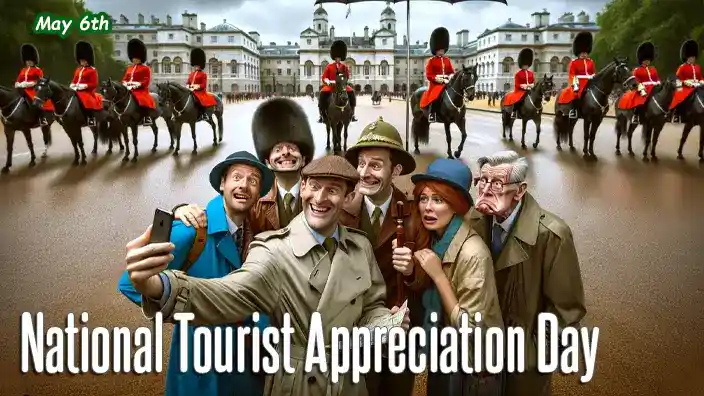
Tourists are like glitter—impossible to ignore, occasionally a bit much, but somehow everything feels more festive when they’re around. Sure, they walk five-abreast on narrow sidewalks, ask where the “local Starbucks” is, and mistake the post office for a historic landmark—but they also bring energy, enthusiasm, and a delightful willingness to pay full price for that snow globe you’ve ignored since 2009. Deep down, even the most jaded local knows: life would be a lot duller without someone asking, “Is this where they filmed something famous?”
Celebrated: Annually, on May 6th
National Tourist Appreciation Day celebrates the intrepid explorers who support local economies and preserve cultural heritage. Join the global travelers.


- Details
Living in Florida means many things. It means sunshine, afternoon thunderstorms, and the occasional realization that the “floating log” in the pond is actually watching you. National Alligator Day celebrates one of the Sunshine State’s most famous residents—the American alligator. These prehistoric-looking reptiles have been perfecting the art of lurking in swamps for millions of years, and they still manage to look completely unimpressed with humanity. Whether you admire them from an airboat, a boardwalk, or the safety of your living room window, one thing is certain: in Florida, the alligators were here first, and they are in absolutely no hurry to leave.
Celebrated: Annually, on May 29th
Celebrating Florida’s famous backyard dinosaur and the remarkable reptile that has ruled the swamps for millions of years.

- Details
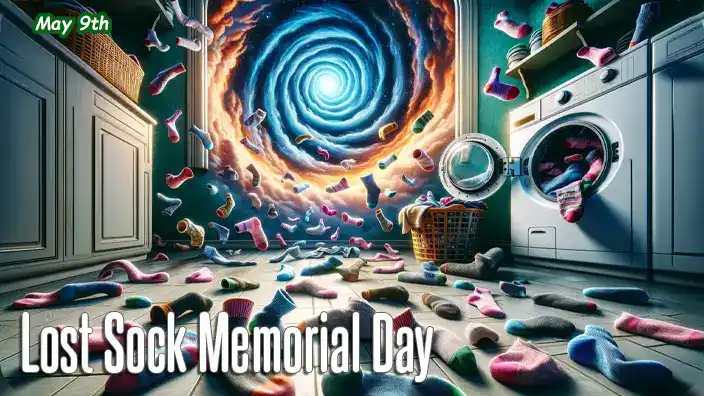
This is the day when we honor the brave socks that have ventured into the abyss of the washing machine, never to return. It's a time to remember the lefts without rights, the stripes without partners, creating mismatched monuments in our drawers. This solemn day reminds us of the mysterious sock vortex that exists somewhere between the washing and drying cycles, a place where single socks roam free, liberated from the tyranny of human feet. So, let's raise a sock to those we've lost, and maybe, just maybe, buy a new pair to fill the void.
Celebrated: Annually, on May 9th
Discover the fun of Lost Sock Memorial Day! Celebrate with crafts, sock hunts, and humorous tributes to those lone socks we've all lost in the laundry.


- Details
On Lei Day, Hawaiians swap flower necklaces like Pokémon cards, creating a colorful mosaic of floral fashion that could make even Mother Nature jealous. It's the one day a year where the competition for the biggest, brightest lei becomes more intense than a hula showdown. If you're not careful, you might find yourself adorned with so many flowers that you start to resemble a walking flowerbed - just hope the bees don't mistake you for their next floral buffet!
Celebrated: Annually, on May 1st
Discover the vibrant tradition of Lei Day in Hawaii, where floral creativity and the Aloha spirit come together in a unique celebration on May 1st.

From Our Marks Catelog
-
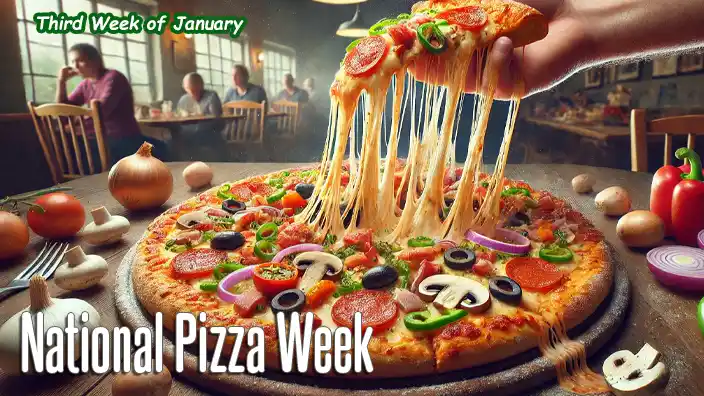
Pizza is the ultimate customizable dish. It caters to all, from the staunch meat-lover who wants...
-

Your toes don't ask for much. They spend their days squeezed into shoes, dodging coffee tables,...
-

You’re trying to relax after a long day, but your dog has decided that now is the perfect time to...
-
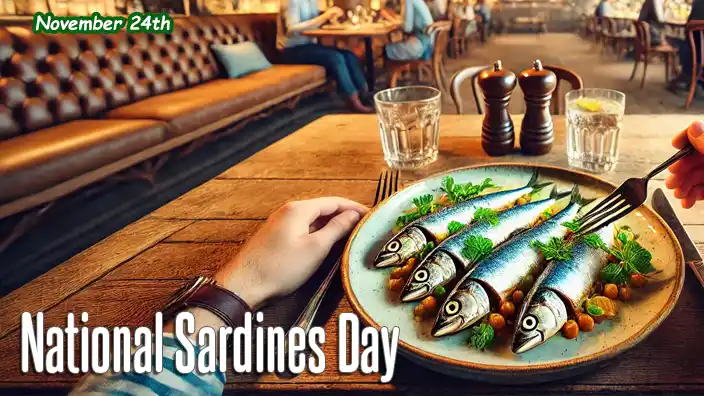
Tiny, shiny, and unapologetically bold, these little fish have a knack for stealing the show at...
-
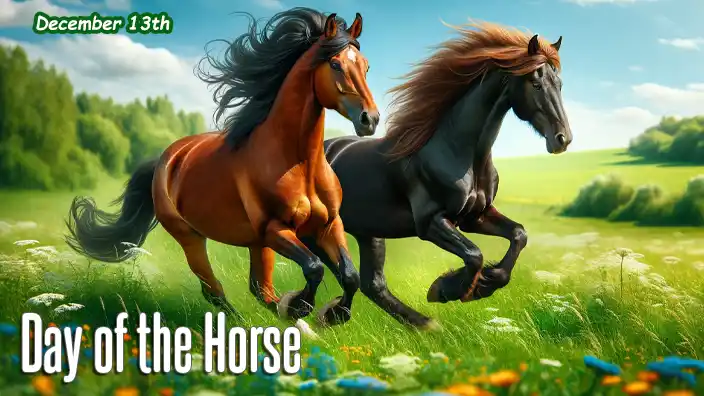
Horses are the comedians of the animal world, even if they don’t realize it. From sneaky maneuvers...
-
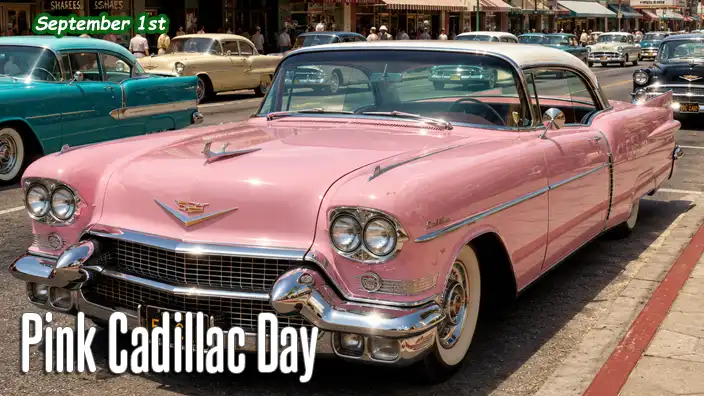
Some cars are built to get you from point A to point B. The Pink Cadillac was built to make sure...

