A Grand Excuse to Wander Through History, Art, and Oddly Specific Dinosaur Bones
If there’s one place where ancient civilizations, priceless paintings, bizarre inventions, and suspiciously dramatic taxidermy can all coexist under one roof, it’s a museum. Museum Lover’s Day, celebrated every year on May 5, is dedicated to those noble souls who can happily lose themselves for hours among exhibits, artifacts, and enough historical trivia to dominate family dinners for decades.
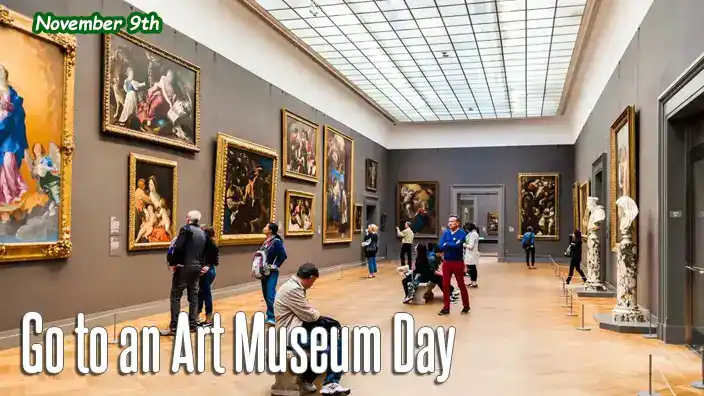
Unlike broader observances such as International Museum Day or specialized celebrations like Go to an Art Museum Day, Museum Lover’s Day embraces the full museum experience. This is not just about admiring brushstrokes or pretending to understand abstract sculpture—it’s about celebrating every museum, from natural history halls and science centers to maritime museums, quirky roadside collections, and local heritage institutions preserving the stories that shaped communities.
For museum enthusiasts, this holiday is a reminder that museums are not dusty old buildings filled with things people forgot to throw away. They are living time capsules, educational powerhouses, and occasionally air-conditioned sanctuaries where curiosity thrives.
What Is Museum Lover’s Day?
Museum Lover’s Day is an unofficial annual celebration honoring museums and the people who adore them. Observed on May 5, the day encourages visitors to explore museums of all kinds and appreciate their role in preserving history, science, culture, and creativity.
While its exact origins are somewhat mysterious—appropriately enough for a museum holiday—the spirit behind it is simple: museums matter. They connect us to our collective past, help us understand the present, and often inspire the future.
Whether your passion lies in ancient Egypt, vintage trains, space exploration, fine art, or oddly specific collections of antique spoons, Museum Lover’s Day recognizes the value of preserving knowledge and making it accessible to everyone.

A Brief History of Museums
Museums have existed in one form or another for far longer than most people realize. The idea of collecting, preserving, and displaying important objects dates back thousands of years to ancient civilizations that carefully maintained cultural, religious, and historical artifacts. Early rulers, priests, and scholars in places like Mesopotamia, Egypt, and Greece often safeguarded valuable items, manuscripts, and ceremonial treasures not only for practical use but also to preserve their heritage and demonstrate power. These early collections laid the groundwork for the modern museum, transforming private or sacred treasures into organized spaces dedicated to education, preservation, and public curiosity.
Early Museums:
Ancient Mesopotamia housed some of the earliest known curated collections around 530 BCE
Greek and Roman scholars collected art and scientific specimens
Renaissance Europe popularized “cabinets of curiosities,” showcasing rare objects and discoveries
Modern public museums began emerging in the 17th and 18th centuries, offering educational access beyond royalty and scholars.
Some major milestones include:
- The British Museum opened in 1753
- The Louvre became a public museum in 1793
- The Smithsonian Institution was established in 1846
- Thousands of specialized museums followed worldwide
Today, museums range from world-famous institutions to delightfully eccentric local attractions, each preserving unique pieces of human knowledge.
Why Museums Still Matter
In an era where information is available instantly online, museums remain essential because they offer something digital media cannot fully replicate: direct engagement with real objects, real stories, and real history.
Museums provide:
- Cultural preservation
- Educational opportunities
- Scientific exploration
- Community identity
- Artistic inspiration
- Historical accountability
Standing inches from a centuries-old artifact or towering dinosaur skeleton carries a weight no screen can match.
Museums also serve as guardians of memory, preserving everything from triumphs to tragedies, ensuring future generations can learn from the past rather than repeat its worst mistakes.
Types of Museums Worth Exploring
Museum Lover’s Day is the perfect time to remember that museums come in many forms.
Popular museum categories include:
- History museums
- Science museums
- Natural history museums
- Maritime museums
- Military museums
- Children’s museums
- Technology museums
- Cultural heritage museums
- Specialty museums (everything from chocolate to cryptozoology)
One person’s “educational experience” may be another person’s “I drove two hours to see the world’s largest ball of twine,” but that’s part of the charm.

How to Celebrate Museum Lover’s Day
Celebrating Museum Lover’s Day doesn’t require plane tickets to Paris or exclusive gallery invitations.
Meaningful ways to participate:
- Visit a local museum you’ve never explored before. Many hidden gems exist right in your region.
- Take advantage of virtual museum tours offered by major institutions worldwide.
- Support museums through memberships, donations, or gift shop purchases—because replica fossils and historical bookmarks deserve love too.
- Share your favorite museum experiences on social media using #MuseumLoversDay.
- Encourage children or grandchildren to visit museums and foster lifelong curiosity.
- Even revisiting a favorite museum can reveal something new. After all, history has a sneaky way of offering fresh surprises.
Famous Museums Around the World
For serious museum lovers, certain destinations remain legendary.
Iconic museums include:
- The Louvre (France)
- Smithsonian Institution (USA)
- British Museum (UK)
- Vatican Museums (Italy)
- Metropolitan Museum of Art (USA)
- Museum of Natural History (USA)
- Rijksmuseum (Netherlands)
These institutions draw millions annually, proving humanity never entirely outgrows its fascination with old things, shiny things, or giant whale skeletons.
Fun Facts About Museums
Museums have their fair share of fascinating quirks:
- The Louvre is the world’s most visited museum
- Some museums house millions of objects, though only a fraction are displayed
- The first public museum was the Ashmolean Museum in Oxford
- There are museums dedicated to everything from ramen noodles to bad art
- Many museums offer nighttime exhibits, proving history gets even cooler after dark
The Lasting Legacy of Museum Lover’s Day
Museum Lover’s Day celebrates more than exhibits behind glass—it honors humanity’s desire to remember, understand, and share knowledge.
Museums preserve our victories, mistakes, creativity, and curiosity. They remind us where we came from and challenge us to think about where we’re headed.
So whether you’re admiring ancient relics, marveling at scientific breakthroughs, or simply enjoying a suspiciously overpriced museum café coffee, May 5 is the perfect day to celebrate the institutions that keep history, culture, and discovery alive.
Because sometimes the best adventures don’t require a passport—just comfortable shoes, a curious mind, and perhaps a map large enough to locate the gift shop before closing time.