Mark The Days - May

May strolls in like it’s got nowhere to be and all the time in the world. Flowers bloom, birds sing, and suddenly everyone remembers they own flip-flops. It’s the month where spring hits its stride and lawn mowers wake from hibernation with a roar. Holidays in May are all about moms, margaritas, and memorials—and sometimes all three at once if you're doing the weekend right. It’s the gentle nudge before summer’s full cannonball, and honestly, May deserves a round of applause just for making us forget how weird March was.

- Details
Without proper weights and measures, buying a pound of apples could mean anything from a generous bagful to a single, slightly judgmental Granny Smith—and don’t even get started on paying for gas by the "almost gallon." Accurate measurement isn't just about fairness; it's the thin line between a good deal and being swindled with a smile. And in the science lab? Well, let's just say that confusing grams with kilograms or inches with centimeters could turn a simple experiment into a fireworks display, a minor explosion, or, at the very least, a very stern conversation with the fire marshal. Precision matters—and not just because no one wants to accidentally invent a new crater in the parking lot.
Celebrated: Annually, on May 20th
Discover the fascinating world of precision and global cooperation celebrated on Weights & Measures Day. From ancient origins to modern standards, explore the significance of metrology in everyday life.

- Details
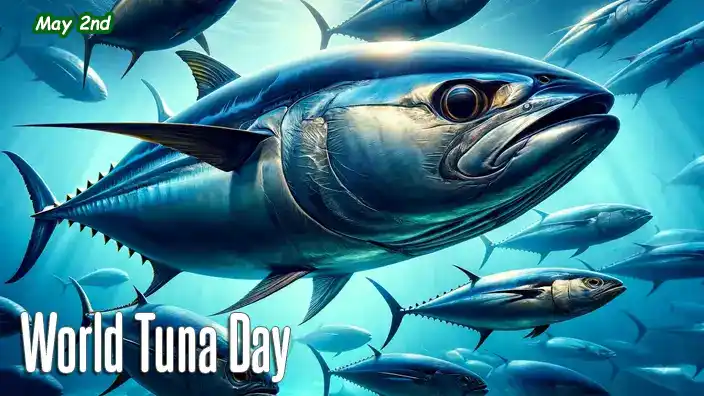
If there’s one thing that can make you question the value of your life choices, it’s watching a bluefin tuna sell for more per pound than solid gold. Imagine being a tuna, swimming around minding your own business, only to find out that sushi enthusiasts have turned you into a luxury item worth millions. Meanwhile, gold just sits there—doing nothing—yet somehow holds the title of "precious metal." Tuna, on the other hand, travel thousands of miles, outswim sharks, and maintain an elite diet of smaller fish, yet they don’t even get a trophy—just a spot on the menu at an exclusive Tokyo auction.
Celebrated: Annually, on May 2nd
World Tuna Day, established by the United Nations on May 2nd, emphasizes sustainable fisheries management and the importance of tuna in global trade and nutrition.


- Details
Powered by caffeine, creativity, and a stubborn refusal to give up, they somehow manage to juggle inventory, marketing, taxes, customer service, and that one customer who insists their expired coupon is still valid. These businesses are the scrappy survivalists of the commercial world—running on heart, hustle, and a hope that today’s “just browsing” becomes tomorrow’s regular. Whether they’re selling handmade soap, gourmet donuts, or socks with motivational quotes, there’s always a touch of magic (and probably glitter) behind every sale.
Celebrated: Annually, on May 10th
Celebrate the heart and creativity of small businesses on National Small Business Day. Discover the backbone of local economies and the unique charm they bring to communities.


- Details
Straw hats aren't just a fashion statement; they're a survival tool for the socially awkward. Where else can you find a stylish accessory that protects you from the sun and offers a handy hiding spot from people you'd rather not talk to at summer parties? Just tilt that brim down, and voila! Instant privacy. Whether you're warding off UV rays or awkward small talk, a straw hat is your best ally—think of it as your personal shade provider and social shield rolled into one convenient package!
Celebrated: Annually, on May 15th
Discover the fascinating history and amusing quirks of National Straw Hat Day, a celebration of summer, sunshine, and laid-back living. Explore the origins and significance of the humble straw hat.


- Details
On Lei Day, Hawaiians swap flower necklaces like Pokémon cards, creating a colorful mosaic of floral fashion that could make even Mother Nature jealous. It's the one day a year where the competition for the biggest, brightest lei becomes more intense than a hula showdown. If you're not careful, you might find yourself adorned with so many flowers that you start to resemble a walking flowerbed - just hope the bees don't mistake you for their next floral buffet!
Celebrated: Annually, on May 1st
Discover the vibrant tradition of Lei Day in Hawaii, where floral creativity and the Aloha spirit come together in a unique celebration on May 1st.


- Details
Every year on May the Fourth, Jedi robes come out of closets, lightsabers get dusted off, and grown adults proudly argue over the correct order to watch the movies—as if the fate of the galaxy depends on it. Star Wars Day isn’t just a celebration, it’s a full-blown galactic takeover by fans who’ll quote Yoda in business meetings, name their pets after obscure droids, and insist that yes, they do need another limited-edition Baby Yoda mug. May the Force be with their credit cards.
Celebrated: Annually, on May 4th
Discover the origins and evolution of Star Wars Day celebrated on May 4th, a global phenomenon uniting sci-fi enthusiasts in joyous festivities.


- Details
World hunger is not just a statistic—it’s a daily crisis that robs millions of their dignity, opportunity, and lives. Every night, nearly 800 million people go to bed hungry, not because there isn't enough food, but because of deep-rooted inequality, conflict, poverty, and broken systems that fail the most vulnerable. Children suffer the most—malnutrition stunts their growth, impairs brain development, and traps them in a cycle of poverty that spans generations. In a world of technological marvels and billion-dollar food industries, the existence of hunger on this scale is not just unacceptable—it’s a global failure. Solving it isn’t charity. It’s justice.
Celebrated: Annually, on May 27th
Explore the juxtaposition of World Hunger Day with National Hamburger Day and National Brisket Day, highlighting disparities in global food access. The celebration of abundance and the call to action for a more equitable distribution of resources.


- Details
Dracula may be the king of the undead, but he’s got some very alive problems. He can shapeshift into a bat, mist, or wolf—but still can’t figure out how to open a bag of chips. He’s centuries old but can’t wrap his cape around how smartphones work. And while he’s terrifying to villagers, he’s absolutely terrified of Zillow—have you seen the rent on castles these days?
Celebrated: Annually, on May 26th
Explore the eerie celebration of World Dracula Day on May 26th, delving into the legend of the world's most famous vampire, Count Dracula, in a spine-chilling and surprisingly humorous journey.


- Details
Wears blue every day, throws tantrums like a drama queen during hurricane season, and still manages to support billions of lives without asking for a thank-you card—Mother Ocean is basically the overworked, underappreciated matriarch of the planet. She’s got range too: one moment, she’s calm and sparkling like a spa influencer on vacation, the next, she’s flipping ships and reminding us who really runs the place. If Earth had a personality, she’d definitely be the salty one with a mysterious past, a soothing voice, and zero patience for plastic straws.
Celebrated: Annually, on May 27th
Discover the wonders of Mother Ocean Day, a celebration of the sea's importance. Learn fun ocean facts, join cleanups, and explore the ocean's mysteries on May 10th.


- Details
Sleek, slippery, and always up to something, these little mischief-makers live like they’ve got a sitcom running 24/7. One minute they’re juggling rocks like furry circus performers, and the next they’re holding hands in a floating cuddle pile that could melt even the iciest of hearts. They build dens with underwater entrances, stash snacks in their armpits, and slide down riverbanks just because it’s Tuesday. Honestly, if reincarnation is real, being an otter wouldn’t be a bad gig—endless playtime, seafood buffet, and zero email.
Celebrated: Annually, on May 27th
Celebrate World Otter Day, a delightful occasion dedicated to these playful creatures. Learn about otters' habitats, social behaviors, and the importance of conservation.


- Details
Some people have kids. Others have dogs… and let’s be honest, the dogs are eating better, sleeping more comfortably, and getting more daily compliments. Dog Mom Day celebrates the women who proudly introduce themselves as “Mom” to a creature that responds primarily to treats, squeaky toys, and the sound of a cheese wrapper from three rooms away. It’s not just a title—it’s a lifestyle, complete with early morning walks, spontaneous vet visits, and the ability to identify at least ten different barks, each with its own meaning.
Celebrated: Annually, on the Second Saturday in May
Join us in this fun, factual guide to honoring Dog Moms, their routines, and the special bond they share with their dogs.


- Details
Global Africa Day might be rooted in history and unity, but let’s be honest—it also knows how to throw a party. From Lagos to London, Cape Town to Chicago, celebrations burst with color, music, and enough dancing to make your FitBit weep. It's the one day a year when wearing bold prints, eating your body weight in spicy stew, and spontaneously joining a drum circle is not only acceptable—it’s encouraged. Whether you're waving a flag, busting a move, or just pretending to know the lyrics to an Afrobeat anthem, Global Africa Day is your annual permission slip to celebrate culture, community, and that undeniable global groove Africa brings to the world.
Celebrated: Annually, on May 25th
Global Africa Day celebrates unity, heritage, and Africa's influence globally. Learn about the historical context, educational events, and global impact of this vibrant celebration.


- Details
They say meditation brings peace, clarity, and inner stillness—but if you've ever tried it, you know it also brings an urgent need to scratch your nose, think about laundry, and wonder what that weird sound in the wall is. Meditation: the ancient art of trying to do nothing while your brain throws a parade. Still, there’s something magical about sitting quietly, breathing deeply, and pretending you're not secretly just waiting for snack time.
Celebrated: Annually, on May 21st
Discover the rich history and global impact of meditation, from ancient practices in India to modern trends worldwide. Take a deep breath and explore the serene world of meditation.


- Details
Technology has gotten so advanced that your phone can recognize your face, your car can park itself, and your fridge might soon start judging your late-night snack choices. Meanwhile, you’re still standing there trying to remember if your password had a capital letter, a number, or the name of your first pet from 1978. National Technology Day is here to celebrate all these incredible breakthroughs—and to remind us that while technology keeps evolving at lightning speed, most of us are just doing our best to keep up without accidentally resetting something important.
Celebrated: Annually, on May 11th
Celebrate National Technology Day, without which, Mark The Day would not be possible.


- Details
World Password Day is the annual reminder that 123456, your dog's name, and the word “password” are not exactly keeping cybercriminals awake at night. Celebrated on the first Thursday in May, it's a good day to strengthen your passwords, secure your accounts, turn on multi-factor authentication, and finally retire that login you've been using since dial-up Internet was considered impressive.
Celebrated: Annually, on the First Thursday in May
World Password Day is your reminder to secure your accounts, retire those terrible old passwords, and make life considerably harder for hackers


- Details
Rhinos are the bouncers of the animal kingdom—thick-skinned, no-nonsense, and always ready to plow through life headfirst. They’re the kind of creature that looks like it was designed by a committee: part tank, part unicorn, and part grumpy grandpa who just wants some peace and quiet. With a face that says, “I’ve seen things,” and a horn that doubles as a built-in personal space enforcer, rhinos command respect. Yet despite their fearsome look, they spend most of their time napping, grazing, and enjoying luxurious mud baths like giant, prehistoric spa-goers. They’re proof that you can be tough on the outside and a total softie at heart—especially if you’re up to your ears in mud.
Celebrated: Annually, on May 1st
Discover the fascinating world of rhinos, their conservation challenges, and how efforts are underway to prevent these majestic creatures from becoming extinct.


- Details
Using sunscreen is the adult version of having your mom spit-wipe your face—mildly annoying but weirdly necessary. Sure, it might feel like you’re smearing mayo all over your body and end up looking shinier than a rotisserie chicken, but that’s the price of protecting yourself from turning into human beef jerky. Plus, skipping sunscreen in hopes of getting a tan faster is like skipping your seatbelt because you’re “only driving a few blocks”—technically possible, but also wildly unwise. So lather up, embrace the glow, and remember: lobster-red is not a summer fashion statement.
Celebrated: Annually, on May 27th
Discover the history of sunscreen, from ancient remedies to modern marvels, and how sun protection has evolved over the centuries. Embrace Sunscreen Day with a celebration of staying sun-safe and fabulous.


- Details
Limericks are proof that poetry doesn’t always have to wear a tuxedo—sometimes it shows up in mismatched socks, carrying a rubber chicken. These five-line mischief-makers are the literary equivalent of a wink and a nudge, sneaking punchlines into polite company and getting away with it. They’re the poems that didn't get invited to the sonnet's garden party but threw their own bash in the backyard—with puns, absurd geography, and rhymes so forced they probably need a chiropractor. And we love them all the more for it.
Celebrated: Annually, on May 12th
Discover the whimsy of limericks and why this pint-sized poetry packs such a punch on National Limerick Day, celebrated in honor of Edward Lear's birthday.

From Our Marks Catelog
-
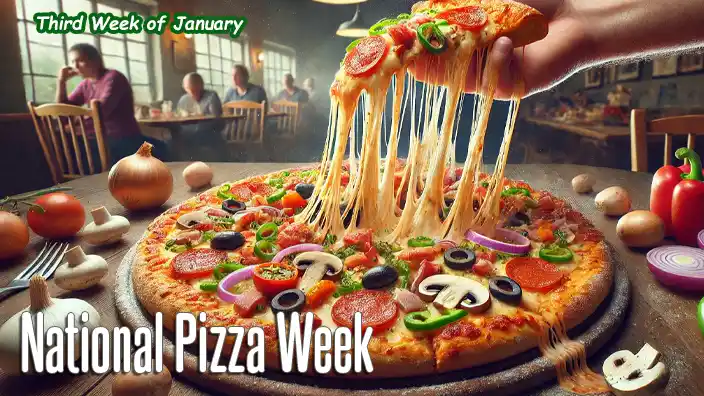
Pizza is the ultimate customizable dish. It caters to all, from the staunch meat-lover who wants...
-

Your toes don't ask for much. They spend their days squeezed into shoes, dodging coffee tables,...
-

You’re trying to relax after a long day, but your dog has decided that now is the perfect time to...
-
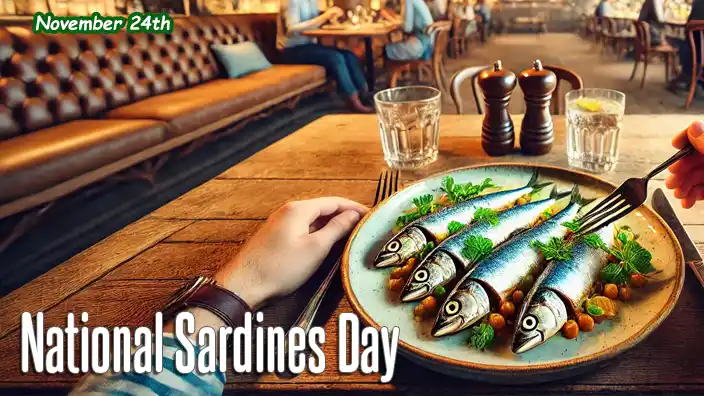
Tiny, shiny, and unapologetically bold, these little fish have a knack for stealing the show at...
-
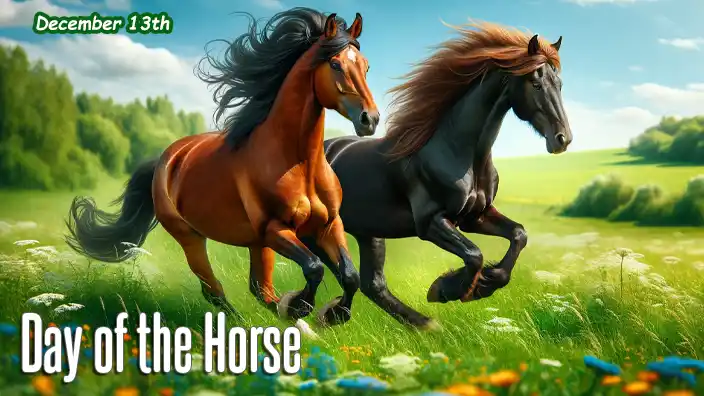
Horses are the comedians of the animal world, even if they don’t realize it. From sneaky maneuvers...
-
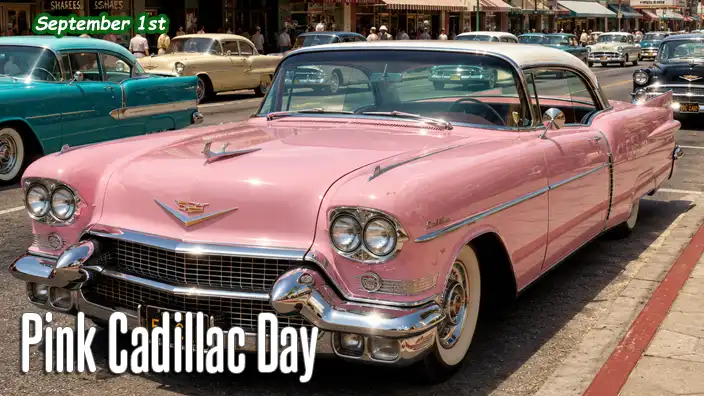
Some cars are built to get you from point A to point B. The Pink Cadillac was built to make sure...

