Mark The Days - March

March is the month that can’t make up its mind—snow boots in the morning, flip-flops by dinner. It’s like the year’s awkward teenager: moody, unpredictable, and occasionally dressed like a leprechaun. One minute you're bracing for a blizzard, the next you're sunburned from walking to the mailbox. Somewhere in the chaos, we celebrate pi, potatoes, poetry, and the mystical power of green beer. March is when things start to wake up, thaw out, and go just a little sideways. And frankly, we wouldn’t have it any other way.

- Details
Trying to gain control when your life looks like a live-action blooper reel is a special kind of comedy. You stride into the room with a planner, a confident smile, and a color-coded pen… only to trip over the dog, spill coffee on your to-do list, and realize you're wearing mismatched shoes—again. You say things like, "I've got this," while your toddler paints the cat, your phone starts updating mid-call, and your Roomba escapes under the couch to start a new life. It’s a performance piece called “Everything’s Fine!”, starring you, and directed by sheer chaos.
Celebrated: Annually, on March 30th
Celebrate National I Am In Control Day on March 30 by taking charge of your life. Discover its history and ways to reclaim your personal power.


- Details
A French crepe and a Bavarian pretzel walk into a beer hall. The pretzel scoffs at the crepe’s delicate folds, while the crepe eyes the pretzel’s chunky twists with suspicion. Just as tensions rise, a frothy pint of beer lands between them, and suddenly, all differences melt away—because, as history has taught us, beer has a remarkable way of turning strangers into friends. And so, with a splash of Bavarian lager in the batter and a touch of culinary diplomacy, the Bavarian Crepe was born—a dish that proves even the most unexpected pairings can create something undeniably delicious.
Celebrated: Annually, on March 22nd
Bavarian Crepes Day celebrates the fusion of French elegance with Bavarian tradition, creating a culinary delight that bridges cultures and flavors.


- Details
National Fruit Compote Day is here to remind us that sometimes the fanciest-sounding dishes are just fruit that decided to dress up a little. No baking degree required, no complicated techniques—just fruit, a bit of sweetness, and the patience to not eat it straight from the pot (a challenge many of us fail with dignity).
Celebrated: Annually, on March 1st
Join us for National Fruit Compote Day with easy ideas, history, and tasty ways to enjoy this simple, versatile fruit dish at home.


- Details
Weather forecasting is like playing darts blindfolded, but instead of aiming for a bullseye, you're trying to predict whether it will rain cats, dogs, or the occasional llama. Meteorologists use sophisticated technology, vast data, and a sprinkle of meteorological magic to tell us if we should wear shorts or build an ark. Despite their best efforts, sometimes the weather has a sense of humor too, deciding to turn a predicted sunny day into an impromptu swimming test. So, next time the forecast says "sunny with a chance of showers," you might as well pack sunglasses, an umbrella, and maybe a rubber duck, just in case.
Celebrated: Annually, on March 23rd
Explore the fascinating world of meteorology this World Meteorological Day. Learn about weather forecasting, climate science, and fun weather facts.


- Details
Chocolate caramel is like the dynamic duo of the dessert world, Batman and Robin, if they swapped crime-fighting for confectionery delights and wore aprons instead of capes. Imagine caramel, with its gooey, stretchy self, getting into a sticky situation only to be rescued by the smooth, dashing hero chocolate. Together, they embark on epic taste adventures, leaving a trail of wrappers and satisfied sighs in their wake. It's the kind of partnership that makes you believe in true love, or at least in the power of comfort eating. So, the next time you find yourself unwrapping a chocolate caramel treat, remember: you're not just indulging in a snack, you're witnessing the delicious harmony of confectionery's most beloved power couple.
Celebrated: Annually, on March 19th
Experience the magic of chocolate and caramel coming together on National Chocolate Caramel Day. Celebrate creativity, share happiness, and savor the blissful journey of these delightful flavors


- Details
Most races involve running shoes, energy drinks, and spectators cheering from comfortable seats. The Iditarod skips all that and replaces it with sleds, snowstorms, and dogs who are wildly more excited about the journey than the humans trying to keep up with them. The Last Great Race on Earth is where bravery meets frostbite, sleep becomes optional, and teamwork means trusting a group of furry athletes who think running 1,000 miles sounds like a fantastic vacation.
Celebrated: Annually, on the First Saturday in March
Explore the history, challenges, and excitement of the Iditarod Sled Dog Race, Alaska’s legendary endurance event known as The Last Great Race on Earth.


- Details
Before Absinthe was banned, blamed, and dramatically misunderstood, it was simply a very strong drink with a flair for trouble. National Absinthe Day celebrates the Green Fairy in all her emerald glory—a spirit so powerful it inspired poetry, fueled legends, and occasionally convinced sensible people that standing up was optional. Observed on March 5th, this day is best approached with curiosity, caution, and a chair.
Celebrated: Annually, on March 5th
National Absinthe Day on March 5th celebrates the history, production, and myths of Absinthe, the famous Green Fairy spirit.


- Details
If there were ever a condiment that refused to stay in its lane, it’s ranch. What started as a simple salad dressing somehow worked its way onto wings, pizza, fries, and anything else that sits still long enough. National Ranch Day celebrates that creamy, herby overachiever that turned “just a dip” into a full-blown lifestyle. At this point, ranch isn’t just invited to the table—it’s running the show, and nobody’s complaining.
Celebrated: Annually, on March 10th
Check out the history of Ranch with fun facts and humor, learn about America’s favorite creamy dressing and dip


- Details
The annual slaughter of seals in Canada is a brutal and senseless massacre that stains the icy landscape with innocent blood. These gentle creatures, many just weeks old, are mercilessly clubbed and shot, their cries of pain lost in the frozen silence. The hunt, driven by a dwindling market for fur, persists despite global outrage, scientific condemnation, and ethical revulsion. No animal deserves to be brutally bludgeoned in its own home, especially not for luxury goods that the world has long since deemed unnecessary. It is a grotesque relic of the past—one that must be abolished before another generation of seals is needlessly sacrificed to greed and tradition.
Celebrated: Annually, on March 15th
Learn about the International Day of Action Against Canadian Seal Slaughter, and how you can help end the inhumane seal hunting practices.

- Details
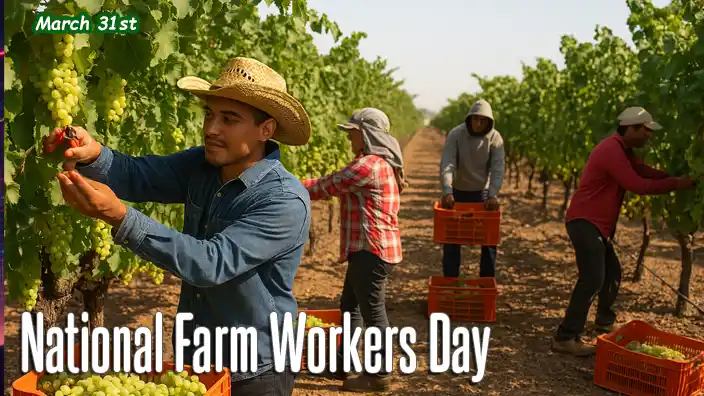
Farm workers are the only people who can outwork the sun and still have energy left to laugh at a tractor that won’t start… again. They can eyeball a watermelon and tell you if it’s ripe, spot a worm from twenty paces, and hold a full conversation with a stubborn goat while picking peppers with one hand. Forget CrossFit—try hauling crates of cabbage in 90-degree heat while outrunning a chicken with an attitude problem. It’s tough work, but somehow, these legends of the land manage to find the humor between the hoeing and the hay bales.
Celebrated: Annually, on March 31st
National Farm Workers Day commemorates the legacy of César Chávez and highlights the ongoing struggle for fair wages and working conditions in the agricultural sector.


- Details
Before movies lived on hard drives, clouds, or mysterious “servers somewhere,” they lived on reels—long, fragile strips of film that whirred, clicked, and occasionally misbehaved in projection booths around the world. Reel Film Day is a celebration of that beautifully mechanical era, when movies had weight, texture, and the very real possibility of ending abruptly if someone missed a cue. Reel Film Day invites us to appreciate the craft, patience, and controlled chaos that once powered cinema—no buffering required.
Celebrated: Annually, on March 5th
Reel Film Day on March 5th celebrates classic filmmaking, film reels, and the analog craft that shaped cinema before the digital age.


- Details
International Wheelchair Day rolls around every March 1st, and it's the one day of the year when wheelchairs outshine every hot rod and convertible on the planet. It's not just about celebrating these marvelous mobility machines; it's a day when we acknowledge the incredible people who use them. Think of it as a tribute to the world's most exclusive club, where the wheels are always spinning, and the members are rolling models of resilience and innovation. So, on this day, let's raise a toast (or a wheelie) to wheelchairs and their users, who navigate life's twists and turns with more grace and gusto than a ballet dancer on two wheels.
Celebrated: Annually, on March 1st
International Wheelchair Day celebrates the freedom and independence wheelchairs provide. Learn about its history, impact, and the global movement it has become.


- Details
Behold the most persuasive argument ever placed on a dinner table. No speeches required, no debate necessary — just a quiet plate of Oreos patiently waiting to test your willpower. Spoiler alert: your willpower never stood a chance.
Celebrated: Annually, on March 6th
Discover the story of the Oreo, its surprising history, traditions, and tasty ways to celebrate National Oreo Cookie Day.

- Details
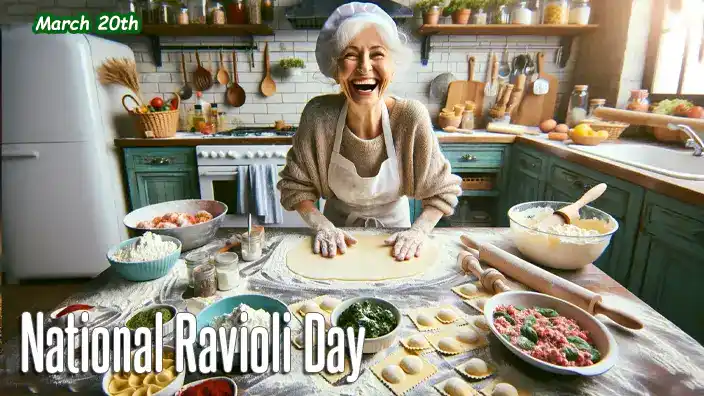
Versatile, compact, and endlessly delightful, ravioli takes pasta to a whole new level of fun. Each little pocket is like a culinary surprise package, daring you to guess its contents—whether it’s a classic ricotta and spinach filling or something adventurous like pumpkin and sage. It’s pasta dressed to impress, effortlessly blending comfort food vibes with gourmet flair. Even if it’s straight from a can, ravioli brings a touch of elegance to the table, reminding us all that good things truly do come in small, delicious packages.
Celebrated: Annually, on March 20th
Explore the rich history and global variations of ravioli, from its Italian origins to modern culinary creativity. Celebrate National Ravioli Day with joy!


- Details
Some holidays require elaborate planning. Oranges and Lemons Day, thankfully, keeps things refreshingly simple. All you need is a centuries-old nursery rhyme, a few church bells, and enough citrus fruit to make your kitchen smell like a Victorian marketplace. If the bells start “talking,” don’t worry—that’s part of the tradition. Just sing along confidently and pretend you know exactly what St. Martin’s bells are complaining about.
Celebrated: Annually, on the Third Thursday in March
Celebrate Oranges and Lemons Day with the story behind the famous nursery rhyme, London’s historic church bells, and the citrus-filled tradition.


- Details
Being awesome is not about flexing in the mirror or announcing your greatness to unsuspecting bystanders. It’s about quietly handling your business like a competent adult while the world spins in mild chaos around you. It’s returning the shopping cart. It’s fixing the leaky faucet instead of “monitoring the situation” for six months. It’s showing up on time, doing the hard thing, and not demanding a parade afterward. Real awesomeness doesn’t need a spotlight. It just needs a little backbone, a little effort, and maybe a decent cup of coffee.
Celebrated: Annually, on March 10th
Celebrate International Day of Awesomeness on March 10 with humor, history, and simple ways to be extraordinary in everyday life.


- Details
Tolkien Reading Day arrives every March 25, inviting readers to open a J.R.R. Tolkien book and wander into Middle-earth without leaving the comfort of their favorite chair. Read about hobbits, heroes, elves, dragons, and dangerously influential jewelry while enjoying enough snacks to make second breakfast look like a warm-up.
Celebrated: Annually, on March 25th
Open a Tolkien book, pack a second breakfast, and head for Middle-earth—no wizard, walking staff, or troublesome ring required


- Details
Barbie has had more careers than most people have had hot meals, and she’s done it all in heels. She’s been an astronaut, a doctor, a CEO, and even a mermaid—because why stop at reality when you can have fins? She’s aged gracefully over the decades (which is impressive considering she’s permanently 19), and despite never bending her elbows properly, she’s managed to build an empire. Meanwhile, poor Ken has spent 60 years as an accessory, always standing in the background with his molded plastic hair, wondering if he’ll ever get his own Dreamhouse.
Celebrated: Annually, on March 9th
Explore the iconic journey of Barbie, a doll that has inspired generations with her diverse careers and timeless style. Join the celebration of National Barbie Day.

From Our Marks Catelog
-

Brussels sprouts: the tiny green orbs that have been sparking dinner table debates for...
-
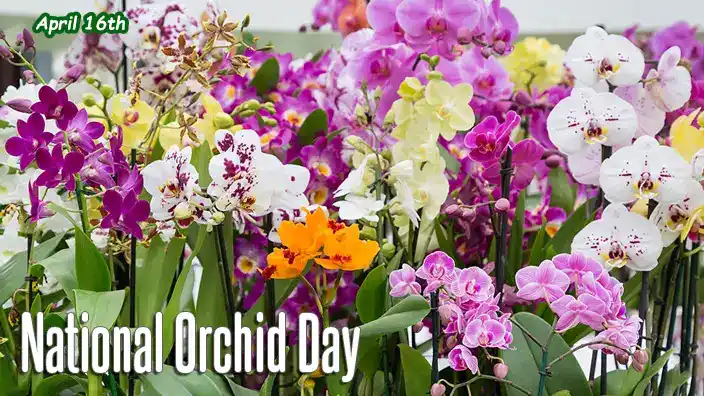
Elegance, mystery, and just the right amount of arrogance—some things demand admiration without lifting...
-

National Cake Day is the one day of the year when it's socially acceptable to have your cake and eat...
-

Forget glow-in-the-dark snack cakes and cheese that comes in a spray can—there’s something wildly...
-

If there were an Olympic event for clumsiness, someone would be rolling down the hill, missing their...
-

Gazpacho Soup Day isn’t just a day to honor cold tomato soup; it’s a day to revel in the absurdity of...

