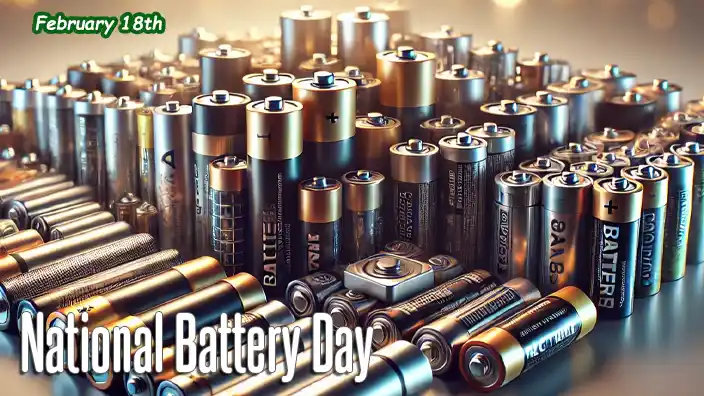
The Annual Reminder That Your Smoke Detector Shouldn’t Sound Like a Dying Cricket
Every year, Check Your Batteries Day arrives with one simple but surprisingly important mission: make sure the devices protecting your home, powering your essentials, and saving you from technological embarrassment are actually working. It may not come with fireworks or cake, but this observance is one of those practical days that can genuinely save lives, money, and frustration.
From smoke detectors and carbon monoxide alarms to flashlights, weather radios, and remote controls that mysteriously stop working during football season, batteries quietly keep modern life running. Check Your Batteries Day serves as a yearly nudge to stop assuming everything is fine and actually test those power sources before an emergency proves otherwise.

What Is Check Your Batteries Day?
Check Your Batteries Day is an annual observance dedicated to battery safety, maintenance, and preparedness. The day encourages households to inspect, replace, and properly dispose of batteries in important devices.
This includes:
- Smoke detectors
- Carbon monoxide detectors
- Flashlights
- Emergency radios
- Medical devices
- Security systems
- Household electronics
The goal is simple: prevent battery failure before it becomes a dangerous problem.
While it may sound about as exciting as reading appliance manuals, battery maintenance is crucial. Dead batteries in critical safety devices can lead to severe consequences, especially during fires, storms, or power outages.
Why Check Your Batteries Day Still Matters
Modern homes depend heavily on battery-powered devices, particularly for safety and emergency preparedness. Yet many people forget about batteries until the dreaded chirping begins at 3 a.m., turning a minor maintenance task into an impromptu scavenger hunt for a step ladder.
Regular battery checks help:
- Improve home safety
- Prevent alarm failures
- Ensure emergency readiness
- Extend device performance
- Reduce battery leakage damage
A few minutes spent checking batteries can mean the difference between being prepared and being caught off guard.
A Brief History of Battery Awareness
Battery awareness may seem like a modern concern, but it all began with the invention of the battery itself. In 1800, Italian physicist Alessandro Volta created the first true battery, known as the voltaic pile. This breakthrough changed science and technology forever, introducing portable stored electricity to the world. While Volta probably wasn’t worrying about dead TV remotes, his invention laid the groundwork for countless devices we now depend on daily.
Throughout the 19th and early 20th centuries, batteries became increasingly important in telegraphs, early communication devices, flashlights, and eventually automobiles. As technology advanced, batteries transformed from scientific curiosities into household necessities. By the mid-20th century, battery-powered devices had become common in homes, making reliable power sources more essential than ever.
The rise of smoke detectors in the 1970s dramatically shifted public focus toward battery maintenance. Suddenly, batteries weren’t just about convenience—they were directly tied to family safety. Fire departments and public safety organizations began widespread campaigns encouraging people to regularly test and replace batteries in smoke alarms. These campaigns often connected battery checks with seasonal routines like daylight saving time, creating memorable reminders for busy households.
As carbon monoxide detectors, emergency weather radios, and portable medical devices became more common, battery awareness expanded even further. It was no longer enough to simply own safety devices; maintaining them became critical. Public education campaigns stressed the importance of replacing batteries annually, properly disposing of old batteries, and understanding the risks of battery failure.
Today, battery awareness also includes rechargeable technology, lithium-ion safety, environmental recycling concerns, and emergency preparedness. With everything from smartphones to home security systems relying on battery power, the need for responsible battery maintenance has never been greater.
Check Your Batteries Day reflects this long evolution from simple convenience to essential preparedness. It serves as a practical reminder that while batteries may be small, their role in modern safety and daily life is enormous. In short, these little power packs deserve a lot more respect than they usually get—especially before they start chirping in the middle of the night.
How to Celebrate Check Your Batteries Day
Observing this day is refreshingly straightforward—but its importance cannot be overstated, as low or dead batteries in critical devices can pose serious — and sometimes deadly — risks. Smoke detectors with weak batteries may fail to alert families during a house fire, carbon monoxide detectors can go silent while invisible toxic gas builds unnoticed, and emergency flashlights or radios may leave households unprepared during storms, blackouts, or natural disasters. A battery may seem insignificant until the exact moment a safety device fails when it is needed most. Check Your Batteries Day serves as a powerful reminder that a few simple battery checks can prevent emergencies from becoming tragedies, proving that this small maintenance task carries enormous weight in protecting homes and lives.
- Test Your Safety Devices
Check smoke alarms and carbon monoxide detectors throughout your home. - Replace Old Batteries
If batteries are weak, expired, or questionable, swap them out immediately. - Stock Emergency Supplies
Make sure you have fresh batteries for flashlights, radios, and emergency gear. - Recycle Responsibly
Dispose of used batteries properly according to local recycling guidelines. - Educate Family Members
Teach everyone in the household where important battery-powered devices are located. - Common Battery Mistakes to Avoid
Even well-meaning homeowners make battery blunders. - Ignoring Expiration Dates
Batteries don’t last forever, even unused ones. - Mixing Battery Types
Combining old and new batteries can reduce efficiency and cause leaks. - Forgetting Backup Devices
Flashlights and weather radios matter just as much as alarms. - Leaving Dead Batteries in Devices
Old batteries can corrode and permanently damage electronics.

Fun Facts About Batteries
Batteries may not seem particularly exciting—until one dies at exactly the wrong moment—but these little powerhouses have a surprisingly fascinating history. From groundbreaking scientific inventions to powering countless everyday devices, batteries have helped shape modern life in ways most people rarely consider. Check Your Batteries Day is the perfect time to appreciate not only their practical importance but also some amusing and impressive facts about the energy-packed gadgets we often take for granted.
- The first true battery was invented by Alessandro Volta in 1800.
- Smoke detector batteries should generally be replaced at least once a year.
- Extreme temperatures can shorten battery life.
- Battery corrosion can often be cleaned carefully, but prevention is far better.
- The average household contains dozens of battery-powered devices.
The Power Behind Preparedness
Check Your Batteries Day may not be glamorous, but it delivers one of the most practical reminders of the year. It’s about preparedness, safety, and avoiding preventable disasters—all powered by something small enough to fit in your hand.
So take a few moments, grab a fresh pack of batteries, and make sure your devices are ready when you need them most.
Because nothing says “I should have planned ahead” quite like a smoke alarm that goes silent when it matters—or a TV remote that dies right before kickoff.