A Celebration Written in the Stars
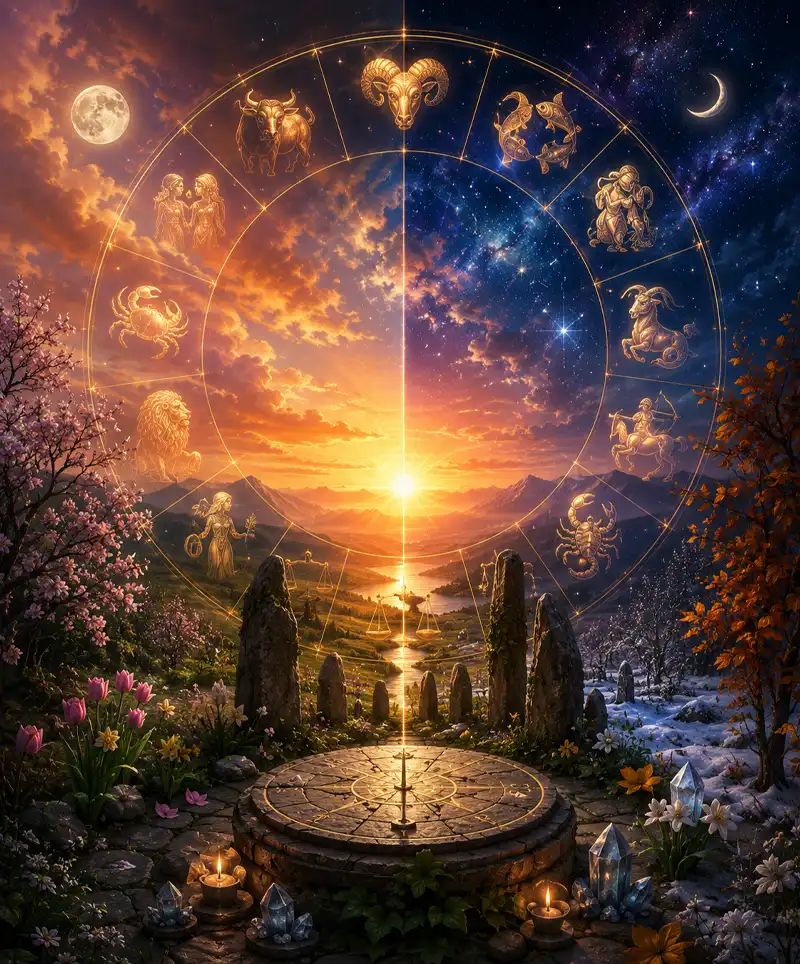
Every year, as winter gives way to spring in the Northern Hemisphere, astrology enthusiasts around the world celebrate International Astrology Day. Observed on the March Equinox, this annual event marks the beginning of the astrological year when the Sun enters Aries, the first sign of the zodiac.
For thousands of years, people have looked to the stars for guidance, meaning, and occasionally an explanation for why they bought three garden gnomes, started a new hobby, and texted an ex all in the same weekend. Whether you follow your horoscope religiously, know your rising sign by heart, or simply enjoy reading what the stars supposedly have in store, International Astrology Day offers an opportunity to explore one of humanity's oldest traditions.
The observance celebrates astrology's rich history, its influence on cultures around the world, and the enduring fascination people have with the movements of the Sun, Moon, planets, and stars.
The History of International Astrology Day
International Astrology Day was established in 1993 by the Association for Astrological Networking (AFAN). The organization created the observance to promote awareness of astrology, encourage cooperation among astrologers, and celebrate the beginning of the astrological year.
The chosen date was far from random. The March Equinox has long held significance in both astronomy and astrology. In tropical astrology, the equinox marks the moment when the Sun enters Aries, beginning a new cycle of the zodiac. Because Aries is the first sign of the zodiac calendar, astrologers view this event as the symbolic start of a new astrological year.
The relationship between astrology and astronomy stretches back thousands of years. Ancient civilizations including the Babylonians, Egyptians, Greeks, Chinese, and Maya closely observed the movements of celestial bodies. These observations helped determine planting seasons, navigation routes, religious festivals, and calendars. Over time, many cultures also developed systems that connected planetary movements and zodiac signs with human experiences and personalities.
While modern astronomy focuses on the scientific study of celestial objects, astrology remains a cultural and spiritual tradition practiced by millions of people worldwide. International Astrology Day recognizes this historical legacy and the continuing interest in zodiac signs, horoscopes, birth charts, and astrological interpretation.
Why the Date Changes Every Year
Unlike many observances that occur on a fixed calendar date, International Astrology Day follows the March Equinox.
The March Equinox is the moment when the Sun crosses the celestial equator, creating nearly equal amounts of daylight and darkness around the world. In the Northern Hemisphere, this event marks the first day of spring. In astrology, it also marks the Sun's entry into Aries and the beginning of the astrological year.
Because the Earth does not orbit the Sun in exactly 365 days, the timing of the equinox shifts slightly from year to year. Leap years help keep our calendars aligned with the Earth's orbit, but the exact moment of the equinox still varies.
As a result, International Astrology Day can fall on March 19, March 20, or March 21, depending on the year and the observer's time zone.
Interestingly, the observance falls on March 20 every year from 2024 through 2030. This long run of consistency sometimes leads people to believe the holiday is fixed on March 20. However, the date is actually determined by the equinox itself, not by the calendar.
In other words, astrology follows the Sun, not your wall calendar.
Why People Celebrate International Astrology Day
For many people, astrology provides entertainment, personal reflection, and a sense of connection to ancient traditions. Millions of people regularly read horoscopes, study zodiac compatibility, or explore detailed natal charts based on the positions of celestial bodies at the moment of birth.
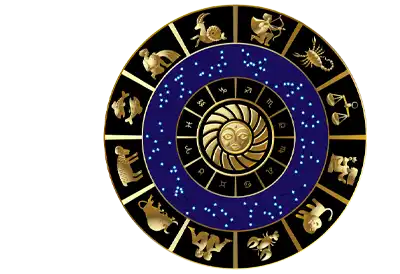
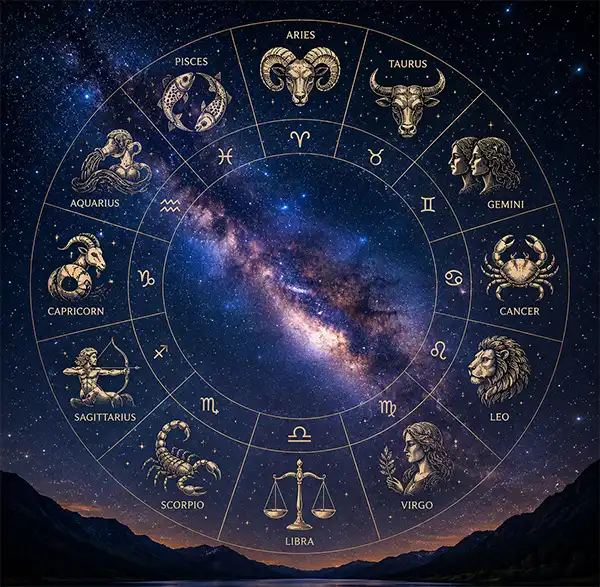
The observance also serves as an opportunity to learn more about the twelve zodiac signs:
- ♈ Aries - The Ram
- ♉ Taurus - The Bull
- ♊ Gemini - The Twins
- ♋ Cancer - The Crab
- ♌ Leo - The Lion
- ♍ Virgo - The Maiden
- ♎ Libra - The Scales
- ♏ Scorpio - The Scorpion
- ♐ Sagittarius - The Archer
- ♑ Capricorn - The Sea Goat
- ♒ Aquarius - The Water Bearer
- ♓ Pisces - The Fish
Whether someone believes astrology offers deep personal insights or simply enjoys seeing what the daily horoscope predicts, the subject continues to inspire curiosity around the world.
How to Celebrate International Astrology Day
One of the easiest ways to celebrate is by learning more about your zodiac sign and birth chart. Many people use the day to explore their sun sign, moon sign, and rising sign to gain a deeper understanding of astrological traditions.
Others celebrate by reading horoscopes, attending astrology workshops, joining online discussions, or exploring the history of astrology through books and documentaries.
You might also gather friends for a zodiac-themed party where everyone shares personality traits associated with their signs. Just remember that if two Scorpios, a Leo, and a Gemini end up arguing about who should organize the snacks, astrology may not be entirely to blame.
Some enthusiasts use the day for reflection, goal-setting, or planning for the astrological year ahead, much like people make resolutions at the start of a calendar year.
Fun Facts About Astrology
Astrology has fascinated humanity for thousands of years, inspiring everything from ancient calendars and royal advisers to newspaper horoscopes and smartphone apps. Along the way, the zodiac has accumulated plenty of interesting stories, surprising facts, and celestial curiosities. Before you check whether your sign predicts fame, fortune, or a strong desire to take an afternoon nap, enjoy these fun facts about astrology and the stars that have captured our imagination for centuries.
- Astrology is more than 4,000 years old and can trace some of its earliest roots to ancient Mesopotamia.
- The zodiac contains twelve signs that divide the sky into equal sections of 30 degrees each.
- The word "zodiac" comes from a Greek term meaning "circle of animals."
- Newspaper horoscopes became especially popular during the twentieth century.
- Millions of people around the world read daily horoscopes every day.
- Astrology apps and websites attract enormous audiences, proving that modern technology and ancient traditions can coexist surprisingly well.
International Astrology Day FAQ
The stars may not answer every question, but we've gathered answers to some of the most common ones about International Astrology Day. Whether you're curious about the holiday's origins, why the date changes from year to year, or how astrology connects to the March Equinox, these frequently asked questions will help you navigate the celebration without needing a telescope or a personal astrologer.
When is International Astrology Day?
International Astrology Day is celebrated annually on the March Equinox, which marks the beginning of spring in the Northern Hemisphere and the start of the astrological year.
Why does the date change?
The observance follows the March Equinox rather than a fixed calendar date. Depending on the year and time zone, it may occur on March 19, March 20, or March 21.
Who created International Astrology Day?
The Association for Astrological Networking (AFAN) established International Astrology Day in 1993.
Is International Astrology Day connected to astronomy?
The observance is tied to the March Equinox, an astronomical event. However, the holiday itself celebrates astrology and the beginning of the astrological year.
Why International Astrology Day Matters
International Astrology Day celebrates one of humanity's oldest attempts to understand the world and our place within it. Regardless of whether someone views astrology as a spiritual practice, cultural tradition, historical curiosity, or harmless fun, it continues to inspire interest across generations and cultures.
The observance reminds us that people have been gazing at the stars for thousands of years, searching for meaning, guidance, and answers to life's biggest questions.
And if the stars happen to suggest that today is a good day to treat yourself to dessert, who are we to argue with the universe?