Celebrating One of the Smartest Animals on the Farm
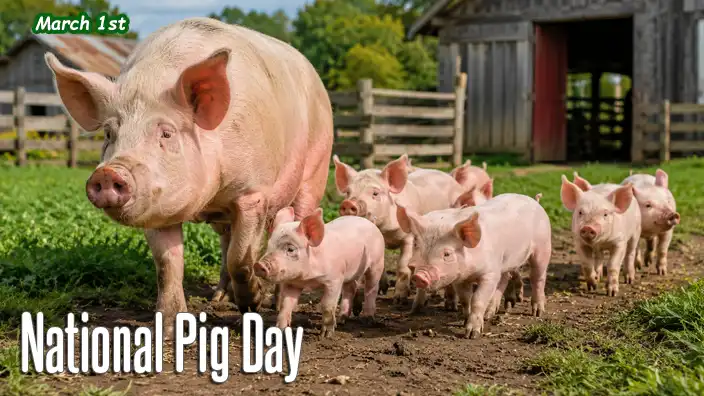
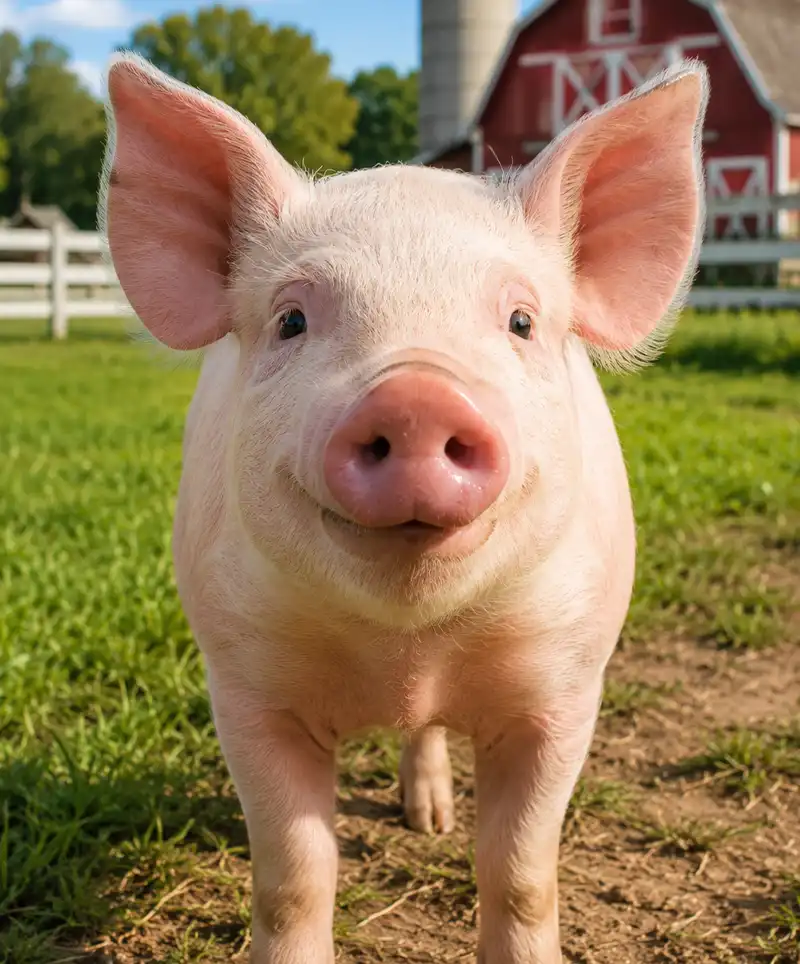
National Pig Day, observed each year on March 1, honors pigs and recognizes their importance in agriculture, history, and everyday life. Whether you know them as farm animals, beloved pets, cartoon characters, or the source of bacon at breakfast, pigs have played a significant role in human society for thousands of years.
Despite their reputation for rolling in mud and making a mess, pigs are remarkably intelligent animals. In fact, researchers have found that pigs can solve puzzles, learn tricks, recognize their names, and even outperform some household pets on certain problem-solving tasks. National Pig Day is the perfect opportunity to appreciate these clever creatures and learn more about what makes them so unique.
The History of National Pig Day
National Pig Day was established in 1972 by sisters Ellen Stanley and Mary Lynne Rave, who believed pigs deserved far more recognition than they typically received. At a time when many people viewed pigs only as livestock, the sisters set out to highlight the intelligence, usefulness, and unique personalities of these remarkable animals. Their goal was simple: create a day dedicated to celebrating pigs and educating the public about their many positive qualities.
The holiday quickly attracted attention from animal lovers, farmers, educators, and pig enthusiasts across the United States. As awareness of the day spread, schools, farms, zoos, and animal organizations began hosting events to teach people about pig behavior, pig breeds, and the important role pigs have played throughout human history. What started as a small observance gradually grew into an annual celebration recognized by people who appreciate both farm animals and animal welfare.
Pigs have shared a close relationship with humans for thousands of years. Archaeological evidence suggests that pigs were first domesticated around 9,000 years ago in parts of Asia and the Middle East. Over the centuries, they became valuable livestock animals around the world because of their adaptability, intelligence, and ability to thrive in a variety of environments. From small family farms to large agricultural operations, pigs have remained an important part of rural life and food production.
National Pig Day also serves as a reminder that many common beliefs about pigs are inaccurate. While pigs are often associated with mud and messes, they are actually quite clean when given enough space. Their famous mud baths are not signs of poor hygiene but a practical way to cool down and protect their skin from the sun and insects. As scientists have continued to study pig behavior, public appreciation for these clever animals has grown.
Today, National Pig Day is celebrated through educational programs, farm visits, animal sanctuary events, community activities, and social media campaigns. The holiday encourages people to look beyond stereotypes and recognize pigs for what they truly are—intelligent, social, and fascinating animals that have earned a special place in both agriculture and popular culture.

Why Pigs Are More Impressive Than Many People Realize
Pigs are often underestimated, but scientists and animal behavior experts have spent decades discovering just how remarkable these animals truly are. In terms of intelligence, pigs rank among the smartest domesticated animals in the world. Studies have shown that they can learn complex tasks, solve problems, remember solutions for long periods, and adapt to new situations. Some researchers even compare a pig's cognitive abilities to those of a young child.
One of the most impressive traits pigs possess is their ability to learn. They can respond to their names, recognize commands, and perform tricks ranging from simple tasks to surprisingly complex behaviors. In research settings, pigs have successfully used joysticks to control cursors on computer screens and have demonstrated an understanding of cause and effect. That's not bad for an animal that many people still picture standing in a muddy field wondering what comes next.
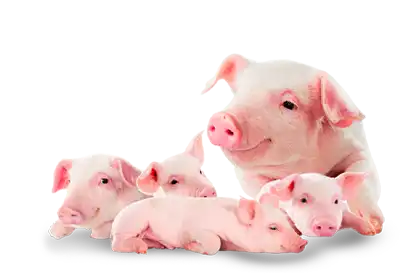
Pigs are also highly social animals. In the wild and on farms, they establish social groups, develop friendships, and communicate using a wide range of vocalizations. Researchers have identified dozens of distinct pig sounds, each conveying different emotions and messages. Piglets begin learning social behaviors at an early age and quickly recognize their mothers, littermates, and familiar caretakers.
Their emotional intelligence is equally fascinating. Pigs can display excitement, curiosity, affection, and even signs of stress or sadness. Studies suggest they can react to the emotions of other pigs and adjust their own behavior accordingly. Owners of pet pigs often describe them as affectionate companions that enjoy attention, playtime, and interaction with their human families.
Another surprising ability is their memory. Pigs can remember locations, routines, and solutions to problems long after learning them. This strong memory helps them navigate their environment and adapt to changing conditions. Of course, it also means they are unlikely to forget where treats are stored. If a pig sees you put a snack in a particular spot, don't be surprised if it later conducts a thorough investigation of that exact location.
Pigs are also physically impressive. They have an extraordinary sense of smell that allows them to locate food buried underground. In some parts of the world, specially trained pigs are used to hunt valuable truffles hidden beneath the soil. Their strong snouts are designed for rooting and digging, making them highly effective at finding food and exploring their surroundings.
Perhaps most importantly, pigs challenge many of the stereotypes people have about them. They are not naturally dirty animals. Given adequate space, pigs generally keep their sleeping and feeding areas separate from their bathroom areas. Their famous mud baths serve a practical purpose by helping regulate body temperature and protecting their skin from insects and sun exposure.
The more scientists study pigs, the more respect these animals earn. Their intelligence, social skills, emotional awareness, memory, and adaptability make them one of the most fascinating animals on the farm. National Pig Day offers the perfect opportunity to appreciate a creature that is far more clever than its reputation might suggest.
How to Celebrate National Pig Day
One of the best ways to celebrate National Pig Day is by learning more about pigs and their behavior. Visit a local farm, agricultural fair, zoo, or animal sanctuary where pigs are cared for and displayed responsibly.
Many people spend the day reading about pig breeds, farming practices, and animal welfare. Others support organizations dedicated to rescuing and caring for abandoned farm animals.
Families can enjoy pig-themed crafts, movies, books, and educational activities. Children often enjoy learning about famous pigs from literature and popular culture while discovering how real pigs behave compared to their fictional counterparts.
If you know someone who loves pigs, National Pig Day is a perfect excuse to surprise them with a pig-themed gift, decoration, or collectible.
Famous Pigs in Popular Culture
Pigs have entertained audiences for generations and have become some of the most recognizable animal characters in books, television, movies, and advertising. Their intelligence, curiosity, and often humorous personalities make them ideal stars for stories aimed at both children and adults.
One of the most beloved literary pigs is Wilbur from Charlotte's Web, the classic novel by E.B. White. Wilbur's friendship with Charlotte the spider has touched readers for decades and helped introduce countless children to themes of friendship, kindness, and loyalty. The story remains one of the most popular animal tales ever written.
Another famous pig is Porky Pig, one of the earliest stars of the Warner Bros. cartoon universe. Known for his signature stutter and cheerful personality, Porky has been entertaining audiences since the 1930s. His famous farewell line, "That's all folks!" became one of the most recognizable catchphrases in animation history.
No list of famous pigs would be complete without Miss Piggy from The Muppet Show. Confident, glamorous, and never shy about expressing her opinion, Miss Piggy became one of the most popular Muppet characters ever created. Her larger-than-life personality often steals the spotlight, especially when Kermit the Frog happens to be nearby.
Then there is Babe, the lovable pig from the 1995 film Babe. Based on the novel The Sheep-Pig by Dick King-Smith, the story follows a pig who dreams of becoming a sheepdog. The film was both a critical and commercial success, introducing audiences around the world to a pig whose determination and kindness proved that talent can come from unexpected places. Babe remains one of the most famous pigs ever to appear on the big screen.
Piglet from A.A. Milne's Winnie-the-Pooh stories has also earned a special place in popular culture. Although technically a piglet rather than a full-grown pig, Piglet's loyal friendship and gentle nature have made him a favorite character for generations of readers and viewers.
Outside of books and movies, pigs frequently appear as mascots, advertising characters, and symbols of good fortune in various cultures. Their image can be found on everything from children's toys and greeting cards to sports team mascots and holiday decorations.
The popularity of pig characters has helped introduce millions of people to these fascinating animals. While real pigs may not talk, sing, or herd sheep, their intelligence and personality help explain why they continue to inspire memorable characters in stories around the world.
Fascinating Pig Facts
Before you start imagining pigs spending their days doing little more than eating, sleeping, and searching for the next snack, prepare to be surprised. These remarkable animals are smarter, faster, cleaner, and more talented than many people realize. Some can solve puzzles, some have been trained to find valuable truffles, and all of them seem to possess an impressive ability to locate food with military precision. Here are some fascinating pig facts that might make you see these famous farm animals in a whole new light.
- Pigs are considered one of the most intelligent domesticated animals.
- A pig's sense of smell is highly developed and often compared to that of a dog.
- There are hundreds of pig breeds found around the world.
- Pigs communicate using a wide variety of grunts, squeals, and vocal sounds.
- Adult pigs can run surprisingly fast when motivated.
- Wild pigs and domestic pigs both belong to the species Sus scrofa.
- Pigs have been domesticated for approximately 9,000 years.
Why National Pig Day Matters
National Pig Day reminds us that pigs are much more than farm animals. They are intelligent, social, adaptable creatures that have contributed to agriculture, food production, scientific research, and popular culture for centuries.
The holiday encourages appreciation, education, and respect for an animal that is often misunderstood. It also provides an opportunity to recognize the farmers, caretakers, veterinarians, and animal welfare organizations that work with pigs every day.
So on March 1, take a moment to celebrate pigs. Learn something new, visit a farm, enjoy a pig-themed activity, and remember that behind every cheerful oink is an animal that's smarter than many people expect.