Mark The Days - March

March is the month that can’t make up its mind—snow boots in the morning, flip-flops by dinner. It’s like the year’s awkward teenager: moody, unpredictable, and occasionally dressed like a leprechaun. One minute you're bracing for a blizzard, the next you're sunburned from walking to the mailbox. Somewhere in the chaos, we celebrate pi, potatoes, poetry, and the mystical power of green beer. March is when things start to wake up, thaw out, and go just a little sideways. And frankly, we wouldn’t have it any other way.

- Details
Seagrass may not win any beauty contests or headline ocean documentaries, but it’s out there every day doing the kind of work that keeps the whole marine world from falling apart. It feeds manatees, shelters fish, protects coastlines, and even helps fight climate change—all without asking for applause. Frankly, if seagrass had a résumé, the rest of the ocean would be looking for new jobs.
Celebrated: Annually, on March 1st
Learn about seagrass ecosystems, their role in ocean health, and why World Seagrass Day highlights these vital underwater habitats.


- Details
A Good Hair Day is like winning the follicle lottery. You wake up, glance in the mirror, and—gasp—your hair is actually doing what it’s supposed to. No cowlicks, no frizz, no rogue strands sticking out like they’re trying to pick up a radio signal. It’s smooth, shiny, and bouncing with the confidence of someone who remembered their reusable bags at the grocery store. You weren’t planning to conquer the world today, but hey—when your hair shows up ready to lead, you just follow along.
Celebrated: Annually, on March 26th
Celebrate Good Hair Day with fun facts, hair history, psychology, and tips to boost confidence and tame your mane—because great hair deserves applause.

- Details
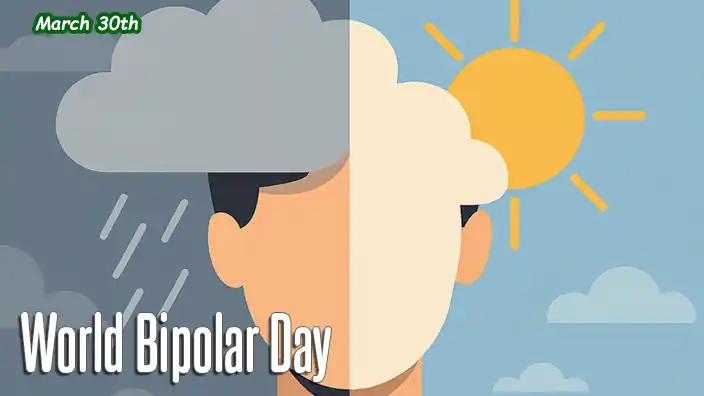
Some people hear "bipolar" and immediately assume it means someone changes moods faster than a cat hearing a vacuum cleaner. They picture someone flipping from thrilled to furious in the time it takes to microwave a burrito. The truth is a little more complex—and a lot less cartoonish. Bipolar disorder isn’t about being “moody” or “dramatic,” and it definitely can’t be fixed with herbal tea and a motivational quote. But bless their hearts, the well-meaning folks still try to help by saying things like, “Have you tried just being more positive?”—as if the brain were a light switch instead of, say, a 4D chess game played in a wind tunnel.
Celebrated: Annually, on March 30th
World Bipolar Day raises awareness and celebrates resilience in people with bipolar disorder. Learn about its impact and how to support those affected.


- Details
The skirt is the ultimate fashion paradox—it’s both breezy and dignified, rebellious and refined. It’s the only piece of clothing that lets you twirl like a majestic ballerina one moment and battle an unexpected gust of wind like an action hero the next. Wear it too short, and suddenly, every chair feels like a strategic challenge. Wear it too long, and you might accidentally mop the floor with style. But no matter the length, fabric, or era, the skirt remains a timeless wardrobe MVP—because let’s face it, pants just don’t have the same flair for drama!
Celebrated: Annually, on March 10th
Celebrate National Skirt Day by exploring the rich history and diverse styles of skirts, a timeless fashion piece for all. Embrace your unique style today!

- Details
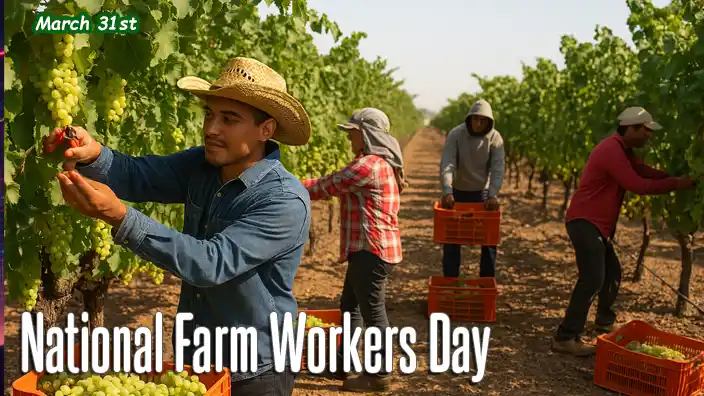
Farm workers are the only people who can outwork the sun and still have energy left to laugh at a tractor that won’t start… again. They can eyeball a watermelon and tell you if it’s ripe, spot a worm from twenty paces, and hold a full conversation with a stubborn goat while picking peppers with one hand. Forget CrossFit—try hauling crates of cabbage in 90-degree heat while outrunning a chicken with an attitude problem. It’s tough work, but somehow, these legends of the land manage to find the humor between the hoeing and the hay bales.
Celebrated: Annually, on March 31st
National Farm Workers Day commemorates the legacy of César Chávez and highlights the ongoing struggle for fair wages and working conditions in the agricultural sector.

- Details
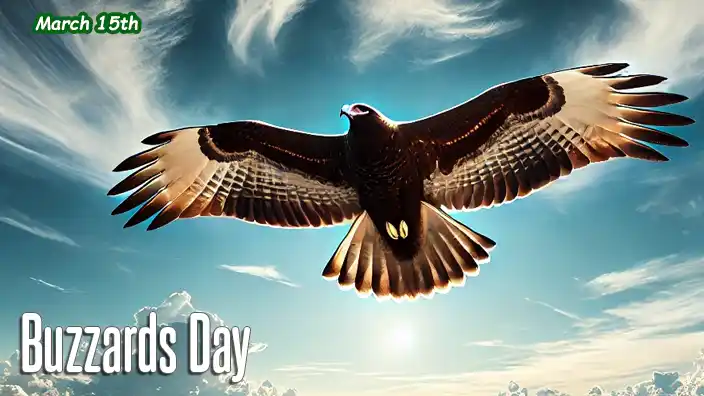
Buzzards have mastered the art of effortless living—soaring high, catching free meals, and never breaking a sweat. While other birds waste energy hunting, buzzards take the laid-back approach, circling lazily until nature provides an all-you-can-eat buffet of roadkill. Their bald heads aren’t just a fashion statement; they’re nature’s way of saying, “Why bother with feathers when you’re diving headfirst into questionable cuisine?” And if threatened? Forget fighting—they’ll just projectile vomit last night’s meal and call it a day. Truly, buzzards are the ultimate freeloaders of the sky, proving that patience (and a strong stomach) pays off.
Celebrated: Annually, on March 15th
Celebrate Buzzards Day on March 15th! Join nature lovers in honoring turkey vultures, nature’s essential cleanup crew, in Hinckley, Ohio.


- Details
Dreams are wonderful things. They let you imagine yourself living in a beach house, driving a shiny sports car, and eating dessert without ever looking at a nutrition label. In your dreams, your hair is always perfect, your coffee is always hot, and your phone battery never drops below 80 percent. Then reality taps you on the shoulder, hands you a grocery bill, and reminds you that your “sports car” currently makes a noise like a shopping cart with a loose wheel. Still, that’s the beauty of dreaming—it keeps life interesting, gives you something to aim for, and occasionally convinces you that buying a lottery ticket is a sound financial strategy.
Celebrated: Annually, on March 11th
Celebrate National Dream Day by rediscovering your goals, chasing big ideas, and taking simple steps toward the dreams that shape your future.


- Details
There are desserts you politely enjoy, and then there’s white chocolate cheesecake — the kind that makes you pause mid-bite and reconsider every life choice that didn’t involve ordering a larger slice. Smooth, rich, and unapologetically indulgent, it’s the dessert equivalent of wearing elastic waistbands on purpose. National White Chocolate Cheesecake Day gives us official permission to let go of restraint, embrace decadence, and agree that sometimes the best plans begin and end with dessert.
Celebrated: Annually, on March 6th
Discover the sweet story behind National White Chocolate Cheesecake Day, plus fun facts and tasty ideas for celebrating this creamy favorite.


- Details
There’s nothing quite as nerve-wracking as asking a girl to prom—except maybe skydiving without a parachute, and even then, at least gravity is on your side. You rehearse your lines in the mirror, overanalyze every emoji she’s ever sent you, and somehow convince yourself that the way she borrowed a pencil last week was a definite sign of interest. Then, when the big moment arrives, your voice cracks, your carefully crafted speech turns into a jumble of awkward noises, and suddenly you’re standing there holding a crumpled sign that just says “Prm?” But hey, if she laughs and says yes, you’re golden. If she says no, at least you’ve got a great story—and probably a very understanding mom who’ll still take a picture with you in your tux.
Celebrated: Annually, on March 11th
Discover the evolution of promposals from simple asks to grand gestures. Learn how to create the perfect promposal that stands out and impresses!


- Details
With a diet that ranges from berries to fish to whatever’s left unattended at a campsite, it’s safe to say these creatures have mastered the art of opportunistic eating. Whether they’re executing a perfectly timed salmon snatch or casually raiding a picnic basket like a seasoned bandit, their food-related antics never fail to impress. Add to that their impressive ability to nap for months at a time without checking their emails, and you’ve got to admit—bears are basically living the dream.
Celebrated: Annually, on March 23th
World Bear Day celebrates the majestic creatures that roam forests and mountains. It's a day filled with humor and heartfelt respect for these furry giants.

- Details
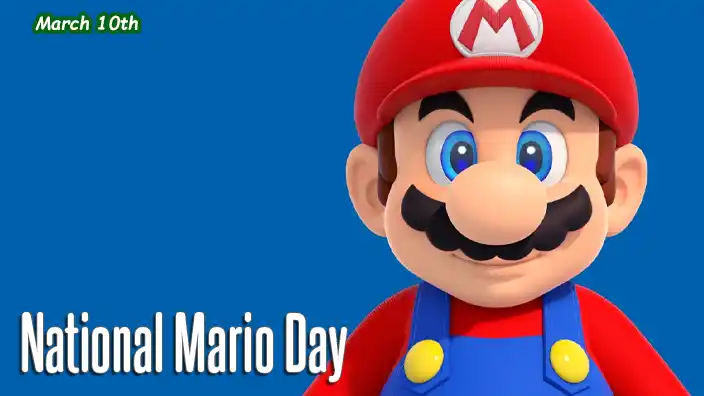
Jumping headfirst into pipes, stomping on turtles, and consuming questionable mushrooms—just another day in the life of a mustachioed hero who apparently never questions why his princess keeps getting kidnapped. Between dodging fireballs, racing against his own brother, and occasionally moonlighting as a doctor (without a medical degree, mind you), his adventures defy logic, physics, and OSHA safety regulations. Yet, with an unwavering grin and an "It's-a me!" he keeps running, proving that no matter how many times you fall into a lava pit, you just need one more life to try again.
Celebrated: Annually, on March 10th
Discover the evolution of Mario from his 1981 debut as Jumpman to a beloved gaming icon, and learn how to celebrate National Mario Day with fun activities.


- Details
Whiskey is what happens when grain decides it’s tired of being bread and aims higher in life. It shows up looking all refined, sitting in a glass like it owns the place, and then politely reminds you—about five minutes later—that it absolutely does. There’s always that one person who swirls it, sniffs it, and announces notes of oak, caramel, and “a hint of rebellion,” while the rest of us are just thinking, “Yep… that’ll put hair on your chest.” Whether sipped slowly or greeted like an old friend after a long day, whiskey has a way of turning ordinary evenings into stories you may or may not fully remember—but will definitely claim were legendary.
Celebrated: Annually, on March 27th
Celebrate International Whisk(e)y Day on March 27th with facts, history, and humor honoring every style—from Scotch to bourbon and everything in between.


- Details
There’s something magical about a hot tub—it’s the only place where it's socially acceptable to stew like a human teabag while pretending it's a wellness activity. You step in, instantly lose track of time, and somehow start sharing your deepest secrets with people you barely know. The jets start up, and suddenly you’re in a high-powered bubble massage that feels like it’s both healing your soul and rearranging your kidneys. And let’s be honest—no one ever really knows the hot tub rules, but we all silently agree to pretend that the bubbles make everything sanitary.
Celebrated: Annually, on March 28th
Celebrate National Hot Tub Day on March 28th with relaxing soaks, fun facts, and tips on enjoying the bubbly bliss of modern hot tub luxury.


- Details
“Smoke and mirrors” is basically the magician’s version of saying, “Nothing to see here!”—right before something levitates, vanishes, or explodes into doves. It’s the art of distraction dressed in a tuxedo, armed with fog machines and shiny objects. One minute you're staring at a suspiciously quiet top hat, and the next—poof!—a rabbit, a bouquet of flowers, or your missing car keys appear out of nowhere. It’s the only time being blatantly misled feels delightful instead of lawsuit-worthy.
Celebrated: Annually, on March 29th
Celebrate illusion on March 29th! National Smoke and Mirrors Day is all about magic, misdirection, and the fun of being fooled—on purpose.


- Details
When aliens finally make first contact, one of two things will happen: either they’ll be incredibly advanced and share mind-blowing technology, or they’ll take one look at our reality TV shows and decide to keep us quarantined for the safety of the universe. Imagine the moment—world leaders gather, cameras rolling, humanity holding its breath, and then the alien steps forward and says, “Take me to your leader,” only to be handed a smartphone and told, “That depends… do you mean politically, socially, or on Twitter?” At that point, they might just turn their spaceship around and leave us a one-star review on the intergalactic Yelp.
Celebrated: Annually, on March 15th
Explore the history of World Contact Day, from its telepathic origins in 1953 to modern scientific efforts in the search for alien life.

- Details
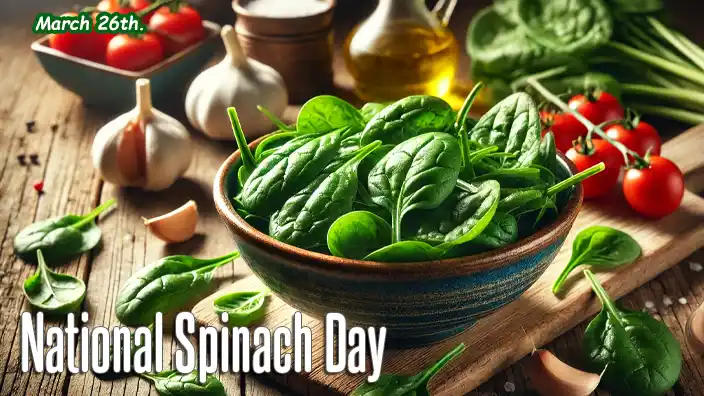
Spinach is that overachiever in the vegetable drawer—you know, the one flexing its nutrients while the lettuce just lies there doing its best impression of crunchy water. It’s the only leafy green that can sneak into your smoothie, sauté like a pro, and still have the nerve to puff up your ego because you “ate something healthy today.” And let’s be honest—spinach doesn’t really wilt under pressure, it just lounges elegantly in the pan like, “I’m still nutritious, darling.”
Celebrated: Annually, on March 26th
Celebrate National Spinach Day on March 26th with fun facts, health tips, tasty ideas, and the leafy history behind this nutrient-packed kitchen hero.


- Details
Some holidays celebrate food, others celebrate history, and a rare few celebrate the noble art of wishing people well while attempting a hand gesture that feels medically impossible. Live Long and Prosper Day honors optimism, curiosity, and the hopeful idea that humanity’s future might involve more cooperation, fewer arguments, and possibly better uniforms.
Celebrated: Annually, on March 26th
Celebrate Live Long and Prosper Day with humor, history, fun facts, and simple ways to share optimism inspired by Star Trek’s famous greeting.


- Details
Social workers are the heroes of our communities, navigating the complexities of the human experience with compassion, resilience, and unwavering dedication. Armed with empathy and a deep understanding of social dynamics, they advocate for the vulnerable, empower the marginalized, and stitch together the frayed edges of society. Whether transforming lives in quiet one-on-one sessions or championing systemic change, social workers illuminate paths to healing and hope, proving that every thread matters in the fabric of humanity. Their work is not just a job; it's a calling to create a world where everyone has the support they need to flourish.
Celebrated: Annually, on March 19th
Join the celebration of World Social Work Day, highlighting the dedication of social workers and their commitment to creating equitable communities and sustainable change.

From Our Marks Catelog
-

Brussels sprouts: the tiny green orbs that have been sparking dinner table debates for...
-
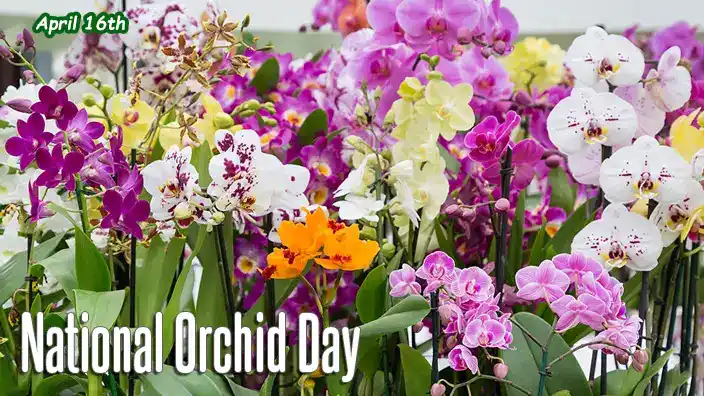
Elegance, mystery, and just the right amount of arrogance—some things demand admiration without lifting...
-

National Cake Day is the one day of the year when it's socially acceptable to have your cake and eat...
-

Forget glow-in-the-dark snack cakes and cheese that comes in a spray can—there’s something wildly...
-

If there were an Olympic event for clumsiness, someone would be rolling down the hill, missing their...
-

Gazpacho Soup Day isn’t just a day to honor cold tomato soup; it’s a day to revel in the absurdity of...

