Proof That Cookies Deserve Their Own Holiday
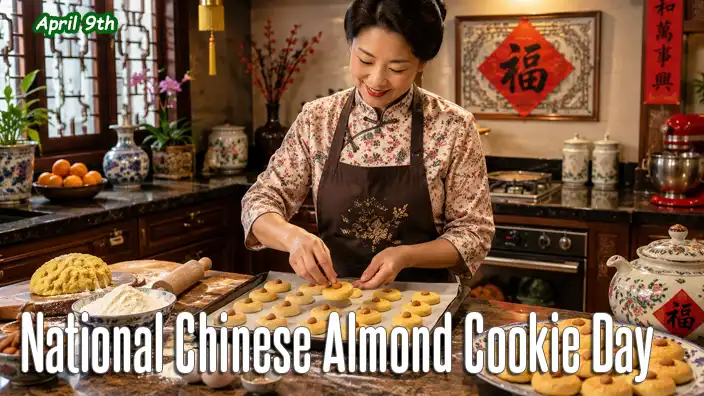
National Chinese Almond Cookie Day is celebrated each year on April 9 and honors one of the most beloved treats found in Chinese bakeries around the world. Known for their crisp texture, buttery flavor, and distinctive almond taste, Chinese almond cookies have become a favorite snack for generations of cookie lovers.
Whether enjoyed with tea, coffee, or as a sweet afternoon treat, these traditional cookies combine simple ingredients with a rich culinary heritage. National Chinese Almond Cookie Day provides the perfect excuse to visit a bakery, try a new recipe, or simply enjoy a delicious cookie without feeling the slightest bit guilty. After all, holidays involving cookies should be taken very seriously.
What Are Chinese Almond Cookies?
Chinese almond cookies are traditional bakery treats known for their delicate almond flavor, crisp texture, and simple yet satisfying ingredients. Typically made with flour, sugar, butter or shortening, eggs, and almond flavoring, these cookies have become a familiar sight in Chinese bakeries throughout North America and many other parts of the world. Their golden color, lightly crumbly texture, and distinctive almond aroma make them instantly recognizable to cookie enthusiasts.
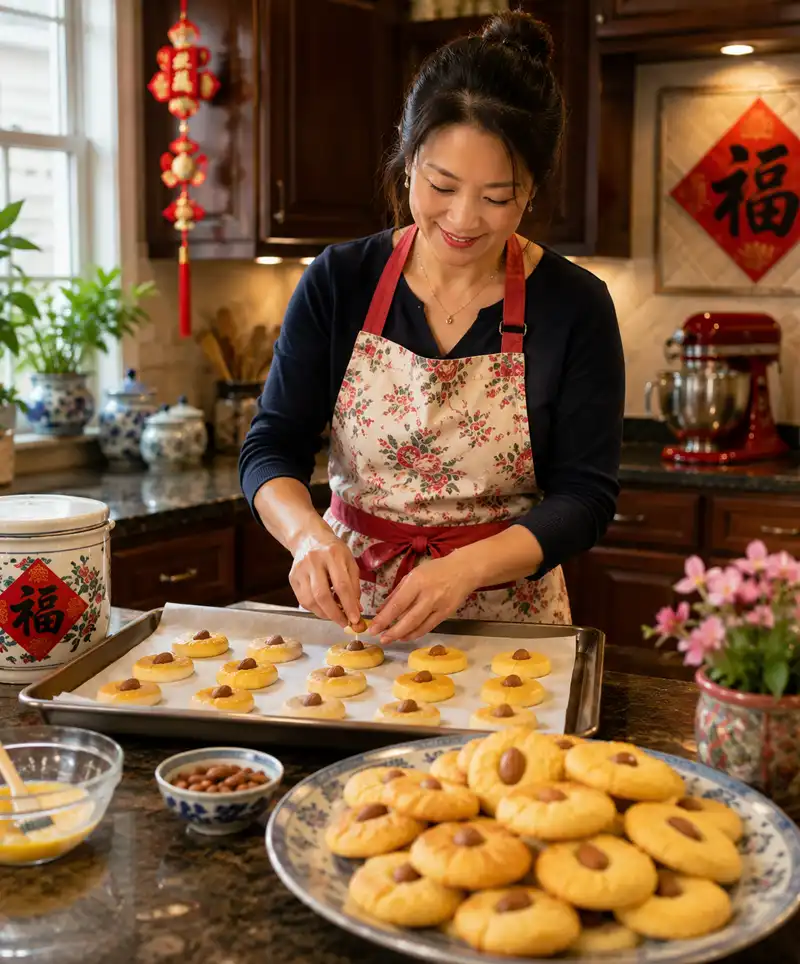
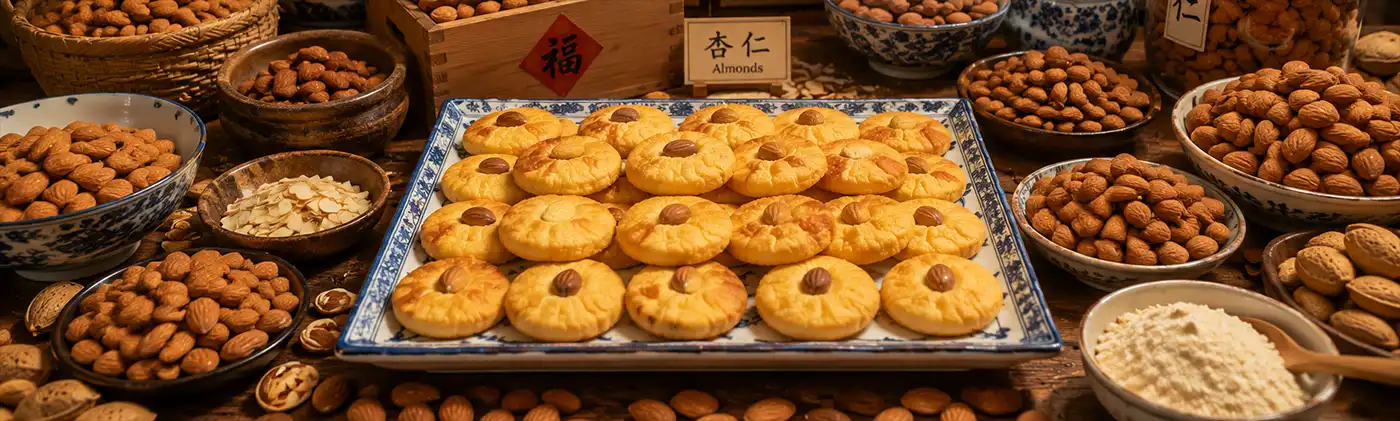
Many versions of Chinese almond cookies are decorated with a whole almond pressed into the center before baking. This simple touch not only adds visual appeal but also highlights the ingredient that gives the cookie its signature flavor. Some recipes use finely ground almonds, while others rely more heavily on almond extract or flavoring. The result is a cookie that is mildly sweet, pleasantly nutty, and perfectly suited for enjoying with tea or coffee.
Although they are often associated with Chinese bakeries, the cookies found today have evolved over time as traditional recipes adapted to local ingredients and tastes. They became especially popular in Chinese-American communities, where bakeries introduced them to generations of customers looking for a simple but flavorful dessert. Their popularity has endured because they offer a balance of sweetness and texture that appeals to a wide range of palates.
Unlike heavily decorated cookies loaded with frosting, candy, and enough sugar to keep a small town awake all night, Chinese almond cookies embrace a more understated approach. They rely on quality ingredients and classic flavors rather than elaborate presentation. In many ways, they are the cookie equivalent of someone quietly confident who doesn't need to brag because they already know they're delicious.
Today, Chinese almond cookies remain a favorite bakery treat enjoyed by people of all ages. Whether purchased from a neighborhood bakery, served during celebrations, or baked at home from a treasured family recipe, these cookies continue to connect people through a shared appreciation of good food, simple traditions, and the timeless appeal of a well-made cookie.
The History of Chinese Almond Cookies
The history of Chinese almond cookies is a fascinating blend of culinary tradition, cultural exchange, and adaptation. While their exact origins are difficult to trace, many food historians believe the cookies evolved from traditional Chinese pastries that featured nuts, seeds, and sweet fillings. Almonds have long been valued in Chinese cuisine, where they are used in desserts, beverages, and various baked goods. Over time, bakers developed recipes that highlighted the nut's delicate flavor in a simple, easy-to-enjoy cookie.
As Chinese communities expanded throughout the world during the 19th and 20th centuries, many immigrants brought their culinary traditions with them. Chinese bakeries became important gathering places in cities across North America, offering familiar foods from home while also adapting recipes to local tastes and ingredients. It was during this period that the modern Chinese almond cookie became especially popular. Bakers refined recipes to create the crisp, buttery cookies now commonly found in bakery display cases and restaurant dessert selections.
Chinese almond cookies also became associated with good fortune and prosperity in some communities. Their round shape is often viewed as symbolic of coins, wealth, and family unity, making them a popular choice during holidays, celebrations, and special gatherings. While not every bakery follows the same traditions, the connection between food and symbolism remains an important part of Chinese culinary culture.
Throughout the decades, the cookie's popularity spread beyond Chinese communities. Customers who visited Chinese bakeries for breads, pastries, and cakes often discovered almond cookies and quickly became fans. Their mild sweetness, pleasant crunch, and distinctive almond flavor appealed to a broad audience. Unlike some desserts that require an adventurous palate, Chinese almond cookies tend to win people over after only a bite or two.
Today, Chinese almond cookies remain one of the most recognizable treats in Chinese bakeries around the world. Although recipes vary from region to region and bakery to bakery, the cookie's enduring appeal has remained remarkably consistent. Generations of bakers have helped preserve this beloved treat, proving that a simple cookie made with care can survive changing food trends, shifting tastes, and even the occasional diet that was destined to fail the moment cookies entered the room.
Why People Love Chinese Almond Cookies
Part of the appeal of Chinese almond cookies is their simplicity. They are not overly sweet, making them an excellent companion to tea or coffee. The almond flavor is pleasant without being overwhelming, and the crisp texture makes every bite satisfying.
Many people also enjoy the nostalgic connection the cookies provide. For some, they bring back memories of family gatherings, visits to local bakeries, or special celebrations. For others, they represent a chance to explore a different culinary tradition.
Of course, there is also the undeniable fact that cookies are one of humanity's more successful inventions. Few people have ever looked at a fresh plate of cookies and thought, "You know what this day needs? Fewer cookies."

How to Celebrate National Chinese Almond Cookie Day
One of the easiest ways to celebrate is by visiting a local Chinese bakery and purchasing a fresh batch of almond cookies. Supporting local businesses while acquiring cookies is what experts call a win-win situation.
If you enjoy baking, try making Chinese almond cookies at home. Numerous recipes are available, and the ingredients are relatively simple. Homemade cookies also provide an opportunity to fill your kitchen with the wonderful aroma of baking almonds and sugar.
You can also celebrate by learning more about Chinese culinary traditions, sharing cookies with friends and family, or pairing them with a favorite tea. Any holiday that combines learning and snacks deserves at least a little attention.
Fun Facts About Chinese Almond Cookies
Chinese almond cookies may look simple, but they have a surprisingly interesting history and plenty of unique characteristics. From their connection to Chinese bakery traditions to their reputation as symbols of good fortune, these crisp and flavorful treats have earned a special place in dessert culture. Here are some fun facts that might make you appreciate your next almond cookie even more—assuming you haven't already eaten it.
- Chinese almond cookies are often associated with good luck and prosperity.
- Many traditional recipes include an almond placed on top before baking.
- The cookies are popular in Chinese bakeries throughout North America.
- Almond flavoring is frequently used to enhance the cookie's distinctive taste.
- They are often served alongside tea.
- Chinese almond cookies are known for their crisp, crumbly texture.
Despite their simple appearance, they remain one of the most popular bakery treats.
National Chinese Almond Cookie Day FAQ
Whether you're discovering Chinese almond cookies for the first time or you've been enjoying them for years, you may have a few questions about this delicious holiday and the cookie it celebrates. These frequently asked questions cover the basics, from the cookie's origins and ingredients to the best ways to celebrate National Chinese Almond Cookie Day.
When is National Chinese Almond Cookie Day?
National Chinese Almond Cookie Day is celebrated annually on April 9.
What do Chinese almond cookies taste like?
They have a sweet, buttery flavor with a pleasant almond taste and a crisp, crumbly texture.
Are Chinese almond cookies actually from China?
The cookies have roots in Chinese baking traditions, although the versions commonly found today have evolved over time and vary by region.
Do Chinese almond cookies contain almonds?
Many recipes include almonds or almond flavoring, though ingredients can vary depending on the baker.
How can I celebrate National Chinese Almond Cookie Day?
Visit a Chinese bakery, bake a batch at home, share cookies with friends, or learn more about Chinese culinary traditions.
A Cookie Worth Celebrating
National Chinese Almond Cookie Day may focus on a simple baked treat, but it also celebrates a rich culinary tradition that has delighted generations of cookie lovers. With their crisp texture, buttery flavor, and distinctive almond aroma, Chinese almond cookies have earned a lasting place in bakeries, family gatherings, and dessert trays around the world. Their appeal lies not in flashy decorations or complicated ingredients, but in the timeless satisfaction of a well-made cookie.
These cookies also serve as a reminder of how food travels across cultures and generations. What began as part of Chinese baking traditions evolved over time as communities settled in new countries and adapted recipes to local tastes. Today, Chinese almond cookies can be found in bakeries far from their cultural origins, introducing new generations to a beloved classic while preserving a connection to the past.
One of the reasons Chinese almond cookies remain so popular is their versatility. They pair beautifully with tea, coffee, or a glass of milk and are equally at home on a holiday dessert table or enjoyed as a simple afternoon snack. Their balanced sweetness and satisfying crunch make them appealing to people who prefer desserts that are flavorful without being overwhelming.
National Chinese Almond Cookie Day is also a wonderful excuse to support local bakeries, try a homemade recipe, or introduce friends and family to a treat they may never have tasted before. Sharing food has always been one of the easiest ways to bring people together, and few things encourage conversation quite like a plate of fresh cookies sitting in the middle of the table.
Most importantly, this holiday reminds us that life's small pleasures deserve appreciation. Not every celebration needs fireworks, parades, or grand ceremonies. Sometimes a good cookie, a warm cup of tea, and a few minutes to enjoy both are more than enough. And if anyone questions whether a cookie deserves its own holiday, simply offer them a Chinese almond cookie. Chances are they'll understand after the first bite.