When Leftovers Come Back to Haunt You
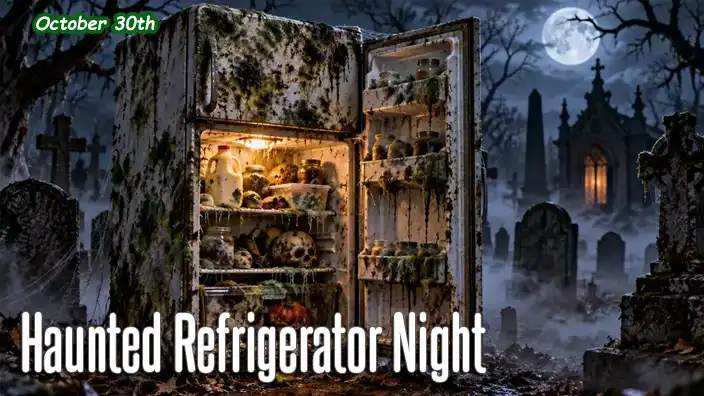
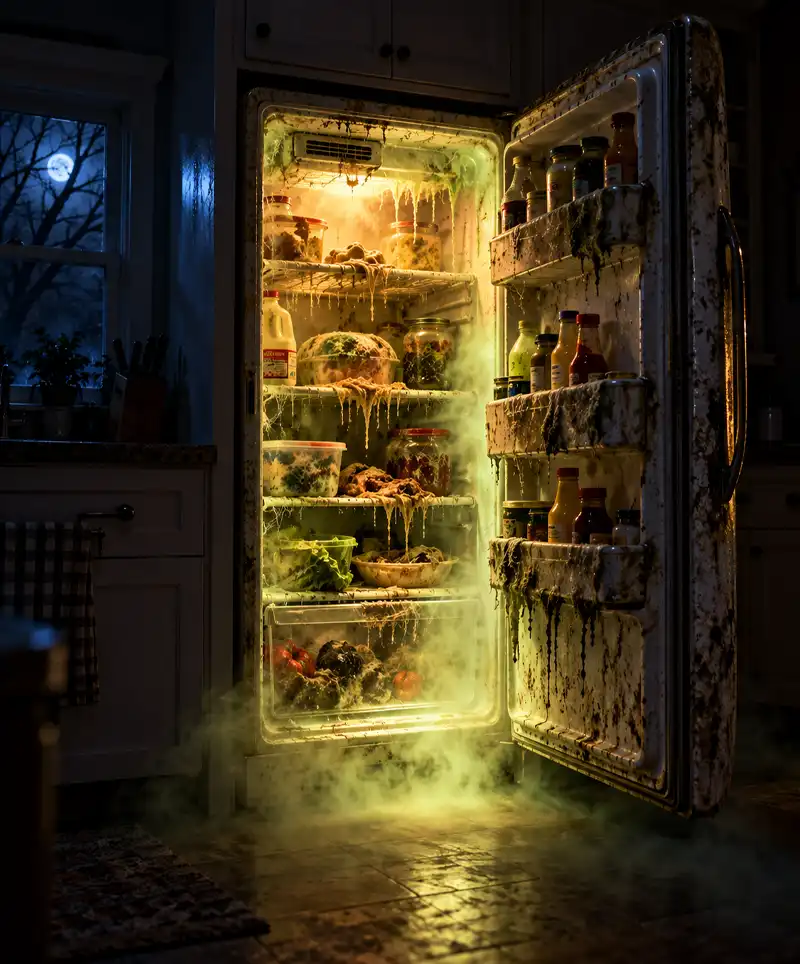
Every October 30, a terrifying ritual unfolds in kitchens across the country. Brave souls approach their refrigerators, reach for the handle, and prepare to confront whatever has been growing behind the mayonnaise since July. Welcome to Haunted Refrigerator Day, also known as Haunted Refrigerator Night, when forgotten leftovers, suspicious containers, and mysterious odors finally face judgment. Ghosts are frightening, but at least they don't usually grow green fur.
What Is Haunted Refrigerator Day?
Haunted Refrigerator Day is an unofficial, humorously spooky observance celebrated annually on October 30, just one day before Halloween. Rather than hunting ghosts in abandoned mansions or exploring dark cemeteries, participants investigate a considerably more familiar location: the household refrigerator. The objective is to discover forgotten food, identify suspicious leftovers, discard anything unsafe, and restore some dignity to an appliance that may have quietly become a laboratory for unwanted biological experiments.
The celebration combines Halloween humor with a genuinely useful household task. Refrigerators are designed to slow food spoilage, preserve freshness, and reduce the growth of harmful microorganisms, but they cannot keep food safe indefinitely. Even a modern refrigerator with digital temperature controls, adjustable shelves, and an impressive collection of blinking lights cannot perform miracles. Eventually, that leftover casserole must either be eaten or surrendered to the trash. Haunted Refrigerator Day simply gives us a theatrical excuse to make the decision.
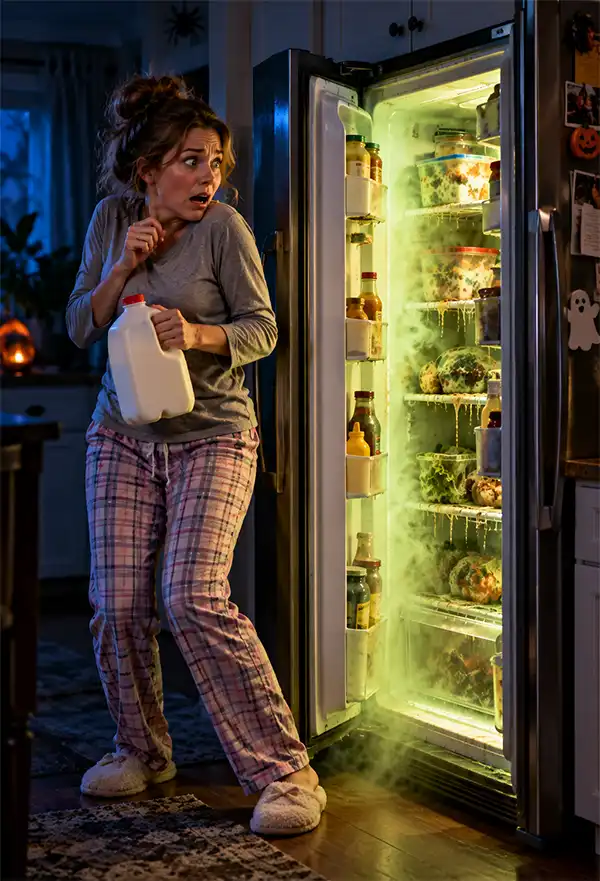
What makes this unusual holiday so entertaining is its universal appeal. Nearly everyone has discovered a forgotten container hiding behind the milk, an opened condiment of uncertain ancestry, or a vegetable that has undergone a deeply troubling transformation. The refrigerator may be one of the most frequently used appliances in the home, yet its back corners can remain unexplored for weeks. On October 30, those neglected regions become the setting for a domestic horror story in which the principal villain is often something that was originally intended for Tuesday's lunch.
The Origins of Haunted Refrigerator Night
Haunted Refrigerator Night is credited to Thomas Roy, commonly known as Tom Roy, an American actor, radio personality, and creator of numerous unconventional observances. Together with his wife, Ruth Roy, he became associated with Wellcat Holidays, a collection of imaginative celebrations that find humor in ordinary experiences, peculiar habits, and the overlooked absurdities of everyday life. Their observances range from whimsical opportunities for amusement to occasions that encourage people to reconsider familiar routines.
The precise circumstances surrounding the creation of Haunted Refrigerator Night are not extensively documented, but its central idea is unmistakable. Refrigerators accumulate forgotten food, and the results can become sufficiently unpleasant to deserve their own horror movie. By scheduling the observance for October 30, Roy connected an ordinary household chore with the supernatural atmosphere of Halloween. The timing transforms refrigerator cleaning from an uninspiring domestic responsibility into an expedition into the unknown, complete with suspicious discoveries, unexpected odors, and the occasional urgent retreat.
Unlike established public holidays, Haunted Refrigerator Night has no government proclamation, religious tradition, or centuries-old ceremony. It belongs to the world of novelty observances, where imagination and humor provide the principal reasons for celebration. Its appeal comes from recognizing something familiar and giving it a wonderfully exaggerated identity. Most people would prefer not to discuss the container of unidentifiable material lurking behind the orange juice, but call it a haunted refrigerator and suddenly everyone has a story to tell.
The observance also reflects a distinctly modern relationship with food. Before widespread mechanical refrigeration, households relied on techniques such as drying, salting, smoking, fermenting, preserving, and storing food in cool cellars. Modern refrigerators made it possible to keep fresh ingredients and prepared meals available for longer periods, transforming domestic cooking and food storage. Unfortunately, they also created an ideal hiding place for good intentions. Yesterday's carefully packed leftovers can become next month's archaeological discovery, especially when pushed behind a large bottle of something nobody remembers purchasing.
Why Refrigerators Become Haunted
A refrigerator does not actually need a ghost to become frightening. It requires only a little neglect, several containers without labels, and someone who repeatedly announces, "I'll eat that tomorrow." Over time, ordinary food can undergo changes in appearance, texture, smell, and flavor as microorganisms and natural chemical processes affect its quality. Some of these changes are harmless signs of aging, while others indicate spoilage or potentially unsafe storage conditions.
Refrigeration slows microbial growth but does not stop it completely. The U.S. Food and Drug Administration recommends keeping refrigerators at or below 40°F (4°C), while the freezer should remain at 0°F (-18°C). These temperatures help reduce the growth of many harmful bacteria, but certain microorganisms can still survive or grow slowly under refrigerated conditions. The refrigerator therefore provides temporary protection rather than permanent immunity. It is a cooling appliance, not a magical preservation chamber, regardless of what the ancient container behind the butter seems to believe.
Food can also become unsafe without developing obvious signs of spoilage. Harmful bacteria do not always produce noticeable odors, visible mold, or dramatic color changes. A container may look perfectly ordinary while still presenting a food safety risk if it has been stored too long or handled improperly. This is why tasting suspicious food to determine whether it is safe is a particularly poor idea. The traditional Halloween instruction to "take a bite if you dare" should never apply to questionable leftovers.
Moisture, air exposure, temperature fluctuations, and repeated handling all influence how quickly food deteriorates. Containers that are not properly sealed may allow food to dry out or absorb odors, while spills can create unpleasant conditions on refrigerator shelves. Produce stored in unsuitable conditions may become slimy or moldy, and opened sauces can eventually spoil despite their preservatives. The refrigerator's vegetable drawer, supposedly a peaceful sanctuary for fresh ingredients, can become particularly alarming when a forgotten cucumber decides to abandon its original physical form.
A Brief History of the Refrigerator: From Iceboxes to Kitchen Crypts
The household refrigerator has a fascinating history that makes Haunted Refrigerator Day more than an excuse to throw away old cheese. Before electric refrigeration became common, many households depended on iceboxes, insulated cabinets containing blocks of ice delivered by local suppliers. These appliances helped preserve perishable foods, but their effectiveness depended on maintaining a supply of ice and managing the water produced as it melted. Food preservation was an ongoing responsibility, and keeping ingredients cool required considerably more effort than adjusting a thermostat.
Mechanical refrigeration developed through scientific and engineering advances during the nineteenth century, but electric household refrigerators became increasingly practical during the early twentieth century. As manufacturing improved and electricity became more widely available, refrigerators gradually replaced traditional iceboxes. Their adoption transformed shopping, cooking, food distribution, and domestic life by allowing households to store perishable ingredients for longer periods. Supermarkets and modern food supply chains developed alongside improvements in refrigeration and transportation.
By the middle of the twentieth century, refrigerators had become familiar fixtures in American kitchens. Manufacturers introduced larger storage compartments, automatic defrosting systems, freezer sections, and increasingly sophisticated temperature controls. Later developments included adjustable shelving, ice dispensers, energy-efficient compressors, and computerized monitoring systems. Today's smart refrigerators can sometimes display calendars, manage shopping lists, and connect to household networks, although none has yet developed a universally reliable method of persuading someone to throw away the six-week-old pasta salad.
The irony is that better food preservation can encourage greater accumulation. Because refrigerated food remains usable longer than food left at room temperature, households may become less attentive to when items were purchased or prepared. Containers move toward the back of shelves, dates become forgotten, and leftovers are repeatedly postponed in favor of something more appealing. Haunted Refrigerator Day reminds us that technological convenience works best when accompanied by sensible organization and regular inspection.
The Monsters Lurking Behind the Milk
Every haunted refrigerator has its own collection of mysterious inhabitants. Some are merely forgotten ingredients, while others have developed appearances so unsettling that opening their containers seems like a job for a professional paranormal investigator. The following creatures are fictional characters inspired by familiar food storage mishaps, but the problems they represent are entirely real.
The Furry Cottage Cheese: Once a respectable dairy product, the Furry Cottage Cheese has abandoned its original career and developed ambitions in textile manufacturing. Its once-creamy surface now features suspicious patches of green, blue, or white growth, and its aroma suggests that something has gone seriously wrong. Mold on soft, high-moisture foods can extend beneath the visible surface, making it unsafe to simply remove the affected portion. The correct response is to discard the contaminated product rather than attempting to rescue it with a spoon and an optimistic attitude.
The Pickle Jar of Eternal Darkness: At the back of the refrigerator stands a mysterious glass jar containing three unidentified objects suspended in murky liquid. Nobody remembers opening it, purchasing it, or even liking the contents. Pickled foods can have relatively long storage lives because acidity helps inhibit many microorganisms, but opened products still require proper handling and attention to manufacturer instructions. If a jar develops visible mold, unexpected gas production, leakage, or other signs of spoilage, it belongs in the trash. There is no prize for identifying the floating object.
The Forgotten Salsa from Another Century: Once the centerpiece of a cheerful gathering, this salsa has spent an unreasonable amount of time behind the salad dressing. Its original bright color has faded, its texture has become suspicious, and the lid appears to be considering an independent career in space exploration. Opened refrigerated salsa has a limited storage life that depends on its ingredients and processing. Fresh homemade salsa generally requires more prompt use than many commercially prepared varieties. If the container is swollen, leaking, moldy, or otherwise questionable, discard it without tasting.
The Mysterious Meat Container: This sealed plastic box contains something that might once have been roast beef, chicken, or a small portion of Thanksgiving dinner. Unfortunately, its label has disappeared, and nobody can remember when it entered the refrigerator. Cooked meat and poultry leftovers generally should be used within three to four days when properly refrigerated. Anything considerably older deserves immediate retirement. A mysterious meat container should never become the basis for a guessing game in which the winner must eat the contents.
The Vegetable Drawer Swamp Creature: Hidden beneath a bag of carrots lies an object that was once a cucumber. It has since lost its structural integrity and developed a consistency more commonly associated with industrial lubricants. Nearby lettuce has collapsed into a damp green mass, while an elderly bell pepper appears to be surrendering. Produce can deteriorate because of moisture loss, microbial activity, and natural aging. Removing spoiled vegetables promptly and cleaning the drawer helps prevent contamination of neighboring foods and keeps the refrigerator more pleasant to use.
The Leftover Pasta Poltergeist: The pasta was delicious when first prepared. It was carefully placed in a container, refrigerated, and promised a glorious future as tomorrow's lunch. Unfortunately, tomorrow never arrived. Several weeks later, it has become a mysterious object with a personality of its own. Cooked pasta and other prepared leftovers should not be kept indefinitely, even when their appearance seems normal. If the storage date is uncertain and the food may be beyond recommended limits, discarding it is the safer decision.
The Science Behind the Horror: Mold, Bacteria, and Food Spoilage
The most frightening refrigerator discoveries are usually explained by microbiology rather than supernatural activity. Bacteria, yeasts, and molds are microorganisms that occur naturally throughout the environment. Many are harmless or beneficial, and some are essential to producing foods such as yogurt, cheese, bread, and fermented vegetables. Others cause spoilage, while certain pathogens can produce foodborne illness. Understanding the difference helps explain why an apparently ordinary refrigerator can become an unpleasant surprise when cleaning has been neglected.
Molds are fungi that grow as networks of microscopic filaments. Under suitable conditions, they can spread across food surfaces and produce visible patches of fuzzy or powdery growth. Their colors vary depending on the species and stage of development, ranging from white and green to blue, black, and other shades. Some molds are intentionally used in food production, but unexpected mold growth on refrigerated leftovers is a warning sign. The USDA advises discarding moldy soft foods and many prepared dishes because contamination may extend beyond the visible area.
Bacteria present a different challenge because dangerous contamination is not necessarily visible. Organisms associated with foodborne illness, including Listeria monocytogenes, can present particular concerns in refrigerated environments. Listeria is unusual because it can grow at refrigeration temperatures, although cold storage slows its multiplication. Pregnant people, older adults, newborns, and individuals with weakened immune systems are especially vulnerable to serious listeriosis. Maintaining proper refrigerator temperatures, observing storage recommendations, and cleaning spills are important steps in reducing risk.
Another important consideration is cross-contamination. Raw meat, poultry, and seafood may contain microorganisms that can spread to other foods through leaking packages, contaminated surfaces, or improper handling. Storing raw products in sealed containers on the lowest refrigerator shelf helps prevent juices from dripping onto ready-to-eat foods. Separate containers, clean utensils, and regular handwashing further reduce the possibility of contamination. The refrigerator may be haunted in a humorous sense, but there is nothing amusing about discovering that raw chicken juices have visited the strawberries.
Food safety also depends on how quickly perishable foods are refrigerated. The FDA recommends refrigerating perishable items within two hours, or within one hour when the surrounding temperature exceeds 90°F (32°C). Large quantities of hot food should be divided into smaller, shallow containers to promote faster cooling. Leaving an enormous pot of stew on the kitchen counter overnight does not improve its flavor through mysterious nocturnal intervention. It simply increases the risk that microorganisms will multiply before the food reaches a safe storage temperature.
Haunted Refrigerator Day Survival Guide
Preparing to confront the refrigerator's forgotten inhabitants requires organization, suitable cleaning supplies, and a healthy respect for anything that appears to be breathing. Fortunately, the procedure is less complicated than conducting a genuine paranormal investigation. No priest, ghost detector, or ceremonial candle is required, although dramatic background music is entirely optional.
Begin with the proper equipment. Gather disposable gloves if needed, paper towels or clean cloths, a trash bag, mild dish soap, and warm water. A flashlight can help illuminate dark corners, particularly in refrigerators with shelves that obstruct the interior light. A refrigerator thermometer is useful for confirming that the appliance is maintaining an appropriate temperature. Gloves are especially sensible when handling leaking containers or unpleasant spills, but they should never replace thorough handwashing.
Remove the obvious suspects first. Inspect leftovers, opened packages, dairy products, produce, and condiments. Check preparation dates, storage recommendations, and any signs of deterioration. Food that is clearly spoiled should be discarded promptly. Do not open moldy containers merely to investigate their contents, and never sniff suspicious food closely as a test of safety. If a container is badly contaminated, it may be more practical to discard the entire container rather than attempt to salvage it.
Investigate the hidden corners. Remove movable shelves and drawers when necessary, following the appliance manufacturer's instructions. Look beneath produce bins, around door seals, and behind frequently used containers. These areas can accumulate crumbs, spilled liquids, and forgotten ingredients. A thorough inspection may reveal several perfectly good items that simply need to be organized, along with a few discoveries that deserve immediate removal from the premises.
Clean the scene of the crime. Wash removable shelves and drawers with warm, soapy water, allowing glass components to reach a suitable temperature before washing to avoid thermal shock. Wipe interior surfaces with a clean cloth and mild detergent, then rinse and dry them. For contamination involving potentially harmful foodborne microorganisms, follow appropriate sanitizing guidance from the USDA or FDA. Never mix bleach with ammonia, vinegar, or other cleaning chemicals, because dangerous fumes can result. The goal is to eliminate unwanted microorganisms, not create a second emergency requiring the fire department.
Restore order before closing the door. Return food to clean shelves, keeping raw meat and poultry properly contained and separated from ready-to-eat items. Place older usable products toward the front so they are more likely to be eaten before their quality declines. Label leftovers with preparation dates and avoid overcrowding the refrigerator, which can interfere with air circulation. When everything is back in place, take a moment to admire the transformation. The haunted chamber has become a respectable kitchen appliance again, at least until someone hides another container behind the ketchup.
How Long Can Leftovers Stay in the Refrigerator?
One of the most useful lessons of Haunted Refrigerator Day is that refrigerated food has a limited safe storage life. The following recommendations provide general guidance for common foods stored in a refrigerator maintained at 40°F (4°C) or below. Individual products may require different handling, and manufacturer instructions should always be considered.
| Food | General refrigerated storage guidance |
|---|---|
| Cooked meat and poultry leftovers | 3–4 days |
| Soups and stews containing meat or vegetables | 3–4 days |
| Cooked pizza | 3–4 days |
| Cooked casseroles | 3–4 days |
| Raw ground meat | 1–2 days |
| Raw chicken or turkey | 1–2 days |
| Hard-boiled eggs | Up to 1 week |
| Opened milk, yogurt, and condiments | Follow product-specific guidance |
These recommendations are not guarantees that food will remain safe under every circumstance. Storage conditions, handling, preparation methods, and contamination can affect how quickly food becomes unsafe. A refrigerator thermometer is one of the simplest ways to monitor the appliance, while dating containers removes much of the guesswork associated with leftovers.
It is also important to distinguish between quality dates and safety limits. Many packaged foods carry dates such as "Best By" or "Best if Used By," which generally relate to expected quality rather than automatically indicating that the product becomes unsafe the following day. Infant formula is an important exception with specific federal dating requirements. For perishable prepared foods, however, recommended refrigerated storage periods remain essential regardless of whether the food still looks appetizing.
How to Celebrate Haunted Refrigerator Day
Haunted Refrigerator Day is best celebrated with a combination of practical cleaning, seasonal humor, and perhaps a little theatrical imagination. The central activity is a refrigerator inspection, but there are plenty of ways to make the occasion entertaining without risking anyone's health. After all, the purpose is to remove the monsters from the kitchen, not invite them to dinner.
- Hold a Refrigerator Exorcism
Turn the annual refrigerator cleaning into a lighthearted Halloween ritual. Announce that the kitchen has been invaded by forgotten leftovers and that a courageous volunteer must restore order. Put on suitably spooky music, gather the cleaning supplies, and begin the investigation. Family members can help identify mystery containers, check dates, and reorganize shelves. The dramatic presentation makes an otherwise ordinary chore more enjoyable, particularly for households with children who appreciate a little Halloween silliness. - Organize a Mystery Container Contest
Before opening any suspicious containers, invite family members to guess what they originally contained. Was that mysterious box once spaghetti, mashed potatoes, or something purchased during a previous presidential administration? Keep the activity strictly visual and avoid opening or handling badly spoiled food unnecessarily. The winner can receive a harmless prize, such as first choice of the Halloween candy. Nobody should be required to taste the evidence, regardless of how confident they are in their identification. - Share Your Refrigerator Horror Stories
Almost everyone has encountered a memorable refrigerator disaster. Perhaps a forgotten onion liquefied in the vegetable drawer, a bottle of salad dressing exploded unexpectedly, or a container of leftovers became so unrecognizable that nobody could remember cooking it. Sharing these experiences with friends or family can turn a mundane household task into an entertaining conversation. Social media offers another opportunity to participate, although photographing suspicious food is considerably safer than opening it for a closer inspection. - Create a Haunted Refrigerator Decoration
Instead of using genuinely spoiled food as Halloween decorations, create a harmless haunted refrigerator display using paper ghosts, removable stickers, plastic spiders, or a few strategically placed skeleton magnets. Children can make pretend warning labels for refrigerator shelves, including "Beware the Ancient Yogurt" and "Enter the Vegetable Drawer at Your Own Risk." These decorations celebrate the holiday without introducing unnecessary contamination into the kitchen. A plastic eyeball resting beside a sealed bottle of ketchup is amusing; an actual mold colony growing beside the cheese is considerably less charming. - Prepare a Safe Leftover Feast
Once the refrigerator has been inspected and cleaned, celebrate by preparing a meal using ingredients that are still safely within their recommended storage periods. A soup, casserole, stir-fry, or homemade pizza can be an excellent way to use suitable vegetables, cooked ingredients, and other foods before they spoil. The important distinction is that the ingredients must be safe, properly stored, and handled according to food safety guidance. Haunted Refrigerator Day is an excellent opportunity to reduce food waste, but it is not an invitation to gamble with questionable leftovers.
Preventing the Next Refrigerator Haunting
Although October 30 provides a convenient annual reminder, preventing refrigerator problems requires attention throughout the year. A weekly inspection can identify food that should be eaten, frozen, or discarded before it becomes an unpleasant discovery. Checking the refrigerator before grocery shopping also helps prevent unnecessary purchases and reduces the likelihood that fresh ingredients will be forgotten behind newer products.
Labeling containers is particularly effective. A simple piece of removable tape showing the food's name and preparation date can eliminate uncertainty weeks later. Clear storage containers also make it easier to identify contents without opening them, while designated areas for leftovers, produce, dairy products, and raw ingredients improve organization. Keeping frequently used foods visible helps ensure they are consumed before their quality deteriorates.
Freezing suitable leftovers can extend their useful storage life when they cannot be eaten within the recommended refrigerated period. Foods should be frozen promptly, packaged appropriately, and labeled with their contents and dates. Freezing at 0°F (-18°C) keeps food safe from microbial growth while continuously frozen, although quality can decline over time. It is important to freeze food while it is still safe rather than attempting to rescue leftovers that have already spent too long in the refrigerator. The freezer is a preservation tool, not a machine for reversing questionable decisions.
Regular cleaning also helps prevent unpleasant odors and contamination. Spills should be wiped up promptly, particularly those involving raw meat or poultry juices. Refrigerator door seals should be checked for cleanliness and proper closure, and temperature settings should be monitored periodically. If the appliance is not cooling properly, food safety can become a serious concern. A refrigerator that sounds like a restless spirit may simply need maintenance, but one that cannot maintain a safe temperature requires attention before its contents become dangerous.
The Environmental Benefits of Cleaning Your Refrigerator
Haunted Refrigerator Day also offers an opportunity to think about food waste and its environmental consequences. According to the U.S. Department of Agriculture, an estimated 30–40 percent of the American food supply is wasted at the retail and consumer levels. Food waste represents not only discarded meals but also the water, land, energy, labor, and transportation resources used to produce and distribute those products.
When food is discarded and eventually decomposes in landfills, it can contribute to methane emissions, a greenhouse gas associated with climate change. Preventing unnecessary food waste therefore has benefits extending beyond household finances. Better meal planning, sensible shopping habits, proper storage, and timely use of leftovers can help reduce the amount of food thrown away.
A refrigerator cleanup should not be confused with an instruction to discard everything that looks slightly imperfect. Some fruits and vegetables can still be used when they have minor cosmetic damage or are approaching the end of their best-quality period, provided they remain safe. Other foods can be frozen before their refrigerated storage time expires. The goal is to make informed decisions rather than throw away usable ingredients out of uncertainty.
In this sense, Haunted Refrigerator Day has a surprisingly practical message beneath its Halloween humor. The best way to prevent frightening refrigerator discoveries is to purchase thoughtfully, store food correctly, use what is available, and avoid allowing forgotten ingredients to become expensive waste. Saving money and reducing environmental impact may not sound as exciting as confronting a supernatural monster, but both are considerably more useful than discovering that an abandoned cucumber has achieved independence.
Why October 30 Is the Perfect Date
Celebrating Haunted Refrigerator Day on October 30 creates a natural connection with Halloween, when ghosts, witches, vampires, and other imaginary horrors dominate popular culture. The night before Halloween already carries an atmosphere of anticipation, making it an ideal occasion to explore the domestic mysteries hiding in an ordinary kitchen. While children prepare costumes and families decorate their homes, the refrigerator waits patiently for someone brave enough to investigate its contents.
The timing also makes practical sense. Halloween gatherings often involve snacks, party foods, desserts, and other ingredients that require refrigeration. Cleaning and organizing the refrigerator before these celebrations creates space for fresh supplies and reduces the risk of storing new food beside forgotten leftovers. A well-organized refrigerator can make holiday preparation easier, particularly when several dishes must be prepared and stored safely.
The holiday's humor comes from treating a familiar household inconvenience as though it were a supernatural threat. The refrigerator door becomes the entrance to a haunted chamber, forgotten leftovers become mysterious creatures, and the cleaning supplies become equipment for a courageous expedition. Beneath the exaggeration lies a simple observation: most people are remarkably skilled at postponing unpleasant household chores, especially when those chores involve opening a container whose contents have become uncertain.
Haunted Refrigerator Day provides an entertaining reason to stop postponing the inevitable. It encourages people to confront the neglected corners of their kitchens, laugh at their own habits, and restore order before the next round of groceries arrives. It also demonstrates that even the strangest unofficial holidays can contain a useful lesson when approached with a little imagination.
The Final Fright: When the Refrigerator Door Closes
Haunted Refrigerator Day is a celebration of the strange relationship between modern convenience, human forgetfulness, and the mysterious things that happen when leftovers are ignored. What begins as a humorous Halloween observance becomes an opportunity to improve food safety, reduce waste, clean an essential household appliance, and perhaps discover the missing container that everyone has been blaming on somebody else.
Its appeal lies in the fact that the horror is so familiar. Almost everyone has encountered a refrigerator mystery, whether it involved a suspicious smell, an unidentified container, or a vegetable that had undergone an alarming transformation. These experiences remind us that even the most ordinary household appliances can become sources of unexpected adventure when routine maintenance is neglected.
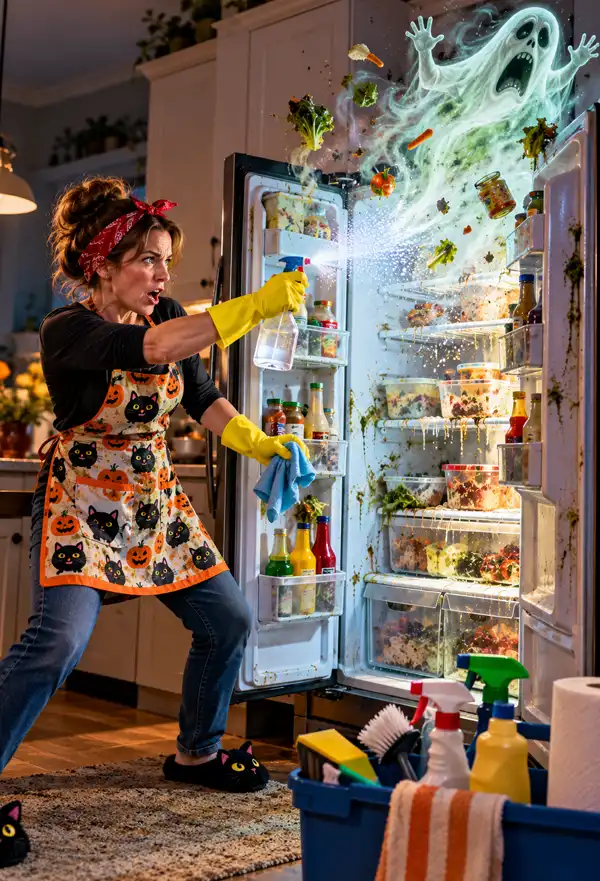
So, on October 30, gather your courage, put on your gloves, and approach the refrigerator with determination. Open the door, inspect the shelves, and confront the forgotten food that has been waiting in the darkness. Dispose of anything unsafe, clean the interior, and restore the appliance to its intended purpose.
Then switch off the kitchen light and enjoy the satisfaction of knowing that the monsters have finally been defeated.
But before you go to bed, listen carefully. Was that the refrigerator compressor switching on? Or was it the leftover lasagna, whispering from the trash can?
Happy Haunted Refrigerator Day! May your shelves be clean, your leftovers properly dated, and nothing in your vegetable drawer ever learn to walk.
Wellcat Holidays: Thomas and Ruth Roy's collection of unconventional observances, including Haunted Refrigerator Night. Wellcat Holidays U.S. Food and Drug Administration: Guidance on safe refrigerator temperatures, food storage, and preventing foodborne illness. Are You Storing Food Safely? U.S. Department of Agriculture: Recommendations for handling leftovers, refrigeration, and food safety. USDA Food Safety and Inspection Service FoodSafety.gov: Government food storage charts covering meat, poultry, prepared dishes, and other perishable foods. Cold Food Storage Chart USDA: Information about food loss and waste in the United States. Food Waste FAQs U.S. Environmental Protection Agency: Environmental impacts of wasted food and strategies for reducing waste. Preventing Wasted Food at Home Smithsonian Institution: Historical collections and educational resources covering household appliances and refrigeration. Smithsonian National Museum of American HistoryReferences & Sources