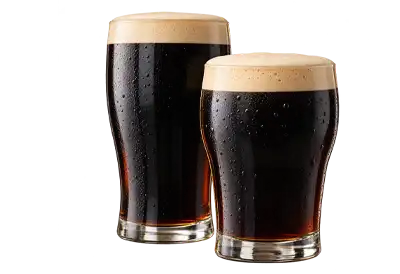

A Dark, Delicious Celebration With a Head on Its Shoulders
International Stout Day is the annual celebration of a beer so dark, rich, and full of character that it looks as though it has important business to discuss before you take the first sip. Observed on the first Thursday in November, this worldwide occasion honors stout beer, its remarkable brewing history, its extraordinary variety of flavors, and the generations of brewers who transformed roasted barley into one of the world's most recognizable beverages. From the creamy head of a traditional Irish stout to the chocolate, coffee, and caramel notes of modern craft creations, International Stout Day invites beer enthusiasts to explore a brewing tradition that has survived changing tastes, international trade, and the occasional person who insists that all dark beers taste like burnt toast. They don't, of course, but convincing that particular individual may require more than one conversation.
What Is International Stout Day?
International Stout Day is an unofficial global celebration dedicated to stout, a family of dark beers traditionally associated with roasted grains, distinctive malt flavors, and a brewing heritage stretching back several centuries. The observance takes place annually on the first Thursday of November, bringing together breweries, pubs, restaurants, homebrewers, and beer enthusiasts who appreciate the craftsmanship behind this distinctive beverage. Although stout is particularly associated with Ireland and the United Kingdom, it is now produced in countries around the world, with brewers developing interpretations that range from refreshingly dry to extravagantly rich.
The celebration was founded in 2011 by Southern California beer writer Erin Peters, known within the brewing community as The Beer Goddess. Peters wanted to create an occasion that recognized stout's history, versatility, and importance within the international craft beer movement. The first International Stout Day took place on November 3, 2011, and the idea quickly attracted support from breweries and beer enthusiasts who apparently required very little encouragement to dedicate an entire day to their favorite dark beverage.
Unlike traditional national holidays, International Stout Day has no official government proclamation or elaborate ceremonial requirements. Instead, it encourages education, appreciation, responsible enjoyment, and exploration of the many styles of stout produced around the world. Brewery tours, guided tastings, food-pairing events, and conversations about brewing techniques are all appropriate ways to participate. Naturally, anyone wishing to celebrate with a stout-flavored chocolate dessert instead of an alcoholic beverage is equally welcome. The important thing is appreciating the tradition, not proving how many pints one can accommodate.

The History of Stout: From London's Porters to the World's Pubs
The history of stout beer begins in Britain, where the term stout originally described strength rather than color. By the seventeenth century, English brewers were using the word to identify particularly strong beers. During the eighteenth century, a dark beer known as porter became enormously popular in London, especially among the city's working population. Its name became associated with the porters who transported goods through the streets, markets, and riverfront districts of the rapidly expanding capital.
As porter developed into a major commercial beer style, breweries began producing versions of different strengths. Stronger examples became known as stout porters, indicating a more robust beer with greater alcoholic strength. Over time, the word porter gradually disappeared from some product names, leaving stout as a separate designation. The two styles remained closely related, however, and their historical boundaries were far less rigid than modern beer classifications sometimes suggest.
The Industrial Revolution contributed significantly to the development of stout and porter. Advances in malting, brewing equipment, transportation, and commercial distribution enabled breweries to produce increasingly consistent beers in larger quantities. Dark malts became important ingredients, while improvements in roasting techniques helped brewers achieve the characteristic colors and flavors associated with these styles. The resulting beverages developed a reputation for their distinctive roasted character and their suitability for Britain's bustling public houses.
As brewing techniques spread and international markets expanded, stout traveled beyond Britain to Ireland, continental Europe, Africa, the Caribbean, and other regions. Local ingredients, consumer preferences, and brewing traditions gradually influenced the style, producing a diverse family of beers that shared historical roots while developing individual identities.
What began as a description of strong beer had become an international brewing tradition. Not bad for a word that originally amounted to telling the bartender, "I'll have the sturdy one, please."
Guinness and the Rise of Irish Stout
No discussion of stout beer would be complete without mentioning Guinness, the famous Irish brewery whose name has become almost inseparable from the style. In 1759, Arthur Guinness signed a remarkable 9,000-year lease on the St. James's Gate Brewery in Dublin, establishing the foundation of a business that would eventually become internationally recognized. It was an extraordinarily optimistic property agreement, particularly considering that most modern tenants struggle to commit to another twelve months.
Guinness initially produced ales before concentrating increasingly on porter during the late eighteenth century. By the nineteenth century, the brewery was producing stronger porter varieties that helped shape the development of Irish stout. Its beers became popular in Ireland and abroad, supported by expanding export markets and an increasingly recognizable identity.
Irish dry stout developed a distinctive character through the use of roasted barley, which contributes dark color, coffee-like aromas, and a pleasantly bitter finish. Unlike sweeter interpretations of stout, traditional Irish dry stout emphasizes balance, roasted flavor, and drinkability. Although its appearance suggests a particularly heavy beverage, many familiar Irish stouts contain relatively modest amounts of alcohol compared with stronger beer styles.
One of Guinness's most recognizable features is its creamy head and smooth texture. The familiar cascading effect seen in a freshly poured Guinness Draught results from the behavior of gas bubbles in the beer, particularly the use of nitrogen alongside carbon dioxide. Nitrogen produces smaller bubbles and a softer mouthfeel than conventional carbonation alone, creating the distinctive appearance associated with the modern pint.
Today, Guinness remains an internationally recognized symbol of Irish brewing, but Ireland's stout tradition extends beyond a single company. Breweries such as Murphy's and Beamish have also contributed to the country's reputation for producing excellent dark beer. Together, these traditions helped establish Irish stout as one of the world's most recognizable brewing styles.
What Makes a Stout a Stout?
Stout is generally a dark ale brewed using combinations of malted barley, roasted barley or other roasted grains, hops, water, and yeast. Its distinctive appearance ranges from deep brown to nearly opaque black, while its flavor can include roasted coffee, dark chocolate, toasted bread, caramel, nuts, and sometimes dried fruit. These characteristics depend on the ingredients selected, the degree of roasting, fermentation methods, and the brewer's intended style.
Roasted grains are particularly important because they contribute both color and flavor. Just as roasting coffee beans creates complex aromas and tastes, heating grains to different degrees produces compounds that influence a beer's character. Darker roasting can introduce coffee-like bitterness and chocolate notes, while other malts provide sweetness, body, and complexity. Hops contribute bitterness and aroma, helping balance the sweetness of the malt.
Most traditional stouts are ales, meaning they are fermented using ale yeast rather than the yeast and cooler fermentation practices commonly associated with lagers. Fermentation transforms sugars from the grain into alcohol and carbon dioxide, while the yeast can also contribute subtle flavor characteristics.
Despite its dark appearance, stout is not automatically stronger, heavier, or more caloric than every pale beer. Alcohol content, residual sugar, ingredients, and serving size vary considerably between styles. A dry Irish stout may be relatively light in body and alcohol, while a powerful imperial stout can deliver a much richer experience.
In other words, judging a stout entirely by its color is rather like assuming everyone wearing a black suit is attending a funeral. Sometimes they're simply very well dressed.
The Different Types of Stout Beer
One of the pleasures of International Stout Day is discovering how much variety exists within the stout family. Although the beers share a common historical background, their flavors, textures, sweetness, and alcoholic strength can differ dramatically. From traditional Irish brewing to modern American experimentation, there is considerably more to stout than a single dark pint.
Irish Dry Stout: Irish dry stout is among the best-known varieties, celebrated for its roasted barley character, moderate bitterness, and comparatively dry finish. Familiar examples include Guinness Draught, Murphy's Irish Stout, and Beamish. These beers often offer flavors reminiscent of coffee, toasted grain, and dark chocolate without excessive sweetness. Their balanced character makes them approachable for drinkers who might otherwise assume that dark beer must be thick, heavy, or overwhelming.
Oatmeal Stout: Oatmeal stout incorporates oats into the brewing process, contributing a smooth, rounded texture and sometimes a gentle nutty quality. Oats contain compounds that can influence mouthfeel, helping create a beer that seems especially silky on the palate. Traditional examples are generally malt-focused, with roasted flavors balanced by a soft texture rather than pronounced sweetness. The name may suggest breakfast, but pouring stout over a bowl of cereal is not an officially recommended brewing tradition.
Milk Stout or Sweet Stout: Milk stout, also known as sweet stout, traditionally includes lactose, a sugar derived from milk. Because ordinary brewing yeast does not readily ferment lactose, some sweetness remains in the finished beer, producing a fuller and often creamier impression. Chocolate, caramel, and roasted malt flavors may complement this sweetness, making milk stout particularly suitable for dessert pairings. Despite its name, the beer is not simply stout mixed with a glass of milk. It does, however, contain a milk-derived ingredient, which is important information for anyone avoiding dairy.
Imperial Stout: Imperial stout is a powerful interpretation historically associated with strong British beers exported to markets including the Russian Empire. Modern versions are often considerably higher in alcohol than traditional dry stouts and may display complex flavors of dark chocolate, coffee, molasses, dried fruit, and roasted malt. Some are aged in wooden barrels previously used for spirits, introducing additional notes of oak, vanilla, and caramel. These beers are generally suited to smaller servings and slower appreciation. An imperial stout is not the sort of beverage that should be mistaken for a light refreshment between lawn-mowing sessions.
Foreign Extra Stout: Foreign extra stout developed from stronger beers produced for export, particularly to markets where transportation, storage conditions, and local preferences influenced brewing decisions. Compared with many dry Irish stouts, these beers often possess greater body, stronger roasted flavors, and higher alcohol content. Variations became especially popular in parts of Africa and the Caribbean, where stout developed distinctive regional traditions and enthusiastic followings.
American Stout and Modern Craft Variations: American craft brewers have expanded the stout family through creative use of hops, specialty malts, coffee, cocoa, vanilla, fruit, and barrel aging. American stouts may feature more assertive hop bitterness than traditional British or Irish examples, while coffee stouts incorporate coffee ingredients to intensify flavors already associated with roasted grain. Chocolate stouts may contain cocoa or chocolate ingredients, although some achieve chocolate-like flavors entirely through malt selection.
Modern pastry stouts push experimentation further, sometimes incorporating ingredients associated with desserts, including vanilla, maple, coconut, and confectionery-inspired flavors. These creations can be remarkably rich and sweet, demonstrating just how far brewers can travel from stout's historical roots. Somewhere along the way, a few brewers apparently looked at a chocolate cake and decided it would be much more convenient in a glass.

Stout Versus Porter: What's the Difference?
The distinction between stout and porter has inspired more than a few spirited discussions among beer enthusiasts. Historically, the relationship was straightforward: stout porter generally referred to a stronger version of porter. Over time, however, brewing traditions changed, and the two styles developed overlapping but recognizable characteristics.
Modern porters are often associated with flavors of chocolate, caramel, toasted malt, and moderate roasted character. Stouts frequently emphasize darker roasted grains, coffee-like bitterness, and a more pronounced roasted finish. These descriptions are useful guidelines rather than absolute rules, because ingredients and brewing techniques vary considerably between breweries.
Some porters are stronger than some stouts, while certain stouts are sweeter and softer than traditional porters. The distinction can therefore depend as much on brewing heritage and the intended flavor profile as on a specific ingredient or alcohol percentage.
For anyone new to dark beer, tasting a porter and a stout side by side can be an enjoyable way to appreciate their similarities and differences. There is no need to turn the occasion into a courtroom proceeding. The beers have been sharing a family history for centuries, and they seem perfectly comfortable with the arrangement.
The Science Behind Stout's Dark Color and Roasted Flavor
Stout's remarkable appearance and flavor are largely the result of what happens when grain is exposed to heat. During malting and roasting, chemical reactions create compounds responsible for a wide range of colors, aromas, and tastes. The Maillard reaction, which also contributes to the flavors of toasted bread, roasted coffee, and browned foods, plays an important role in developing the complex character of many brewing grains.
The darkness of stout does not necessarily indicate how much alcohol it contains. Beer color is influenced primarily by the types and quantities of malt and roasted grain used in the recipe, while alcoholic strength depends largely on the amount of fermentable sugar available and how fermentation proceeds.
The creamy texture associated with certain stouts also involves some interesting science. Nitrogenated beers use nitrogen to produce fine bubbles and a smooth mouthfeel, creating the characteristic cascading appearance often seen when a draught stout is poured. Other stouts rely primarily on carbon dioxide and may have a livelier carbonation profile.
These brewing techniques demonstrate that producing an excellent stout requires careful attention to ingredients, temperature, fermentation, balance, and presentation. The finished pint may look effortlessly simple, but considerable expertise can be involved in creating its flavor and texture.
Which is reassuring, because somebody ought to understand what's happening while the rest of us admire the bubbles.

Stout Around the World
Although Ireland has become particularly famous for stout, the style's international history extends across numerous countries and brewing cultures. British breweries helped establish its early identity, while Irish producers refined and popularized distinctive dry stout traditions. As international trade expanded, stronger export versions reached markets far beyond Europe.
Stout developed particularly strong associations with parts of Africa and the Caribbean. In Nigeria, for example, Guinness Foreign Extra Stout became an important part of the local beer market, reflecting the popularity of richer, stronger interpretations. Caribbean brewing traditions also embraced stout, with regional brands and recipes developing their own characteristics.
In the United States, the modern craft beer movement helped introduce stout to new generations of consumers. Independent breweries experimented with roasted grains, specialty ingredients, and barrel aging, producing everything from approachable dry stouts to powerful imperial varieties intended for occasional enjoyment.
The result is a remarkably adaptable international beer style. A stout brewed in Dublin may differ considerably from one produced in California, Nigeria, Jamaica, or London, yet each can trace elements of its identity to the same broad brewing tradition.
International Stout Day recognizes this diversity, celebrating not merely one famous brand or national tradition but the many brewers who continue to develop and reinterpret stout around the world.
Stout and Food: A Surprisingly Delicious Partnership
Stout's roasted flavors and wide range of textures make it an excellent companion to food. The coffee-like bitterness of a dry stout can balance rich, savory dishes, while sweeter varieties complement chocolate desserts and other indulgent treats. Choosing an appropriate pairing involves considering sweetness, bitterness, body, and the intensity of both the food and the beer.
Traditional Irish stout pairs particularly well with hearty dishes such as beef stew, roasted meats, grilled mushrooms, and aged cheeses. The beer's roasted character can complement browned foods, while its bitterness helps balance richer flavors. Stout has also developed a historical association with oysters, and some breweries have produced oyster stouts using oysters or oyster shells as part of the brewing process. Not every beer bearing the name contains actual shellfish, however, so ingredient information is worth checking.
Oatmeal stout can accompany roasted vegetables, savory pies, and dishes featuring earthy ingredients. Milk stout and chocolate stout are especially suitable for desserts such as brownies, chocolate cake, and ice cream, where their sweetness and roasted flavors can reinforce the richness of the food.
Imperial stout often works well with intensely flavored cheeses, dark chocolate, and desserts containing caramel or dried fruit. Because these beers can be particularly strong and full-bodied, modest portions are generally more appropriate than large servings.
Stout is also a useful ingredient in cooking. It can contribute depth to stews, braised meats, sauces, and baked goods, where its roasted flavors add complexity. Recipes using stout in chocolate cake or rich gravy demonstrate that the beverage has a respectable career outside the drinking glass.
Of course, the most difficult part of cooking with stout may be explaining why the recipe required an entire bottle when only half of it appears to have reached the saucepan.
Common Myths About Stout Beer
Stout has accumulated several persistent misconceptions, many of which arise from its dramatic appearance. One of the most common is that every stout is extremely strong. In reality, traditional dry Irish stouts can have alcohol levels comparable to many ordinary beers, while imperial stouts may be substantially stronger. Color alone reveals very little about alcoholic strength.
Another misconception is that all stouts are thick, heavy, and filling. Some certainly are rich and full-bodied, but others are relatively dry, light, and refreshing. Nitrogenated stouts can feel creamy without necessarily containing large quantities of residual sugar.
The belief that stout is automatically nutritious or beneficial to health also deserves caution. Historically, some stout advertisements promoted the beverage as strengthening or nourishing, and certain products were marketed to nursing mothers or people recovering from illness. Such claims should not be interpreted as modern medical advice. Alcoholic stout remains an alcoholic beverage, and its consumption carries health risks. The presence of grain-derived nutrients does not make it a health treatment.
Finally, dark beer does not always contain coffee or chocolate. Many stouts develop flavors reminiscent of these ingredients through roasted malt or barley alone. Other recipes deliberately add coffee, cocoa, or chocolate to create more pronounced flavors.
The moral is simple: never judge a stout by its color, its name, or the fellow at the end of the bar who insists he knows absolutely everything about beer.
How to Celebrate International Stout Day
International Stout Day provides an opportunity to explore brewing history, discover different beer styles, and appreciate the craftsmanship behind one of the world's most distinctive beverages. Celebrations can be as simple as reading about the history of Guinness or as elaborate as attending an organized brewery event.
- Explore different stout styles. Compare the characteristics of Irish dry stout, oatmeal stout, milk stout, and imperial stout through descriptions or small tasting portions.
- Visit a local brewery. Learn about the brewing process, roasted grains, fermentation, and the techniques used to create distinctive stout flavors.
- Discover stout's history. Read about the development of London porter, Irish brewing traditions, and the international expansion of dark beer.
- Try cooking with stout. Prepare a rich stew, savory sauce, or chocolate dessert using a suitable stout recipe.
- Experiment with food pairings. Explore how roasted flavors complement chocolate, cheese, grilled vegetables, or hearty meals.
- Support independent brewers. Learn about local breweries and the creative approaches they bring to traditional beer styles.
- Include alcohol-free options. Nonalcoholic stouts and stout-inspired desserts allow people to appreciate the flavors and traditions without consuming alcohol.
Celebrate responsibly. Anyone choosing to drink alcoholic stout should pay attention to serving size and alcohol content, avoid driving after drinking, and respect individual preferences not to consume alcohol.
The celebration is ultimately about appreciation rather than excess. After all, stout has taken centuries to develop its remarkable reputation. There is absolutely no need to investigate its entire history in a single afternoon.
Fascinating Stout Beer Facts
Before we reach the bottom of the glass, here are a few fascinating facts about stout beer that demonstrate why this dark and distinctive beverage deserves its own international celebration.
- Stout originally meant strong. The term was used to describe powerful beers before becoming associated specifically with dark porter-style brewing.
- Stout and porter share a common history. Stronger versions of porter were once commonly called stout porters.
- Guinness has an extraordinary lease. Arthur Guinness signed a 9,000-year lease for the St. James's Gate Brewery in Dublin in 1759.
- Dark doesn't always mean strong. Traditional dry Irish stout may contain less alcohol than many pale ales.
- Oats can change the texture. Oatmeal stout uses oats to contribute a smoother, silkier mouthfeel.
- Milk stout contains lactose. The milk-derived sugar contributes sweetness because ordinary brewing yeast does not readily ferment it.
- Imperial stout has international roots. Strong British export stouts became associated with trade to the Russian Empire.
- International Stout Day began in 2011. Beer writer Erin Peters founded the celebration, which is now observed on the first Thursday in November.
One Final Toast to the Dark Side
International Stout Day celebrates far more than a glass of dark beer. It recognizes centuries of brewing innovation, the influence of British and Irish traditions, the growth of international beer culture, and the creativity of modern craft brewers. From London's historic porter breweries to Dublin's famous stout producers and today's experimental breweries around the world, stout has demonstrated an extraordinary ability to adapt while retaining its unmistakable character.
Whether you appreciate the roasted bitterness of Irish dry stout, the smooth texture of oatmeal stout, the sweetness of milk stout, or the complexity of an imperial stout, there is an entire world of brewing history waiting to be explored. Even those who prefer not to drink alcohol can enjoy the occasion through brewery history, cooking, nonalcoholic alternatives, and an appreciation of the craft involved.
So, on the first Thursday in November, raise a glass—or a suitable alcohol-free alternative—to the brewers, traditions, and innovations that have made stout an international favorite.
Happy International Stout Day! May your conversations be lively, your friendships strong, and your appreciation for dark beer considerably deeper than the bottom of the glass.