A Playful Spring Celebration Full of Humor, Food, and Festive Fun
As winter finally loosens its grip and spring begins to stretch its sunny arms across the calendar, people often look for any excuse to celebrate. Enter Cinco de Marcho—a playful, unofficial holiday that blends humor, festivity, and a love of good food into one delightfully quirky occasion. While it may not carry the historical weight of more traditional observances, it has carved out its own cheerful niche as a day for laughter, social gatherings, and shaking off the last traces of cabin fever.
Cinco de Marcho embraces the spirit of fun before spring fully takes center stage. Whether it’s themed parties, taco nights, colorful decorations, or simply sharing jokes online, this lighthearted celebration offers a chance to enjoy life without taking things too seriously. In a world where calendars are packed with serious dates and obligations, Cinco de Marcho serves as a refreshing reminder that sometimes, celebration for celebration’s sake is reason enough.
What Is Cinco de Marcho?
Cinco de Marcho is an unofficial, humorous holiday celebrated each year on March 5, serving as a playful kickoff to the party-heavy stretch leading toward St. Patrick’s Day. Unlike Cinco de Mayo, which honors a genuine historical military victory, Cinco de Marcho was created purely for fun. According to popular holiday sources, it began in 2007 as a tongue-in-cheek “liver training” day, designed to prepare light drinkers for the festivities of March 17. In short, it’s less about history and more about giving March an extra dose of tacos, margaritas, and questionable decision-making.
The holiday blends Mexican-inspired food and drinks with Irish-style pre-St. Patrick’s Day enthusiasm creates a quirky mashup of celebration. Green margaritas, themed parties, and social gatherings are common features, while humor remains the true star of the occasion. Cinco de Marcho has grown largely through social media, novelty holiday websites, and word-of-mouth, making it a modern example of how people can create traditions simply because life could always use another excuse for a party.
While it may never carry the cultural or historical importance of official observances, Cinco de Marcho thrives because it embraces pure fun. It represents the modern love of parody holidays, where the goal is less about solemn remembrance and more about enjoying friendship, food, and laughter. Whether celebrated seriously or simply as an amusing conversation starter, Cinco de Marcho has earned its place as one of the calendar’s more entertaining unofficial festivities.
A Brief History of Cinco de Marcho
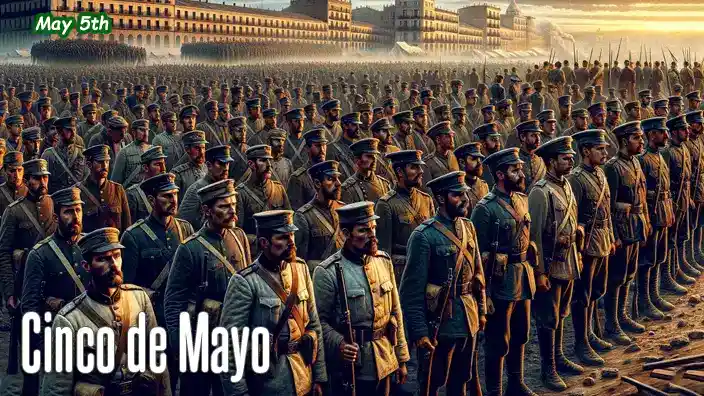
Unlike Cinco de Mayo, which commemorates the Mexican victory at the Battle of Puebla in 1862, Cinco de Marcho is more cultural parody than historical event. The term likely developed through humor, social media, and creative marketing efforts designed to capitalize on people’s love of themed parties and festive gatherings.
As novelty holidays and quirky observances have grown in popularity, Cinco de Marcho found its place among them. Restaurants, bars, and party planners occasionally use the phrase to promote spring events, offering themed specials and celebrations for those ready to shake off winter’s gloom. Over time, it has become a lighthearted way for people to celebrate friendship, food, and fun before the traditional May festivities arrive.
Why Cinco de Marcho Matters
At first glance, Cinco de Marcho may seem like little more than a humorous excuse for tacos, festive drinks, and social gatherings, but its growing popularity highlights something deeper about modern culture. In a world often dominated by busy schedules, stress, and serious headlines, people increasingly embrace lighthearted celebrations that offer a break from routine. Cinco de Marcho provides exactly that—a chance to gather with friends, laugh, and enjoy life simply because the calendar says it’s time for a little extra fun.
The holiday also reflects society’s fondness for creative, unofficial observances. Similar to other novelty holidays, Cinco de Marcho shows how traditions can evolve organically through humor, social media, and shared experiences rather than formal historical significance. It taps into people’s natural desire for connection and celebration, proving that even parody holidays can create meaningful moments through community and entertainment.
For businesses, restaurants, and event organizers, Cinco de Marcho has also become an opportunity to engage audiences with themed promotions and festive events. This commercial angle helps reinforce its presence while giving people more ways to participate. Whether through themed menus, social media campaigns, or local gatherings, the holiday has found practical relevance beyond its joke-inspired origins.
Most importantly, Cinco de Marcho reminds us that celebration itself has value. Not every holiday needs to commemorate a battle, national milestone, or solemn event. Sometimes, joy, laughter, and shared experiences are reason enough. In that sense, Cinco de Marcho matters because it encourages people to embrace fun, create memories, and appreciate the lighter side of life—something that never really goes out of season.

How to Celebrate Cinco de Marcho
Celebrating Cinco de Marcho is all about embracing fun and festivity. Many people mark the occasion with:
- Taco nights or Mexican-inspired meals
- Festive music playlists
- Colorful decorations
- Social gatherings with friends
- Humorous social media posts
The day often revolves around good food, laughter, and springtime energy. Tacos, nachos, salsa, and bright beverages frequently make appearances, while cheerful décor helps set the tone. It’s less about strict tradition and more about enjoying a carefree day with others.
Fun Facts About Cinco de Marcho
Cinco de Marcho has become known for its playful spirit and humorous appeal.
- It is not an official holiday.
- It is often celebrated as an early spring fiesta.
- Social media has helped boost its popularity.
- It is sometimes used by businesses for themed promotions.
- The holiday thrives on fun rather than formal tradition.
The Joy of Unofficial Celebrations
Unofficial holidays like Cinco de Marcho have become increasingly popular because they allow people to create their own traditions. These celebrations often blend humor, food, and social interaction into memorable experiences that break up everyday routines.
Cinco de Marcho joins the ranks of quirky observances that may not appear on traditional calendars but still bring people together. Its charm lies in its simplicity—an excuse to celebrate, laugh, and enjoy life.
The Lasting Appeal of Cinco de Marcho
Cinco de Marcho may not have historical battles or national recognition behind it, but it succeeds in delivering something equally valuable: fun. In a world where stress often dominates daily life, even a playful holiday can provide a welcome break.
Whether celebrated with tacos, friends, music, or simply a good laugh, Cinco de Marcho offers a cheerful reminder that sometimes the best holidays are the ones created purely for enjoyment. It may not be official, but its festive spirit continues to win fans year after year.