Mark The Days - June

June doesn’t knock—it kicks the door open wearing sunglasses and dragging a cooler. School’s out, the days are long, and the air smells like SPF 50 and slightly burnt hot dogs. It’s when the grill gets promoted to full-time chef and the phrase “just one more s’more” starts ruining dinner plans. June’s holidays range from honoring dads to celebrating donuts, and frankly, both deserve equal praise. It’s the sweet spot between spring’s fussiness and summer’s chaos—sunny, breezy, and just a little too confident. Basically, June knows it's popular... and we let it be.

- Details
World Tessellation Day is the one day a year when staring at the floor, the wallpaper, or your notebook margins isn’t procrastinating—it’s participation. Celebrated on June 17th, this delightfully nerdy holiday honors the endlessly repeating patterns that quietly hold our world together, one perfectly fitted shape at a time. Tessellations are what happen when math and art shake hands, agree not to leave gaps, and then refuse to stop repeating themselves. It’s mesmerizing, mildly brain-bending, and dangerously addictive—once you notice them, you’ll start seeing tessellations everywhere… including places you really should be paying attention to something else.
Celebrated: Annually, on June 17th
Celebrate World Tessellation Day on June 17th with math enthusiasts and artists. Discover the beauty of repeating patterns in art, nature, and everyday life.


- Details
There are few things more comforting than the unmistakable aroma of fish and chips wafting through the air like a crispy siren song. It’s the kind of meal that can make seagulls turn into organized crime syndicates, and dieters suddenly decide that “treat day” should absolutely be today. National Fish and Chip Day celebrates this golden masterpiece of flaky fish, hearty chips, and glorious indulgence—a meal that laughs in the face of kale and proudly wears its vinegar like a badge of honor.
Celebrated: Annually, on the First Friday in June
Celebrate National Fish and Chip Day with us and learn about the history, traditions, and delicious appeal of Britain’s iconic crispy classic


- Details
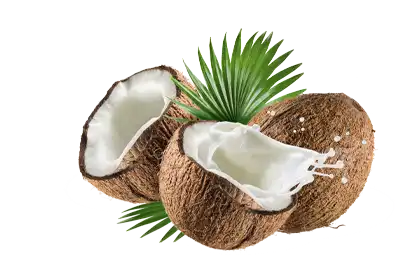
National Coconut Day celebrates one of the world's most overachieving fruits. Coconuts provide food, water, oil, fiber, building materials, and countless delicious treats, all while hanging around tropical beaches looking completely relaxed. Not bad for something that resembles a hairy bowling ball with three eyes. Whether you enjoy coconut cream pie, coconut water, or simply appreciate a fruit with an impressive work ethic, this is the perfect day to celebrate the mighty coconut.
Celebrated: Annually, on June 26th
Celebrate National Coconut Day with coconut facts, history, recipes, health benefits, and fun ways to enjoy one of the world's most versatile tropical fruits

- Details
Moonshine is the drink that says, “I may not be legal, but I sure am enthusiastic.” It’s the only liquor that comes with a backstory, a family legend, and a mild risk of spontaneous combustion. One sip and you’ll understand why it was traditionally served in small quantities—any more and you’re either dancing a jig or seeing through time. Whether it’s clear as glass or flavored like your grandma’s pie, moonshine doesn’t just warm you up—it gives you a temporary superpower called storytelling.
Celebrated: Annually, on June 27th
Join the fun on National Moonshine Day, celebrating the outlawed origins, pop culture influence, and modern legal twist of America's iconic homemade spirit.


- Details
D-Day was not just a military operation—it was a moment when the fate of the free world hung in the balance. On June 6, 1944, thousands of Allied soldiers stormed the beaches of Normandy, knowing full well the odds they faced. They were young, brave, and burdened with a mission larger than themselves: to liberate a continent and end a brutal tyranny. The cost was staggering, the sacrifice immeasurable. Yet they pressed forward—through gunfire, through chaos, through fear—because they believed in something greater: freedom, duty, and the hope of peace. Their courage changed the course of history, and the weight of their sacrifice continues to echo through the generations.
Celebrated: Annually, on June 6th
Explore D-Day, June 6, 1944, when Allied forces launched history’s largest amphibious invasion and secured a foothold in Western Europe.


- Details
If there were a Hall of Fame for snacks that refuse to quit, jerky would already have a bronze bust and a slightly aggressive plaque. National Jerky Day honors the stubborn strip of seasoned meat that laughs in the face of refrigeration, demands jaw commitment, and somehow turns road trips, hikes, and desk drawers into survival missions. It’s salty, smoky, occasionally sweet, and always convinced it’s tougher than you are. Love it or fear it, jerky doesn’t ask permission — it just dares you to chew faster.
Celebrated: Annually, on June 12th
Dive into the world of jerky at a tasting party, making your own and trying exotic flavours. Celebrate the snack that’s been a human staple since ancient times.


- Details
Albinism is not a flaw or a curiosity—it is a genetic variation that simply alters how the body produces melanin, not how a person thinks, feels, or dreams. Yet for many individuals with albinism, life can feel like an endless negotiation between visibility and invisibility—seen too much for their appearance, yet too often unseen for their humanity. In a world that can be unkind to differences, people with albinism carry both the beauty and the burden of standing out. What they deserve—like anyone—is not superstition or pity, but understanding, respect, and the freedom to live without fear. Albinism doesn’t limit potential; only ignorance does. And by listening, learning, and standing with them, we can help replace that ignorance with compassion.
Celebrated: Annually, on June 13th
Join the global community on June 13th for International Albinism Awareness Day to raise awareness, celebrate achievements, and advocate for the rights of people with albinism.


- Details
National Eat Your Vegetables Day is the annual reminder that the things we pushed around our plates as kids have been quietly plotting our long-term wellbeing. Celebrated on June 17th, this is the one day when broccoli gets a standing ovation, carrots feel smugly validated, and leafy greens finally get the respect they’ve earned. Whether you love your veggies roasted, raw, blended, or cleverly hidden under cheese, today is about embracing the crunch and admitting—just this once—that vegetables might actually be on our side.
Celebrated: Annually, on June 17th
Celebrate National Eat Your Vegetables Day by diving into a world of nutritious, colorful veggies. Learn the history and ways to enjoy these healthy delights.


- Details
Wagyu isn’t just beef—it’s beef that went to finishing school, learned to meditate, and spends weekends at a countryside retreat. This is the kind of meat that demands to be referred to as “Sir” or “Madam” before you even think about seasoning it. If regular steak is a pickup truck, Wagyu is a chauffeured limousine with seat warmers and mood lighting. It’s so tender, your knife doesn’t cut it—it just politely suggests separation, and the meat obliges.
Celebrated: Annually, on June 21st
Immerse yourself in the celebration of Wagyu Day, and explore the rich history, unique qualities, and mouth-watering experience of the world's most luxurious beef, Wagyu.


- Details
If you can spell “queue” without panicking, survive group work, and instinctively fall silent when someone says “Right…” in a firm tone, you’ve been shaped by a UK teacher. National Thank a Teacher Day is our annual reminder that these heroes operate on caffeine, patience, and an uncanny ability to spot mischief from across the room. They juggle lesson plans, marking piles, and teenage existential crises with the calm of seasoned diplomats—often before 9 a.m. This is the day we collectively admit what we’ve always known: teachers deserve far more thanks than they ever get… and possibly a long lie-in.
Celebrated: Annually, on April 27th
Celebrate National Thank a Teacher Day by showing appreciation for the dedicated educators who shape our futures. Discover ways to honor and support teachers.


- Details
On a hot day, when the sun is cooking the sidewalk and even the lawn chairs are sweating, there’s one drink that politely steps forward and saves the afternoon: iced tea. It doesn’t shout for attention like neon energy drinks or fancy coffee concoctions with names longer than a grocery list. No, iced tea simply shows up in a tall glass, clinks a few ice cubes together like it knows exactly what it’s doing, and cools everybody down. One sip and suddenly the world seems slower, the porch swing creaks a little more pleasantly, and the idea of doing absolutely nothing for the next twenty minutes feels like an excellent life decision.
Celebrated: Annually, on June 10th
Discover the story of National Iced Tea Day, from the 1904 World’s Fair to sweet tea traditions and refreshing summer celebrations.

- Details
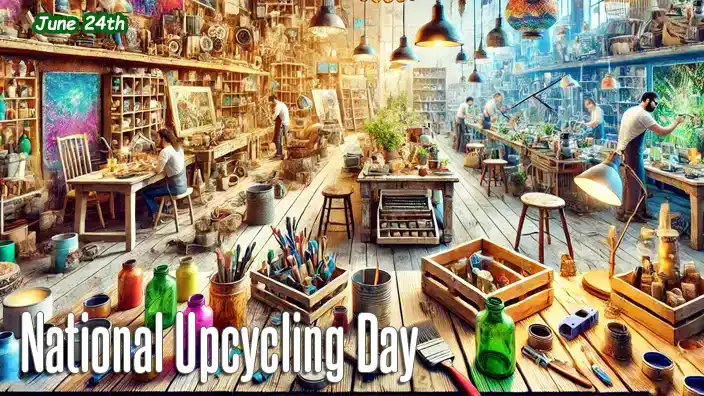
Upcycling is basically a fancy way of saying, “I refuse to throw this away because I might turn it into something cool one day.” It starts with good intentions—maybe turning an old ladder into a bookshelf—but before you know it, you’ve got a garage full of “future projects” that resemble a scrapyard auditioning for a reality show. That old dresser with three missing drawers? Now it’s a “rustic open-concept storage unit.” Those mismatched socks? Congratulations, they’re now quirky coffee mug cozies! Sure, some projects turn out Pinterest-worthy, while others look like they lost a fight with a glue gun, but hey, at least it’s all in the name of creativity and saving the planet, right?
Celebrated: Annually, on June 24th
Celebrate National Upcycling Day on June 24th by transforming old items into new treasures. Discover the joy, sustainability, and creativity of upcycling with fun project ideas.


- Details
Canoeing is the only activity where two people can spend hours silently floating through nature, marveling at the tranquility of the moment—right before erupting into a heated argument about who was supposed to be steering and why you’ve somehow ended up back at the same rock for the third time. It’s like couples therapy, but wetter, with oars. And just when you think you’ve got the hang of it, a duck flies too close, and you both scream like toddlers at a haunted hayride. Ah yes, the simple joy of canoeing: where balance is optional, paddling is an art, and dry clothes are a lie.
Celebrated: Annually, on June 26th
Dive into the world of canoes on June 26th. Discover their historical importance, various types, and the joy of paddling. Celebrate National Canoe Day.


- Details
Hugging a cat is a bit like defusing a bomb—you’ve got to be calm, precise, and ready to sprint if things go south. One moment, you're basking in the warm, fuzzy joy of feline affection; the next, you’re being swatted like an overconfident mosquito. Cats don’t mind being worshipped, but physical contact? That’s negotiable. They’ll allow a hug on rare occasions, usually when they're half-asleep, full of treats, or plotting something sinister. And if you survive the experience without a scratch, congratulations—you've just performed one of life’s most dangerous yet rewarding cuddles.
Celebrated: Annually, on June 4th
Discover the joy of National Hug Your Cat Day on June 4th! Learn about the history, benefits, and the art of hugging your feline friend with love and respect.

- Details
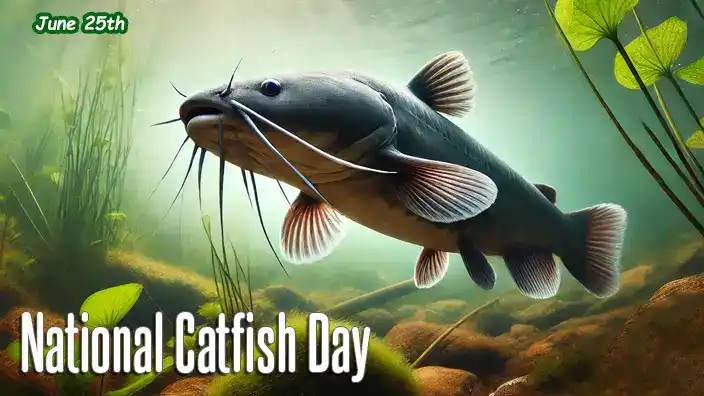
Now is the time for With a face only a mother could love and a mustache that would make any 19th-century gentleman jealous, this aquatic oddball glides through murky waters like a bottom-feeding philosopher, contemplating life one algae-covered snack at a time. Armed with an uncanny ability to sniff out a meal in total darkness and a habit of lurking in the depths like an underwater conspiracy theorist, it’s no wonder they’ve earned a reputation as both a delicacy and a legend. Whether fooling fishermen with a surprising tug on the line or pulling off the greatest disappearing act in a muddy river, this whiskered wonder is anything but ordinary.
Celebrated: Annually, on June 25th
Celebrate National Catfish Day by honoring the whiskered wonder of the water. Discover the significance of catfish cuisine, culture, and the fishing industry.


- Details
They’re the everyday superheroes who don’t wear capes—mostly because capes are a safety hazard in the workplace. Public servants are the folks who manage to keep their cool while explaining, for the eleventh time before lunch, why you can’t renew your driver’s license with a Blockbuster card. They juggle policies, paperwork, and public mood swings with a level of patience that borders on saintly. Sure, they might enjoy a good eye roll in private, but they show up, smile (usually), and somehow keep society from bursting into flames—which is impressive, considering they do it all for less money and more meetings than anyone deserves.
Celebrated: Annually, on June 23rd
Learn about Public Service Day, its history, and significance. Discover why public service matters and how to celebrate those serving our communities.


- Details
June 14th marks the birthday of the United States Army—America’s oldest military branch and, somehow, still very proud of walking everywhere. Founded in 1775, the Army has spent centuries mastering the fine arts of discipline, determination, and camouflage that works almost everywhere except the one place Navy people prefer: the ocean. As a sailor being strongly encouraged to write this, I’ll say this much—while we Navy folks enjoy steel decks, sea breezes, and gravity doing half the work, the Army has been carrying the heavy load, literally, since before ships had proper bathrooms. Rivalry aside, this is a day to salute the soldiers who show up early, stay late, and prove—time and again—that freedom isn’t free… and neither are dry socks.
Celebrated: Annually, on June 14th
Celebrate the U.S. Army's birthday with a look at its storied history and dedication. Discover fun facts and more.


- Details
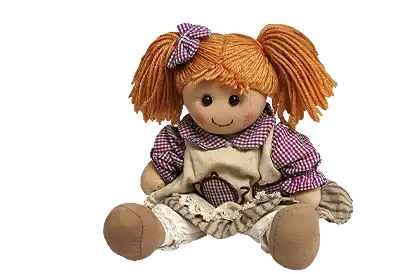
Some toys are played with for a few weeks and then quietly disappear into closets, attics, and mysterious places beneath beds. Dolls, however, have a habit of sticking around for generations. They become treasured keepsakes, cherished collectibles, family heirlooms, and occasionally the star of a childhood story involving tea parties, dramatic rescues, or an unfortunate encounter with a marker. World Doll Day celebrates these timeless companions and the memories, creativity, and imagination they have inspired for thousands of years.
Celebrated: Annually, on the Second Saturday in June
Celebrate World Doll Day with the history of dolls, fun facts, collecting traditions, and the inspiring story of founder Mildred Seeley
From Our Marks Catelog
-

Fraudsters are like modern-day tricksters, but instead of selling snake oil, they’ve upgraded to...
-
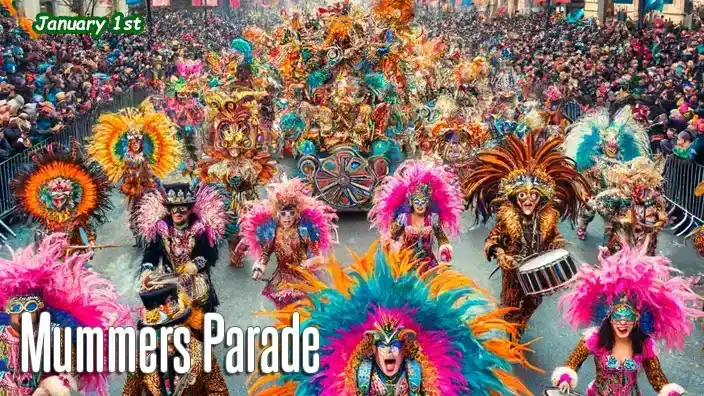
The Mummer's Parade in Philadelphia is like New Year's Day decided to throw on its most flamboyant...
-
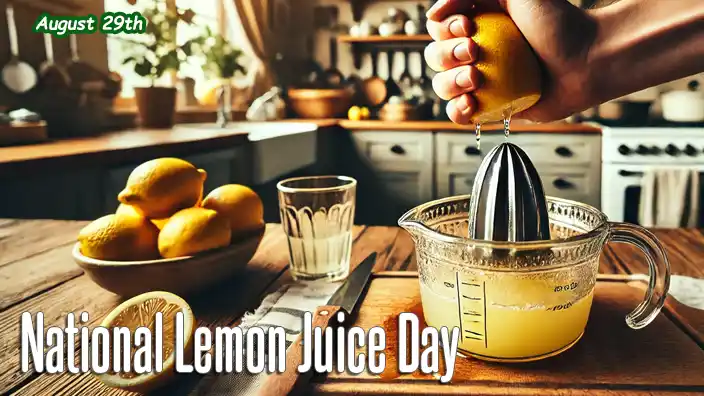
When life hands you one of those bright yellow orbs that practically scream "pucker up," you know...
-

If you’re going to pretend to be a princess, you might as well go all in. That means sweeping into...
-

National Adoption Awareness Month is a beacon of hope and transformation, illuminating the...
-

Certified nurses are like superheroes, only with stethoscopes instead of capes and an uncanny...

