Rewinding to Simpler Times
National VCR Day takes us back to a time when watching a movie required a trip to the video store, a little patience, and occasionally a heated family debate over who forgot to rewind the tape. Before streaming services, smartphones, and endless on-demand entertainment, the VCR was king of the living room and the gateway to countless movie nights.
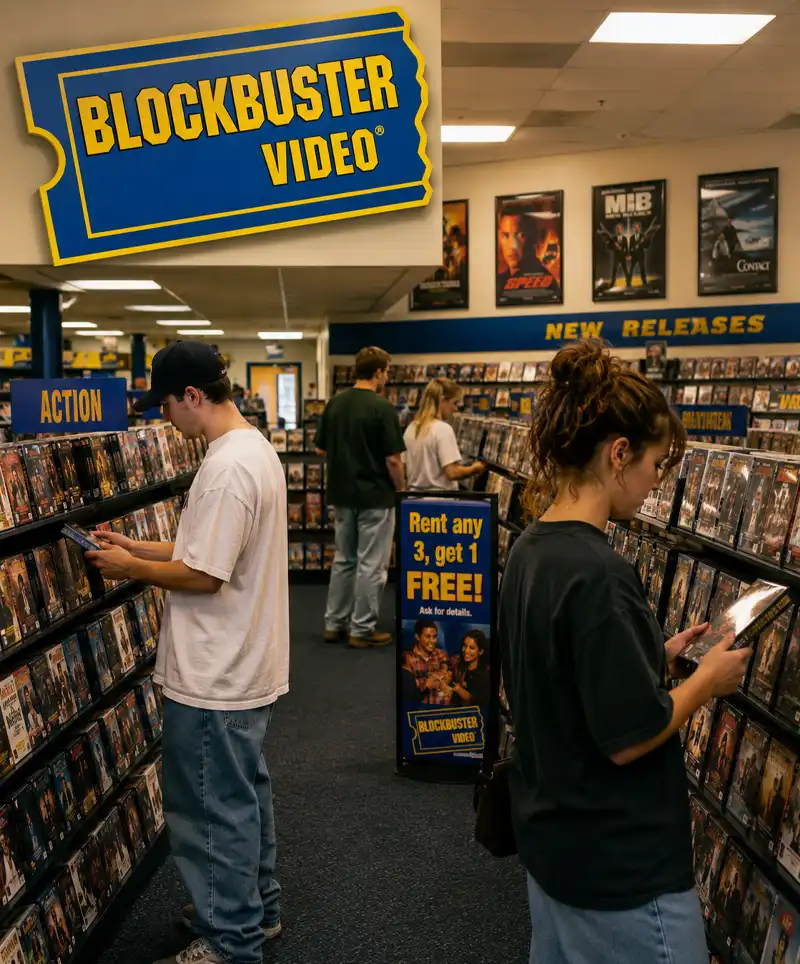
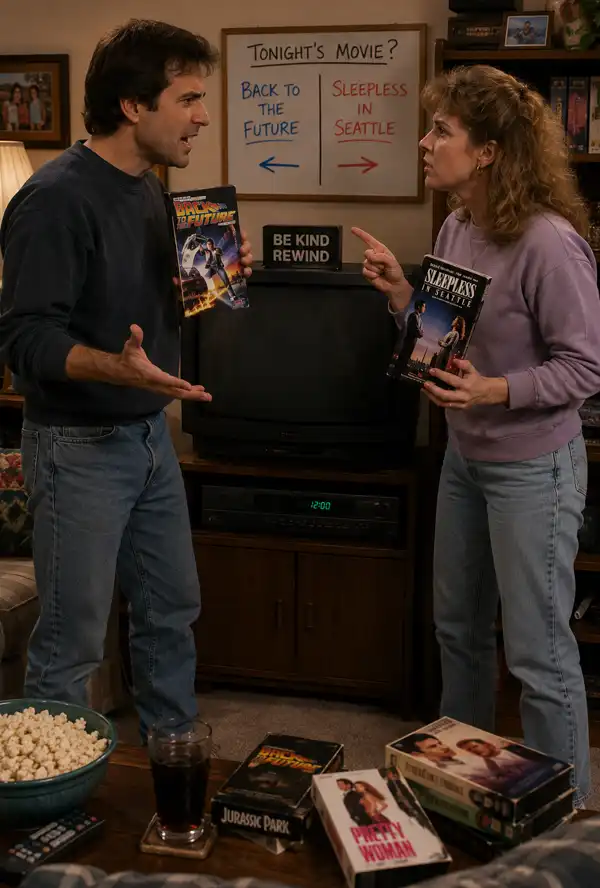
For many families, a Friday evening meant wandering the aisles of the local video rental store searching for the perfect movie. New releases were often gone by the time you arrived, leaving you to choose between an action film nobody had heard of, a romantic comedy your sister wanted to watch, or a documentary that somehow remained on the shelf for six consecutive years. The pressure was real.
The VCR also gave people something they had never enjoyed before: the ability to record television programs and watch them later. Missing your favorite show because you had plans was no longer a tragedy. Provided, of course, that you successfully programmed the VCR beforehand. This simple task somehow required the skills of a computer scientist, an electrician, and occasionally a licensed magician.
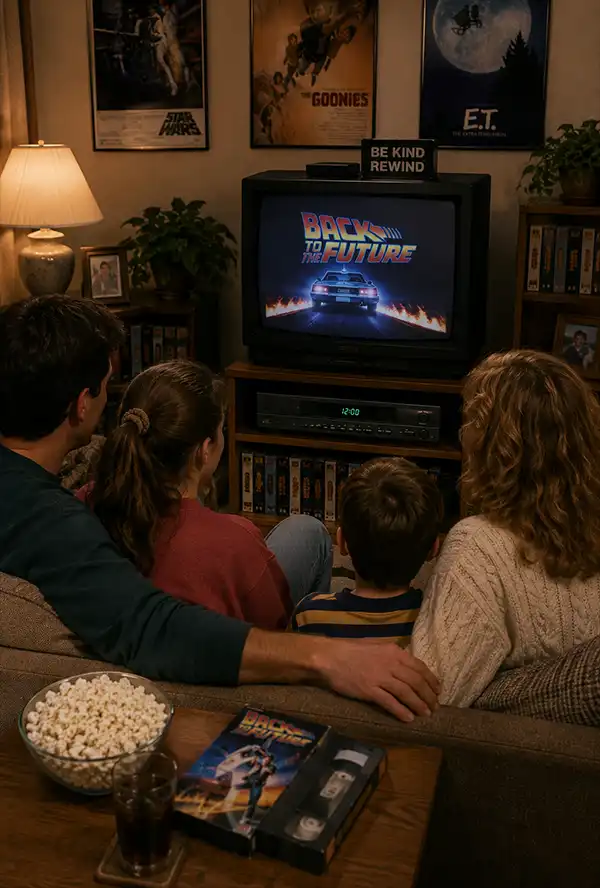
And then there was the clock. Every household seemed to own a VCR that blinked "12:00" twenty-four hours a day, seven days a week. Nobody knew how to fix it. Nobody wanted to learn. At some point society simply accepted that VCRs existed in a permanent state of temporal confusion.
Today, the VCR has largely disappeared from homes, replaced by DVDs, digital downloads, and streaming services. Yet for those who grew up during its golden age, the familiar click of a cassette sliding into the machine still brings back memories of family movie nights, favorite television shows, and a simpler time when entertainment came with a rewind button.
What Is National VCR Day?
National VCR Day is observed each year on June 7 and celebrates the video cassette recorder, better known as the VCR. Once found in millions of homes around the world, the VCR transformed the way people watched television and movies by allowing them to record programs, play rented films, and build personal video collections.
Introduced to consumers during the 1970s and reaching peak popularity during the 1980s and 1990s, VCRs gave viewers something that had never been possible before: control over when they watched their favorite shows. Long before streaming services and digital video recorders existed, a VCR allowed people to record a broadcast and watch it later, a practice that became known as "time-shifting."
National VCR Day is an opportunity to remember a technology that changed home entertainment forever. While VCRs have largely been replaced by DVDs, digital downloads, and streaming platforms, their influence can still be seen in the modern conveniences many people now take for granted.
For those who grew up during the VHS era, National VCR Day is also a chance to revisit memories of video rental stores, family movie nights, and the familiar sound of a tape sliding into the machine before the opening previews began.
The History of the VCR
The story of the VCR begins long before VHS tapes filled living room shelves. Early video recording technology was developed during the 1950s, primarily for television broadcasters. These machines were enormous, expensive, and far beyond the reach of the average household. While they could record television programs, they were designed for professional use rather than home entertainment.
That changed during the 1970s when manufacturers began developing consumer-friendly video cassette recorders. In 1975, Sony introduced the Betamax format, one of the first successful home video recording systems. A year later, JVC launched the VHS format, setting the stage for one of the most famous technology rivalries in history. Both systems allowed people to record television broadcasts and watch movies at home, but they were not compatible with one another.
As the competition intensified, VHS gradually gained the upper hand. Longer recording times, lower prices, and broader support from manufacturers helped VHS become the dominant format. By the mid-1980s, VHS machines were appearing in homes across America and around the world. Video rental stores sprang up in nearly every town, giving families access to thousands of movies without ever setting foot inside a theater.
The VCR revolutionized home entertainment. For the first time, viewers could record their favorite television programs and watch them whenever it was convenient. This concept, known as time-shifting, fundamentally changed how people consumed media. Missing an episode of a favorite show no longer meant waiting months for a rerun—assuming, of course, the VCR had been programmed correctly.
Throughout the 1980s and 1990s, the VCR became a standard household appliance. Millions of families used them to record sporting events, preserve home movies, and enjoy countless movie nights. Eventually, DVDs, digital recorders, and streaming services replaced VHS technology, but the VCR's influence remains unmistakable. Many of the conveniences we enjoy today can trace their roots back to the humble machine that first gave viewers control over what they watched and when they watched it.
Why Everyone's VCR Blinked 12:00
If you lived through the VCR era, you probably remember one universal truth: no matter what time it actually was, at least one VCR in the house insisted it was 12:00.
The reason was surprisingly simple. Most VCRs included a built-in digital clock that had to be programmed manually. Whenever the power went out, even briefly, the clock reset itself and began flashing 12:00 until someone took the time to set it again. Unfortunately, setting the clock often required navigating a series of confusing menus, tiny buttons, and instructions that seemed to have been translated from another language, then translated again for good measure.
Many people simply gave up. The VCR still played movies, recorded television programs, and performed all of its important duties perfectly well. The blinking clock became part of the furniture. Guests ignored it. Family members ignored it. Eventually, society reached an unspoken agreement that the correct time was available elsewhere, and the VCR could continue living in its own mysterious time zone.
The problem became so widespread that the flashing 12:00 display turned into a cultural joke. Television comedians referenced it, newspaper cartoons joked about it, and countless families accepted it as one of life's minor inconveniences. In an age before smartphones automatically synchronized every clock in the house, a blinking VCR was simply part of modern living.
Many families eventually developed a simpler solution. Rather than struggle through the instruction manual, they simply located the nearest child. Every neighborhood seemed to have at least one youngster who could set a VCR clock, program a recording, connect a video game console, and explain why the television suddenly displayed nothing but static. Long before technical support hotlines became common, these children served as the unofficial IT departments of America.
Ironically, the VCR was a remarkable piece of technology that allowed people to record television programs, pause movies, and enjoy entertainment on their own schedule. Yet despite all those impressive capabilities, millions of owners never managed to convince the machine what time it was.
Looking back, the flashing 12:00 display has become one of the most memorable symbols of the VCR era. It serves as a humorous reminder that even the technology we loved sometimes had a mind of its own.
Famous VCR Facts
The VCR may seem outdated today, but during its heyday it was one of the most influential pieces of technology ever placed in a living room. Along the way, it collected some impressive statistics and interesting stories.
- VHS Was the King of Home Video: By the late 1980s, VHS had become the dominant home video format around the world. Millions of households owned VCRs, and video rental stores stocked their shelves with VHS tapes from floor to ceiling.
- A Single VHS Tape Could Hold an Entire Movie: One reason VHS became so popular was its recording capacity. Most tapes could easily hold a feature-length film, while extended-play modes allowed users to record several hours of television programming on a single cassette.
- Video Rental Stores Were Everywhere: During the peak of the VHS era, video rental stores became a regular part of community life. Families often spent Friday evenings browsing shelves filled with action movies, comedies, westerns, and children's favorites while hoping the newest release had not already been rented.
- The Last Major VCR Was Manufactured in 2016: Although VCRs had been declining for years, new machines continued to be produced well into the digital age. The final major manufacturer ended production in 2016, bringing nearly four decades of consumer VCR manufacturing to a close.
- VHS Tapes Still Have Collectors: Many people continue to collect VHS tapes, particularly rare movies, original releases, and unusual recordings. Some collectors enjoy the nostalgic artwork on the boxes, while others appreciate preserving a piece of home entertainment history.
- Home Movies Found a New Audience: VCRs gave families an easy way to watch home videos recorded on camcorders. Birthday parties, vacations, school plays, and family gatherings could suddenly be replayed whenever people wanted to relive those memories.
- "Be Kind, Rewind" Became a National Motto: Video rental stores often charged a fee if customers returned tapes without rewinding them. This led to one of the most recognizable phrases of the VHS era: "Be Kind, Rewind."
- Some VHS Tapes Are Older Than Their Owners: Millions of VHS tapes still exist today. Many are tucked away in attics, closets, garages, and storage boxes, quietly waiting for someone to find a working VCR and discover what was recorded on them decades ago.
Ways to Celebrate National VCR Day
Celebrating National VCR Day is really about celebrating memories. The VCR wasn't just a machine; it was part of family movie nights, weekend television marathons, and those magical trips to the video rental store when finding the movie you wanted felt like winning the lottery. If you still have a working VCR tucked away in a closet or entertainment center, National VCR Day is the perfect excuse to dust it off and see if it still works. You might be surprised to discover a forgotten collection of movies, television recordings, or home videos that haven't been viewed in decades. Just be prepared for a brief struggle involving cables that haven't seen daylight since the last century.
Many people celebrate by revisiting classic films that they first watched on VHS. Whether it was a favorite comedy, a science-fiction adventure, or a family movie worn nearly transparent from repeated viewings, these films often bring back memories of a simpler era when entertainment didn't require a password, a subscription, or a software update. For those who grew up during the VHS years, National VCR Day is also a great time to share stories with younger family members. Try explaining that there was once a time when watching a movie required leaving the house, driving to a store, hoping the movie was in stock, and then remembering to return it on time. Most younger listeners will assume you're describing life in the 1800s.
Perhaps the most meaningful way to celebrate is to revisit old home videos. Countless family memories were preserved on VHS tapes, from birthday parties and weddings to vacations and school plays. Watching those recordings can be like opening a time capsule, offering a glimpse of loved ones, familiar places, and moments that might otherwise have faded with time.
And if all else fails, spend a few minutes staring at a blinking 12:00 display and appreciate the shared experience that united millions of VCR owners. Some traditions deserve to be remembered.
National VCR Day FAQ
When is National VCR Day?
National VCR Day is celebrated each year on June 7. The day recognizes the video cassette recorder and the role it played in changing home entertainment.
What does VCR stand for?
VCR stands for Video Cassette Recorder. The device allowed users to record television programs and play prerecorded video cassettes at home.
What is a VHS tape?
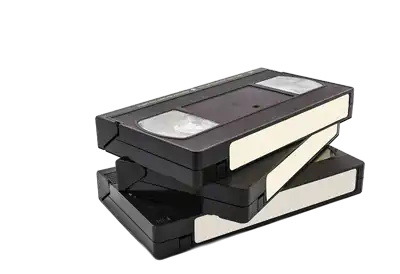
A VHS tape is a videocassette that uses the Video Home System (VHS) format. VHS became the dominant home video format during the 1980s and 1990s.
What was the difference between VHS and Betamax?
VHS and Betamax were competing videotape formats. While many experts considered Betamax to offer slightly better picture quality, VHS provided longer recording times and gained wider support from manufacturers and video rental stores.
Why did VHS become more popular than Betamax?
VHS offered longer recording times, lower prices, and broader industry support. As more manufacturers adopted VHS, it became the preferred format for consumers and rental stores alike.
Are VCRs still made today?
No major manufacturers currently produce new VCRs. Production largely ended in 2016 as consumers shifted to DVDs, digital media, and streaming services.
Can VHS tapes still be played?
Yes. Anyone with a working VCR can still watch VHS tapes. Some enthusiasts also convert VHS recordings into digital formats to preserve aging video collections.
Why did VCR clocks always blink 12:00?
Whenever power was interrupted, many VCRs reset their clocks to 12:00. Since setting the clock often involved a confusing series of button presses, countless owners simply left it blinking indefinitely.
What replaced the VCR?
DVD players, digital video recorders (DVRs), Blu-ray players, digital downloads, and streaming services gradually replaced VCRs and VHS tapes.
Are old VHS tapes worth money?
Most VHS tapes have little monetary value, but certain rare releases, limited editions, sealed copies, and hard-to-find recordings can be sought after by collectors.
What was "Be Kind, Rewind"?
"Be Kind, Rewind" was a common reminder from video rental stores asking customers to rewind VHS tapes before returning them. Failure to do so sometimes resulted in an extra fee.
Why do people still celebrate the VCR?
Many people remember the VCR as the technology that gave them control over when they watched television and movies. National VCR Day celebrates both the device itself and the memories associated with the VHS era.
One Last Rewind
The VCR may have disappeared from most living rooms, but its impact on everyday life is hard to overstate. For an entire generation, it changed how people watched television, enjoyed movies, and preserved family memories. It gave viewers something that seems completely normal today—the freedom to watch what they wanted, when they wanted.
For many of us, the VCR is tied to memories that have little to do with technology. We remember family movie nights, trips to the video rental store, favorite films watched dozens of times, and home videos that captured moments we can never revisit any other way. The machine itself may have been made of plastic, buttons, and blinking lights, but the memories stored on those tapes were priceless.
Today's streaming services offer convenience that VCR owners could only dream about. Yet there was something special about sliding a cassette into the machine, hearing the familiar whir of the tape, and settling in for an evening's entertainment. It required a little more effort, but somehow that made the experience feel more rewarding.
National VCR Day gives us an opportunity to appreciate a technology that helped shape modern entertainment while taking a nostalgic look back at a simpler time. So whether you still have a working VCR, a box of old VHS tapes in the attic, or just fond memories of a clock that permanently displayed 12:00, take a moment to celebrate one of the most influential gadgets of the twentieth century.
And before you go, remember the three most important words of the VHS era:
Be Kind. Rewind.