Mark The Days - June

June doesn’t knock—it kicks the door open wearing sunglasses and dragging a cooler. School’s out, the days are long, and the air smells like SPF 50 and slightly burnt hot dogs. It’s when the grill gets promoted to full-time chef and the phrase “just one more s’more” starts ruining dinner plans. June’s holidays range from honoring dads to celebrating donuts, and frankly, both deserve equal praise. It’s the sweet spot between spring’s fussiness and summer’s chaos—sunny, breezy, and just a little too confident. Basically, June knows it's popular... and we let it be.

- Details
Letting things go is a skill we all think we have—until we’re in the shower five years later, replaying an argument where we definitely should have said something wittier. Meanwhile, the other person has probably forgotten the entire conversation, moved on with their life, and is currently debating which sandwich to order. But here we are, gripping onto that grudge like a squirrel hoarding its last acorn for winter. The truth is, letting go isn’t about losing—it’s about winning back all that mental real estate currently occupied by things that don’t even pay rent. So go ahead, drop the baggage, free up some space, and maybe—just maybe—use that extra brainpower to finally remember why you walked into the kitchen in the first place.
Celebrated: Annually, on June 23rd
Celebrate National Let It Go Day on June 23rd by releasing negative emotions and embracing positivity. Learn how to let go and improve your well-being.


- Details
There’s a special moment when you turn the key, hear a noise that definitely wasn’t there yesterday, and realize your car has officially entered its “character-building phase.” That loyal machine has hauled groceries, survived questionable parking jobs, and maybe even eaten a few spare fries along the way. But when the final mile is driven, it doesn’t have to end in a sad puddle of rust—thanks to car recycling, your trusty ride can retire with dignity… and come back as something far more useful than that mysterious squeak ever was.
Celebrated: Annually, on June 20th
Global Car Recycling Day highlights the importance of recycling vehicles, saving resources, and reducing environmental impact

- Details
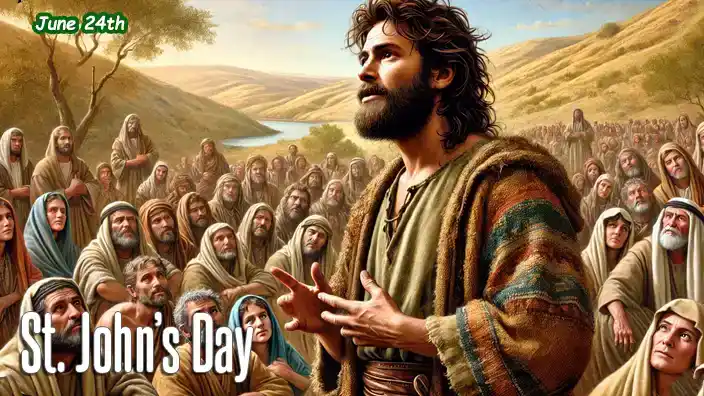
St. John the Baptist was the original trendsetter of the wilderness lifestyle—long before off-grid living became trendy. Clad in camel’s hair and dining on locusts and wild honey, he was the first to embrace the organic, all-natural diet that modern health gurus can only dream of. And let’s not forget his fearless approach to preaching—calling out corrupt leaders and demanding repentance without a second thought. If John had a social media account today, his fiery sermons and no-nonsense attitude would definitely go viral, though he’d probably refuse to use a filter—because, let’s face it, he was all about keeping things real.
Celebrated: Annually, on June 24th
Celebrate St. John’s Day on June 24th, honoring St. John the Baptist with traditions, history, and spiritual reflections on his profound role in Christianity.


- Details
The chocolate macaroon is what happens when coconut decides it’s tired of being tropical and wants to be dark and mysterious. It’s the cookie equivalent of that friend who shows up to brunch in sunglasses and all black, even in July—edgy, indulgent, and just a little bit dramatic. It doesn’t just satisfy your sweet tooth; it seduces it, winks at your diet, and then goes back for seconds. One bite and you’re not just eating a cookie—you’re making questionable life choices in the best possible way.
Celebrated: Annually, on June 3rd
Celebrate National Chocolate Macaroon Day with a humorous dive into the sweet conspiracy of macaroons, from coconut classics to chocolatey delights.


- Details
Some holidays involve fireworks, parades, or complicated traditions passed down through generations. National Stewart’s Root Beer Day keeps things refreshingly simple: grab a cold bottle, pour it into a frosty mug, and enjoy the sweet, creamy fizz that has been making taste buds happy since the Roaring Twenties. It’s a day dedicated to a soda that survived drive-ins, jukeboxes, bell-bottoms, and the invention of the internet—proof that good root beer, much like a good joke, never really goes out of style.
Celebrated: Annually, on June 17th
Celebrate National Stewart’s Root Beer Day with the story behind this classic soda, its drive-in history, and fun ways to enjoy a frosty mug.


- Details
Eating ice cream cake is like a sweet battle of wills: the cake dares you to eat it before it melts, while the ice cream tries to brain-freeze you into submission. It's a deliciously chaotic experience where you find yourself racing against time, savoring every bite, and wondering if it’s possible to enjoy this much happiness without a side of frostbite. But let's face it, no one ever regretted diving into a slice of ice cream cake – brain freeze and all!
Celebrated: Annually, on June 27th
Discover the history, types, and fun facts about ice cream cakes, a delightful fusion of ice cream and cake. Celebrate National Ice Cream Cake Day with a slice of happiness!


- Details
Eating rotisserie chicken is a full-contact sport disguised as dinner. It starts off classy—you know, plate, napkin, maybe a side of steamed veggies to feel virtuous. But five minutes in, you’re ditching the utensils, elbows deep in crispy skin, and making prehistoric growling noises like a caveman discovering fire-roasted poultry. You swore you’d save half for tomorrow, but now you’re blacking out somewhere between the second drumstick and the moment you gnawed on the wishbone like it owed you money. It’s not just eating—it’s an experience, and you come out of it with grease on your fingers and absolutely no regrets.
Celebrated: Annually, on June 2nd
Celebrate National Rotisserie Chicken Day on June 2nd! Discover the history, global popularity, and delicious versatility of this beloved culinary staple.


- Details
Rocky space potatoes zipping around the cosmos at breakneck speeds, asteroids are like the universe's version of unruly teenagers. You never quite know when one might show up unannounced, making a grand entrance with all the subtlety of a surprise party you never asked for. But fear not, these cosmic misfits also carry the secrets of our solar system's wild youth, making them the ultimate ancient storytellers—just with a bit more dramatic flair!
Celebrated: Annually, on June 30th
Discover the cosmic celebration of International Asteroid Day on June 30th, uniting space enthusiasts worldwide to raise awareness about asteroids and their impact on our planet.


- Details
There’s a reason nobody ever says, “You know what this needs? Less vanilla.” The vanilla milkshake is the quiet overachiever of the dessert world—no flashy colors, no wild promises, just smooth, creamy confidence in a glass. It doesn’t shout for attention like its chocolate and strawberry cousins; it simply shows up, does its job perfectly, and leaves you wondering why you ever bothered with anything else. Sometimes the classic isn’t just good—it’s the reason everything else exists in the first place.
Celebrated: Annually, on June 20th
Learn something of the history of vanilla milkshakes, how to make one, and fun ways to celebrate this timeless treat.


- Details
West Virginia celebrations are a joyful blend of history, hospitality, and just enough chaos to keep things interesting. You’ll find folks in period costumes reenacting Civil War skirmishes next to teenagers trying to deep-fry a pepperoni roll—and somehow, it all works. There’s usually bluegrass music echoing from a nearby stage, a table full of homemade pies, and at least one uncle insisting he could’ve been a champion log roller if his knee hadn’t given out in ’84. It’s festive, it’s friendly, and it’s unmistakably West Virginian—where the mountains are high, the pride runs deep, and the fun doesn’t quit until the last banjo string is plucked.
Celebrated: Annually, on June 20th
Celebrate West Virginia Day on June 20th with stories, history, and festivities. Discover the unique charm and rugged beauty of the Mountain State.


- Details
Today’s wilderness adventurer packs a GPS, bug spray, a filtered water bottle, and three backup chargers—and still manages to get lost in a well-marked state park. Daniel Boone? He wandered into uncharted forests with a rifle, a knife, and a strong sense of direction fueled by pure grit and whatever stew he had in his pack. No weather app, no Gore-Tex, no dehydrated snacks with names like “Campfire Chicken Fiesta.” If Boone met a modern hiker, he’d probably ask, “You crossed a river... in Crocs?”
Celebrated: Annually, on June 7th
Celebrate Daniel Boone Day on June 7th, honoring the iconic trailblazer who shaped America's wild frontier with courage, independence, and a legendary spirit.

- Details
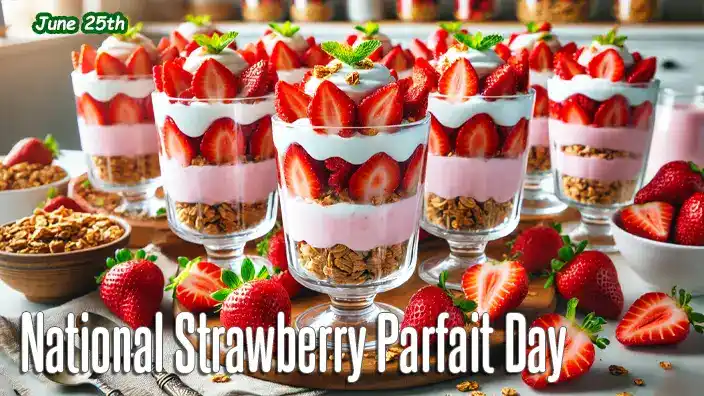
Balanced somewhere between dessert royalty and breakfast pretending to be healthy, this layered masterpiece is basically an edible work of art with a spoon as its paintbrush. With strawberries strutting their natural sweetness, cream lounging in its fluffy luxury, and granola crashing the party like an overenthusiastic plus-one, every bite is a drama-packed adventure in texture and taste. It's the only dish where you can start classy, gracefully scooping delicate layers, and end up furiously scraping the bottom of the glass, determined to get every last crumb like a dessert-fueled archaeologist.
Celebrated: Annually, on June 25th
Celebrate National Strawberry Parfait Day on June 25th with a delightful treat combining fresh strawberries and creamy parfait. Discover its history and how to make one.


- Details
Cider is the socially acceptable way to say, “I’d like my apple juice to make bad decisions.” It’s the drink that lets you pretend you’re being healthy because, technically, it started as fruit. Cider walks the line between sweet and sassy, like a country fair that got a little too rowdy after sunset. Whether it’s crisp and dry or sugary enough to peel paint off a picnic table, cider doesn’t just quench your thirst—it slaps it on the back, buys it a round, and encourages it to dance on tables. Cheers to fermented apples and the questionable choices they inspire!
Celebrated: Annually, on June 3rd
Celebrate World Cider Day with apple enthusiasts worldwide. Explore the rich history, diverse styles, and quirky traditions of cider-making. Raise a glass and enjoy the apple-infused journey!

- Details
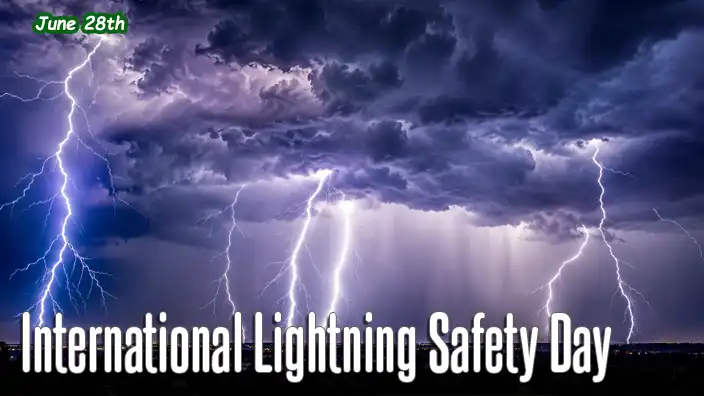
Thunderstorms have a way of reminding us who's really in charge of the weather. One minute you're enjoying a sunny afternoon, and the next you're counting the seconds between lightning and thunder while wondering if that picnic was perhaps a touch too ambitious. International Lightning Safety Day isn't about spoiling outdoor fun—it's about making sure the only shocking thing you experience is the weather forecast. A little common sense today can help ensure tomorrow's adventures don't include an unexpected encounter with millions of volts.
Celebrated: Annually, on June 28th
Celebrate International Lightning Safety Day by learning fascinating lightning facts, essential thunderstorm safety tips, and how to stay safe when storms strike

- Details
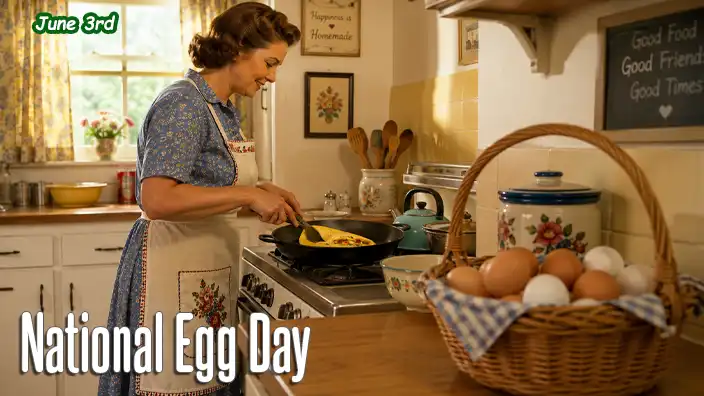
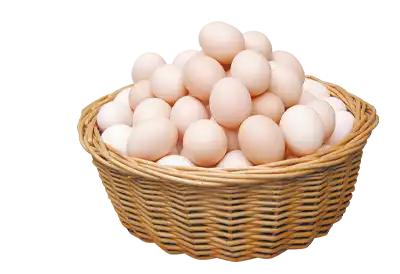
Eggs are proof that chickens have been quietly running a successful manufacturing business for thousands of years. Every morning, they deliver a perfectly packaged product that can become breakfast, lunch, dinner, dessert, or the ingredient that saves your baking project from disaster. Not bad for something that starts its journey under a feathered supervisor who spends most of her day arguing with the rooster and looking for snacks. National Egg Day is the perfect time to celebrate the incredible edible egg—and the hardworking hens who make it all possible.
Celebrated: Annually, on June 3rd
Celebrate National Egg Day with egg facts, history, nutrition tips, fun trivia, and delicious ways to enjoy this everyday kitchen favorite

- Details
Autistic Pride Day invites us to reconsider a radical idea: maybe there isn’t a single “normal” instruction manual for the human brain—and maybe that’s a good thing. Autism isn’t a glitch in the system; it’s a different operating system altogether, complete with strengths, sensitivities, and features most of us didn’t know we needed. This day isn’t about fixing anyone or handing out imaginary gold stars for coping—it’s about recognizing that the world works better when it includes minds that notice patterns others miss, ask questions others avoid, and remind us that being different has never been the same as being broken.
Celebrated: Annually, on June 18th
Learn about Autism Spectrum Disorder, its diverse manifestations, and the significance of Autistic Pride Day in promoting neurodiversity and acceptance.


- Details
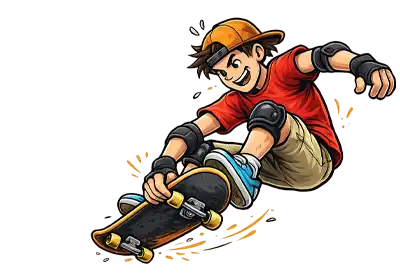
Some people celebrate by relaxing. Others celebrate by eating cake. On Go Skateboarding Day, people voluntarily launch themselves toward hard pavement while standing on a board with wheels and call it a good time. Created to celebrate the sport and culture of skateboarding, this day invites riders of all skill levels to grab a board, attempt something ambitious, and hopefully remain on speaking terms with gravity. Whether you're landing tricks, cruising through the neighborhood, or discovering that the ground is surprisingly unforgiving, it's all part of the ride.
Celebrated: Annually, on June 21st
Grab your board and celebrate Go Skateboarding Day with skateboarding history, famous skaters, fun facts, and tips for enjoying the ride

- Details
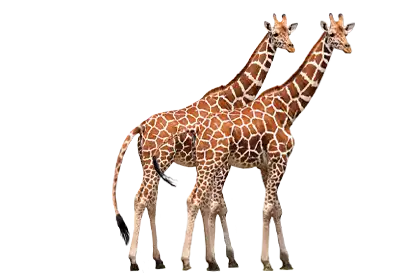
If animals handed out awards for being impossible to overlook, the giraffe would win every year without competition. Standing head and shoulders—and neck and more neck—above the rest of the animal kingdom, giraffes have been attracting attention for millions of years. World Giraffe Day is our chance to celebrate these gentle giants, learn about their surprising history, and appreciate an animal that somehow manages to look graceful while appearing to have been assembled from spare parts.
Celebrated: Annually, on June 21st
Giraffes are tall, fascinating, and full of surprises. Join us as we celebrate World Giraffe Day with fun facts, history, and plenty of long-necked charm
From Our Marks Catelog
-

Single parenthood is a crash course in multitasking—where making dinner, helping with homework, and dodging Lego...
-

Balloons are the life of any party, with their bright colors and whimsical shapes, but they also...
-
Letting things go is a skill we all think we have—until we’re in the shower five years later, replaying an...
-

Some holidays ask for deep reflection. Others demand fireworks, feasts, or elaborate decorations....
-

With a gaze that could melt ice and a mustache so perfectly groomed it might have had its own...
-

Imagine having the uncanny ability to make even the driest statistics sound like the punchline to a...

