Mark The Days - June

June doesn’t knock—it kicks the door open wearing sunglasses and dragging a cooler. School’s out, the days are long, and the air smells like SPF 50 and slightly burnt hot dogs. It’s when the grill gets promoted to full-time chef and the phrase “just one more s’more” starts ruining dinner plans. June’s holidays range from honoring dads to celebrating donuts, and frankly, both deserve equal praise. It’s the sweet spot between spring’s fussiness and summer’s chaos—sunny, breezy, and just a little too confident. Basically, June knows it's popular... and we let it be.

- Details
They’re the reason your kitchen smells like a five-star restaurant instead of a reheated tragedy. A pinch here, a dash there, and suddenly bland chicken is doing the cha-cha on your tongue. These little dried divas have been elevating meals and confusing picky eaters for centuries—parsley pretending it’s more than just garnish, oregano starting fights in pizza joints, and cinnamon sneaking into both desserts and chili like it owns the place. They may come in tiny jars, but they pack enough attitude to sass up an entire pantry.
Celebrated: Annually, on June 10th
Celebrate National Herbs and Spices Day on June 10th! Discover the history, health benefits, and culinary uses of your favorite herbs and spices.


- Details
Some things are sweet, some things are spicy, and then there’s that mysterious little treat that manages to be both while also smiling at you with candy eyes. It’s the only snack that dares to wear pants, run from predators, and get immortalized in fairy tales—all while tasting like holiday magic and questionable life choices. One bite and you’re transported to a world where cookies are architectural structures, cinnamon is a personality trait, and somehow, molasses is considered a bonding agent.
Celebrated: Annually, on June 5th
Celebrate National Gingerbread Day on June 5th with a delightful journey through the spiced history of gingerbread, from ancient rituals to festive treats.

- Details
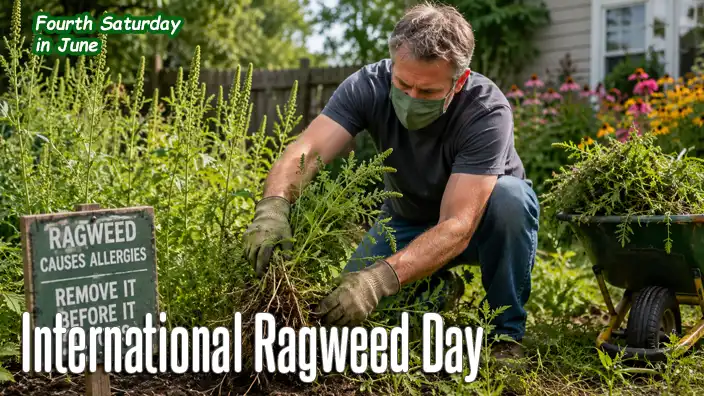
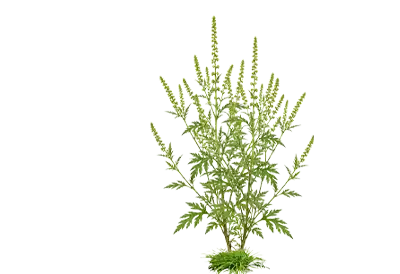
Most awareness days celebrate something people enjoy. International Ragweed Day takes a slightly different approach by focusing on a plant responsible for countless sneezes, watery eyes, and emergency tissue hunts. Whether you're an allergy sufferer, a gardener, or simply someone who enjoys breathing through both nostrils, this is the perfect day to learn more about the weed that has spent decades making itself everybody's problem.
Celebrated: Annually, on the Fourth Saturday in June
Discover the surprising story behind International Ragweed Day, from allergy-causing pollen and invasive weeds to fascinating facts and practical ways to participate

- Details
Logistics is like a high-stakes game of Tetris, but with trucks, ships, and planes instead of colorful blocks. Imagine coordinating a symphony where every instrument is a different mode of transportation, and the conductor is a caffeine-fueled genius who can juggle spreadsheets and navigate traffic jams without breaking a sweat. It’s all about making sure your package of rubber chickens arrives on time, because let’s face it, the world can’t wait for that kind of delivery!
Celebrated: Annually, on June 28th
Discover modern commerce on National Logistics Day, celebrating the intricate world of logistics that ensures the efficient movement of goods worldwide.


- Details
Superman is the only guy who can juggle planets before breakfast and still somehow get scolded by his boss for being late to work. Think about it—he can hear a pin drop in Paraguay, melt steel with his eyes, and fly faster than your Wi-Fi drops out during a Zoom call, yet he still hasn’t figured out that a pair of glasses isn’t foolproof identity protection. And while we’re at it, how does a man with X-ray vision and super-hearing never seem to know Lois is in danger until after the explosion? We love you, Supes, but maybe switch to decaf and keep your cape out of the fax machine.
Celebrated: Annually, on June 12th
Superman Day celebrates the legendary superhero from Krypton. Learn about his origins, powers, and how to join the festivities without leaping tall buildings.

- Details
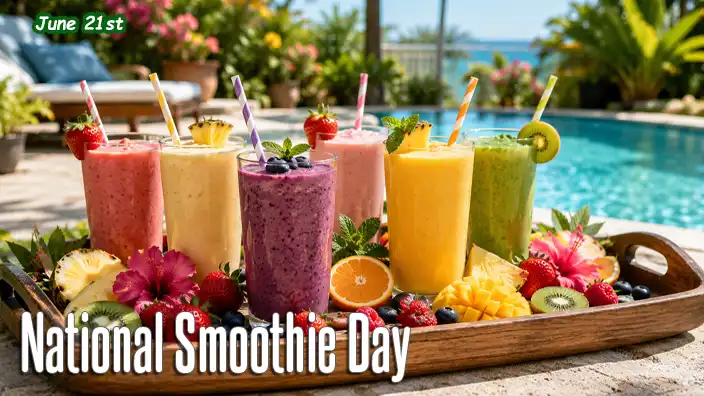
Smoothies are the only food group where you can toss spinach, peanut butter, frozen mango, and a scoop of mystery powder into a blender and somehow convince yourself it's a healthy decision. They’re like nature’s milkshake—with a passport and a gym membership. Sure, they sometimes taste like the inside of a lawnmower, but add a banana and suddenly it’s a tropical vacation in a cup. And let’s not forget the smug satisfaction of walking around with one—bonus points if it’s in a mason jar and you’re wearing yoga pants (even if you're just going to the couch).
Celebrated: Annually, on June 21st
Explore the vibrant history and health benefits of smoothies, a drink that has evolved from humble beginnings to a beloved global staple. Join the celebration!


- Details
It’s not every day you encounter a fruit that looks like it could double as a medieval weapon. With its spiky armor and unapologetically tropical vibe, the pineapple is like the eccentric party guest who arrives wearing a Hawaiian shirt and instantly becomes the center of attention. It dares you to approach cautiously, rewards you with sweetness, and leaves you wondering how something so delicious could be so prickly. Truly, it’s nature’s way of saying, “Good things come with a little effort—and maybe a Band-Aid or two.”
Celebrated: Annually, on June 27th
Join the spiky celebration of sweetness! Learn about the pineapple's journey, culinary versatility, and how to enjoy this tropical delight on Pineapple Day.


- Details
The International Day of the African Child exists because some adults, somewhere along the way, failed spectacularly at their most basic job: protecting children. This day doesn’t let history off the hook or allow the present to hide behind excuses. It’s here to remind governments, systems, and comfortable bystanders alike that children should never have to march, protest, or die just to be allowed an education. If this day feels uncomfortable, good—that discomfort belongs to every structure that still puts power, politics, or profit ahead of a child’s right to learn, live, and dream freely.
Celebrated: Annually, on June 16th
Celebrate the International Day of the African Child on June 16, a day honoring the resilience and rights of African children, rooted in the Soweto Uprising.


- Details
Nature photography is the fine art of standing perfectly still for 45 minutes while a bird absolutely refuses to land on that perfect branch you scoped out. It’s crawling through bushes, getting mud in places mud should never be, and pretending you're invisible while a squirrel stares directly into your soul. You'll spend hours waiting for the “perfect light,” only for a cloud to show up like it owns the place. And yet, despite the bug bites, camera strap sunburns, and suspicious rustling in the bushes, we keep coming back—because sometimes, just sometimes, nature actually cooperates… and it’s glorious.
Celebrated: Annually, on June 15th
Join nature lovers and photographers for Nature Photography Day. Capture the beauty of our planet and promote environmental awareness through stunning images.


- Details
National Meteor Watch Day is the only holiday where lying flat on your back and staring into space is considered both productive and impressive. No one’s asking for reports, no one expects results—you just show up, look up, and hope the universe throws you a quick light show before you start wondering if that “shooting star” was actually just a satellite or your neighbor’s drone.
Celebrated: Annually, on June 30th
We are celebrating National Meteor Watch Day with a fun, factual guide to meteors, meteor showers, and how to enjoy the night sky.


- Details
National Eat Your Vegetables Day is the annual reminder that the things we pushed around our plates as kids have been quietly plotting our long-term wellbeing. Celebrated on June 17th, this is the one day when broccoli gets a standing ovation, carrots feel smugly validated, and leafy greens finally get the respect they’ve earned. Whether you love your veggies roasted, raw, blended, or cleverly hidden under cheese, today is about embracing the crunch and admitting—just this once—that vegetables might actually be on our side.
Celebrated: Annually, on June 17th
Celebrate National Eat Your Vegetables Day by diving into a world of nutritious, colorful veggies. Learn the history and ways to enjoy these healthy delights.

- Details
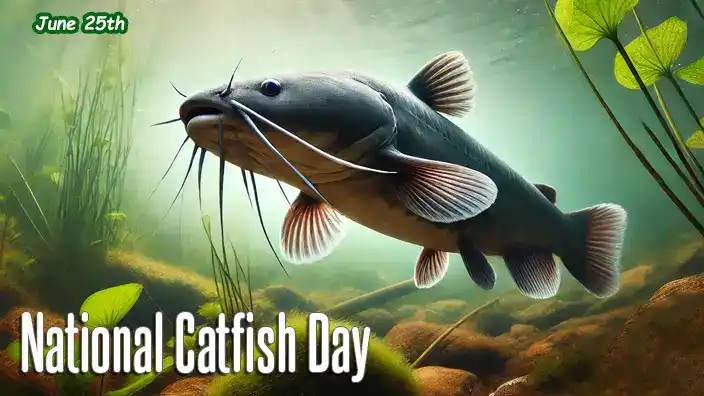
Now is the time for With a face only a mother could love and a mustache that would make any 19th-century gentleman jealous, this aquatic oddball glides through murky waters like a bottom-feeding philosopher, contemplating life one algae-covered snack at a time. Armed with an uncanny ability to sniff out a meal in total darkness and a habit of lurking in the depths like an underwater conspiracy theorist, it’s no wonder they’ve earned a reputation as both a delicacy and a legend. Whether fooling fishermen with a surprising tug on the line or pulling off the greatest disappearing act in a muddy river, this whiskered wonder is anything but ordinary.
Celebrated: Annually, on June 25th
Celebrate National Catfish Day by honoring the whiskered wonder of the water. Discover the significance of catfish cuisine, culture, and the fishing industry.


- Details
Of all the holidays on the calendar, Juneteenth might be the most powerful reminder that freedom doesn’t always arrive on schedule—but when it does, it changes everything. June 19th marks the day when the news finally caught up with the truth, when liberation long promised was at last spoken out loud in Texas. Juneteenth is part celebration, part reckoning, and part history lesson that still has a lot to teach us. It’s a day to honor resilience, acknowledge hard truths, and recognize that progress—while sometimes painfully late—has a way of ringing louder once it finally arrives.
Celebrated: Annually, on June 19th
Discover the history and significance of Juneteenth, a celebration of freedom for African Americans, marked annually on June 19th, and its evolution into a national holiday.

- Details
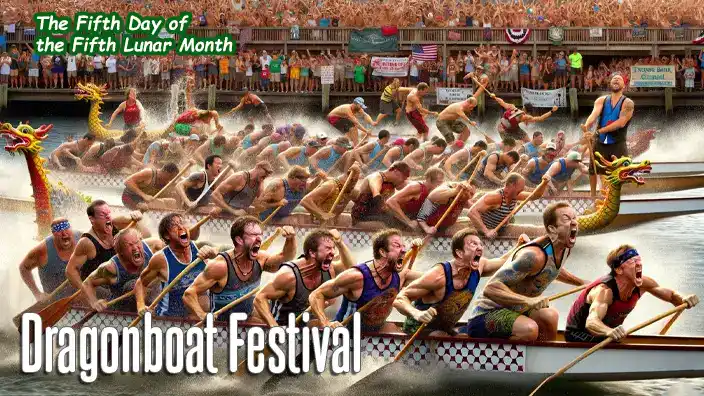
The Dragon Boat Festival isn’t just about synchronized paddling and cultural tradition—it’s also the only time you’ll see grown adults willingly cram into a narrow boat, row their hearts out to the beat of a drum, and argue over who’s throwing off the rhythm. Add a few overly enthusiastic drummers who think they’re leading a Viking raid instead of a race, and you’ve got the perfect recipe for chaos. And let’s not forget the post-race zongzi feast, where everyone debates whether sweet or savory fillings reign supreme, usually with mouths too full to make a convincing argument!
Celebrated: Annually, on the Fifth Day of the Fifth Lunar Month
Join the excitement of the Dragon Boat Festival, featuring intense races, teamwork, and the delicious zongzi, as cultures worldwide celebrate this ancient tradition.


- Details
Hugging a cat is a bit like defusing a bomb—you’ve got to be calm, precise, and ready to sprint if things go south. One moment, you're basking in the warm, fuzzy joy of feline affection; the next, you’re being swatted like an overconfident mosquito. Cats don’t mind being worshipped, but physical contact? That’s negotiable. They’ll allow a hug on rare occasions, usually when they're half-asleep, full of treats, or plotting something sinister. And if you survive the experience without a scratch, congratulations—you've just performed one of life’s most dangerous yet rewarding cuddles.
Celebrated: Annually, on June 4th
Discover the joy of National Hug Your Cat Day on June 4th! Learn about the history, benefits, and the art of hugging your feline friend with love and respect.

- Details
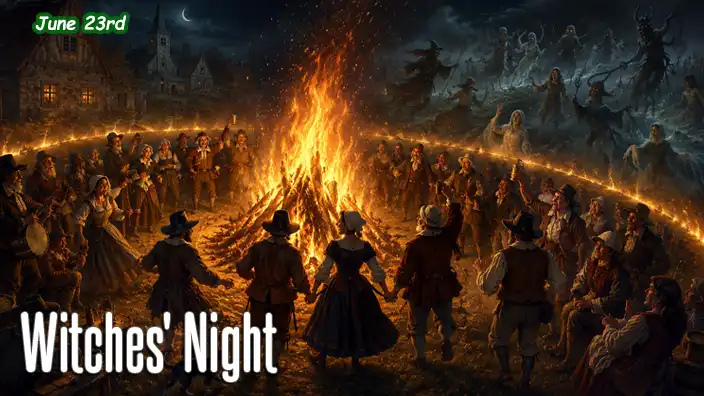
If there is one thing humanity has consistently proven, it's that given a warm summer evening, a large bonfire, and a few mysterious legends, we will happily stay up far later than we should. Witches' Night combines ancient midsummer celebrations, folklore, superstition, and community gatherings into one unforgettable occasion. Whether people were jumping over fires for good luck, collecting magical flowers, or keeping an eye out for suspiciously active witches, the night has long been filled with equal parts wonder, tradition, and the occasional questionable decision made after midnight.
Celebrated: Annually, on June 23rd
Discover the folklore, bonfires, superstitions, and midsummer traditions behind Witches' Night, one of Europe's most fascinating summer celebrations

- Details
Riding a bicycle is one of life’s greatest joys—right up until gravity remembers you exist. It starts off wholesome enough: wind in your hair, freedom in your soul, and that smug satisfaction that you’re saving the planet one pedal at a time. But then a squirrel darts out, your shoelace betrays you, or you remember mid-ride that you’re not twelve anymore and your knees now file complaints. Still, there’s nothing quite like the thrill of two wheels, zero gas, and just enough balance to make it look like you meant to hop that curb.
Celebrated: Annually, on June 3rd
Explore the history, benefits, and quirks of bicycles on World Bicycle Day. Learn about the evolution from dandy horses to safety bicycles and the enduring impact of cycling.

- Details
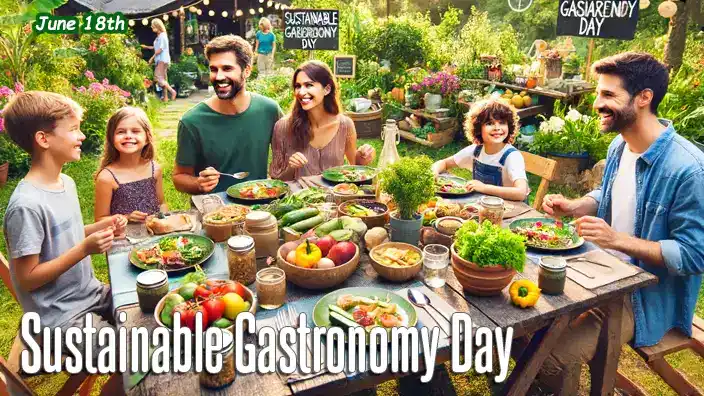
Of all the ways to save the planet, Sustainable Gastronomy Day might be the most enjoyable—because it asks us to do something truly heroic: eat thoughtfully and maybe finish what’s on our plate. This is the rare environmental cause that comes with good smells, full bellies, and zero protest signs. It’s about cooking and eating in ways that respect the Earth without punishing your taste buds, proving once and for all that “doing the right thing” doesn’t have to taste like cardboard. On June 18th, we celebrate the idea that the fork can be just as powerful as the soapbox—and far more satisfying.
Celebrated: Annually, on June 18th
Celebrate Sustainable Gastronomy Day on June 18th! Discover how eco-friendly cooking can save the planet while delighting your taste buds. Every bite counts!
From Our Marks Catelog
-
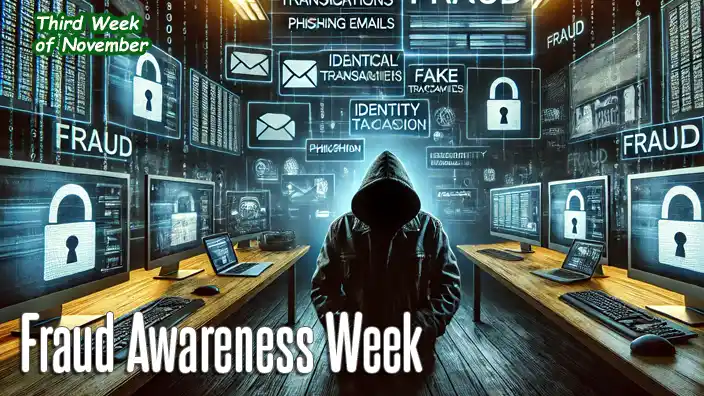
Fraudsters are like modern-day tricksters, but instead of selling snake oil, they’ve upgraded to...
-
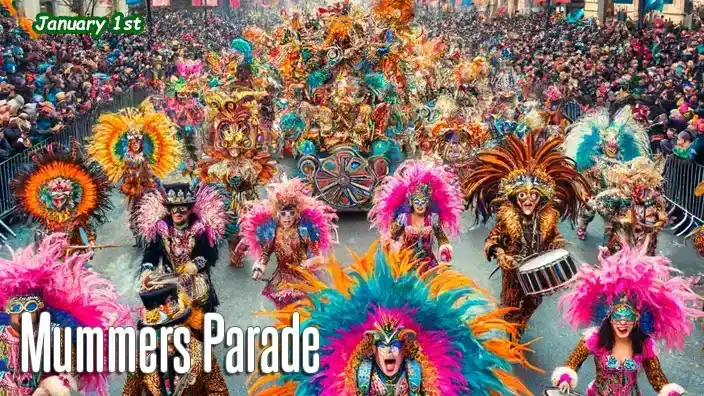
The Mummer's Parade in Philadelphia is like New Year's Day decided to throw on its most flamboyant...
-
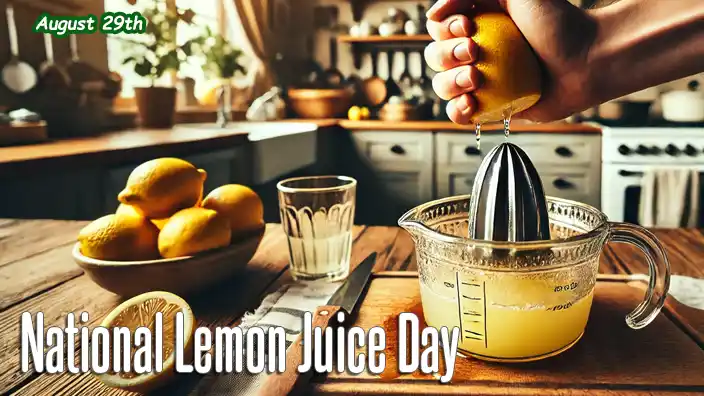
When life hands you one of those bright yellow orbs that practically scream "pucker up," you know...
-

If you’re going to pretend to be a princess, you might as well go all in. That means sweeping into...
-

National Adoption Awareness Month is a beacon of hope and transformation, illuminating the...
-

Certified nurses are like superheroes, only with stethoscopes instead of capes and an uncanny...

