Mark The Days - June

June doesn’t knock—it kicks the door open wearing sunglasses and dragging a cooler. School’s out, the days are long, and the air smells like SPF 50 and slightly burnt hot dogs. It’s when the grill gets promoted to full-time chef and the phrase “just one more s’more” starts ruining dinner plans. June’s holidays range from honoring dads to celebrating donuts, and frankly, both deserve equal praise. It’s the sweet spot between spring’s fussiness and summer’s chaos—sunny, breezy, and just a little too confident. Basically, June knows it's popular... and we let it be.

- Details
Superman is the only guy who can juggle planets before breakfast and still somehow get scolded by his boss for being late to work. Think about it—he can hear a pin drop in Paraguay, melt steel with his eyes, and fly faster than your Wi-Fi drops out during a Zoom call, yet he still hasn’t figured out that a pair of glasses isn’t foolproof identity protection. And while we’re at it, how does a man with X-ray vision and super-hearing never seem to know Lois is in danger until after the explosion? We love you, Supes, but maybe switch to decaf and keep your cape out of the fax machine.
Celebrated: Annually, on June 12th
Superman Day celebrates the legendary superhero from Krypton. Learn about his origins, powers, and how to join the festivities without leaping tall buildings.


- Details
Eating rotisserie chicken is a full-contact sport disguised as dinner. It starts off classy—you know, plate, napkin, maybe a side of steamed veggies to feel virtuous. But five minutes in, you’re ditching the utensils, elbows deep in crispy skin, and making prehistoric growling noises like a caveman discovering fire-roasted poultry. You swore you’d save half for tomorrow, but now you’re blacking out somewhere between the second drumstick and the moment you gnawed on the wishbone like it owed you money. It’s not just eating—it’s an experience, and you come out of it with grease on your fingers and absolutely no regrets.
Celebrated: Annually, on June 2nd
Celebrate National Rotisserie Chicken Day on June 2nd! Discover the history, global popularity, and delicious versatility of this beloved culinary staple.

- Details
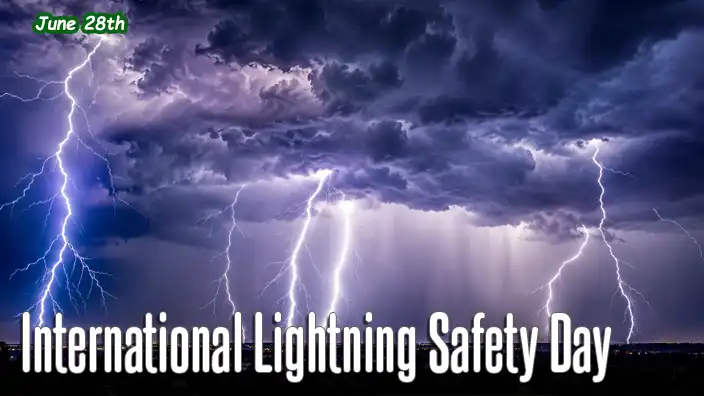
Thunderstorms have a way of reminding us who's really in charge of the weather. One minute you're enjoying a sunny afternoon, and the next you're counting the seconds between lightning and thunder while wondering if that picnic was perhaps a touch too ambitious. International Lightning Safety Day isn't about spoiling outdoor fun—it's about making sure the only shocking thing you experience is the weather forecast. A little common sense today can help ensure tomorrow's adventures don't include an unexpected encounter with millions of volts.
Celebrated: Annually, on June 28th
Celebrate International Lightning Safety Day by learning fascinating lightning facts, essential thunderstorm safety tips, and how to stay safe when storms strike


- Details
There’s a moment—somewhere between the second bite and the frosting-induced eye roll—when you realize this isn’t just dessert, it’s a full-blown experience. You don’t casually eat it; you commit to it. That coconut-pecan filling doesn’t politely sit on top like some dainty hat—it invades every layer like it owns the place. And let’s not forget the texture: one minute you’re chewing something soft and chocolatey, the next minute you’re wondering if a pecan just winked at you. It's not here to be neat or trendy—it’s here to unapologetically ruin your diet and possibly your shirt.
Celebrated: Annually, on June 11th
Uncover the story behind German Chocolate Cake, a dessert that's more American than German. Enjoy its rich layers and celebrate its day with delicious indulgence.


- Details
It’s not every day you encounter a fruit that looks like it could double as a medieval weapon. With its spiky armor and unapologetically tropical vibe, the pineapple is like the eccentric party guest who arrives wearing a Hawaiian shirt and instantly becomes the center of attention. It dares you to approach cautiously, rewards you with sweetness, and leaves you wondering how something so delicious could be so prickly. Truly, it’s nature’s way of saying, “Good things come with a little effort—and maybe a Band-Aid or two.”
Celebrated: Annually, on June 27th
Join the spiky celebration of sweetness! Learn about the pineapple's journey, culinary versatility, and how to enjoy this tropical delight on Pineapple Day.


- Details
Letting things go is a skill we all think we have—until we’re in the shower five years later, replaying an argument where we definitely should have said something wittier. Meanwhile, the other person has probably forgotten the entire conversation, moved on with their life, and is currently debating which sandwich to order. But here we are, gripping onto that grudge like a squirrel hoarding its last acorn for winter. The truth is, letting go isn’t about losing—it’s about winning back all that mental real estate currently occupied by things that don’t even pay rent. So go ahead, drop the baggage, free up some space, and maybe—just maybe—use that extra brainpower to finally remember why you walked into the kitchen in the first place.
Celebrated: Annually, on June 23rd
Celebrate National Let It Go Day on June 23rd by releasing negative emotions and embracing positivity. Learn how to let go and improve your well-being.


- Details
Rocky Road ice cream is what happens when chocolate decides it’s tired of playing it cool and invites marshmallows and nuts to throw a house party in your mouth. It’s the dessert equivalent of a surprise road trip with your weirdest (but most lovable) friends—messy, unpredictable, and full of questionable decisions you’ll absolutely make again. One bite and you’re not just eating ice cream—you’re committing to a flavor adventure with no seatbelts and extra fudge.
Celebrated: Annually, on June 2nd
Join the celebration of National Rocky Road Day. Explore the history, variations, and fun ways to enjoy this decadent dessert that blends chocolate, nuts, and marshmallows.


- Details
Cider is the socially acceptable way to say, “I’d like my apple juice to make bad decisions.” It’s the drink that lets you pretend you’re being healthy because, technically, it started as fruit. Cider walks the line between sweet and sassy, like a country fair that got a little too rowdy after sunset. Whether it’s crisp and dry or sugary enough to peel paint off a picnic table, cider doesn’t just quench your thirst—it slaps it on the back, buys it a round, and encourages it to dance on tables. Cheers to fermented apples and the questionable choices they inspire!
Celebrated: Annually, on June 3rd
Celebrate World Cider Day with apple enthusiasts worldwide. Explore the rich history, diverse styles, and quirky traditions of cider-making. Raise a glass and enjoy the apple-infused journey!


- Details
Oranges are like the overachievers of the fruit world. Not only do they deliver a burst of vitamin C to fend off colds, but their blossoms also moonlight as wedding decorations, essential oils, and gourmet ingredients. It’s like they looked at apples and said, “Oh, you think being a teacher’s pet is cool? Watch us make everyone swoon with our scent and spice up their dessert, too!” Even their flowers manage to outshine the competition, proving once again that oranges and their blossoms are the real rockstars of the citrus grove.
Celebrated: Annually, on June 27th
Explore the rich symbolism and delightful aesthetics of orange blossoms as we commemorate National Orange Blossom Day with captivating images.


- Details
World Tessellation Day is the one day a year when staring at the floor, the wallpaper, or your notebook margins isn’t procrastinating—it’s participation. Celebrated on June 17th, this delightfully nerdy holiday honors the endlessly repeating patterns that quietly hold our world together, one perfectly fitted shape at a time. Tessellations are what happen when math and art shake hands, agree not to leave gaps, and then refuse to stop repeating themselves. It’s mesmerizing, mildly brain-bending, and dangerously addictive—once you notice them, you’ll start seeing tessellations everywhere… including places you really should be paying attention to something else.
Celebrated: Annually, on June 17th
Celebrate World Tessellation Day on June 17th with math enthusiasts and artists. Discover the beauty of repeating patterns in art, nature, and everyday life.

- Details
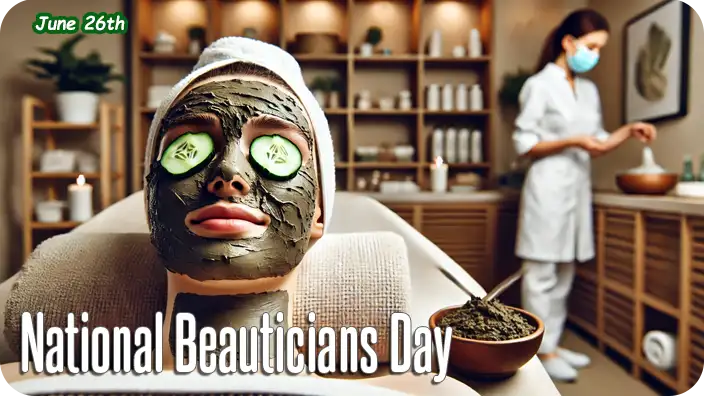
Beauticians are the warriors of transformation, wielding scissors and makeup brushes like magic wands. They have the uncanny ability to turn bedhead disasters into red carpet-ready looks and transform tired faces into glowing masterpieces. For those who wish to be beautified, a trip to the salon is like a mini vacation—without the sand in awkward places. They come in seeking a makeover and leave feeling like a million bucks, ready to face the world with their fabulous new 'do and a face that says, "I woke up like this...with a little help from my beautician."
Celebrated: Annually, on June 26th
Show appreciation for beauticians this National Beauticians Day by booking an appointment, leaving a generous tip, or writing a heartfelt thank-you note.


- Details
Rocky space potatoes zipping around the cosmos at breakneck speeds, asteroids are like the universe's version of unruly teenagers. You never quite know when one might show up unannounced, making a grand entrance with all the subtlety of a surprise party you never asked for. But fear not, these cosmic misfits also carry the secrets of our solar system's wild youth, making them the ultimate ancient storytellers—just with a bit more dramatic flair!
Celebrated: Annually, on June 30th
Discover the cosmic celebration of International Asteroid Day on June 30th, uniting space enthusiasts worldwide to raise awareness about asteroids and their impact on our planet.


- Details
There’s a reason nobody ever says, “You know what this needs? Less vanilla.” The vanilla milkshake is the quiet overachiever of the dessert world—no flashy colors, no wild promises, just smooth, creamy confidence in a glass. It doesn’t shout for attention like its chocolate and strawberry cousins; it simply shows up, does its job perfectly, and leaves you wondering why you ever bothered with anything else. Sometimes the classic isn’t just good—it’s the reason everything else exists in the first place.
Celebrated: Annually, on June 20th
Learn something of the history of vanilla milkshakes, how to make one, and fun ways to celebrate this timeless treat.


- Details
It has the uncanny ability to ruin your shirt, fix your mood, and disappear from the freezer at alarming speed—all in one sitting. It doesn’t judge your life choices, doesn’t care if it’s breakfast time, and somehow tastes better when eaten straight from the container while standing in front of an open fridge. It’s the edible equivalent of a warm hug from someone who also brought brownies.
Celebrated: Annually, on June 7th
Celebrate National Chocolate Ice Cream Day on June 7th by diving into the rich history and delightful flavors of this beloved frozen treat. Indulge and enjoy!


- Details
Zooming past you with the elegance of a gazelle and the roar of a lion, the Corvette is the automotive equivalent of a rockstar—demanding attention and leaving fans breathless. It’s like driving a thunderstorm wrapped in sleek fiberglass, with each rev of the engine sounding like applause from an adoring crowd. If cars were awarded gold records, the Corvette would have a wall full of them.
Celebrated: Annually, on June 30th
Discover the Corvette's journey from its fiberglass origins to Hollywood fame and its evolution into a supercar rivaling European exotics in performance and style.


- Details
D-Day was not just a military operation—it was a moment when the fate of the free world hung in the balance. On June 6, 1944, thousands of Allied soldiers stormed the beaches of Normandy, knowing full well the odds they faced. They were young, brave, and burdened with a mission larger than themselves: to liberate a continent and end a brutal tyranny. The cost was staggering, the sacrifice immeasurable. Yet they pressed forward—through gunfire, through chaos, through fear—because they believed in something greater: freedom, duty, and the hope of peace. Their courage changed the course of history, and the weight of their sacrifice continues to echo through the generations.
Celebrated: Annually, on June 6th
Explore D-Day, June 6, 1944, when Allied forces launched history’s largest amphibious invasion and secured a foothold in Western Europe.


- Details
World Refill Day exists because, at some point, humanity collectively decided that throwing things away after five minutes was a perfectly reasonable lifestyle choice. Celebrated on June 16th, this day gently (and not-so-gently) points the finger at our habit of treating the planet like it has an infinite supply of lids, liners, and backup Earths waiting in storage. Spoiler alert: it doesn’t. World Refill Day is here to remind us that the mess didn’t make itself—and the solution might be as simple as remembering the reusable bottle sitting patiently on your kitchen counter, wondering why you keep betraying it.
Celebrated: Annually, on June 16th
Celebrate World Refill Day by embracing refillable items over single-use ones. Learn about the origins, benefits, and fun tips to join the refill revolution for a sustainable future.


- Details
Welcome to Fresh Veggies Day—the annual reminder that vegetables have been patiently waiting their turn while we kept ordering pizza like it was a food group. This is the day leafy greens stop being “that thing on the side” and take center stage, quietly judging us for every time we said, “I’ll eat better tomorrow.” Fresh Veggies Day celebrates the crunchy, colorful produce that’s been trying to help us all along, despite being boiled into submission, hidden under cheese, or ignored entirely in favor of anything deep-fried. Love them or merely tolerate them, today’s about admitting one uncomfortable truth: the vegetables were right, and we probably owe them an apology.
Celebrated: Annually, on June 16th
Celebrate Fresh Veggies Day, a special day dedicated to honoring the humble yet essential vegetables in our diets. Discover fun ways to enjoy and appreciate fresh produce.

From Our Marks Catelog
-

Brussels sprouts: the tiny green orbs that have been sparking dinner table debates for...
-
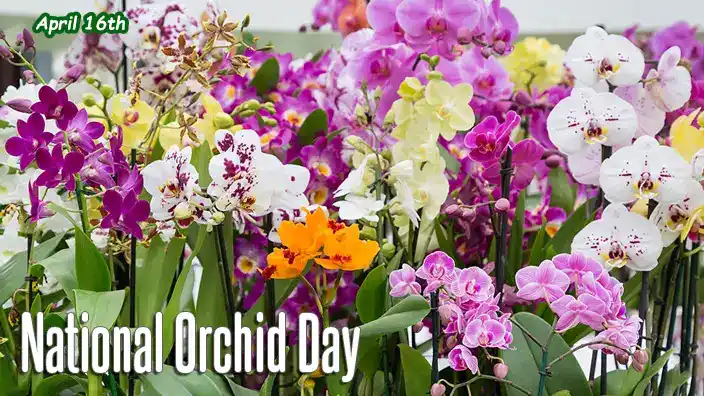
Elegance, mystery, and just the right amount of arrogance—some things demand admiration without lifting...
-
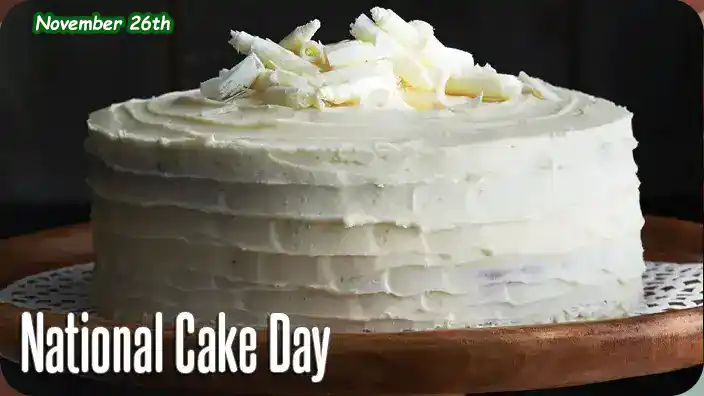
National Cake Day is the one day of the year when it's socially acceptable to have your cake and eat...
-

Forget glow-in-the-dark snack cakes and cheese that comes in a spray can—there’s something wildly...
-

If there were an Olympic event for clumsiness, someone would be rolling down the hill, missing their...
-
Gazpacho Soup Day isn’t just a day to honor cold tomato soup; it’s a day to revel in the absurdity of...

