Mark The Days - June

June doesn’t knock—it kicks the door open wearing sunglasses and dragging a cooler. School’s out, the days are long, and the air smells like SPF 50 and slightly burnt hot dogs. It’s when the grill gets promoted to full-time chef and the phrase “just one more s’more” starts ruining dinner plans. June’s holidays range from honoring dads to celebrating donuts, and frankly, both deserve equal praise. It’s the sweet spot between spring’s fussiness and summer’s chaos—sunny, breezy, and just a little too confident. Basically, June knows it's popular... and we let it be.

- Details
Logistics is like a high-stakes game of Tetris, but with trucks, ships, and planes instead of colorful blocks. Imagine coordinating a symphony where every instrument is a different mode of transportation, and the conductor is a caffeine-fueled genius who can juggle spreadsheets and navigate traffic jams without breaking a sweat. It’s all about making sure your package of rubber chickens arrives on time, because let’s face it, the world can’t wait for that kind of delivery!
Celebrated: Annually, on June 28th
Discover modern commerce on National Logistics Day, celebrating the intricate world of logistics that ensures the efficient movement of goods worldwide.


- Details
National Meteor Watch Day is the only holiday where lying flat on your back and staring into space is considered both productive and impressive. No one’s asking for reports, no one expects results—you just show up, look up, and hope the universe throws you a quick light show before you start wondering if that “shooting star” was actually just a satellite or your neighbor’s drone.
Celebrated: Annually, on June 30th
We are celebrating National Meteor Watch Day with a fun, factual guide to meteors, meteor showers, and how to enjoy the night sky.


- Details
Waking up at 6 a.m. on a Sunday to the sound of something suspiciously slimy hitting the kitchen floor isn’t exactly what most adults dream of—but somehow, it becomes routine. The world's tiniest negotiators can argue why cookies qualify as a breakfast food with the skill of a seasoned lawyer and still cry over the color of their socks. They ask questions you’re absolutely not prepared for (“Where does the sky end?”) and proudly present you with artwork that may or may not be a dinosaur—or a sandwich. Life with them is a delightful mix of mystery, mayhem, and moments that make you laugh when you’re supposed to be stern.
Celebrated: Annually, on the Second Sunday in June
Celebrate National Children's Day, a joyful occasion to honor the curiosity and chaos of kids, and reflect on the wonders of childhood with playful activities.


- Details
National Apple Strudel Day is what happens when history, butter, and bad self-control all agree to look the other way. It’s a dessert so flaky it sheds crumbs like evidence, so stuffed with apples and cinnamon it probably counts as emotional support, and so good it convinces sensible adults that a third slice is “basically research.” On June 17th, we celebrate the rolled pastry that turns restraint into a rumor and transforms kitchens into sugar-dusted crime scenes—because if you’re going to indulge, you might as well do it with powdered sugar on your shirt and zero regrets.
Celebrated: Annually, on June 17th
Celebrate National Apple Strudel Day on June 17th! Discover the history, recipes, and fun ways to enjoy this delectable pastry. Join the celebration of this sweet delight.


- Details
Look, we corals have been doing our job quietly for millions of years—building reef cities, hosting fish parties, and holding the ocean floor together like the world’s soggiest Jenga tower. But lately? We're bleaching faster than a pair of jeans in the ’80s. Between the rising temps, plastic confetti, and sunscreen that burns like lava, we’re stressed out! We're the architects of the sea, the landlords of the lagoon, and frankly, we’d like a little less acid in our water and a lot more respect for the real estate we provide. Throw us a lifeline, not a plastic straw, will ya?
Celebrated: Annually, on June 9th
Discover the importance of Coral Triangle Day, celebrated on June 9th, to raise awareness and promote conservation of this vital marine ecosystem spanning six countries.


- Details
Before your phone buzzes to tell you the time (again), National Watch Day reminds us that watches were doing the job long before glass screens ruled our pockets. A good watch doesn’t need charging, updating, or permission to interrupt dinner—it just sits there quietly, ticking away like it has somewhere important to be. From heirloom mechanical marvels to wrist gadgets that think they know you better than you do, watches remain one of humanity’s most elegant solutions to a universal problem: figuring out how late we are. Today, we tip our hats—and our wrists—to the small machines that have been keeping us punctual, fashionable, and occasionally smug for centuries.
Celebrated: Annually, on June 19th
Celebrate National Watch Day, honoring the artistry and history of watches. From classic timepieces to modern smartwatches, explore their enduring charm.


- Details
If dogs had a parade of confidence, the Dachshund would lead it... despite having the shortest legs in attendance. Long on body, short on height, and absolutely overflowing with personality, these fearless little hounds have spent centuries proving that bravery isn't measured in inches. Whether they're chasing squirrels, burrowing under blankets, or barking at absolutely everything that dares approach the front door, Dachshunds tackle life with enthusiasm, determination, and just enough stubbornness to keep their owners thoroughly entertained.
Celebrated: Annually, on June 21st
They may be short on legs, but Dachshunds are giants in personality. Discover why these lovable long dogs have charmed families for generations


- Details
It’s the dessert that defies logic, gravity, and possibly your waistband—the Black Cow. Part soda, part ice cream, and all chaos, it’s what happens when fizzy ambition meets frozen dairy and says, “Let’s make a mess worth remembering.” One minute it's a perfectly poured root beer, the next it's foaming over like a science fair volcano gone rogue. And yet, we love it. Why? Because it’s not just a drink—it’s a full experience. It tickles your nose, drips down your hand, and makes you feel like a kid whose biggest worry is whether you’ll get the last cherry.
Celebrated: Annually, on June 10th
Celebrate National Black Cow Day on June 10th with a root beer float. Discover the nostalgic joy of this creamy, fizzy treat, perfect for any dessert lover.


- Details
Eating rotisserie chicken is a full-contact sport disguised as dinner. It starts off classy—you know, plate, napkin, maybe a side of steamed veggies to feel virtuous. But five minutes in, you’re ditching the utensils, elbows deep in crispy skin, and making prehistoric growling noises like a caveman discovering fire-roasted poultry. You swore you’d save half for tomorrow, but now you’re blacking out somewhere between the second drumstick and the moment you gnawed on the wishbone like it owed you money. It’s not just eating—it’s an experience, and you come out of it with grease on your fingers and absolutely no regrets.
Celebrated: Annually, on June 2nd
Celebrate National Rotisserie Chicken Day on June 2nd! Discover the history, global popularity, and delicious versatility of this beloved culinary staple.


- Details
If there were a Hall of Fame for snacks that refuse to quit, jerky would already have a bronze bust and a slightly aggressive plaque. National Jerky Day honors the stubborn strip of seasoned meat that laughs in the face of refrigeration, demands jaw commitment, and somehow turns road trips, hikes, and desk drawers into survival missions. It’s salty, smoky, occasionally sweet, and always convinced it’s tougher than you are. Love it or fear it, jerky doesn’t ask permission — it just dares you to chew faster.
Celebrated: Annually, on June 12th
Dive into the world of jerky at a tasting party, making your own and trying exotic flavours. Celebrate the snack that’s been a human staple since ancient times.


- Details
Milk is the only drink that shows up to breakfast like it owns the place, dives into your coffee without complaining, and somehow gets promoted into cheese, yogurt, and ice cream like it’s collecting job titles for fun. It’s the ultimate overachiever—quiet, dependable, and always one step away from becoming something delicious. Meanwhile, it just sits in the fridge looking innocent… while silently reminding you that you absolutely didn’t need that third cookie you dunked in it five minutes ago.
Celebrated: Annually, on June 1st
Celebrate World Milk Day on June 1st, a global event that highlights the nutritional benefits and cultural significance of milk. Discover fun ways to join the festivities.


- Details
It’s the ninja of the office supply world—silent, reliable, and always vanishing when you need it most. The ballpoint pen may not come with Wi-Fi, but it’s written more history, sealed more deals, and doodled more bored meeting monsters than any high-tech gadget ever could. It never judges your handwriting, never needs charging, and doubles as a fidget toy, drumstick, or emergency hair bun holder in a pinch. Sure, it’s been chewed, clicked into oblivion, and occasionally found melted in a car cupholder, but it still shows up, ready to write... even if it takes a few aggressive scribbles on a napkin first.
Celebrated: Annually, on June 10th
Celebrate National Ballpoint Pen Day on June 10th by honoring the humble pen that has been a steadfast companion in writing history and everyday notes.


- Details
Riding a bicycle is one of life’s greatest joys—right up until gravity remembers you exist. It starts off wholesome enough: wind in your hair, freedom in your soul, and that smug satisfaction that you’re saving the planet one pedal at a time. But then a squirrel darts out, your shoelace betrays you, or you remember mid-ride that you’re not twelve anymore and your knees now file complaints. Still, there’s nothing quite like the thrill of two wheels, zero gas, and just enough balance to make it look like you meant to hop that curb.
Celebrated: Annually, on June 3rd
Explore the history, benefits, and quirks of bicycles on World Bicycle Day. Learn about the evolution from dandy horses to safety bicycles and the enduring impact of cycling.


- Details
If sand had a personality, it would be that one friend who refuses to sit still—always shifting, always drifting, and somehow ending up everywhere you don’t want it. World Sand Dune Day is our chance to tip our hats to these wind-built wonders that look peaceful from a distance but turn into a full-blown workout the moment you try to climb one. They may not make life easy on your calves, but they quietly protect coastlines, shelter wildlife, and prove that even a pile of sand can hold its ground better than most of us after a long day.
Celebrated: Annually, on the Last Saturday in June
Grab a Camel and come with us for Sand Dune Day. We'll learn how dunes protect coastlines, support wildlife, and shape stunning landscapes around the world


- Details
Of all the holidays on the calendar, Juneteenth might be the most powerful reminder that freedom doesn’t always arrive on schedule—but when it does, it changes everything. June 19th marks the day when the news finally caught up with the truth, when liberation long promised was at last spoken out loud in Texas. Juneteenth is part celebration, part reckoning, and part history lesson that still has a lot to teach us. It’s a day to honor resilience, acknowledge hard truths, and recognize that progress—while sometimes painfully late—has a way of ringing louder once it finally arrives.
Celebrated: Annually, on June 19th
Discover the history and significance of Juneteenth, a celebration of freedom for African Americans, marked annually on June 19th, and its evolution into a national holiday.

- Details
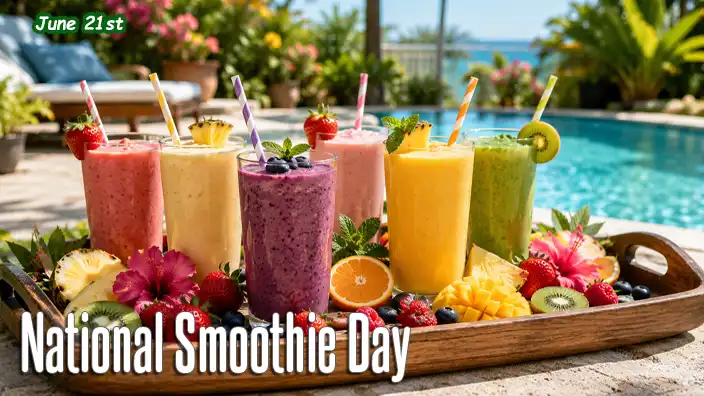
Smoothies are the only food group where you can toss spinach, peanut butter, frozen mango, and a scoop of mystery powder into a blender and somehow convince yourself it's a healthy decision. They’re like nature’s milkshake—with a passport and a gym membership. Sure, they sometimes taste like the inside of a lawnmower, but add a banana and suddenly it’s a tropical vacation in a cup. And let’s not forget the smug satisfaction of walking around with one—bonus points if it’s in a mason jar and you’re wearing yoga pants (even if you're just going to the couch).
Celebrated: Annually, on June 21st
Explore the vibrant history and health benefits of smoothies, a drink that has evolved from humble beginnings to a beloved global staple. Join the celebration!


- Details
There are two kinds of people in this world: those who look at a giant fabric balloon filled with fire and say, “Absolutely not,” and those who say, “What a lovely way to spend a morning.” Hot Air Balloon Day is for the brave souls in the second group—the ones willing to climb into a wicker basket, rise quietly into the sky, and trust that a little heat, a lot of fabric, and a calm breeze will handle the rest. It’s peaceful, it’s beautiful… and just daring enough to make your morning coffee feel like it needs to step up its game.
Celebrated: Annually, on June 5th
Discover the history and joy of Ballooning on Hot Air Balloon Day, from the first flight in 1783 to modern festivals


- Details
Choosing to stay off drugs is one of the most powerful decisions you can make for your future. Drugs promise a fleeting escape but deliver lasting damage to your health, relationships, and dreams. By saying no to drugs, you’re saying yes to a clear mind, a healthy body, and the freedom to chase your goals unencumbered. Remember, your life is too valuable to waste on a temporary high. Stay strong, stay clean, and stay in control.
Celebrated: Annually, on June 26th
Explore the complexities of the global drug problem, including its effects on health, youth, and the environment, and learn how to contribute to solutions.

From Our Marks Catelog
-

Brussels sprouts: the tiny green orbs that have been sparking dinner table debates for...
-
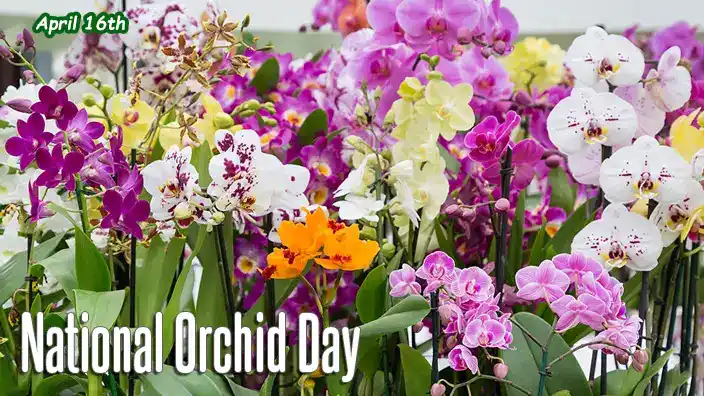
Elegance, mystery, and just the right amount of arrogance—some things demand admiration without lifting...
-
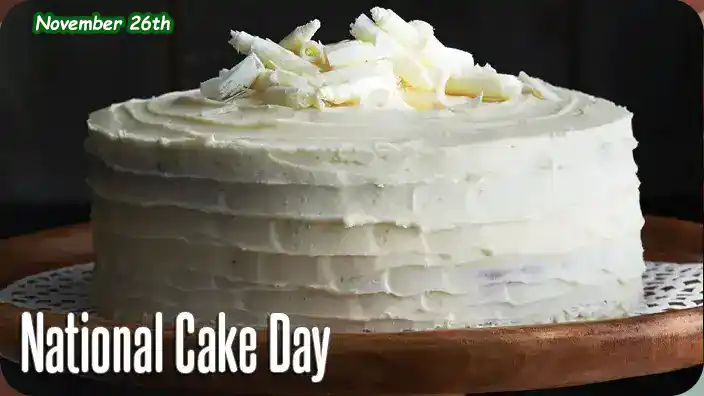
National Cake Day is the one day of the year when it's socially acceptable to have your cake and eat...
-

Forget glow-in-the-dark snack cakes and cheese that comes in a spray can—there’s something wildly...
-
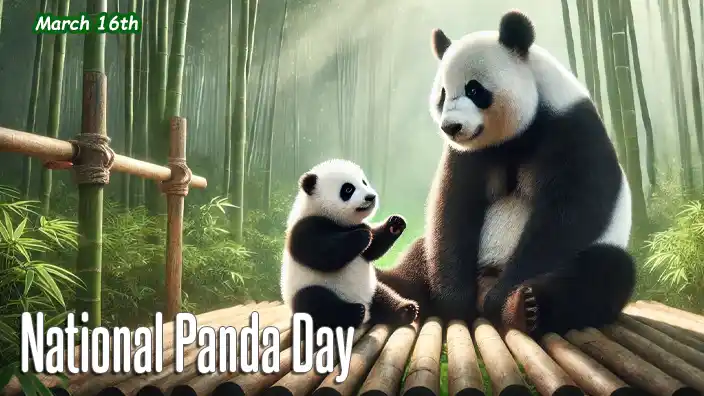
If there were an Olympic event for clumsiness, someone would be rolling down the hill, missing their...
-
Gazpacho Soup Day isn’t just a day to honor cold tomato soup; it’s a day to revel in the absurdity of...

