Celebrating Dolls, Imagination, and Childhood Memories
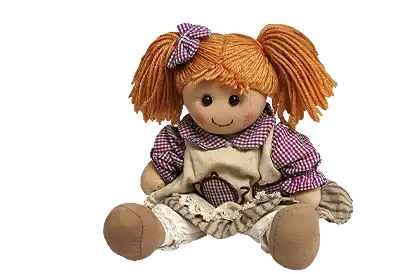
World Doll Day is celebrated each year on the second Saturday in June and honors one of the most beloved toys in human history. From handmade rag dolls and porcelain collectibles to action figures and modern fashion dolls, dolls have entertained children, inspired imaginations, and become treasured keepsakes for generations.
While dolls may seem like simple toys, they often carry powerful memories. Many people can still remember the doll they received as a child, whether it was carefully dressed and displayed on a shelf or dragged through countless adventures before finally retiring with a missing shoe and a remarkable amount of mysterious haircuts.
World Doll Day encourages people of all ages to appreciate the history, artistry, and joy that dolls bring to our lives.
The History of World Doll Day
World Doll Day was created by doll collector, author, and educator Mildred Seeley, who believed dolls could bring joy, comfort, and connection to people of all ages. A lifelong advocate for doll collecting and doll education, Seeley spent decades promoting the appreciation of dolls as both cherished toys and valuable cultural artifacts. In 1986, she established World Doll Day to celebrate the role dolls play in people's lives and to encourage generosity by sharing dolls with others.
Unlike many holidays that focus solely on collecting or purchasing items, World Doll Day was founded with a spirit of kindness and giving. Mildred Seeley encouraged doll enthusiasts to donate dolls to children, hospitals, nursing homes, shelters, and charitable organizations. Her vision was simple but powerful: a doll could brighten someone's day, spark a child's imagination, or provide comfort during a difficult time. The holiday quickly gained support among collectors, doll clubs, museums, and hobby organizations that embraced this message of goodwill.
Seeley's influence within the doll-collecting community was significant. She authored books on doll collecting, organized educational events, and helped promote the preservation of doll history. Through her efforts, many collectors came to view dolls not only as playthings but also as miniature pieces of art, history, and culture. Her work helped raise awareness of antique dolls, artist-made dolls, and dolls from different countries and traditions.
As World Doll Day grew in popularity, celebrations began appearing across the United States and in other countries. Doll clubs organized exhibitions, collectors opened displays to the public, and community groups hosted events designed to introduce new generations to the hobby. Museums featuring doll collections also began using the day as an opportunity to educate visitors about the history and craftsmanship behind their exhibits.
Today, World Doll Day remains true to Mildred Seeley's original purpose. It continues to celebrate dolls as sources of creativity, learning, and happiness while encouraging people to share them with others. Whether someone treasures an antique porcelain doll, collects modern fashion dolls, or simply remembers a beloved childhood companion, the holiday reminds us that even a simple doll can create lasting memories and meaningful connections across generations.

The Long History of Dolls
Dolls are among the oldest toys ever created, with a history that stretches back thousands of years. Long before video games, board games, and even printed books, children were using dolls to play, learn, and imitate the world around them. Archaeologists have discovered dolls dating back more than 4,000 years, proving that the desire to create miniature human figures is nearly as old as civilization itself.
Some of the earliest known dolls were found in ancient Egypt, where children played with figures made from wood, cloth, and other natural materials. These dolls often featured painted faces, simple clothing, and movable limbs. Similar discoveries have been made in ancient Greece and Rome, where dolls served both as toys and as objects with cultural or religious significance. In some cases, young women would dedicate their childhood dolls to a goddess before marriage as a symbolic step into adulthood.
Throughout the Middle Ages, dolls continued to be popular across Europe, although they were often handmade by parents or local craftsmen. Materials such as wood, fabric, leather, and straw were commonly used. Because every doll was made by hand, no two were exactly alike. Many dolls reflected local clothing styles and customs, giving modern historians valuable insights into everyday life during different periods of history.
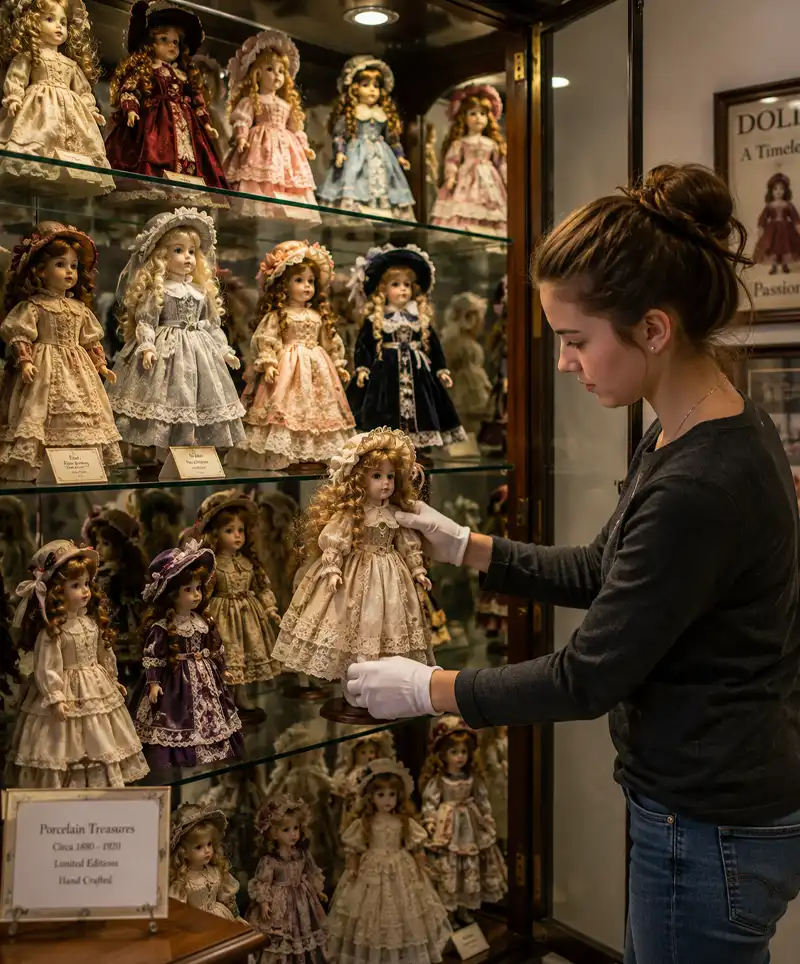
The 18th and 19th centuries saw major advances in doll-making. Skilled artisans began producing dolls with more realistic features, detailed clothing, and improved craftsmanship. Porcelain dolls became especially popular among wealthier families, while wooden and cloth dolls remained common among ordinary households. During this period, dolls were often used not only as toys but also as educational tools that helped children learn social customs, sewing skills, and household responsibilities.
As industrialization spread during the late 19th and early 20th centuries, dolls became more widely available. Factories could produce dolls in large quantities, making them affordable for many families. New materials such as composition, celluloid, and later plastic allowed manufacturers to create durable dolls with increasingly lifelike appearances. Doll companies began producing a wide variety of characters, baby dolls, fashion dolls, and collectible figures.
The post-World War II era transformed the doll industry even further. Dolls became more diverse in appearance, style, and purpose. The introduction of Barbie in 1959 changed the fashion doll market forever, while other popular dolls such as Raggedy Ann, Cabbage Patch Kids, American Girl dolls, and countless international favorites captured the imaginations of children around the world. Each generation embraced its own doll trends, often reflecting changing fashions, cultural values, and technological innovations.
Today, dolls remain popular as toys, collectibles, artistic creations, and historical artifacts. Museums preserve rare examples from centuries past, while collectors continue to search for antique treasures and limited-edition releases. At the same time, children continue to create adventures, friendships, and imaginary worlds with dolls, much as children did thousands of years ago. The materials may have changed, but the appeal of dolls has remained remarkably consistent throughout human history.
From ancient Egyptian playthings to modern collectibles worth thousands of dollars, dolls have entertained, educated, comforted, and inspired people across generations. Their enduring popularity is a reminder that sometimes the oldest toys are also the ones with the longest stories to tell.
Why People Love Dolls
Dolls have remained popular because they encourage imagination and creativity. Children often create stories, adventures, and entire worlds around their dolls, helping develop communication and social skills through imaginative play.
For adults, dolls can represent nostalgia, artistry, and history. Collectors often focus on specific types of dolls, including antique dolls, fashion dolls, character dolls, artist-created dolls, and cultural dolls from different regions of the world.
Many dolls are admired for their craftsmanship. Detailed facial features, handcrafted clothing, and carefully designed accessories can transform a doll into a miniature work of art.
Of course, some dolls also survive years of enthusiastic play and emerge looking as though they have completed several military deployments and at least one expedition into unknown territory.
How to Celebrate World Doll Day
World Doll Day is the perfect opportunity to appreciate the dolls that have brought joy, comfort, and creativity to people throughout history. Whether you are a serious collector, a casual enthusiast, or simply someone who fondly remembers a favorite childhood doll, there are plenty of meaningful and enjoyable ways to celebrate the occasion.
One of the most fitting ways to observe the holiday is by following the vision of founder Mildred Seeley and sharing a doll with someone else. Donating new dolls to children's charities, hospitals, shelters, community organizations, or holiday toy drives can help brighten a child's day and create lasting memories. Even a small act of generosity can have a significant impact, which was one of the central ideas behind the creation of World Doll Day.
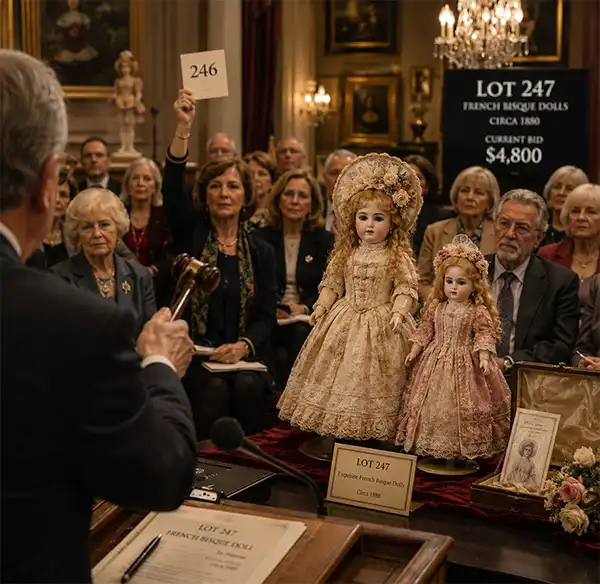
Collectors often use the day to showcase and enjoy their collections. Some spend time cleaning display cases, researching the history of particular dolls, or documenting rare pieces. Others attend doll shows, collector conventions, museum exhibits, or local club meetings where they can meet fellow enthusiasts and learn more about the hobby. World Doll Day provides a wonderful excuse to spend a few hours admiring dolls without anyone questioning why a shelf full of miniature Victorian ladies seems to require so much attention.
Families can make the day especially memorable by introducing children to dolls from different cultures, time periods, and traditions. Exploring how dolls have evolved throughout history can be both educational and entertaining. Children may enjoy creating stories for their dolls, organizing a tea party, designing doll clothing, or building miniature homes and accessories. Activities like these encourage creativity while helping children develop storytelling and social skills.
Another enjoyable way to celebrate is by restoring or repairing older dolls. Many antique and vintage dolls can be carefully cleaned, repaired, or preserved for future generations. For some families, this becomes a way to connect with family history as treasured dolls are passed from grandparents to parents and then to children. A doll that has survived decades of play, several moves, and perhaps an unfortunate haircut administered by a determined five-year-old often carries memories that are just as valuable as the doll itself.
Educational organizations, libraries, museums, and historical societies may also host special exhibits or presentations focusing on doll history and craftsmanship. Visiting one of these events can provide fascinating insights into how dolls reflect the fashions, customs, and values of different cultures and eras. Many people are surprised to discover that dolls can serve as miniature time capsules of history.
Some people celebrate World Doll Day by photographing their collections and sharing them online. Social media has allowed collectors from around the world to connect, exchange information, and display unique dolls that might otherwise never be seen by the public. Whether the collection consists of antique porcelain dolls, fashion dolls, character dolls, or handmade creations, the holiday offers a chance to share that passion with others.
Ultimately, World Doll Day is about more than dolls themselves. It is a celebration of imagination, creativity, craftsmanship, history, and generosity. Whether you donate a doll, display a treasured collectible, learn something new about doll history, or simply revisit fond childhood memories, the holiday offers a wonderful opportunity to appreciate these timeless companions and the joy they continue to bring to people of all ages.
Famous Dolls Through the Years
Throughout history, certain dolls have become cultural icons, capturing the imagination of children and collectors alike. Some achieved fame through books, movies, and television, while others became household names through toy stores and advertising. These dolls often reflect the fashions, values, and interests of the generations that embraced them, making them fascinating snapshots of popular culture.
One of the most recognizable dolls of all time is Barbie, introduced by Mattel in 1959. Created by Ruth Handler, Barbie revolutionized the doll industry by offering children a fashion doll that represented adulthood rather than infancy. Over the decades, Barbie has appeared in thousands of different careers, outfits, and themed collections. From astronaut and doctor to athlete and entrepreneur, Barbie has continually evolved to reflect changing times and inspire imaginative play.
Long before Barbie arrived, Raggedy Ann had already become one of America's most beloved dolls. Created by author Johnny Gruelle in the early 20th century, Raggedy Ann first appeared in books before becoming a popular toy. With her red yarn hair, cheerful smile, and simple cloth construction, she remains a symbol of childhood nostalgia and one of the most recognizable rag dolls ever produced.
The 1980s brought the arrival of Cabbage Patch Kids, whose popularity created one of the most famous toy crazes in history. During the 1983 holiday season, demand became so intense that shoppers lined up for hours and stores struggled to keep the dolls in stock. Each Cabbage Patch Kid came with a unique name and adoption certificate, encouraging children to feel they were welcoming a new member into the family rather than simply purchasing a toy.
American Girl dolls, introduced in 1986, added an educational twist to doll collecting. Each doll came with books that explored different periods of American history through the experiences of fictional characters. The combination of storytelling, historical education, and high-quality craftsmanship helped make American Girl one of the most successful doll brands ever created.
Collectors also hold great admiration for Madame Alexander dolls. Founded in the 1920s by Beatrice Alexander, the company became known for producing beautifully crafted dolls inspired by literature, royalty, history, and popular culture. Many Madame Alexander dolls are prized collectibles and remain highly sought after by enthusiasts around the world.
Internationally, dolls have taken many forms. Japan's traditional Kokeshi dolls, Russia's Matryoshka nesting dolls, Germany's antique bisque dolls, and countless regional folk dolls all showcase the artistic traditions and cultural heritage of their countries. These dolls often serve as both toys and works of art, preserving customs and craftsmanship that have been passed down through generations.
Of course, not every famous doll came from a toy store. Characters such as Annabelle from horror films, the dolls featured in Toy Story, and numerous television and movie characters have become famous in their own right. Fortunately, most real dolls spend their evenings quietly sitting on shelves rather than coming to life when nobody is looking.
From Raggedy Ann and Barbie to Cabbage Patch Kids and American Girl dolls, famous dolls have entertained, educated, and inspired generations. Their enduring popularity demonstrates how a simple doll can become much more than a toy, serving as a treasured companion, a collectible, a cultural icon, or a cherished reminder of childhood.
Fun Facts About Dolls
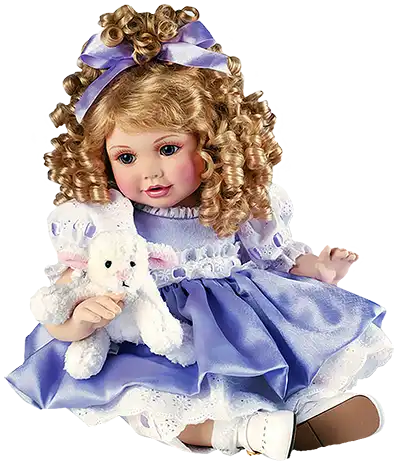
Before you straighten a doll's dress, brush its hair, or wonder how one tiny toy accumulated an entire wardrobe, take a moment to appreciate the fascinating history behind these beloved companions. Dolls have traveled through thousands of years of human history, survived changing fashions, and inspired countless adventures. Some are valuable collectibles, while others are treasured simply because they belonged to someone special.
- Some of the oldest known dolls are more than 4,000 years old.
- Ancient dolls were made from materials such as wood, clay, ivory, and cloth.
- Barbie was first introduced in 1959.
- Doll collecting is one of the world's most popular hobbies.
- Some antique dolls can sell for thousands of dollars.
- Museums around the world maintain collections dedicated entirely to dolls.
- Dolls often reflect the clothing and customs of the era in which they were made.
Why World Doll Day Matters
World Doll Day celebrates more than toys. It recognizes creativity, craftsmanship, history, and the power of imagination. The holiday also honors Mildred Seeley's vision of sharing kindness through dolls and helping bring happiness to others.
Whether you are a collector, a parent, a grandparent, or someone who still remembers a favorite childhood doll, World Doll Day offers a wonderful opportunity to celebrate a timeless tradition that continues to connect generations around the world.