Celebrating Centuries of Service and Camouflage
June 14 is a special day in American history. It marks the birthday of the United States Army, the oldest branch of the U.S. Armed Forces and an organization that has been serving the nation since 1775. For more than two and a half centuries, soldiers have stood watch through wars, disasters, peacekeeping missions, and countless moments when their country needed them most.
Now, before we go any further, I should point out that this article was assigned to me by my editor, a Marine. Naturally, he found this highly amusing. As a Navy veteran, I suspect he enjoyed watching me write several thousand words praising a service whose idea of a pleasant day involves sleeping in mud, carrying heavy objects uphill, and volunteering for activities that seem specifically designed to make a sailor appreciate life at sea.
Good-natured military rivalry aside, the Army has earned the respect of generations of Americans. From the Continental Army led by George Washington to the highly trained force that serves today, soldiers have played a central role in shaping the nation's history. On United States Army Birthday, we celebrate their service, honor their sacrifices, and take a look at the remarkable story of America's oldest military branch.
What Is the United States Army Birthday?
The United States Army Birthday is celebrated every year on June 14. The date commemorates June 14, 1775, when the Second Continental Congress voted to establish the Continental Army to defend the American colonies during the Revolutionary War. That decision created what would eventually become the United States Army, making it the oldest branch of the American military.
What makes the Army's birthday especially remarkable is that it predates the Declaration of Independence by more than a year. In a very real sense, the Army became America's first national institution. Before there was an officially independent United States, there were soldiers standing together under a common command and fighting for a common cause.
The original force consisted of colonial militia units gathered around Boston following the Battles of Lexington and Concord. Congress soon appointed George Washington as Commander in Chief, and the Continental Army began the difficult task of transforming farmers, tradesmen, laborers, and volunteers into an organized fighting force capable of challenging the British Empire.
Today, Army Birthday celebrations take place at military installations around the world. Ceremonies often include speeches, historical displays, and the traditional birthday cake cutting. In many celebrations, the oldest soldier present joins the youngest soldier in cutting the first slice of cake, symbolizing the passing of knowledge, experience, and responsibility from one generation to the next.
For soldiers, veterans, and military families, June 14 is more than just a date on the calendar. It is an opportunity to honor over 250 years of service, sacrifice, and dedication to the nation.
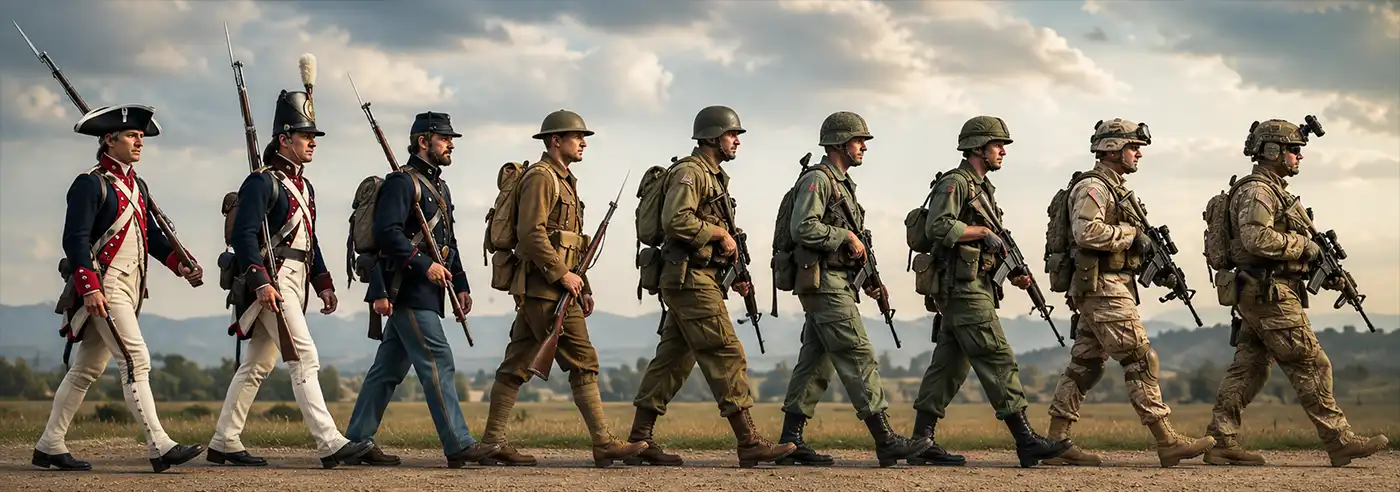
What Is the United States Army Birthday?
The United States Army Birthday is celebrated every year on June 14. The date commemorates June 14, 1775, when the Second Continental Congress voted to establish the Continental Army to defend the American colonies during the Revolutionary War. That decision created what would eventually become the United States Army, making it the oldest branch of the American military.
What makes the Army's birthday especially remarkable is that it predates the Declaration of Independence by more than a year. In a very real sense, the Army became America's first national institution. Before there was an officially independent United States, there were soldiers standing together under a common command and fighting for a common cause.
The original force consisted of colonial militia units gathered around Boston following the Battles of Lexington and Concord. Congress soon appointed George Washington as Commander in Chief, and the Continental Army began the difficult task of transforming farmers, tradesmen, laborers, and volunteers into an organized fighting force capable of challenging the British Empire.
Today, Army Birthday celebrations take place at military installations around the world. Ceremonies often include speeches, historical displays, and the traditional birthday cake cutting. In many celebrations, the oldest soldier present joins the youngest soldier in cutting the first slice of cake, symbolizing the passing of knowledge, experience, and responsibility from one generation to the next.
For soldiers, veterans, and military families, June 14 is more than just a date on the calendar. It is an opportunity to honor over 250 years of service, sacrifice, and dedication to the nation.
George Washington and the Army's First Days
Creating an army was one thing. Leading it was another.
On June 15, 1775, just one day after establishing the Continental Army, the Continental Congress unanimously selected George Washington of Virginia to serve as Commander in Chief. Washington was a natural choice. He had military experience from the French and Indian War, a reputation for leadership, and the respect of many colonial leaders. Just as importantly, choosing a Virginian helped unite the northern and southern colonies behind a common cause.
Washington officially took command of the Army near Boston on July 3, 1775. What he found was not a professional military force but a collection of local militia units from different colonies. Soldiers arrived with varying levels of training, equipment, and discipline. Some lacked proper uniforms, weapons, ammunition, and even food. Enlistments were often short, making it difficult to maintain a stable fighting force.
Despite these challenges, Washington worked tirelessly to transform the Continental Army into an effective military organization. He emphasized training, discipline, and organization while encouraging his troops through some of the darkest moments of the Revolutionary War. Harsh winters, supply shortages, disease, and battlefield defeats tested both the soldiers and their commander.
The Army's perseverance paid off. Through determination, improved training, and crucial assistance from allies such as France, the Continental Army gradually gained strength. The war finally ended with the British surrender at Yorktown in 1781, securing American independence and cementing George Washington's place as one of the most important figures in United States history.
More than 250 years later, Washington's leadership continues to serve as an example for Army officers and soldiers. His commitment to duty, integrity, and service helped establish traditions that remain part of the Army today.
How the Army Grew With the Nation
As the United States expanded, so did its Army. What began as a small force fighting for independence gradually evolved into a professional military capable of defending a growing nation. In the early years, soldiers protected settlements along the frontier, constructed forts, mapped unexplored territories, and helped maintain security as new states joined the Union.
Throughout the 19th century, the Army played major roles in several conflicts that shaped the country's future. Soldiers fought during the War of 1812, the Mexican-American War, and the Civil War. The Army also contributed to engineering projects, transportation improvements, and communications networks that helped connect distant parts of the nation. By the end of the century, the United States had emerged as a growing power on the world stage.
The 20th century brought even greater challenges. During World War I and World War II, millions of Americans served in uniform as the Army expanded to meet global threats. Soldiers fought across Europe, North Africa, the Pacific, and countless other battlefields. The Army continued to play a central role during the Korean War, the Vietnam War, and the Cold War, adapting to new technologies and changing military strategies.
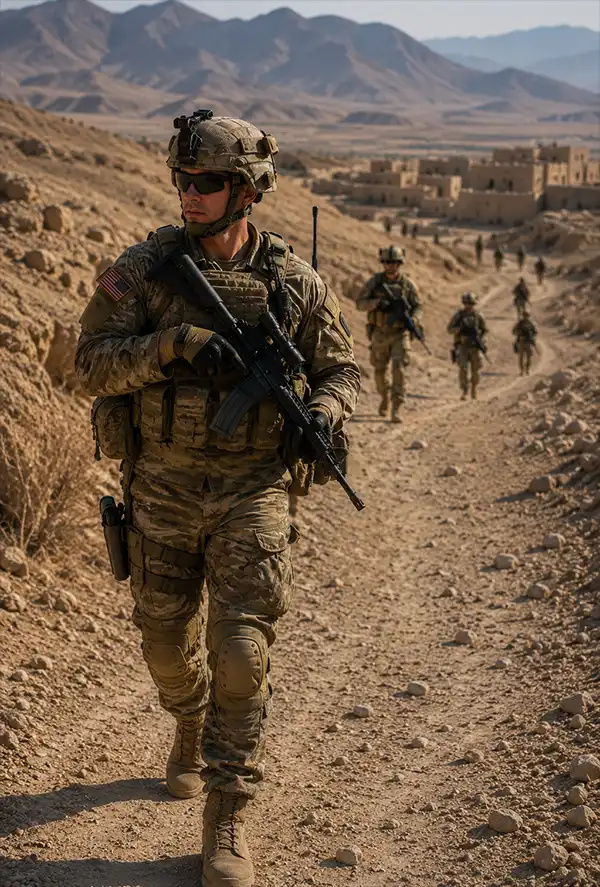
In the decades following the Cold War, Army personnel served in the Gulf War, Afghanistan, Iraq, and numerous peacekeeping and humanitarian missions around the world. Modern soldiers now operate advanced communications systems, drones, satellites, cyber-defense networks, and precision-guided equipment that would have seemed unimaginable to the Army's founders in 1775.
Today, the United States Army remains one of the most capable military forces in the world. While technology has changed dramatically over the past 250 years, the Army's mission remains much the same: to protect the nation, defend its interests, and stand ready whenever duty calls.
Army Traditions and Birthday Celebrations
The United States Army has accumulated more than 250 years of traditions, ceremonies, and customs. Some date back to the Revolutionary War, while others have developed as generations of soldiers passed their experiences and values to those who followed. These traditions help connect today's soldiers with the men and women who served before them, creating a sense of continuity that spans centuries.
One of the most recognizable Army Birthday traditions is the ceremonial cake cutting held on June 14. At military installations around the world, soldiers gather to celebrate the Army's founding in 1775. During the ceremony, the first slice of birthday cake is often shared between the oldest and youngest soldiers present. This symbolic gesture represents the passing of knowledge, experience, and responsibility from one generation to the next.
Many Army Birthday celebrations also include formal military balls, historical displays, speeches, awards presentations, and community events. Veterans frequently attend these gatherings, sharing stories and memories with younger soldiers. Museums and military installations may host special exhibits highlighting important moments in Army history, from the Revolutionary War to modern operations around the world.
The Army's traditions extend far beyond its birthday. Soldiers learn customs such as saluting, military courtesies, unit mottos, and ceremonial observances that foster pride and discipline. Distinctive unit insignia, campaign streamers, and medals serve as visible reminders of service and sacrifice. These customs help preserve the history of individual units while strengthening the bonds between those who serve.
For many soldiers and veterans, Army Birthday celebrations are about more than cake and ceremonies. They provide an opportunity to honor those who came before, remember those who never returned home, and recognize the men and women who continue to serve today. It is a day of reflection, pride, and appreciation for a military organization that has helped shape the history of the United States.
Famous Army Facts
The United States Army has been around for more than 250 years, which means it has accumulated plenty of interesting stories, records, and achievements. Here are a few facts that highlight some lesser-known aspects of America's oldest military branch.
The Army Has Its Own Navy: During World War II, the Army operated thousands of watercraft, including transport ships, tugboats, and landing vessels. At one point, the Army's fleet was so large that it was considered one of the biggest maritime forces in the world. As a Navy veteran, I feel obligated to point out that they eventually gave most of those ships back to the professionals.
The Army Corps of Engineers Helped Build America: The Army is known for fighting wars, but it has also helped shape the nation itself. The Army Corps of Engineers has built dams, locks, bridges, flood-control projects, and navigation systems that millions of Americans use every day. Their work can be found in nearly every state.
Rangers Lead the Way: The Army Rangers trace their heritage back to colonial fighting forces that operated in rough terrain and conducted reconnaissance missions. Today, the 75th Ranger Regiment is one of the Army's most highly trained and respected units, known for its demanding standards and rapid deployment capabilities.
Soldiers Have Earned Thousands of Medals of Honor: Since the Medal of Honor was established during the Civil War, Army soldiers have received more of these awards than members of any other service branch. The medal is presented for extraordinary acts of bravery that go far beyond the call of duty.
The Pentagon Is One of the World's Largest Office Buildings: Although it serves all branches of the military, the Pentagon is home to many Army personnel and leaders. The massive five-sided building contains enough hallways to stretch for miles and remains one of the most recognizable military headquarters on Earth.
Army Mules Once Had Official Military Rank: For many years, mules played an important role in transporting supplies through difficult terrain. Some became so well known that they were treated almost like soldiers. One famous mule named Sergeant Reckless carried ammunition during the Korean War and became one of the most celebrated animals in military history.
The Army's Motto Is Simple and Powerful: The Army's official motto is "This We'll Defend." Adopted during the Revolutionary War, those three words have represented the Army's mission for more than two centuries and continue to appear on official seals and insignia today.
A Timeline of the United States Army
1775 – The Army Is Born
On June 14, the Second Continental Congress establishes the Continental Army to defend the American colonies. George Washington is selected as Commander in Chief the following day.
1783 – Victory and Independence
The Revolutionary War ends with the Treaty of Paris. While most of the Continental Army is disbanded, a small force remains to protect the new nation.
1812–1815 – Defending a Young Nation
The Army fights British forces during the War of 1812, helping preserve American independence during the country's second war with Great Britain.
1846–1848 – The Mexican-American War
Army victories contribute to the expansion of the United States, adding vast territories in the Southwest and along the Pacific Coast.
1861–1865 – The Civil War
The Army is divided as the nation goes to war with itself. Union forces ultimately preserve the United States and bring an end to slavery.
1898 – The Spanish-American War
American forces defeat Spain, leading to the independence of Cuba and the acquisition of overseas territories.
1917–1918 – World War I
Millions of American soldiers help the Allied powers achieve victory in Europe during the First World War.
1941–1945 – World War II
The Army expands to unprecedented size and serves across Europe, Africa, and the Pacific in a global struggle against the Axis powers.
1950–1953 – The Korean War
Army troops fight alongside United Nations forces to defend South Korea from invasion, establishing the modern Demilitarized Zone.
1965–1973 – The Vietnam War
American soldiers serve in one of the most challenging and controversial conflicts in the nation's history.
1990–1991 – Operation Desert Storm
The Army plays a leading role in the liberation of Kuwait, demonstrating the effectiveness of modern military technology and tactics.
2001–2021 – The Global War on Terror
Following the September 11 attacks, Army personnel serve in Afghanistan, Iraq, and other regions around the world in long-running counterterrorism operations.
2021 – The Afghanistan Withdrawal
The United States concludes its military mission in Afghanistan, bringing America's longest war to a close.
Today – Ready for Tomorrow
The Army continues to modernize through advances in cyber warfare, drones, artificial intelligence, communications systems, and next-generation combat technology while remaining prepared to defend the nation whenever called upon.
Ways to Celebrate United States Army Birthday
Celebrating the Army's birthday doesn't require a parade route, a military uniform, or the ability to march in a straight line while carrying fifty pounds of gear. For most of us, simply taking a moment to appreciate the men and women who have served is a good place to start.
If you know a veteran, June 14 is a perfect excuse to buy them a cup of coffee and listen to a few stories. Be warned, however. Asking a veteran, "What was it like?" can result in anything from a fascinating history lesson to a two-hour explanation involving weather, terrible food, missing equipment, and a sergeant who apparently terrified everyone within a three-mile radius. Either way, you'll probably learn something.
Army Birthday is also a great opportunity to explore military history. Visit a museum, watch a documentary, or read about one of the many battles, leaders, and ordinary soldiers who helped shape the nation's history. The Army's story stretches from the fields of the Revolutionary War to modern operations around the globe, and there is no shortage of remarkable people and events to discover.
Of course, if you're feeling particularly ambitious, you could attempt a little Army-style physical training. A brisk walk around the neighborhood might be enough for most of us. There is no requirement to carry a heavy backpack, crawl under barbed wire, or have someone yelling encouragement at you before sunrise. Those activities should probably remain optional.
Perhaps the best way to celebrate is simply to reflect on what the Army represents. For more than 250 years, generations of soldiers have left their homes and families to serve something larger than themselves. Whether they stood watch on a frontier fort, crossed the beaches of Normandy, patrolled distant deserts, or serve today in places most of us will never see, they all share a common commitment to duty and service.
And if you happen to see a soldier, veteran, or military family member on June 14, a sincere "thank you" is always appropriate. Just don't start an Army-versus-Navy debate unless you've cleared your schedule for the rest of the afternoon.
United States Army Birthday FAQ
When is the United States Army Birthday?
The United States Army Birthday is celebrated every year on June 14. The date commemorates the founding of the Continental Army on June 14, 1775.
How old is the United States Army?
The Army was established in 1775, making it the oldest branch of the United States Armed Forces. It has served the nation for more than 250 years.
Why is June 14 important to the Army?
June 14 marks the day the Second Continental Congress voted to create the Continental Army during the American Revolutionary War. The decision laid the foundation for the modern United States Army.
Who was the first commander of the United States Army?
George Washington was selected as Commander in Chief of the Continental Army on June 15, 1775, one day after the Army was created.
Is the Army older than the United States?
Yes. The Army was founded more than a year before the Declaration of Independence was signed on July 4, 1776.
How does the Army celebrate its birthday?
Army Birthday celebrations often include ceremonies, speeches, military balls, historical displays, and the traditional birthday cake-cutting ceremony held at military installations around the world.
What is the significance of the Army Birthday cake-cutting ceremony?
The first slice of cake is often shared between the oldest and youngest soldiers present. The tradition symbolizes the passing of knowledge, experience, and responsibility from one generation to the next.
What was the Continental Army?
The Continental Army was the military force established by the Continental Congress to fight for American independence during the Revolutionary War. It later evolved into the United States Army.
What is the Army's official motto?
The Army's official motto is "This We'll Defend." The phrase dates back to the Revolutionary War and remains part of the Army's identity today.
What is the largest branch of the United States military?
When active-duty personnel, Army Reserve members, and Army National Guard soldiers are combined, the United States Army is the largest branch of the U.S. Armed Forces.
A Salute from the Navy
As a Navy veteran, I am contractually obligated to make at least one joke about mud, marching, and the Army's suspicious fondness for carrying heavy objects across unpleasant terrain. Inter-service rivalry is one of the great military traditions, and it would be downright disrespectful not to keep it alive.
But beneath all the jokes, there is genuine respect. The United States Army has stood at the center of America's military history since 1775. Soldiers have fought in every major conflict, served in remote places far from home, supported communities during emergencies, and carried responsibilities most people will never fully understand.
So, from one old sailor to every soldier, veteran, and Army family member: thank you. Thank you for your service, your sacrifice, your endurance, and your willingness to answer the call when your country needed you.
Now, if you'll excuse me, I shall return to the Navy tradition of admiring the ocean, avoiding unnecessary mud, and quietly wondering why anyone would choose to sleep in a hole when ships have bunks.