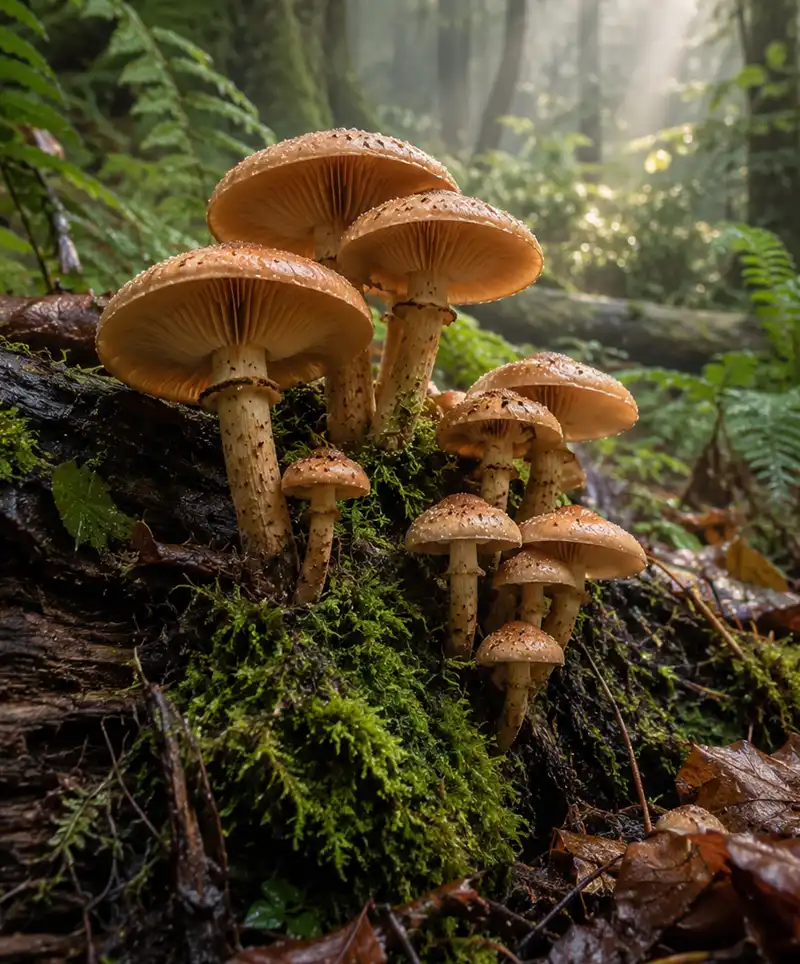
The Fun(gi) Starts Here
If mushrooms had a public relations department, their slogan would probably be, "We're more than pizza toppings!" These remarkable fungi have spent thousands of years sneaking into soups, sauces, stir-fries, and gourmet meals while quietly recycling forests, enriching soil, and occasionally glowing in the dark just to keep things interesting. They may not wear capes, but many do wear caps—and that's close enough for April 16.
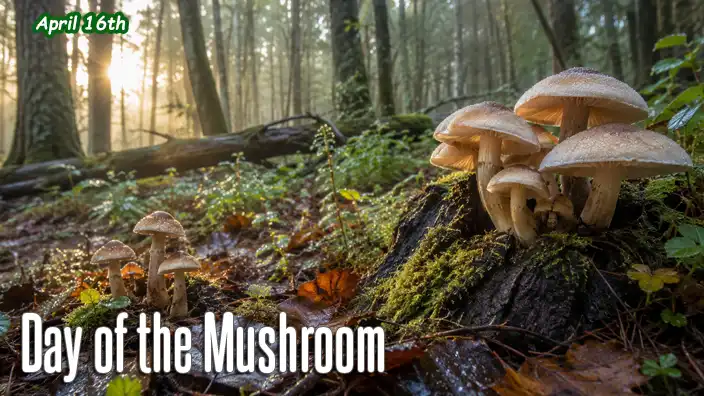
Day of the Mushroom, celebrated every year on April 16, shines a spotlight on one of nature's most fascinating foods. From the humble white button mushroom to the richly flavored shiitake and the meaty portobello, mushrooms have earned a place in kitchens around the world. The day encourages people to discover new varieties, enjoy their nutritional benefits, and learn why fungi play such an important role in keeping our planet healthy. Whether you're a lifelong mushroom lover or someone who's still carefully picking them off your pizza, this is the perfect day to discover why fungi deserve a little more appreciation.
What Is Day of the Mushroom?
Day of the Mushroom is celebrated each year on April 16 to recognize the culinary versatility, impressive nutritional value, and remarkable ecological importance of mushrooms. The observance encourages people to enjoy mushrooms in new and creative ways while learning more about the fascinating world of fungi. Whether they're sliced onto a pizza, simmered in a rich soup, grilled as a hearty burger alternative, or added to a fresh salad, mushrooms have earned a place in cuisines across the globe.
The day is widely promoted by agricultural organizations, culinary groups, mushroom growers, and food educators, including the Mushroom Council, which encourages consumers to explore the many varieties available and discover how easily mushrooms can be incorporated into everyday meals. Restaurants, chefs, grocery stores, and home cooks often use the occasion to showcase recipes featuring everything from familiar white button mushrooms to gourmet favorites like shiitake, oyster, enoki, lion's mane, and portobello mushrooms.
Day of the Mushroom is also an opportunity to appreciate mushrooms beyond the dinner table. Although they're commonly grouped with vegetables in the kitchen, mushrooms are actually fungi, belonging to their own biological kingdom. They play an essential role in nature by breaking down dead organic matter, returning valuable nutrients to the soil, and forming partnerships with trees and plants that help forests thrive. Without fungi quietly doing their work beneath our feet, many of Earth's ecosystems would struggle to survive.
Whether you're an adventurous foodie eager to sample an unfamiliar variety or someone who has only recently stopped picking mushrooms off your pizza, April 16 is the perfect excuse to discover why these humble fungi have been treasured for centuries by cooks, scientists, and nature lovers alike.
A Brief History of Mushrooms on the Menu
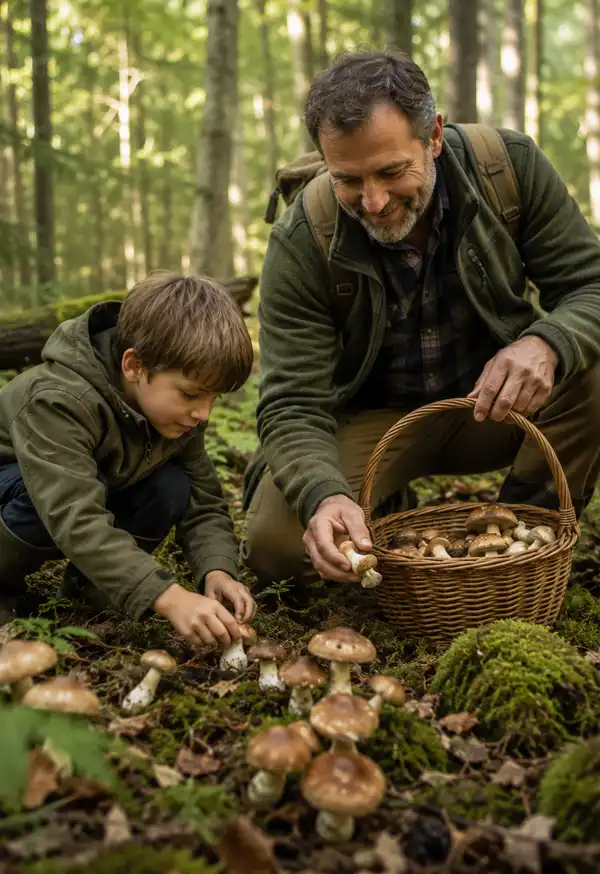
People have been gathering and eating mushrooms for thousands of years. Long before farms and grocery stores offered neatly packaged button mushrooms, our ancestors were foraging for wild fungi in forests, meadows, and grasslands. Archaeological evidence suggests that mushrooms have been part of the human diet since prehistoric times, valued not only for their distinctive flavors but also for their ability to add substance to a meal when other foods were scarce.
Ancient civilizations quickly developed an appreciation for mushrooms. The Egyptians regarded certain mushrooms as food fit for royalty, while the ancient Greeks and Romans prized them for both their culinary qualities and their supposed medicinal properties. Roman feasts often featured mushrooms as a delicacy, although experienced foragers were essential—mistaking a poisonous mushroom for an edible one could turn dinner into a memorable event for all the wrong reasons.
Across Asia, mushrooms became deeply woven into both cuisine and traditional medicine. Varieties such as shiitake, enoki, and wood ear mushrooms have been cultivated and enjoyed for centuries in China, Japan, and Korea. Their rich flavors made them popular ingredients in soups, stir-fries, and noodle dishes, while many were also believed to support health and well-being.
Europe's relationship with mushrooms has long been one of admiration mixed with caution. While countries such as France, Italy, and Poland developed rich traditions of mushroom foraging, other regions remained suspicious of wild fungi, fearing poisonous lookalikes. That caution was understandable, as many edible mushrooms have toxic relatives that can fool even experienced collectors.
Today, mushrooms are grown commercially in more than 100 countries and are enjoyed in cuisines around the world. From the familiar white button mushroom to flavorful cremini, meaty portobello, delicate oyster mushrooms, and the increasingly popular lion's mane, there has never been a greater variety available to home cooks. What began as a search for wild food has grown into a global industry that celebrates one of nature's most fascinating—and delicious—organisms.
The Amazing World of Fungi
Although mushrooms are often found in the produce section of the supermarket, they are not vegetables—and they're certainly not plants. Mushrooms belong to the fascinating kingdom of Fungi, a group of organisms that includes molds, yeasts, and thousands of mushroom species found in forests, fields, gardens, and even deserts around the world. Scientists estimate that there may be more than 2 million species of fungi, yet only a fraction have been identified and studied.
What most people think of as a mushroom is actually just the fruiting body of a much larger organism hidden beneath the surface. Underground lies a vast network of tiny thread-like structures called mycelium. This sprawling web spreads through soil, wood, or leaf litter, absorbing nutrients and quietly performing one of nature's most important jobs—breaking down dead plants and animals so their nutrients can be recycled back into the ecosystem.
Many fungi also form remarkable partnerships with trees and other plants. Through these underground mycelial networks, fungi help plant roots absorb water and minerals more efficiently while receiving sugars produced by the plants through photosynthesis. Some scientists have nicknamed these interconnected networks the "Wood Wide Web" because they allow forests to share nutrients and, in some cases, even chemical signals between plants.
Fungi are full of surprises. Some mushrooms glow softly in the dark, creating an eerie green light on forest floors. Others have evolved unusual shapes and colors to attract insects that help spread their spores. Certain species can even break down pollutants such as oil, pesticides, and other harmful chemicals, making them valuable tools in environmental cleanup projects—a process known as mycoremediation.
Perhaps the most astonishing member of the fungal kingdom isn't a mushroom you can see at all. In Oregon's Malheur National Forest, an enormous honey fungus (Armillaria ostoyae) covers more than 2,300 acres (about 3.5 square miles), making it the largest known living organism on Earth. While its mushrooms appear only occasionally above ground, the vast mycelium beneath the forest has been growing for thousands of years.
The more scientists study fungi, the more extraordinary they appear. From helping forests thrive and recycling nutrients to inspiring medical research and supporting healthy ecosystems, fungi quietly perform countless jobs that make life on Earth possible. They may spend most of their lives hidden beneath our feet, but without them, the natural world would look very different indeed.
Health Benefits of Mushrooms
Mushrooms may be low in calories, but they are packed with nutrients that can make a healthy diet even healthier. Rich in vitamins, minerals, antioxidants, and dietary fiber, they offer an impressive range of nutritional benefits while adding flavor and texture to countless dishes. Whether enjoyed raw in a salad, sautéed with vegetables, grilled on the barbecue, or stirred into soups and sauces, mushrooms prove that nutritious food doesn't have to be boring.
One of their greatest strengths is their nutritional profile. Mushrooms are an excellent source of B vitamins, including riboflavin, niacin, and pantothenic acid, which help the body convert food into energy. They also provide important minerals such as selenium, copper, potassium, and phosphorus, all of which contribute to healthy muscles, nerves, bones, and immune function.
Unlike most fruits and vegetables, mushrooms are one of the few natural food sources of vitamin D when exposed to ultraviolet (UV) light during cultivation or after harvest. Since vitamin D plays an important role in maintaining healthy bones and supporting the immune system, UV-exposed mushrooms can be a valuable addition to the diet, particularly for people who consume little dairy or spend limited time in the sunshine.
Mushrooms are also rich in antioxidants, including ergothioneine and glutathione. These naturally occurring compounds help protect the body's cells from damage caused by unstable molecules known as free radicals. Researchers continue to study these antioxidants for their potential role in supporting healthy aging and reducing oxidative stress.
Another advantage is their versatility in the kitchen. Their naturally savory, or umami, flavor allows cooks to reduce the amount of salt or meat in many recipes without sacrificing taste. Finely chopped mushrooms are often blended with ground beef, turkey, or plant-based proteins to create burgers, meatballs, and sauces that are both flavorful and lower in calories and saturated fat.
Mushrooms also contain dietary fiber, including beta-glucans, which have been studied for their role in supporting heart health and helping maintain healthy cholesterol levels. Combined with their low calorie content and satisfying texture, mushrooms can be an excellent choice for people looking to manage their weight while still enjoying hearty meals.
Scientists continue to investigate the potential health benefits of many mushroom species. While some varieties have long been used in traditional medicine, research is ongoing to better understand how compounds found in mushrooms may support immune function and overall well-being. Although mushrooms are not a cure-all—and should never replace professional medical advice—they have certainly earned their reputation as one of nature's most nutritious foods.
Perhaps the best health benefit of all is that mushrooms make healthy eating enjoyable. They can transform an ordinary pizza, omelet, pasta, risotto, or stir-fry into something richer, heartier, and more satisfying. When a food tastes this good and still earns the approval of nutritionists, it's hard to argue with adding a few more mushrooms to the shopping basket.
How to Celebrate Day of the Mushroom
The best way to celebrate Day of the Mushroom is, naturally, by enjoying mushrooms! Whether you're already a devoted mushroom fan or someone who's only recently decided they deserve another chance, April 16 is the perfect opportunity to explore the incredible variety that fungi have to offer.
Visit your local grocery store or farmers' market and pick up a variety you've never tried before. White button mushrooms are only the beginning. Cremini, portobello, shiitake, oyster, enoki, lion's mane, and maitake each bring their own unique flavors and textures to the table. Trying a new variety might introduce you to your next favorite ingredient.
Challenge yourself to cook a mushroom-centered meal. Prepare a creamy mushroom soup, grill a portobello as a hearty burger alternative, stir shiitake mushrooms into a noodle dish, or create a rich mushroom risotto. Even something as simple as sautéing mushrooms with garlic, butter, and fresh herbs can turn an ordinary meal into something memorable.
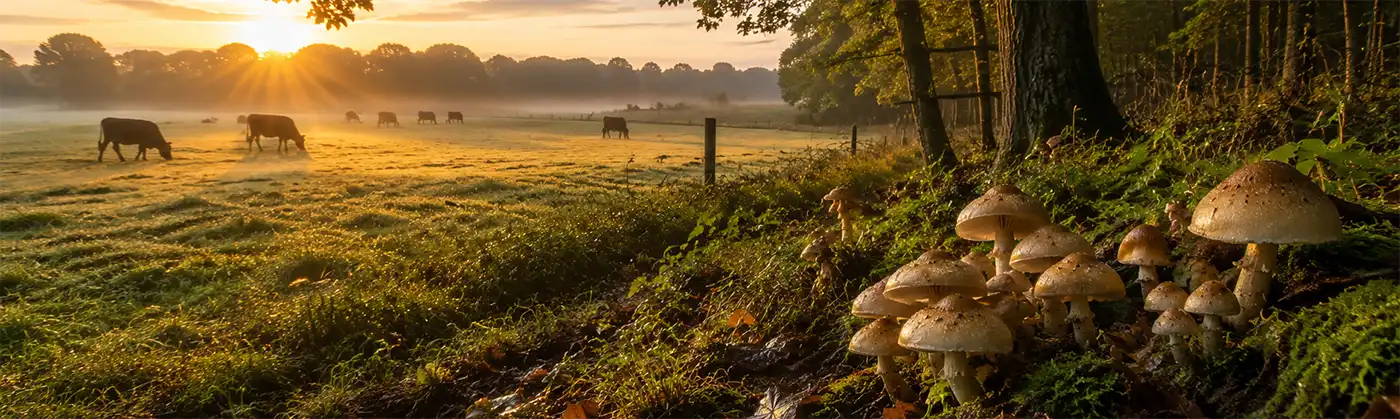
If you're feeling adventurous, learn more about mushroom foraging—but do so responsibly. Never eat a wild mushroom unless it has been positively identified by an experienced expert. Many edible mushrooms have poisonous lookalikes, and guessing is never worth the risk. Joining a local mushroom club or guided foraging walk is a safe and enjoyable way to discover the fascinating world of wild fungi.
Spend a little time learning about the important role fungi play in nature. Read about mycelium, watch a documentary, or visit a botanical garden, arboretum, or nature center that features mushrooms and forest ecosystems. You'll quickly discover that mushrooms are doing far more beneath the forest floor than most people ever realize.
Support your local mushroom growers by purchasing fresh, locally cultivated mushrooms whenever possible. Many small farms specialize in gourmet varieties that are fresher than those found in supermarkets and often include species you won't see on every grocery shelf.
If you enjoy sharing your culinary creations, post a photo of your favorite mushroom recipe on social media and encourage friends and family to try something new. You might even inspire someone who has spent years picking mushrooms off their pizza to finally give them another chance.
Above all, use Day of the Mushroom as an excuse to appreciate one of nature's most remarkable organisms. They nourish our bodies, enrich our forests, recycle nutrients, and bring incredible flavor to kitchens around the world. That's quite an achievement for something that spends most of its life hidden underground.
Interesting Facts About Mushrooms
Mushrooms are among the most unusual living things on Earth. They can glow in the dark, help forests communicate, clean up pollution, and even become the largest living organism on the planet. Here are a few fascinating facts that might make you look at your next mushroom a little differently:
- Mushrooms aren't plants. They belong to their own biological kingdom called Fungi, making them more closely related to animals than to plants in some surprising ways.
- The mushroom is only the tip of the iceberg. The part you see above ground is simply the fruiting body. The real organism is usually an underground network of mycelium that can spread for miles.
- The largest living organism on Earth is a fungus. A giant honey fungus (Armillaria ostoyae) in Oregon covers more than 2,300 acres (about 3.5 square miles) and is believed to be thousands of years old.
- Some mushrooms glow in the dark. More than 100 species produce a soft green light through a natural process known as bioluminescence, creating an enchanting sight on forest floors after dark.
- Fungi are nature's recyclers. Without them, dead trees, fallen leaves, and other organic matter would pile up because many nutrients would never be returned to the soil.
- Some mushrooms help clean the environment. Scientists are studying certain fungi for their ability to break down oil spills, pesticides, and other pollutants through a process called mycoremediation.
- There are millions of fungal species. Scientists estimate that Earth may be home to more than 2 million species of fungi, but only a small percentage have been formally identified.
- Not all mushrooms belong on your dinner plate. While many are delicious, others are poisonous, and a few can be deadly. That's why experienced foragers follow the golden rule: If you're not absolutely certain, don't eat it.
- Mushrooms have been used for thousands of years. Ancient civilizations prized certain species as delicacies, while others were valued for their traditional medicinal uses.
- Some mushrooms may have inspired ancient stories. One intriguing theory suggests that the mysterious manna described in the Bible could have been a type of desert fungus or mushroom. Most historians favor other explanations, such as insect-produced honeydew or lichen, but the true identity of manna remains one of history's enduring mysteries.
- Mushrooms have their own flavor category. Their rich, savory taste is known as umami, often called the fifth basic taste alongside sweet, sour, salty, and bitter.
- They've even been to space. Scientists have studied mushrooms aboard the International Space Station to better understand how fungi grow in microgravity and whether they could help support future long-duration space missions.

Why Day of the Mushroom Matters
Day of the Mushroom is about far more than celebrating a tasty ingredient. It is an opportunity to recognize one of nature's hardest-working organisms and the countless ways fungi enrich our lives. From adding rich flavor to our favorite recipes to quietly recycling nutrients beneath our forests, mushrooms perform essential tasks that often go unnoticed.
The day also encourages people to think differently about food. Mushrooms are nutritious, affordable, versatile, and environmentally friendly to produce. They can add hearty texture to meals, reduce the need for excess salt, and even replace some or all of the meat in many recipes without sacrificing flavor. As more people explore healthier and more sustainable eating habits, mushrooms continue to grow in popularity.
Beyond the kitchen, fungi remind us that nature is built on cooperation. Hidden beneath the soil, vast networks of mycelium help forests thrive, support healthy ecosystems, and recycle the nutrients that sustain life. While we may never see most of their work, our planet would be a very different place without them.
Perhaps the greatest lesson mushrooms teach us is that appearances can be deceiving. What looks like a simple mushroom pushing through the forest floor is actually part of an extraordinary living network that has existed for millions of years. The more scientists study fungi, the more they discover just how important these remarkable organisms are to medicine, agriculture, conservation, and the future of our planet.
So, whether your favorite mushroom is tucked into an omelet, simmering in a hearty soup, sizzling on the barbecue, or growing quietly beneath a towering oak tree, take a moment on April 16 to appreciate the remarkable world of fungi. They may spend most of their lives out of sight, but they deserve a place in the spotlight at least one day each year.
Day of the Mushroom FAQ
Whether you enjoy mushrooms on your pizza, grilled on the barbecue, or have simply wondered why fungi are so important to the natural world, you're not alone. Here are answers to some of the most frequently asked questions about Day of the Mushroom and the remarkable organisms it celebrates.
When is Day of the Mushroom celebrated?
Day of the Mushroom is celebrated every year on April 16. The annual observance highlights the culinary versatility, nutritional value, and ecological importance of mushrooms while encouraging people to learn more about the fascinating world of fungi.
Who promotes Day of the Mushroom?
The day is widely promoted by agricultural organizations, mushroom growers, culinary groups, and food educators, including the Mushroom Council, to encourage people to cook with mushrooms, explore new varieties, and appreciate their many benefits.
Are mushrooms vegetables?
No. Although they are often displayed alongside vegetables in grocery stores, mushrooms are fungi, not plants. They belong to their own biological kingdom and play a unique role in nature by breaking down organic matter and recycling nutrients.
Are mushrooms good for you?
Yes. Mushrooms are naturally low in calories and provide important nutrients, including B vitamins, selenium, copper, potassium, antioxidants, and dietary fiber. Some mushrooms are also a natural source of vitamin D when exposed to ultraviolet (UV) light.
What is the most popular edible mushroom?
The white button mushroom is the most widely consumed mushroom in the world. Other popular varieties include cremini, portobello, shiitake, oyster, enoki, and lion's mane mushrooms.
Can all mushrooms be eaten?
No. While many mushrooms are perfectly safe and delicious, others are poisonous, and some can be deadly. Wild mushrooms should only be eaten if they have been positively identified by an experienced expert.
Why are fungi important to the environment?
Fungi are nature's recyclers. They break down dead plants and animals, returning nutrients to the soil. Many also form beneficial partnerships with trees and other plants, helping forests and ecosystems remain healthy.
What is mycelium?
Mycelium is the underground network of tiny thread-like structures that forms the main body of a fungus. The mushroom we see above ground is simply the fruiting body that produces spores for reproduction.
What is the largest living organism on Earth?
The largest known living organism is a giant honey fungus (Armillaria ostoyae) in Oregon. Its underground mycelium covers more than 2,300 acres (about 3.5 square miles) and is believed to be thousands of years old.
Why is Day of the Mushroom important?
Day of the Mushroom reminds us that mushrooms are much more than a tasty ingredient. They support healthy ecosystems, provide nutritious food, inspire scientific research, and demonstrate the vital role fungi play in maintaining life on Earth. The day encourages everyone to discover, enjoy, and appreciate these remarkable organisms.
If the Cap Fits, Eat It
Mushrooms have been quietly improving our world for millions of years. They nourish forests, recycle nutrients, support wildlife, inspire scientific discoveries, and, thankfully, make pizza, soups, stir-fries, and barbecues taste even better. Not bad for something that spends most of its life hidden beneath the ground.
Day of the Mushroom reminds us that fungi deserve far more attention than they usually receive. They are nutritious, versatile, environmentally important, and endlessly fascinating. Whether you're trying a new recipe, learning about mycelium, or simply appreciating the mushrooms growing after a spring rain, April 16 is the perfect day to celebrate one of nature's most remarkable creations.
So, if the cap fits...eat it! Just make sure it came from a grocery store, a trusted grower, or an expert forager. After all, the goal is to enjoy Day of the Mushroom—not to become tomorrow's cautionary tale.