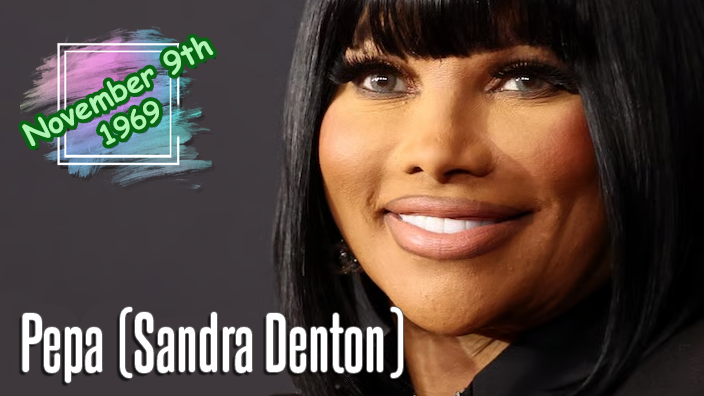
November 9, 1969, in Kingston, Jamaica

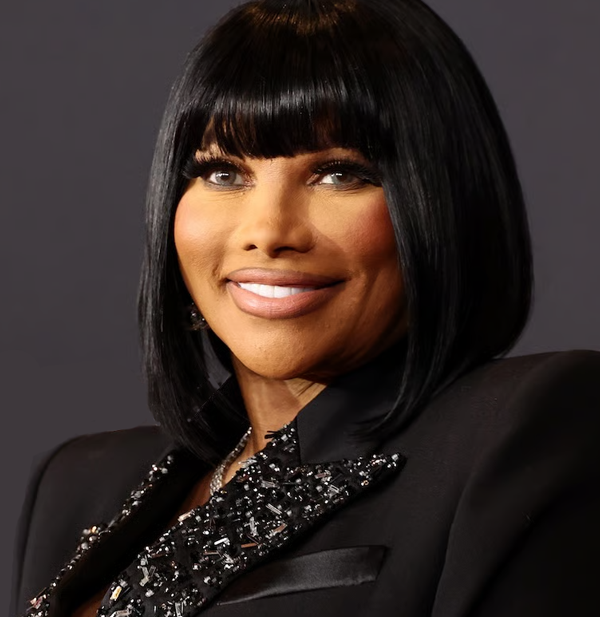
Sandra Jacqueline Denton, professionally known as Pepa, was born on November 9 in Kingston, Jamaica, and became one of the most influential female performers in the history of hip-hop music. Best known as a founding member of the groundbreaking group Salt-N-Pepa, she helped transform a predominantly male-dominated musical genre into a platform where women could express confidence, independence, sexuality, humor, and social awareness on their own terms. Alongside Cheryl “Salt” James and DJ Deidra “Spinderella” Roper, Pepa contributed to an extraordinary collection of successful recordings that brought hip-hop into mainstream popular culture and inspired generations of female rappers. Her unmistakable personality, energetic performances, and willingness to challenge established expectations made her an important figure in the development of modern rap music, while her career beyond the recording studio included television, acting, entrepreneurship, and public appearances.
Pepa's early childhood began in Jamaica before her family relocated to the United States, where she eventually settled in Queens, New York. Growing up between Caribbean cultural influences and the developing urban music scene of New York City exposed her to a variety of musical styles, rhythms, and forms of creative expression. Her family background and experiences adapting to a different country helped shape the confident, independent personality that would later become central to her public image. During her teenage years, hip-hop was rapidly emerging as an important cultural movement, particularly in New York's neighborhoods, where DJs, rappers, dancers, and graffiti artists were developing new ways to express their identities and experiences. Although the genre was attracting increasing attention, female performers still faced considerable obstacles in an industry where men dominated recording contracts, radio exposure, and public recognition.
Denton's professional journey took an unexpected turn when she attended Queensborough Community College, where she studied nursing and met fellow student Cheryl James. The two young women developed a friendship despite possessing noticeably different personalities, a contrast that would eventually become an important part of their musical chemistry. James was generally more reserved and measured, while Denton brought an outgoing, outspoken, and energetic presence to their interactions. Their friendship continued beyond the classroom when they found employment at a Sears department store, where they encountered aspiring music producer Hurby “Luv Bug” Azor. What began as an ordinary combination of college studies and retail employment gradually developed into one of hip-hop's most influential musical partnerships. It is difficult to imagine the Sears management realizing that two future rap legends were working among the merchandise, although their eventual record sales certainly exceeded anything available in the household appliance department.
Azor recognized the potential of the two young women and encouraged them to participate in a musical recording that responded to the popular rap track “The Show” by Doug E. Fresh and Slick Rick. Their answer record, “The Showstopper,” was released in 1985 under the name Super Nature and attracted attention within New York's developing hip-hop community. The recording combined playful competition with the confident vocal delivery that would become characteristic of the duo's later work. As their popularity increased, they adopted the name Salt-N-Pepa, inspired by a phrase from their lyrics and the contrast between their personalities. Cheryl James became Salt, while Sandra Denton became Pepa, establishing a partnership whose name would soon become familiar to audiences around the world.
The group's early recordings emerged during a period when hip-hop was undergoing rapid commercial expansion, with artists such as Run-D.M.C., LL Cool J, and the Beastie Boys introducing rap music to increasingly large audiences. Female rappers were already contributing significantly to the genre, including pioneering performers such as MC Sha-Rock, Roxanne Shanté, and the members of The Sequence, but opportunities for widespread commercial success remained limited. Salt-N-Pepa entered this environment with a distinctive combination of confident lyrics, accessible rhythms, energetic performances, and a willingness to address subjects from a female perspective. Rather than attempting to imitate established male performers, they developed a recognizable identity that celebrated friendship, independence, humor, and personal confidence.
In 1986, Salt-N-Pepa released their debut album, Hot, Cool & Vicious, which introduced their musical style to a wider audience. The album combined energetic hip-hop beats with playful lyrical exchanges and memorable hooks, demonstrating the duo's ability to create recordings that appealed to both dedicated rap enthusiasts and mainstream listeners. Its commercial success increased dramatically following the popularity of the single “Push It,” which became one of the defining dance and hip-hop recordings of the late 1980s. The album eventually achieved platinum certification in the United States, making Salt-N-Pepa the first female rap act to reach that milestone. For Pepa and her musical partners, the achievement represented an important breakthrough in an industry where women had frequently been underestimated as commercial performers.
“Push It” became the group's signature recording, combining an instantly recognizable electronic beat with energetic vocal performances and a chorus that proved irresistible on dance floors. Originally released as the B-side of “Tramp,” the song gained momentum through club play, radio exposure, and an unforgettable music video featuring the group's distinctive clothing and choreography. Its infectious rhythm helped carry Salt-N-Pepa beyond traditional hip-hop audiences, introducing their music to listeners who might previously have paid little attention to rap. Pepa's lively delivery and confident stage presence contributed significantly to the recording's appeal, while the group's visual presentation became almost as recognizable as the music itself. The song's popularity endured for decades, appearing in films, television programs, advertisements, and sporting events. Few recordings have demonstrated such staying power, particularly one capable of making an entire room begin dancing before anyone has even finished putting down their drink.
An important addition to Salt-N-Pepa's identity came through the involvement of DJ Spinderella, whose turntable skills and musical contributions helped establish the group as a powerful three-woman ensemble. Deidra Roper became the group's best-known DJ during its rise to international fame, contributing to performances and recordings while helping define the group's stage presentation. The combination of Salt's measured delivery, Pepa's exuberant personality, and Spinderella's DJ abilities created a distinctive musical partnership that stood apart from many contemporary hip-hop acts. Their success also demonstrated the importance of collaboration, as each performer brought different talents and perspectives to the group's identity. Together, they helped establish a model for female hip-hop groups that combined musical ability, visual style, and independent artistic expression.
Salt-N-Pepa followed their debut success with A Salt with a Deadly Pepa in 1988, a title that cleverly incorporated the performers' stage names while suggesting that their musical ambitions were becoming considerably more serious. The album featured recordings including “Shake Your Thang,” a collaboration with the go-go band E.U., and continued developing the group's blend of hip-hop, dance music, and accessible pop influences. Its success demonstrated that Salt-N-Pepa were not simply a one-hit sensation, while their increasingly confident performances helped establish them as major figures in contemporary popular music. Pepa's personality remained central to the group's appeal, providing a lively counterbalance to Salt's delivery and contributing to the playful exchanges that made their recordings instantly recognizable.
The release of Blacks' Magic in 1990 marked another important stage in Salt-N-Pepa's musical development. The album included successful recordings such as “Expression,” “Independent,” and “Let's Talk About Sex,” demonstrating an increasing willingness to address social issues alongside the group's established themes of confidence and entertainment. “Expression” emphasized individuality and personal freedom, while “Let's Talk About Sex” encouraged open discussion of relationships, sexual responsibility, and health concerns. At a time when public conversations about sexuality and HIV/AIDS were often surrounded by embarrassment or misinformation, the group's willingness to address these subjects through popular music attracted considerable attention. Their approach combined catchy melodies with messages that encouraged listeners to consider issues affecting their everyday lives.
“Let's Talk About Sex” became one of Salt-N-Pepa's most socially significant recordings, particularly because it challenged the reluctance surrounding public discussions of sexual health. The group subsequently recorded an alternative version titled “Let's Talk About AIDS,” using their musical platform to encourage awareness of HIV transmission and prevention. These recordings demonstrated that commercially successful hip-hop could address serious public health concerns without abandoning the accessible musical qualities that attracted audiences. Pepa and her colleagues recognized that their popularity provided an opportunity to communicate with listeners who might otherwise avoid traditional educational campaigns. Their willingness to tackle sensitive subjects helped distinguish Salt-N-Pepa from performers who concentrated exclusively on entertainment, reinforcing the group's reputation for combining confidence with social awareness.
The group's commercial success reached extraordinary heights with the release of Very Necessary in 1993. Featuring the singles “Shoop,” “Whatta Man,” and “None of Your Business,” the album became the most successful recording of Salt-N-Pepa's career, selling millions of copies internationally. Its blend of hip-hop, contemporary R&B, dance rhythms, and assertive lyrics appealed to a remarkably broad audience, helping establish the group as one of the most commercially successful female rap acts in history. The album achieved five-times-platinum certification in the United States, confirming that their popularity extended well beyond the initial excitement surrounding “Push It.” For Pepa, the success represented the culmination of years of determination, musical development, and an unwavering belief that women deserved an equal place in hip-hop.
“Shoop” became one of the album's most recognizable songs, reversing traditional expectations by allowing women to express attraction and romantic confidence through playful, assertive lyrics. The recording's relaxed rhythm, memorable chorus, and energetic vocal performances made it a major commercial success while reinforcing Salt-N-Pepa's distinctive approach to female empowerment. Rather than presenting women as passive subjects within popular music, the group celebrated the freedom to express opinions, preferences, and desires openly. Pepa's confident delivery contributed to the song's playful atmosphere, creating a performance that balanced humor with an unmistakable sense of independence. The recording remains an important example of how Salt-N-Pepa challenged conventional expectations while producing music that audiences simply enjoyed hearing.
Another major success arrived through “Whatta Man,” a collaboration with the acclaimed R&B vocal group En Vogue. Released in 1993, the recording combined Salt-N-Pepa's confident rap performances with En Vogue's powerful harmonies, creating a distinctive blend of hip-hop and contemporary soul. The song celebrated admirable qualities in romantic partners while demonstrating the commercial appeal of collaborations between female rap and R&B performers. Its success reinforced the growing relationship between the two genres, a musical partnership that would become increasingly influential throughout the following decade. The accompanying music video further emphasized the performers' distinctive style and confident personalities, helping establish the recording as one of the most memorable collaborations of its era.
Salt-N-Pepa achieved another historic milestone in 1995 when they won the Grammy Award for Best Rap Performance by a Duo or Group for “None of Your Business.” The award recognized a recording that challenged criticism and judgment surrounding women's personal decisions, reinforcing the group's longstanding commitment to independence and self-expression. Their victory made them the first female rap group to win a Grammy Award, an achievement that represented a significant moment in the recognition of women within hip-hop. The award also demonstrated how far the group had progressed since their early recordings as college students working ordinary retail jobs. Pepa and her colleagues had moved from experimenting with rap music to receiving one of the recording industry's most prestigious honors, proving that their contributions were impossible to dismiss.
Beyond their recordings, Salt-N-Pepa became influential fashion personalities whose distinctive appearance helped define the visual culture of late-1980s and early-1990s hip-hop. Their colorful jackets, oversized earrings, bold hairstyles, coordinated outfits, and energetic choreography established a recognizable image that appealed to audiences across musical and cultural boundaries. Pepa's outgoing personality made her particularly suited to the group's flamboyant presentation, while her confidence encouraged fans to experiment with their own clothing and personal style. Their fashion choices reflected the broader relationship between hip-hop and urban culture, where music, dance, clothing, and identity frequently developed together. Long before social media influencers began explaining how to achieve a particular look, Salt-N-Pepa were demonstrating that a memorable jacket and a fearless attitude could make an enormous impression.
The group's influence extended beyond commercial success because they challenged assumptions about women's roles in hip-hop. During an era when female performers frequently encountered pressure to conform to established expectations, Salt-N-Pepa insisted on presenting themselves as independent artists capable of addressing relationships, sexuality, social issues, and personal ambition. Their recordings helped create opportunities for later performers, including Missy Elliott, Lil' Kim, Nicki Minaj, and other women who developed distinctive identities within rap music. Although each generation introduced different musical styles and perspectives, Salt-N-Pepa's achievements provided important evidence that female hip-hop artists could attract enormous audiences, influence popular culture, and achieve lasting commercial recognition.
In 1997, Salt-N-Pepa released Brand New, their fifth studio album, continuing to explore contemporary hip-hop and R&B influences. The project included recordings such as “R U Ready” and reflected the changing musical environment of the late 1990s, when new performers and production techniques were reshaping mainstream rap. Although the album did not reproduce the extraordinary commercial success of Very Necessary, it demonstrated the group's continued interest in developing their musical identity. Internal disagreements, changing professional priorities, and the demands of maintaining a successful recording career eventually contributed to a period of reduced group activity. Nevertheless, the recordings they had already produced remained popular, ensuring that Salt-N-Pepa's influence continued even when the performers were not regularly releasing new material.
Pepa expanded her professional activities beyond music through appearances in television programs, films, and reality entertainment. Her acting credits included the 1996 comedy Joe's Apartment and the 1997 television film First Time Felon. She also appeared in reality television productions such as The Surreal Life, introducing viewers to aspects of her personality beyond her energetic musical performances. These appearances demonstrated her willingness to explore different forms of entertainment while maintaining the recognizable public identity that had made her famous. Her candid manner and outspoken personality translated naturally to unscripted television, where audiences could observe the woman behind the stage name rather than simply the performer delivering familiar hit songs.
In 2007, Pepa reunited with Cheryl James for the VH1 reality series The Salt-N-Pepa Show, which explored their personal relationship, professional disagreements, and efforts to reconnect after years of changing circumstances. The program offered viewers an opportunity to understand the complexities of maintaining a long-running musical partnership, particularly when the individuals involved possessed strong personalities and different priorities. Their friendship had survived extraordinary commercial success, international touring, family responsibilities, and professional tensions, making their attempts to rebuild the relationship both entertaining and emotionally revealing. The series also reminded audiences that the performers behind familiar recordings were real people whose lives had continued evolving long after their greatest chart successes.
Pepa subsequently appeared in additional reality television productions, including Let's Talk About Pep and Growing Up Hip Hop. The latter featured her daughter Egypt Criss, whose own involvement in entertainment introduced another generation of the family to television audiences. These programs explored personal relationships, family responsibilities, and the challenges of maintaining privacy while living with public recognition. Pepa's participation demonstrated her continued ability to attract attention beyond the recording industry, while her interactions with family members revealed a more personal side of the confident performer familiar to music fans. Although reality television frequently thrives on disagreements and dramatic confrontations, Pepa's naturally outspoken personality ensured that producers rarely needed to search very hard for an interesting conversation.
In 2008, Pepa published her memoir, Let's Talk About Pep, offering readers a candid account of her childhood, musical success, relationships, and personal struggles. The book explored experiences that had shaped her identity, including the difficulties of navigating fame and maintaining personal relationships while working in a demanding entertainment industry. Her willingness to discuss challenging aspects of her life reflected a desire to present a more complete picture of herself than audiences could obtain through music videos and public appearances. The memoir also provided insight into the determination required to establish a career in hip-hop during a period when female performers faced substantial professional barriers. By sharing her experiences, Pepa contributed to a broader understanding of the personal challenges that can accompany extraordinary public success.
Pepa's personal life has included her marriage to rapper Anthony “Treach” Criss, a member of the hip-hop group Naughty by Nature. The couple married in 1999 and divorced in 2001, following a relationship that attracted considerable media attention. Pepa has two children, son Tyran Moore and daughter Egypt Criss, and has frequently discussed the importance of motherhood alongside her professional commitments. Her experiences raising children while maintaining a career in entertainment contributed to the complicated balance between family responsibilities and public life. Her daughter Egypt subsequently pursued interests in music and television, continuing the family's connection to the entertainment industry. Pepa's role as a mother also introduced an additional dimension to her public identity, demonstrating that the outspoken rapper celebrated for her independence was equally concerned with the responsibilities and relationships of family life.
Salt-N-Pepa's influence received formal recognition through numerous industry honors, including the BET Hip Hop Awards' I Am Hip Hop Award in 2010 and induction into the Long Island Music and Entertainment Hall of Fame in 2012. These achievements reflected the group's lasting importance to hip-hop history and its contribution to expanding opportunities for women within popular music. In 2021, the Recording Academy honored Salt-N-Pepa with a Grammy Lifetime Achievement Award, recognizing the significance of their recordings and their broader cultural impact. The honor demonstrated that the group's influence extended far beyond individual chart positions, encompassing the changes they helped introduce to the music industry's understanding of female rap performers.
Another important milestone arrived in November 2022 when Salt-N-Pepa received a star on the Hollywood Walk of Fame. The ceremony celebrated the group's contributions to recording and entertainment while bringing together performers, colleagues, and supporters who had followed their career over several decades. For Pepa, the recognition represented another extraordinary chapter in a journey that began with college friendships and experimental recordings in New York. The Hollywood honor also demonstrated the lasting popularity of their music, particularly among listeners who associated Salt-N-Pepa with memorable moments from their youth. Their recordings had become part of the soundtrack of an entire generation, and their influence continued reaching audiences who had not even been born when “Push It” first became a hit.
In 2025, Salt-N-Pepa received one of the music industry's most significant recognitions when they were inducted into the Rock & Roll Hall of Fame in the Musical Influence category. The honor recognized their groundbreaking contributions to hip-hop, their commercial achievements, and their role in expanding opportunities for female performers. Missy Elliott, herself an influential rapper and songwriter, introduced the group during the induction ceremony, emphasizing the importance of their achievements to later generations of artists. Pepa, Salt, and DJ Spinderella participated in the celebration, bringing together three performers whose collective contributions had helped reshape the musical landscape. Spinderella's recognition was particularly historic because she became the first female DJ inducted into the Rock & Roll Hall of Fame.
The Rock & Roll Hall of Fame induction also highlighted the group's continued determination to defend their professional interests. During the ceremony, Salt-N-Pepa discussed their efforts to secure greater control over their master recordings, drawing attention to the longstanding challenges artists face concerning ownership and compensation. Their advocacy reflected a broader issue within the music industry, where performers whose recordings generate substantial revenue may not necessarily control the rights to their own work. For Pepa and her colleagues, the dispute represented another opportunity to challenge established business arrangements and encourage musicians to understand the importance of protecting their creative contributions. Decades after helping women gain greater recognition in hip-hop, the group remained willing to speak publicly about questions of fairness and professional independence.
Pepa has also continued performing for audiences who appreciate the energy and nostalgia associated with Salt-N-Pepa's classic recordings. Their music remains popular at concerts, festivals, television celebrations, and special events, demonstrating the remarkable endurance of songs created during hip-hop's early commercial expansion. In 2026, Salt-N-Pepa joined TLC for a co-headlining tour, bringing together two enormously influential female groups whose recordings helped define the popular music of the 1990s. The collaboration reflected the continuing appeal of their musical catalogs and their ability to connect with audiences across generations. For fans who grew up dancing to “Shoop” and “Push It,” the opportunity to experience those recordings live offered a welcome reminder that great music rarely pays much attention to the calendar.
Throughout her career, Pepa has remained closely associated with the confidence, humor, and independence that made Salt-N-Pepa successful. Her contributions helped establish a musical environment where women could speak openly about relationships, personal choices, sexuality, and social responsibility while achieving extraordinary commercial recognition. Her performances also demonstrated that hip-hop could combine entertainment with meaningful messages, reaching audiences who might otherwise have overlooked discussions about equality and personal empowerment. Although the music industry has changed dramatically since the group's earliest recordings, the influence of Salt-N-Pepa remains evident in the careers of contemporary female rappers and the continuing popularity of their classic songs.
As fans celebrate Pepa's birthday on November 9, they recognize a pioneering performer whose career helped transform hip-hop into a more inclusive and commercially successful musical genre. From her Jamaican childhood and New York college years to international fame, Grammy recognition, and induction into the Rock & Roll Hall of Fame, Sandra Denton has demonstrated determination, creativity, and an unmistakable ability to command attention. Her contributions to Salt-N-Pepa established a musical legacy that continues inspiring performers and entertaining audiences around the world. And while the group's name may have begun as a playful reference to two familiar kitchen seasonings, Pepa proved that the right combination of talent, confidence, and rhythm could create something far more powerful than a little extra flavor. After all, when Salt-N-Pepa told the world to push it, millions of people listened—and many of them are still dancing!
References & Sources