Mark The Days - July

July is the month that shows up with fireworks, sunshine, and enough humidity to steam broccoli on your front porch. It’s when grills go full throttle, flags wave like they’ve had three espressos, and someone’s always trying to convince you that hot dogs count as a food group. From independence to ice cream, and cow appreciation to hugging your mail carrier (check the holiday—don’t just go rogue), July is packed with celebrations that sizzle louder than a Fourth of July sparkler. Slather on the sunscreen and let’s dive into the month that smells like barbecue and sounds like “Oops, I forgot the potato salad.”

- Details
Sticking your tongue out is the universal symbol for "I’m having fun and I don’t care who knows it!" It’s the perfect way to add a dash of playful mischief to any situation, whether you’re teasing a friend, making a silly selfie, or trying to get a baby to laugh. Plus, it's the one gesture that’s equally effective at six years old or sixty—because, let’s face it, sometimes the best way to tackle life's absurdities is to just stick your tongue out and laugh.
Celebrated: Annually, on July 19th
Explore the whimsical tradition of Stick Out Your Tongue Day. Learn about its origins, cultural significance, and enjoy tongue-twisting activities for all ages.


- Details
Lipstick has been helping people make an impression for more than 5,000 years, proving that some trends have far more staying power than others. From ancient queens and Hollywood stars to anyone who has ever spent ten minutes searching for a lipstick that was in their hand the entire time, this colorful cosmetic has earned its place in history. National Lipstick Day celebrates the shades, styles, and stories behind one of the world's most popular beauty products—and reminds us that while lipstick on a coffee cup may be charming, lipstick on a shirt collar has been causing raised eyebrows for centuries.
Celebrated: Annually, on July 29th
Celebrate National Lipstick Day with a fun look at lipstick's history, famous shades, surprising facts, and why this beauty favorite has lasted for thousands of years


- Details
In a world where sleek and shiny vehicles rule the roads, ugly trucks are like the grizzled cowboys of the automotive world—rugged, dependable, and absolutely unapologetic about their rust spots and mismatched parts. These metal behemoths have more character in one dented fender than an entire parking lot of pristine SUVs. They’re the trusty steeds that have hauled everything from hay bales to hopes and dreams, and if trucks could talk, they’d probably say, “I may not be pretty, but I get the job done!” So, here's to the ugly trucks: may their paint be patchy, their seats be torn, and their engines roar with the kind of pride that only a true workhorse can muster.
Celebrated: Annually, on July 20th
Discover the heartwarming celebration of National Ugly Truck Day on July 20th. Explore the world of beat-up trucks that continue to get the job done, embodying resilience and charm.


- Details
Crème brûlée is the James Bond of desserts—suave, sophisticated, and always prepared with a fiery touch. Picture this: a mild-mannered custard just lounging around until the torch arrives, and suddenly it transforms into a caramelized delight. One moment it's smooth and creamy, the next it's donning a crisp, sugary shell that crackles under your spoon. This dessert proves that sometimes, a little bit of fire and sugar can create the perfect alchemy, turning the ordinary into the extraordinary with just one delicious bite.
Celebrated: Annually, on July 27th
Discover the rich history and culinary allure of Crème Brûlée, a decadent dessert celebrated on National Crème Brûlée Day, July 27th. Indulge in the creamy, crunchy delight of this beloved treat.


- Details
Spinach is like that overachieving kid in school who's good at everything and makes the rest of us look lazy. Packed with vitamins, minerals, and enough iron to make Popeye proud, this leafy green is the superhero of the vegetable world. It's the kind of vegetable that can turn a boring salad into a nutritional powerhouse and make you feel like you're doing something right with your life. And let's not forget, it's the only food that can make you believe you're growing muscles by the minute – ask Popeye!
Celebrated: Annually, on July 16th
Discover the rich history of spinach, from ancient Persia to modern-day cuisine, and its global popularity as a versatile and nutritious superfood.

- Details
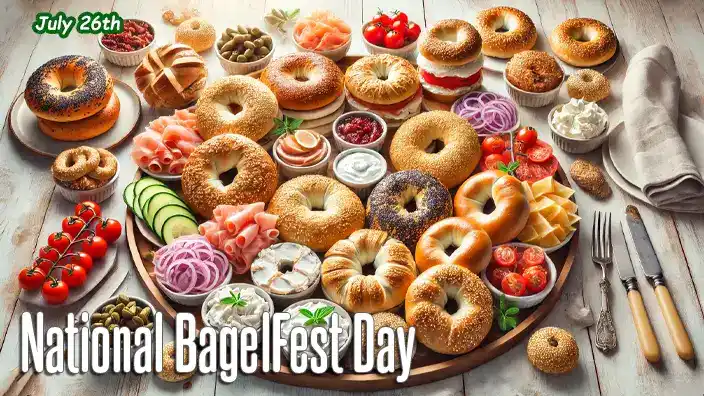
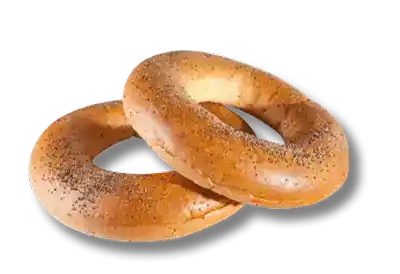
Round, chewy, and with a hole in the middle that makes them look like edible life preservers, these doughy delights have a unique way of making mornings better. Whether slathered with cream cheese or stacked with lox and capers, they somehow manage to be both a breakfast staple and a culinary blank canvas. And let's not forget the joy of trying to fit one into a toaster without getting it stuck—it's like a delicious puzzle with a carb-loaded prize!
Celebrated: Annually, on July 26th
Delve into the history, varieties, and quirky traditions that make BagelFest a hole-in-one event celebrating the beloved doughy delight known as the bagel. Explore how this humble bread product became worthy of its own festival.

- Details
The Piña Colada isn't just a drink; it's a tropical vacation in a glass. Imagine the sheer joy of sipping on this pineapple and coconut concoction while pretending you’re lounging on a Caribbean beach, even if you’re actually just in your backyard with the neighbor's lawnmower ruining the vibe. This cocktail's delightful blend of sweet and creamy flavors has the magical ability to transport you to an island paradise, making every sip feel like a mini escape. Just don’t forget to add the tiny umbrella – because no Piña Colada is truly complete without that little touch of whimsy!
Celebrated: Annually, on July 10th
Celebrate National Piña Colada Day with a Splash! Indulge in the tropical delight of the Piña Colada on July 10th, a refreshing cocktail that embodies a beachy mindset and a delightful blend of flavors.


- Details
When it comes to the great debate of paper versus plastic, the choice is clear: paper is the trusty sidekick who’s got your back, while plastic is that friend who always forgets their wallet. Choosing paper over plastic is like opting for a reliable, biodegradable hug for your groceries, and let’s be honest—nothing says “I care about the environment” like a bag that doesn’t outlive the dinosaurs.
Celebrated: Annually, on July 12th
Discover the unsung hero of everyday life on Paper Bag Day. Dive into the history, uses, and environmental impact of the versatile paper bag with a touch of humor.


- Details
Easily mistaken for tiny blue marbles, blueberries have a knack for sneaking into everything from cereal to salads and sometimes even places they shouldn’t be—like your toddler’s nose. These little fruits may be small, but they pack a punch, providing a burst of flavor that can make you forget you’re supposed to be eating healthy. Plus, they have an uncanny ability to leave evidence of your snacking habits all over your teeth and fingers, making it clear to everyone that you’ve had a berry good time.
Celebrated: Annually, on July 10th
Celebrate Pick Blueberries Day by indulging in the sweet and tangy world of blueberries. Explore their history, nutrition, and scientific benefits. Discover the joy of berry picking and the versatility of these tiny blue wonders.


- Details
When life gets tough, there's always that trusty milk chocolate bar waiting to melt your worries away—literally. It's the perfect blend of creamy goodness and sweet satisfaction, capable of turning any frown upside down. Just one bite, and suddenly, traffic jams, long meetings, and laundry piles don't seem so bad. It's like a mini-vacation for your taste buds, minus the packing and sunburn.
Celebrated: Annually, on July 28th
Discover the history and science behind milk chocolate, from its creation by Daniel Peter to the unique blend of cocoa, sugar, and milk. Celebrate National Milk Chocolate Day with indulgence and appreciation.


- Details
Rednecks are the kind of folks who can turn a broken lawnmower into a barbecue grill and make it work better than anything you’d buy at the store. They’re the masterminds behind inventions like duct tape curtains, truck-bed swimming pools, and the art of frying just about anything edible—and some things that probably shouldn’t be. Redneck wisdom is unparalleled; they’ll fix your car, your plumbing, and your mood, all while telling you the wildest hunting story you’ve ever heard. And let’s be honest, if there’s a problem that can’t be solved with a cooler full of beer, a loyal hound, and a can-do attitude, it probably wasn’t worth solving in the first place!
Celebrated: Annually, on July 3rd
Celebrate American Redneck Day with a tribute to Southern charm and simplicity. Dive into the origins, traditions, and style of this unique slice of Americana. Happy American Redneck Day, y’all!


- Details
Giving a virtual hug to your virtual assistant might seem like a digital conundrum, but it's a lot easier than it sounds. Just imagine sending a big, pixelated bear hug through your computer screen, complete with animated arms that wrap around your VA with all the warmth of a real embrace. It’s like saying, “Thank you for being the invisible force that keeps my chaos in check,” without the awkwardness of a real-life hug. So, go ahead and send that virtual squeeze—it’s the only hug that won’t mess up anyone’s hair or makeup!
Celebrated: Annually, on July 6th
Discover the evolving role of virtual assistants, from managing schedules to mastering social media strategies, and how to appreciate their invaluable support.

- Details
Ahoy, matey! Before rum became the star of beachside cocktails and pirate movies, it spent centuries sailing the world's oceans, filling naval stores, and helping sailors tolerate long voyages with questionable food and even more questionable weather. World Rum Day celebrates the remarkable history of this famous spirit, proving that sometimes the leftovers from sugar production can end up changing the world.
Celebrated: Annually, on the Second Saturday in July
Set sail through the fascinating history of rum, from pirates and sailors to tropical islands and global trade, on World Rum Day


- Details
Ever notice how a 5-minute gaming session somehow turns into a 5-hour epic quest? It's like the controllers have a magical time-warping power! One moment you're just checking out a new game, and the next, you're knee-deep in an intense battle, surviving on snacks and sheer determination, all while your real-life responsibilities patiently wait their turn.
Celebrated: Annually, on July 8th
Celebrate National Video Game Day with a journey from Pong to Pokémon, exploring the evolution of gaming from pixels to blockbusters and beyond. Game on!


- Details
Today, we honor the beloved pets who have touched our lives with unconditional love and companionship. It's a poignant day of reflection, filled with memories of wagging tails and gentle purrs, as well as the heartache of knowing that our loyal friends are no longer by our side. As we light candles and share stories, we embrace both the joy they brought us and the profound sadness of their absence, finding solace in the enduring bond we shared.
Celebrated: Annually, on July 5th
Celebrate Pet Remembrance Day by cherishing the memories of beloved pets. Discover unique ways to honor their lives and support those grieving their loss.


- Details
Beer is proof that the best things in life come in frothy, golden pints. It’s the liquid courage for karaoke night, the social glue at awkward family gatherings, and the magical potion that transforms your dad’s dance moves into something truly spectacular. Whether it's a craft brew with a name you can't pronounce or a trusty old lager, beer is the universal symbol of good times and questionable decisions. Cheers!
Celebrated: Annually, on July 3rd
Celebrate National Independent Beer Run Day: support craft breweries, plan a beer run, sample unique brews, and enjoy local community events and tastings.


- Details
The early bird may catch the worm, but have you ever thought about the worm's perspective? Imagine being rudely plucked from your cozy underground home at the crack of dawn by a chirpy, overly ambitious bird. Talk about a rough wake-up call! While the early bird proudly flaunts its catch, the worm is probably thinking, "I should have hit the snooze button." So next time you set your alarm early, just remember: even the worm has its reservations about mornings!
Celebrated: Annually, on July 1st
Celebrate Early Bird Day on July 1st, honouring those who rise with the sun. Discover the history, benefits, and humour behind this morning-centric holiday.


- Details
Somewhere beneath the waves, a shark is calmly minding its own business while humans on the beach panic over a floating stick, a dolphin fin, or Uncle Larry doing the backstroke badly. Shark Awareness Day celebrates the ocean’s most misunderstood residents, reminding us that sharks are not plotting world domination. They are mostly trying to survive while humans keep turning them into movie villains and questionable soup ingredients.
Celebrated: Annually, on July 14th
Come swim with us for Shark Awareness Day with facts, humor, shark myths, conservation tips, and fascinating insights into the ocean’s top predators

From Our Marks Catelog
-

Brussels sprouts: the tiny green orbs that have been sparking dinner table debates for...
-
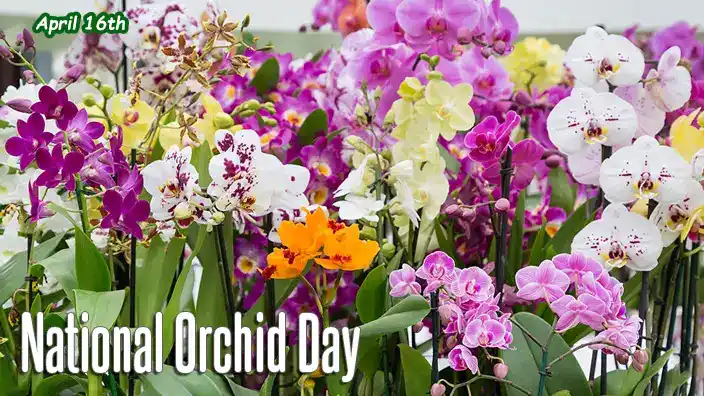
Elegance, mystery, and just the right amount of arrogance—some things demand admiration without lifting...
-
National Cake Day is the one day of the year when it's socially acceptable to have your cake and eat...
-

Forget glow-in-the-dark snack cakes and cheese that comes in a spray can—there’s something wildly...
-

If there were an Olympic event for clumsiness, someone would be rolling down the hill, missing their...
-
Gazpacho Soup Day isn’t just a day to honor cold tomato soup; it’s a day to revel in the absurdity of...

