Celebrating the Spirit That Helped Shape History
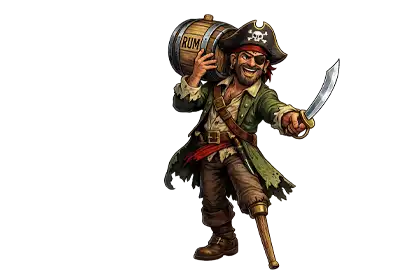
When most people hear the word rum, they immediately picture pirates, parrots, treasure maps, and someone shouting, "Arrr!" while stumbling across the deck of a wooden ship. While those colorful characters certainly helped make rum famous, the story of this remarkable spirit goes far beyond eye patches and buried treasure.
World Rum Day celebrates one of the world's oldest and most influential distilled beverages. Long before it found its way into tropical cocktails and beachside resorts, rum played an important role in global trade, naval traditions, exploration, and even the growth of entire nations. At various times in history, rum was used as currency, issued as part of sailors' daily rations, and transported across oceans by merchants seeking fortune.
So, on World Rum Day, let's raise a glass—or an eyebrow—to a drink that has sailed through centuries of history. Whether you're fascinated by maritime adventures, curious about how rum is made, or just wondering why pirates seem to have claimed exclusive ownership of it, today is the perfect time to explore the surprisingly rich story behind this legendary spirit.
What Is World Rum Day?
World Rum Day is an annual celebration dedicated to one of the world's most famous distilled spirits. Observed on the second Saturday in July, the day brings together rum enthusiasts, distillers, historians, and curious newcomers who want to learn more about the drink that has been sailing through history for centuries. Unlike some food and drink holidays that focus on a single recipe or cocktail, World Rum Day shines a spotlight on rum itself and the many cultures, traditions, and stories connected to it.
The celebration began as a way to recognize rum's global importance and the people who produce it. From Caribbean islands and South American distilleries to historic ports and modern craft producers, rum has developed a loyal following around the world. Today, distilleries, restaurants, museums, and rum clubs often mark the occasion with special events, tastings, educational programs, and historical exhibits.
Of course, World Rum Day is about much more than what is in the bottle. It is also a chance to explore the fascinating history of sugarcane, maritime trade, naval traditions, and the adventurous characters who helped make rum famous. Pirates may get most of the attention, but they are only a small chapter in a story that stretches across continents, oceans, and hundreds of years of history.
The Fascinating History of Rum
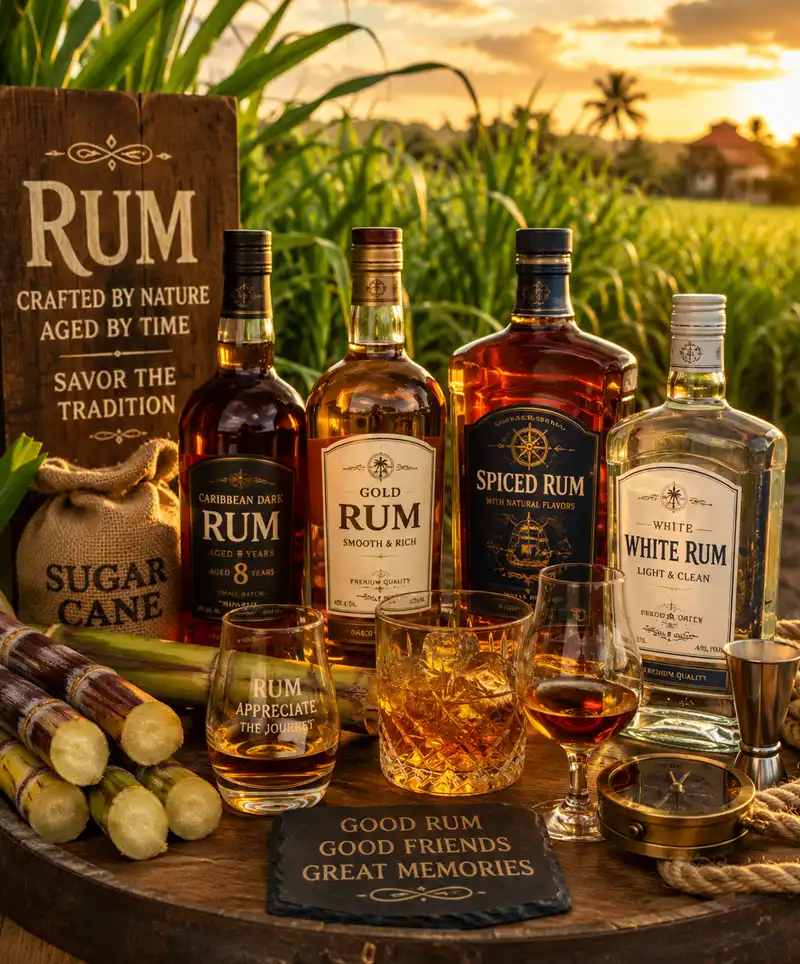
Rum's story begins with sugarcane, a plant that originated in Southeast Asia thousands of years ago before spreading across the world through trade and exploration. By the 1600s, sugar plantations in the Caribbean were producing vast quantities of sugar, along with a sticky byproduct called molasses. Someone eventually discovered that molasses could be fermented and distilled into a potent spirit. History does not record exactly who had this brilliant idea, but they undoubtedly earned the gratitude of future generations.
As rum production expanded, so did its influence. The spirit became one of the most valuable commodities in the Atlantic world and was heavily involved in trade between Europe, Africa, and the Americas. Merchant ships carried barrels of rum across oceans, while colonial settlements often relied on it as both a trade good and a source of tax revenue. In some places, rum became so valuable that it was even used as a form of currency.
Rum also became closely tied to life at sea. Sailors aboard merchant vessels and naval ships often received rum rations, partly because water stored aboard ships could spoil during long voyages. The British Royal Navy famously issued daily rum rations to sailors for more than 300 years, creating traditions that survived well into the twentieth century. Add a few pirates, privateers, and adventurous sea captains to the mix, and rum earned a permanent place in maritime folklore.
Today, rum is produced in dozens of countries and enjoyed around the world, but its history remains one of the most fascinating in the beverage industry. Few drinks can claim connections to global trade, naval history, exploration, colonial expansion, and pirate legends all at the same time. Not bad for something that started life as leftover molasses.
How Rum Is Made
The process of making rum begins with sugarcane, the same tropical plant that gives us sugar. Depending on the style of rum being produced, distillers use either fresh sugarcane juice or molasses, the thick syrup left behind after sugar production. These ingredients are mixed with water and yeast, which begins the fermentation process by converting natural sugars into alcohol. It is a bit like baking bread, except the final product is considerably less useful for making sandwiches.
Once fermentation is complete, the liquid is distilled to increase its alcohol content and refine its flavor. Distillation involves heating the fermented mixture and collecting the alcohol-rich vapor as it cools. Different distillation methods can produce very different styles of rum. Some are light and smooth, while others are rich, bold, and packed with complex flavors.
Many rums are then aged in wooden barrels, often ones that previously held bourbon or other spirits. During aging, the rum develops its color and much of its character. The longer it spends in the barrel, the more flavors it can absorb from the wood. This is why some rums emerge pale and delicate while others develop deep amber hues and notes of vanilla, caramel, spices, and oak.
The finished product may be bottled immediately or blended with other rums to achieve a particular flavor profile. The result is a remarkably diverse spirit that ranges from crystal-clear white rum to dark, richly aged varieties. Despite the different styles, every bottle shares the same humble beginning: sugarcane, patience, and someone willing to wait for chemistry to work its magic.
Rum and the Golden Age of Sail
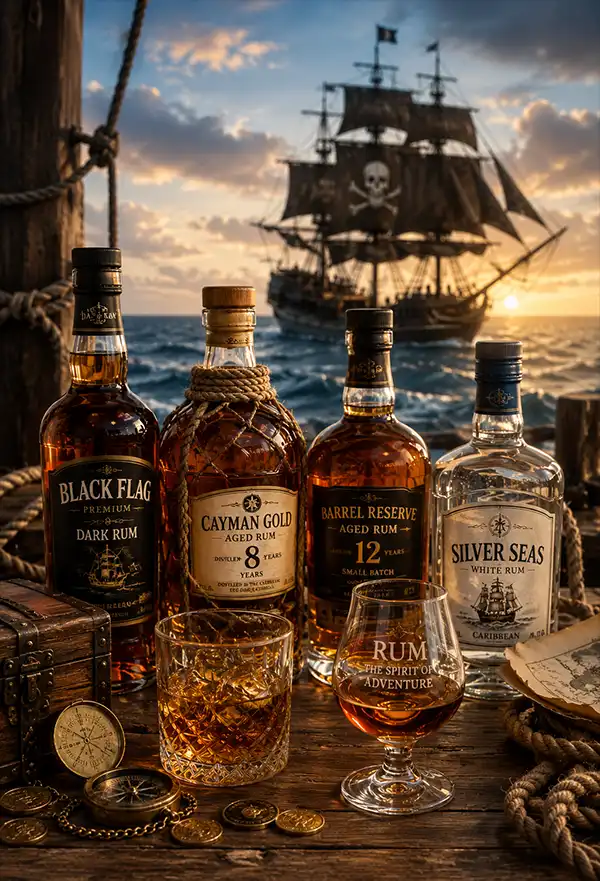
If rum had a résumé, the Golden Age of Sail would occupy most of the first page. From the 1600s through the early 1800s, rum was everywhere ships sailed. Merchant vessels carried it as cargo, naval ships stocked it for their crews, and pirates happily "borrowed" it whenever the opportunity presented itself. If a ship was floating and had sailors aboard, there was a reasonable chance rum was somewhere nearby.
Life at sea was not exactly a luxury cruise. Sailors faced storms, cramped conditions, poor food, and months away from home. Fresh water often became stale during long voyages, so many navies issued daily rum rations to help make life a little more bearable. The British Royal Navy became especially famous for this practice. For generations, sailors looked forward to their daily serving of rum, which eventually became known as "the tot." It was a tradition that lasted until 1970, a day remembered by many sailors as "Black Tot Day."
Author's Note: I joined the Royal Navy in 1970, just after Black Tot Day brought an end to the Navy's daily rum ration. I was still fortunate enough to experience a tot and even discover a 'barrel' of Navy rum. I'd share more about the occasion, but the memory, naturally, seems to have been diluted somewhere along the way.
Of course, no discussion of rum and sailing would be complete without mentioning pirates. Popular culture would have us believe that every pirate spent the day swinging from ropes with a bottle of rum in one hand and a parrot on the other shoulder. The reality was a little less theatrical, but pirates certainly helped cement rum's reputation as the drink of adventure. Their exploits inspired countless books, films, and stories that continue to influence how people think about rum today.
Rum became so closely linked to life at sea that it remains part of maritime folklore centuries later. Mention sailing ships, buried treasure, or a tropical island, and someone's mind will eventually drift toward a barrel of rum. That connection has proven remarkably durable. After all, history remembers many famous ships, but very few beverages can claim they practically sailed alongside them.
Famous Rum-Producing Regions Around the World
Rum may be closely associated with pirates and the Caribbean, but today it is produced in many corners of the globe. Different climates, traditions, and production methods give each region its own distinctive style. Much like accents, every rum-producing area speaks the same language but with its own unique flavor.
The Caribbean remains the undisputed heartland of rum production. Barbados is often called the birthplace of rum and has been producing it for centuries. Jamaica is famous for bold, flavorful rums known for their rich character, while Cuba helped popularize lighter styles that became staples in many classic cocktails. Puerto Rico is another major producer and is home to some of the world's best-known rum brands.
South America has also built a strong reputation for rum. Guyana produces distinctive rums using historic wooden stills that are among the oldest still operating in the world. Venezuela is known for carefully aged premium rums, while countries throughout Central and South America continue to develop their own traditions and techniques.
Rum production is no longer limited to tropical islands. Distilleries can now be found across North America, Europe, Australia, and beyond. Craft producers are experimenting with local ingredients, unique barrel-aging methods, and innovative production techniques. As a result, rum lovers have more choices than ever before. Whether it comes from a centuries-old Caribbean distillery or a modern craft producer, every bottle carries a small piece of the region where it was created.
Perhaps the best way to think about rum-producing regions is this: wine has France, whiskey has Scotland, and rum has an entire tropical neighborhood of islands, coastlines, and ports that have spent centuries perfecting the art of turning sugarcane into something worth celebrating.
Surprising Facts About Rum
Rum has accumulated plenty of fascinating stories during its long history. Some are surprising, some are unusual, and a few sound as though they were invented by sailors after spending too much time at sea.
- Rum was once used as money. In parts of colonial America and the Caribbean, rum was so valuable that it could be exchanged for goods and services much like currency.
- The British Navy issued rum for more than 300 years. The daily rum ration became one of the most famous traditions in naval history before finally ending on July 31, 1970, a day remembered as Black Tot Day.
- Rum begins life as a byproduct. Many varieties are made from molasses, the thick syrup left over after sugar production. Not many world-famous drinks can trace their origins to leftovers.
- Barbados is often called the birthplace of rum. Historical records suggest rum was being distilled there as early as the 1600s, making it one of the oldest commercial spirits in the Americas.
- Not all rum is made the same way. Different countries have developed their own traditions, producing everything from light, crisp rums to dark, richly aged varieties packed with complex flavors.
- Some rums spend decades aging in barrels. Premium rums may mature for 20 years or more, developing flavors that rival some of the world's most respected whiskies and brandies.
- Rum helped fuel global trade. During the Age of Sail, barrels of rum crossed oceans aboard merchant ships and became an important part of international commerce.
- Pirates did not invent rum. They certainly helped popularize its image, but rum was already a thriving industry long before pirates made it famous.
As impressive as these facts are, perhaps the most surprising thing is that a drink created from sugarcane byproducts managed to become a global icon. That's quite a journey for something that started out as what many people considered waste.
Ways to Celebrate World Rum Day
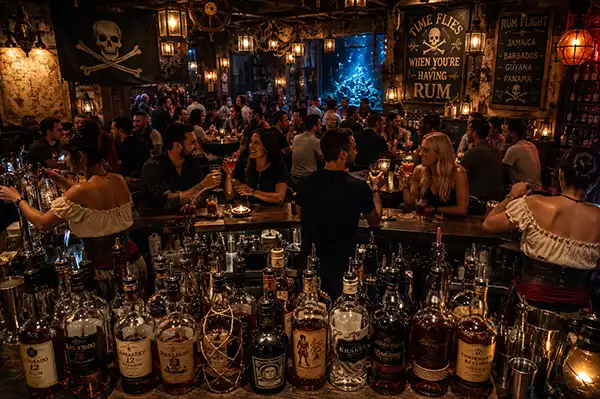
World Rum Day offers plenty of opportunities to explore the history, culture, and traditions surrounding one of the world's most famous spirits. Whether you're a dedicated rum enthusiast or simply curious about its remarkable past, there are many ways to join the celebration.
- Learn About Rum's Maritime History - Spend some time exploring the connection between rum and the Age of Sail. From naval traditions and merchant shipping to privateers and pirates, rum played a surprisingly important role in life at sea. History lovers will find no shortage of fascinating stories waiting to be discovered.
- Visit a Distillery - Many rum-producing regions welcome visitors who want to see how rum is made. Touring a distillery offers a chance to learn about fermentation, distillation, barrel aging, and the craftsmanship that goes into every bottle.
- Explore Caribbean Culture - Rum and Caribbean culture have been closely linked for centuries. Enjoy Caribbean music, cuisine, history, and traditions while learning about the islands that helped make rum famous around the world.
- Try Rum-Inspired Recipes - Rum isn't limited to drinks. It can also be found in cakes, sauces, desserts, marinades, and other dishes. World Rum Day is a perfect excuse to experiment in the kitchen and discover some delicious new recipes.
- Watch a Classic Pirate Movie - Let's be honest—sooner or later, pirates are going to appear during any discussion about rum. Gather the family, enjoy a movie night, and appreciate the fictional swashbucklers who helped make rum part of popular culture.
- Share Rum Facts With Friends - Impress friends and family with your newfound knowledge. Tell them that rum was once used as currency, that sailors received daily rum rations for centuries, or that some premium rums spend decades aging in barrels. You'll either become the most interesting person at the gathering or the one everyone suddenly avoids.
- Raise a Responsible Toast - For adults who choose to enjoy rum, World Rum Day can be an opportunity to sample different styles and learn how production methods influence flavor. As always, celebrate responsibly and remember that the history behind the drink can be just as enjoyable as the drink itself.
At its heart, World Rum Day is about appreciating a spirit that has traveled across oceans, shaped economies, inspired legends, and survived centuries of change. That's not a bad achievement for something that started life as leftover sugarcane.
World Rum Day FAQ
Rum has sailed across oceans, fueled global trade, inspired pirate legends, and even played a role in naval traditions, so it's no surprise that people have a few questions about it. Whether you're curious about how rum is made, why sailors were so fond of it, or what exactly World Rum Day celebrates, these frequently asked questions will help clear the fog from the horizon.
When is World Rum Day?
World Rum Day is celebrated annually on the second Saturday in July. The day honors rum's history, production, and cultural influence around the world.
What is World Rum Day?
World Rum Day is an international observance dedicated to rum, one of the world's oldest and most popular distilled spirits. It celebrates the drink's history, traditions, and global impact.
What is rum made from?
Rum is made from sugarcane products, most commonly molasses or fresh sugarcane juice. These ingredients are fermented, distilled, and often aged in wooden barrels.
Where did rum originate?
Rum is closely associated with the Caribbean, where large-scale production began in the 1600s. Barbados is often recognized as one of the earliest centers of rum production.
Why is rum associated with pirates?
During the Golden Age of Sail, rum was widely available aboard ships throughout the Caribbean. Pirates, sailors, merchants, and naval crews all consumed rum, leading to its lasting connection with pirate folklore.
What are the main types of rum?
The most common varieties include white rum, gold rum, dark rum, spiced rum, and aged rum. Each style has its own flavor profile and production methods.
Did sailors really receive daily rum rations?
Yes. The British Royal Navy issued daily rum rations, known as "tots," to sailors for more than 300 years. The practice officially ended on July 31, 1970, a day remembered as Black Tot Day.
Which countries are famous for producing rum?
Barbados, Jamaica, Cuba, Puerto Rico, Guyana, and Venezuela are among the world's most famous rum-producing regions, although rum is now made in many countries worldwide.
How do people celebrate World Rum Day?
People celebrate by learning about rum's history, visiting distilleries, exploring Caribbean culture, trying rum-inspired recipes, attending special events, and enjoying responsible tastings.
Is World Rum Day the same as National Rum Day?
No. World Rum Day is an international celebration held in July, while National Rum Day is a separate observance celebrated annually on August 16.
One Final Toast to History
World Rum Day is about far more than a famous spirit. It is a celebration of exploration, trade, craftsmanship, maritime tradition, and the people who helped carry rum's story across oceans and through centuries of history. From Caribbean sugarcane fields to the decks of sailing ships, rum has traveled a remarkable journey that few beverages can match.
Along the way, it became a sailor's companion, a merchant's cargo, a pirate's favorite prop, and a symbol of tropical culture enjoyed around the world. Few drinks can claim connections to naval history, global commerce, and popular folklore all at the same time. Rum has managed to do all three while somehow keeping a straight face.
So whether you spend World Rum Day learning about its fascinating past, exploring the regions that produce it, or simply appreciating the stories behind it, take a moment to raise a glass—or at least a smile—to one of history's most adventurous spirits. After all, not many drinks can boast that they helped shape history while simultaneously convincing generations of pirates that parrots were a sensible fashion accessory.