Boogie First, Ask Questions Later!
Some music genres politely ask you to tap your foot. Disco takes one look at your sensible shoes, points toward a flashing dance floor, and declares that staying seated is no longer an option. Whether you remember mirror balls from the 1970s or simply enjoy hearing Stayin' Alive at every wedding reception ever held, National Disco Day is the perfect excuse to dust off your dancing shoes and embrace an era where glitter was practically a dress code.
What Is National Disco Day?
National Disco Day is celebrated every year on July 2 to honor the unforgettable music, energetic dancing, vibrant fashion, and lasting cultural influence of the disco era. The day invites fans of all ages to revisit the songs that filled dance floors during the 1970s while introducing younger generations to a musical style that continues to inspire artists around the world.
Disco is much more than a collection of catchy songs. It represents an entire entertainment movement built around bringing people together through music and dance. From glittering nightclubs and mirror balls to synchronized dance routines and colorful clothing, disco created an atmosphere where people could forget their worries for a few hours and simply enjoy themselves. Even today, many weddings, parties, and celebrations still feature classic disco hits because they have an almost magical ability to get people onto the dance floor.
National Disco Day also recognizes the musicians, producers, DJs, choreographers, and nightclub owners who helped transform disco into a worldwide phenomenon. Their creativity influenced not only music but also fashion, television, movies, and popular culture. The signature four-on-the-floor beat, soaring vocals, rich orchestral arrangements, and irresistible bass lines introduced during disco's golden years continue to shape modern pop, dance, electronic, and house music.
Whether you're an original disco enthusiast who remembers the heyday of Studio 54 or someone discovering the genre through streaming playlists for the first time, National Disco Day is about celebrating music that encourages people to smile, sing, and dance. After all, if you can listen to a classic disco anthem without at least tapping your foot, you may want to check whether someone secretly replaced your shoes with concrete blocks.
The Rise of Disco
Disco didn't simply appear one Saturday night wearing platform shoes and demanding everyone dance—it evolved during the late 1960s and early 1970s from a lively blend of soul, funk, R&B, Motown, Latin rhythms, and pop music. Early DJs discovered that people loved songs with a steady beat they could dance to without stopping every three minutes to catch their breath. Before long, dance clubs in cities like New York and Philadelphia were packed with people who had every intention of "just staying for one song." Several hours later, they were still there, wondering where the evening had gone.
Unlike many earlier styles of popular music, disco was created with dancers firmly in mind. Producers layered infectious bass lines, lush string sections, brass arrangements, and powerful vocals over a relentless four-on-the-floor drum beat that practically issued marching orders to your feet. Songs were often extended into longer versions, giving DJs the freedom to keep the dance floor alive without awkward interruptions. It wasn't uncommon for one great track to last twice as long as its radio version, much to the delight of dancers and much to the disappointment of anyone hoping to get a seat.
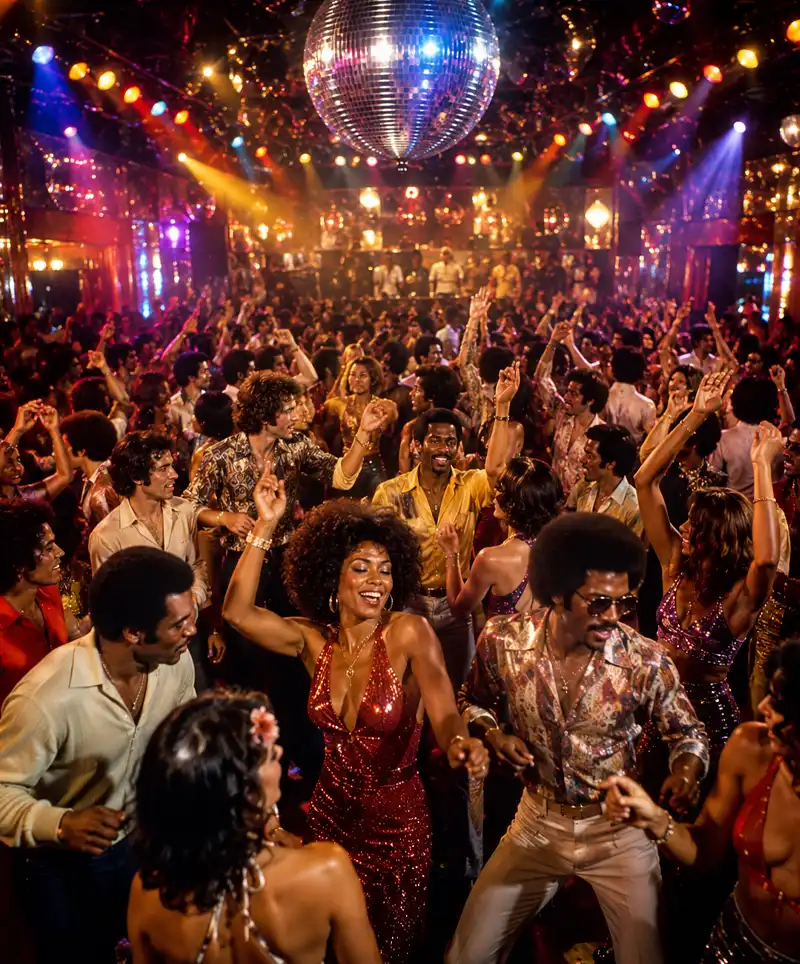
As disco fever spread, the music became more than something people listened to—it became a lifestyle. Nightclubs invested in dazzling light shows, spinning mirror balls, smoke machines, and enough glitter to keep vacuum cleaner manufacturers in business for decades. Fashion followed close behind, with polyester suits, sequined dresses, oversized collars, and platform shoes reaching impressive—and occasionally hazardous—heights. By the mid-1970s, disco had become a global sensation, proving that if the music was loud enough and the bass line was catchy enough, almost anyone could be persuaded to attempt dance moves they would later insist never happened.
The Soundtrack of an Era
If disco had a superpower, it was producing songs that people could recognize within the first few notes. Even today, all it takes is the opening beat of a classic disco anthem for heads to start nodding and feet to begin tapping. Whether you lived through the 1970s or discovered the music decades later, disco has a remarkable way of making people smile before the first verse has even begun.
The decade produced an extraordinary collection of artists whose music continues to enjoy worldwide popularity. The Bee Gees became the unmistakable voices of the disco movement, while Donna Summer earned her well-deserved title as the "Queen of Disco." Gloria Gaynor inspired generations with I Will Survive, Chic delivered unforgettable grooves with Le Freak, KC and the Sunshine Band encouraged everyone to get down tonight, and Village People proved that even spelling out four letters could become a worldwide party anthem. Add Earth, Wind & Fire, Sister Sledge, The Trammps, Heatwave, Thelma Houston, and the Jacksons, and you have a playlist capable of keeping almost any dance floor busy until closing time.
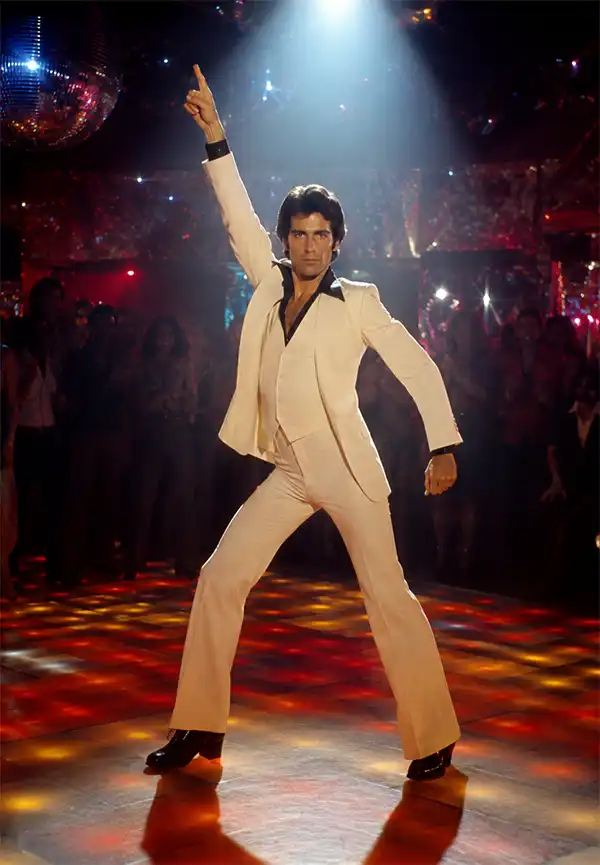
Of course, no discussion of disco would be complete without mentioning Saturday Night Fever. Released in 1977, the film transformed disco from a popular music genre into a global cultural phenomenon. John Travolta's white three-piece suit became almost as famous as the soundtrack itself, while songs like Stayin' Alive, Night Fever, and More Than a Woman became international classics. The soundtrack went on to become one of the best-selling albums of all time and introduced millions of people to disco who had never set foot inside a nightclub.
One of disco's greatest strengths was its ability to make almost everyone feel welcome. The songs were upbeat, easy to dance to, and packed with memorable choruses that people still sing today—sometimes accurately, sometimes with complete confidence despite getting every other word wrong. That's part of the charm. Disco wasn't about perfection; it was about having fun. Decades later, these songs continue to appear at weddings, birthday parties, sporting events, cruise ships, school reunions, and family celebrations because they still accomplish exactly what they were written to do: get people smiling, moving, and forgetting their worries for a little while.
More Than Glitter and Platform Shoes
It's easy to picture disco as nothing more than mirror balls, flashy dance moves, and enough polyester to keep an entire dry cleaner in business. While those images certainly became part of the era, they tell only part of the story. Plenty of people simply loved the music. You didn't need sequins, platform shoes, or a shirt with a collar wide enough to receive television signals to enjoy a great disco record. For many fans, a good pair of shoes and a willingness to dance were all the equipment required.
Disco also played an important role in bringing people together during a period of significant social change. Early disco clubs welcomed people from many different backgrounds, cultures, and communities at a time when not everyone felt accepted elsewhere. On the dance floor, age, occupation, and social status mattered far less than whether you could find the beat. The music encouraged people to celebrate, connect, and leave everyday worries outside the club doors, if only for an evening.
Its influence can still be heard nearly everywhere. Modern pop, dance, house, funk, electronic music, and even some country songs borrow heavily from the rhythms, bass lines, and production techniques pioneered during disco's golden years. Artists continue to sample classic disco recordings, while DJs regularly remix old favorites for new audiences. In many ways, disco never disappeared—it simply traded the mirror ball for digital streaming. And for those of us who remember the era, hearing one of those classic songs still brings an irresistible urge to smile... and perhaps attempt a dance move that seemed much easier forty years ago.
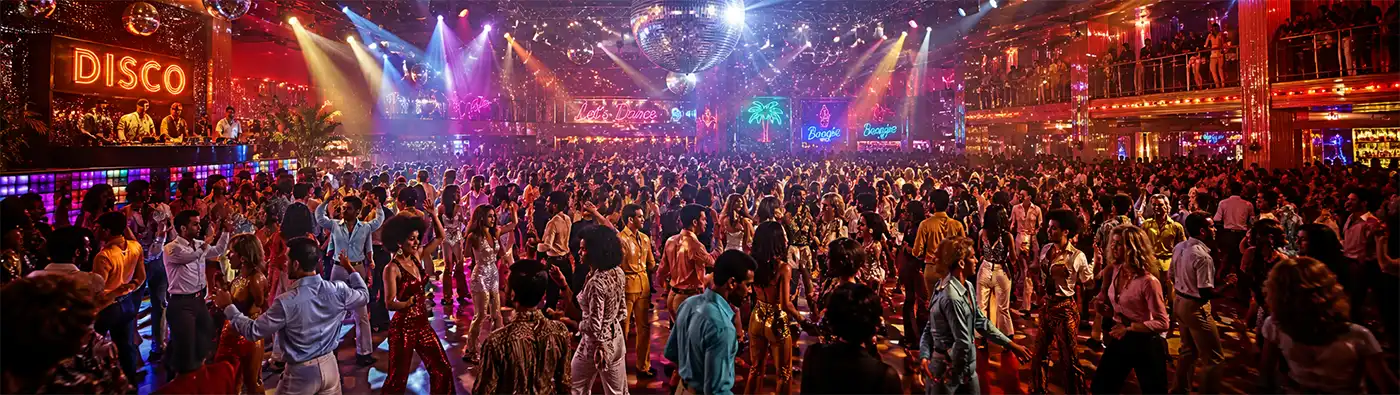
Disco Fashion Was Impossible to Ignore
Even if you preferred blue jeans and a sensible pair of sneakers, there was no escaping disco fashion. During the 1970s, clothing became just as expressive as the music itself. Nightclubs turned into unofficial fashion runways where people embraced bold colors, eye-catching patterns, and enough shiny fabric to make a Christmas ornament feel underdressed. It was an era when confidence was often measured by how loudly your outfit announced your arrival.
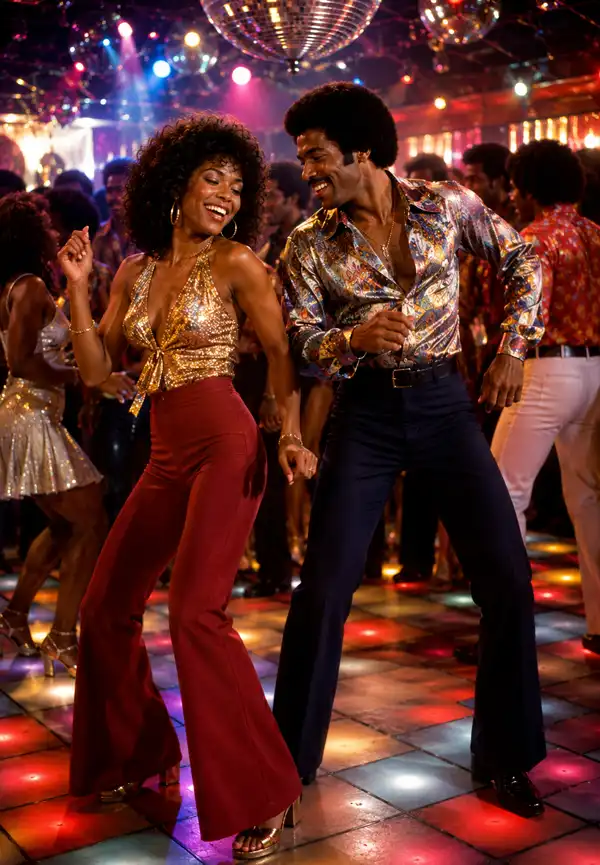
For those who wanted to make a statement, disco delivered in spectacular fashion. Sequined dresses sparkled beneath spinning mirror balls, polyester shirts came in every color imaginable, and bell-bottom trousers grew wider with what seemed like every passing month. Oversized collars became so dramatic that they occasionally looked capable of generating their own weather systems, while jumpsuits, satin shirts, and tailored leisure suits transformed ordinary evenings into memorable occasions. Platform shoes added several inches of height—and, for some dancers, several opportunities to rediscover gravity.
Of course, not everyone embraced every trend. Plenty of disco lovers simply turned up wearing their everyday clothes because they came for the music, not a fashion competition. The dance floor welcomed everyone, whether they arrived dressed for a magazine cover or looked like they'd popped in after mowing the lawn. The only real requirement was a willingness to enjoy yourself.
No discussion of disco style would be complete without mentioning the famous mirror ball. Although it had existed long before disco arrived, the glittering sphere became the symbol of the era, scattering tiny points of light across packed dance floors and making everyone feel like the star of the show for a few magical minutes. Combined with colorful lighting, fog machines, and enthusiastic dancers, it created an atmosphere that many people still remember fondly today. And if your shirt happened to shimmer under the lights, well, that was simply considered a bonus.
Fun Facts About Disco
Disco has produced enough fascinating stories to fill an entire dance floor. From record-breaking albums and legendary performers to surprising inventions and unforgettable cultural moments, there's much more to this musical phenomenon than catchy tunes and energetic dancing. Here are a few fun facts that might impress your friends—or at the very least give everyone something to talk about while waiting for the next great song to begin.
- Disco became one of the world's biggest musical movements during the 1970s.
- The Bee Gees helped define the disco sound with the Saturday Night Fever soundtrack.
- Donna Summer earned the nickname "Queen of Disco."
- The famous "four-on-the-floor" beat remains popular in dance music today.
- Mirror balls have been used in dance venues for more than a century.
- I Will Survive has become one of the world's best-known empowerment songs.
- Many disco hits continue to appear in films, commercials, and television shows.
- Modern DJs still remix classic disco tracks for today's audiences.
How to Celebrate National Disco Day
The wonderful thing about National Disco Day is that you don't have to be a professional dancer—or even a particularly graceful one—to join the fun. Whether you spend the day revisiting your favorite disco classics, discovering the genre for the first time, or simply humming along while making dinner, there are plenty of ways to celebrate. Just remember: enthusiasm counts for far more than fancy footwork, and nobody ever scored a perfect ten while sitting on the sofa.
- Create a playlist of classic disco hits.
- Watch Saturday Night Fever or another disco-themed movie.
- Learn classic dance moves from the era.
- Host a retro dance party with friends.
- Wear your brightest 1970s-inspired outfit.
- Visit a local club featuring disco music.
- Introduce younger family members to legendary disco artists.
- Turn up the music and dance around the living room—even if the family dog quietly judges your technique.
Why National Disco Day Still Matters
Disco proved that music could bring together people from every walk of life through shared joy, movement, and celebration. Its influence reaches far beyond the 1970s, shaping countless musical genres that followed.
National Disco Day reminds us that sometimes the best way to improve your mood isn't another cup of coffee—it's turning up the volume, finding a little open floor space, and remembering that nobody looks awkward once everyone else starts dancing too.
Disco FAQ
Disco has been filling dance floors and playlists for decades, so it's no surprise that people still have plenty of questions about this iconic musical genre and the celebration dedicated to it. Whether you're a lifelong fan or someone who has only recently discovered the irresistible beat, these frequently asked questions will help you learn a little more about National Disco Day and the music that refuses to stay off the dance floor.
When is National Disco Day?
National Disco Day is celebrated every year on July 2.
What is disco music?
Disco is a dance-oriented music genre that combines elements of funk, soul, pop, and orchestral music, becoming hugely popular during the 1970s.
Who are some famous disco artists?
Popular disco performers include the Bee Gees, Donna Summer, Gloria Gaynor, Chic, KC and the Sunshine Band, Village People, Sister Sledge, Earth, Wind & Fire, and The Trammps.
Why is disco still popular?
Its catchy melodies, energetic rhythms, and timeless dance beats continue to appeal to audiences of all ages while influencing modern music.
What movie made disco famous worldwide?
Saturday Night Fever (1977), starring John Travolta, introduced millions of people to disco culture and became one of the defining films of the decade.
Last Dance
Disco may have reached its peak in the 1970s, but its heartbeat never really faded. Its songs continue to fill wedding receptions, family gatherings, sporting events, cruise ships, and living rooms where someone insists they're "just checking if the speakers still work." Before long, everyone's singing along, proving that a great disco tune never truly goes out of style.
National Disco Day is the perfect opportunity to celebrate the artists, musicians, DJs, and dancers who created a musical movement that still brings people together. Whether your playlist features the Bee Gees, Donna Summer, Chic, Gloria Gaynor, Earth, Wind & Fire, or dozens of other disco legends, take a few minutes to enjoy the music that has kept people smiling for generations.
And if you happen to catch yourself pointing dramatically toward the ceiling while dancing, don't worry. It's a perfectly normal side effect of disco. There's no known cure—and judging by the smiles on the dance floor, nobody is looking very hard for one anyway. 🕺