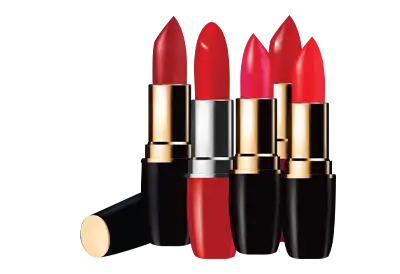
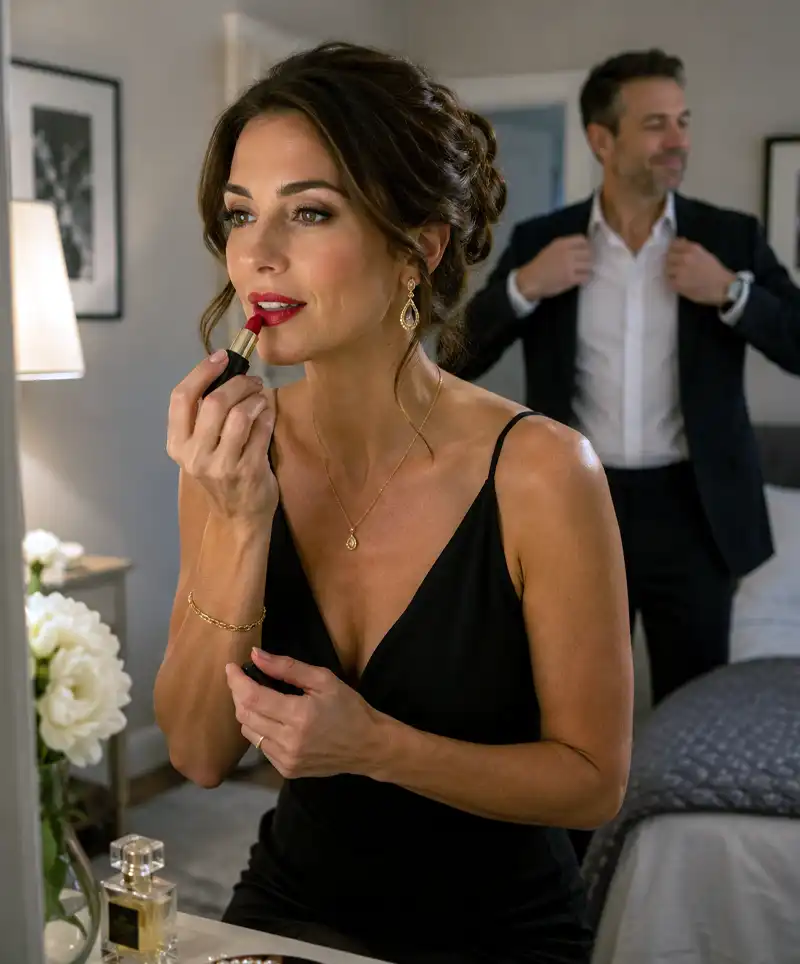
Pucker Up for National Lipstick Day!
Few beauty products have enjoyed a longer run in the spotlight than lipstick. From ancient civilizations mixing pigments from plants and minerals to today's endless array of shades, finishes, and formulas, lipstick has remained a fashion favorite for thousands of years. Whether it's a bold red that announces its arrival before the wearer enters the room or a subtle nude shade that whispers sophistication, lipstick has a remarkable ability to boost confidence with a single swipe.
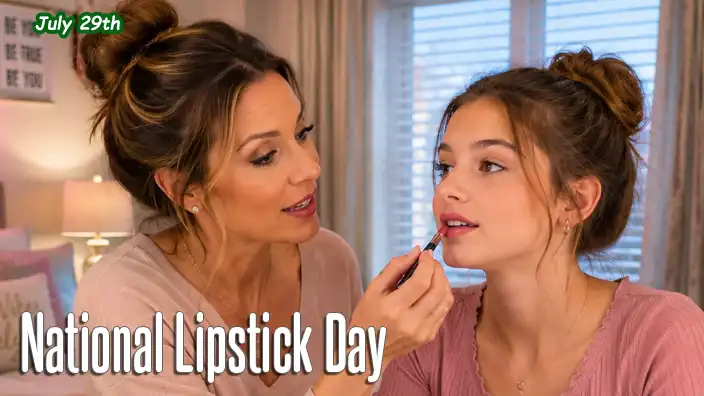
National Lipstick Day, celebrated each year on July 29, recognizes one of the world's most popular cosmetic products. It is a day for beauty enthusiasts, makeup artists, and anyone who has ever wondered how a small tube can somehow disappear into the bottom of a handbag at the exact moment it is needed. Beyond the glamour, lipstick has a fascinating history filled with royalty, fashion trends, cultural shifts, and even a few surprising controversies. So grab your favorite shade and let's take a colorful journey through the history and impact of lipstick.
What Is National Lipstick Day?
National Lipstick Day is celebrated every year on July 29 and honors one of the most popular and enduring cosmetic products ever created. While there is no official government proclamation behind the observance, it has gained widespread recognition through the beauty industry, makeup artists, retailers, and lipstick lovers who use the day to celebrate the colorful history and cultural impact of lipstick.
The annual celebration has become especially popular in recent years, with cosmetic brands often marking the occasion by launching new shades, offering special promotions, and encouraging people to experiment with different colors and styles. Social media has also played a major role in expanding awareness of National Lipstick Day, turning it into a worldwide celebration of beauty, fashion, and self-expression.
Of course, lipstick's appeal goes far beyond cosmetics. For centuries it has been used to make bold fashion statements, signify social status, boost confidence, and occasionally leave behind evidence that raises difficult questions. A lipstick mark on a coffee cup might be charming. A lipstick mark on a wine glass can be elegant. A lipstick mark on a shirt collar, however, has launched more uncomfortable conversations than perhaps any cosmetic product in history.
Today, National Lipstick Day provides the perfect excuse to appreciate the remarkable staying power of this simple beauty product. Whether someone prefers classic reds, subtle neutrals, vibrant pinks, or colors that seem to have escaped from a paint store, the day celebrates the creativity, confidence, and personality that a single swipe of lipstick can bring.
The Long History of Lipstick
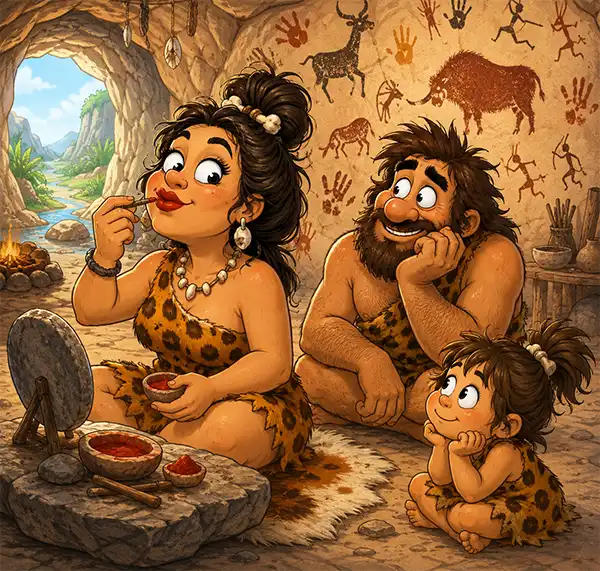
Lipstick may seem like a modern beauty product, but its history stretches back thousands of years. Long before department stores, beauty counters, and online makeup tutorials, people were coloring their lips using whatever materials they could find. In fact, lipstick is one of the oldest cosmetic products known to humanity.
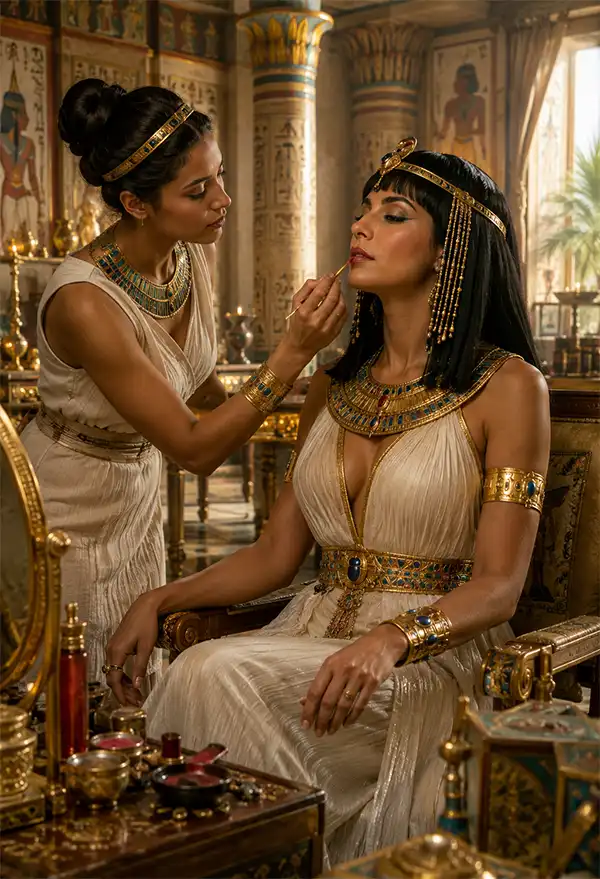
Archaeologists believe the earliest forms of lipstick appeared in ancient Mesopotamia around 5,000 years ago. Wealthy women crushed precious gemstones into fine powders and applied them to their lips and eyelids as a sign of status and beauty. Ancient Egyptians later developed their own lip colors using natural pigments, and both men and women often wore cosmetics. Perhaps the most famous example is Cleopatra, who reportedly used mixtures containing crushed insects and other natural ingredients to create rich red shades.
The popularity of lip color continued through ancient Greece and Rome, although attitudes toward cosmetics varied greatly. In some periods, lipstick was associated with wealth and fashion, while in others it was viewed with suspicion or criticism. As societies changed, so did opinions about beauty products, but lipstick never completely disappeared.
During the Middle Ages in Europe, cosmetics often fell out of favor, particularly when religious authorities associated makeup with vanity. However, the trend returned during the Renaissance, when members of the nobility once again embraced cosmetics. One of the most famous lipstick enthusiasts was England’s Queen Elizabeth I, who popularized a distinctive look featuring pale white skin and bright red lips.
Lipstick became more widely available during the 19th century, although it was still considered somewhat daring in many societies. Early products were sold in jars, papers, or small containers and were often made from natural waxes, oils, and pigments. The invention of the modern lipstick tube in the late 1800s made application far easier and helped transform lipstick from a luxury item into a practical everyday cosmetic.
The 20th century brought lipstick into the mainstream. Film stars, fashion icons, and advertisers helped popularize new shades and styles, while improvements in manufacturing created longer-lasting and more affordable products. By the time Hollywood's golden age arrived, lipstick had become a symbol of glamour, confidence, and personal style.
Today, lipstick remains one of the world's best-selling cosmetic products. While formulas and colors have evolved dramatically over the centuries, the basic idea remains remarkably unchanged. For more than 5,000 years, people have been reaching for a little color to brighten their appearance, express their personality, and occasionally leave an unmistakable mark on a coffee cup—or somewhere far more difficult to explain.
How Lipstick Became a Beauty Essential
For much of its long history, lipstick was a luxury reserved for the wealthy, the powerful, or those willing to ignore society's opinions. Over time, however, it evolved from an occasional cosmetic into one of the world's most popular beauty products. Today, millions of people carry a tube of lipstick in a purse, pocket, drawer, or glove compartment, often without giving much thought to how it became such a daily necessity.
One of the biggest turning points came during the late 19th and early 20th centuries. Improvements in manufacturing allowed lipstick to be produced on a larger scale and sold at more affordable prices. The invention of the swivel lipstick tube made application cleaner and more convenient, helping transform lipstick from a specialty item into something practical for everyday use.
The rise of Hollywood accelerated lipstick's popularity even further. Silent film stars and later movie icons appeared on screen with carefully styled makeup, including bold lip colors that audiences wanted to copy. As films became more widely distributed, beauty trends spread faster than ever before. Lipstick became associated with glamour, sophistication, and confidence, making it one of the most sought-after cosmetics on the market.
During World War II, lipstick achieved an unexpected status. While many consumer goods faced shortages, lipstick production continued in several countries because governments believed it helped maintain morale during difficult times. Red lipstick in particular became associated with resilience and optimism, proving that even during periods of hardship, people still valued small touches of normality and personal expression.
Advertising also played a major role in lipstick's success. Beauty companies promoted new shades, formulas, and finishes while encouraging consumers to find colors that matched their personalities and lifestyles. Over the decades, lipstick became more than a cosmetic product. It became a fashion accessory, a confidence booster, and a way for people to express themselves without saying a word.
Today, lipstick remains one of the most recognizable products in the beauty industry. Whether it's a classic red, a subtle nude, or a shade that looks like it was inspired by a tropical bird, lipstick continues to hold a unique place in fashion and culture. Few products can claim to have remained popular for thousands of years while still convincing people that they absolutely need just one more color.
Famous Lipstick Shades Through the Years
While lipstick has appeared in countless colors throughout history, a handful of shades have achieved almost legendary status. Some became symbols of glamour, others reflected changing fashion trends, and a few managed to remain popular decade after decade. The history of lipstick can almost be told through the colors people chose to wear.
No shade is more iconic than classic red. For centuries, red lipstick has been associated with confidence, elegance, and bold self-expression. Ancient Egyptians used red pigments long before modern cosmetics existed, and by the 20th century, red lips had become a hallmark of Hollywood glamour. Screen legends and fashion icons helped establish red lipstick as a timeless beauty staple, and it remains one of the best-selling lipstick colors in the world.
Pink shades rose to prominence during the 1950s and 1960s as fashion embraced brighter, more playful styles. Soft pinks, rose tones, and vibrant bubblegum shades became popular choices, reflecting the optimism and colorful trends of the era. These shades offered a lighter alternative to dramatic reds while still providing plenty of personality.
The 1970s and 1980s brought even greater variety. Frosted lipsticks, coral tones, and bold fashion-forward colors found their place alongside traditional favorites. Makeup trends became increasingly experimental, proving that lipstick could be used not only to complement an outfit but also to make a statement all on its own.
In the 1990s, many people embraced deeper colors, including browns, plums, and mauves. These shades reflected the fashion trends of the decade and remain recognizable to anyone who remembers the era's distinctive makeup styles. Meanwhile, the early 2000s saw a renewed interest in glossy finishes and softer, more natural-looking lip colors.
Today, lipstick is available in virtually every color imaginable, and some that might not be actually represented in the natural spectrum. Traditional reds and pinks continue to dominate sales, but modern beauty brands also offer blues, greens, purples, blacks, metallic finishes, and shades that sometimes leave observers wondering whether the wearer lost a bet. With thousands of colors available, finding the perfect lipstick has never been easier—or more likely to result in someone owning fifteen nearly identical shades while insisting that each one is completely different.
Lipstick Facts That May Surprise You
Lipstick may seem like a simple cosmetic product, but it has accumulated a surprising collection of facts, records, and stories over its thousands of years of history. Some are fascinating, some are unusual, and a few are enough to make you appreciate modern beauty products a little more.
One of the most surprising facts is just how old lipstick really is. Archaeologists have found evidence of lip coloring dating back more than 5,000 years to ancient Mesopotamia. Early users crushed gemstones and minerals to create colorful pigments, proving that the desire to enhance one's appearance is hardly a modern invention.
Ancient lipstick formulas could be far less appealing than today's versions. Throughout history, ingredients have included crushed insects, plant extracts, minerals, and various natural dyes. Fortunately, modern cosmetic regulations have replaced many of these experimental recipes with safer and more consistent ingredients. Few people today would be eager to trade their favorite lipstick for a mixture prepared by an ancient apothecary.
Lipstick played an unexpected role during World War II. While many consumer products were restricted, lipstick continued to be manufactured in several countries because leaders believed it helped maintain morale during difficult times. The idea was simple: when people looked and felt their best, it could provide a small but meaningful boost to confidence.
The invention of the modern swivel lipstick tube helped transform lipstick into an everyday item. Before convenient tubes became common, lip color was often stored in pots, papers, or small containers that were far less practical to carry around. The tube made lipstick portable, helping it become a staple of handbags around the world.
Perhaps the most astonishing fact is the sheer number of shades available today. Beauty companies produce thousands of lipstick colors ranging from classic reds and pinks to metallic golds, deep blues, and shades that appear to have been inspired by tropical fish, science fiction movies, or someone accidentally dropping a paint chart. Yet despite all the options, many lipstick fans remain convinced that the one shade they absolutely need is the one they don't already own.
And finally, while nobody can agree on exactly how many lipsticks are too many, history suggests there may not be a limit. After all, lipstick has survived changing fashions, wars, social trends, and thousands of years of human history. A collection that seems excessive today may simply be future archaeology waiting to happen.
Signs You Might Be a Lipstick Enthusiast
Not everyone who owns a tube of lipstick is a lipstick enthusiast. However, if several of the following signs sound familiar, it may be time to accept that your relationship with lipstick has progressed beyond casual acquaintance and entered the realm of full-fledged devotion.
You own multiple shades that appear identical to everyone else. Friends and family insist they're all the same color, but you know the truth. One is Ruby Rose, one is Crimson Sunset, one is Vintage Cherry, and one is Clearly Different If You Actually Look At It.
You have purchased a lipstick only to discover you already own the exact same shade. Not once. Not twice. More times than you care to admit. The good news is that you obviously have excellent taste.
You carry lipstick in places where lipstick should never be necessary. Your purse contains three tubes, the car has two, the desk drawer has one, and there is somehow another one hiding in the kitchen junk drawer.
You can identify lipstick marks like a forensic investigator. Coffee cups, wine glasses, napkins, straws, and collars all tell a story. Some stories are charming. Some stories are awkward. And some stories require a very detailed explanation.
You have a "special occasion" lipstick that has attended fewer special occasions than your lawn mower. It sits safely stored away, waiting for the perfect event, which apparently has not yet arrived.
You have spent ten minutes searching for a lipstick that was in your hand the entire time. This usually happens immediately after declaring that someone must have moved it.
You insist you're only buying one lipstick, then return home with three because they were on sale. Saving money by spending more money is a surprisingly common hobby.
You have tested lipstick on the back of your hand so often that it occasionally resembles a color chart from a paint store.
You know exactly which lipstick can survive dinner, dessert, coffee, and a windy afternoon. You also know which ones disappear before you've finished saying, "This claims to last all day."
Most importantly, you view lipstick as more than makeup. It's an accessory, a fashion statement, a confidence boost, and occasionally a conversation starter. And if anyone suggests you already own enough lipstick, you immediately begin explaining why the newest shade fills a very important gap in the collection.
At that point, congratulations. You're not just wearing lipstick. You're curating a museum. 😄
Ways to Celebrate National Lipstick Day
National Lipstick Day is the perfect opportunity to have a little fun with one of the world's most popular beauty products. Whether you're a lifelong lipstick fan or someone who only wears it on special occasions, there are plenty of ways to join the celebration.
The simplest way to celebrate is to wear your favorite lipstick shade. Whether it's a classic red, a subtle nude, a vibrant pink, or something bold enough to be seen from orbit, National Lipstick Day is a great excuse to enjoy a color that makes you feel confident and comfortable.
If you're feeling adventurous, try a shade you've never worn before. Many people stick to familiar colors, but National Lipstick Day offers the perfect reason to experiment. You might discover a new favorite or, at the very least, confirm that electric blue was perhaps not your destiny.
Take some time to learn about the fascinating history of lipstick. From ancient Mesopotamian pigments to modern long-wear formulas, lipstick has a story that spans thousands of years. Understanding its history adds an extra layer of appreciation to a product many people use every day.
Visit a beauty store or cosmetic counter to explore the latest products and trends. National Lipstick Day often brings special promotions, limited-edition releases, and opportunities to try new shades. Just remember that "I'm only looking" has been responsible for countless lipstick purchases throughout history.
Share your favorite lipstick tips, photos, or memories with friends and family. Social media is filled with people celebrating the day by showing off favorite colors, discussing beauty routines, and comparing the shades they absolutely needed despite already owning twenty that look suspiciously similar.
You can also use the day to organize your makeup collection. Sort through older products, clean out expired items, and rediscover shades you forgot you owned. Many lipstick enthusiasts are amazed to learn they already possess the exact color they were planning to buy again.
Finally, celebrate the confidence and self-expression that lipstick represents. For some, it's a fashion accessory. For others, it's part of a daily routine. And for many, it's a small touch that helps them feel ready to face the day. National Lipstick Day is a reminder that sometimes a little color can go a surprisingly long way.
Just be careful where you leave the evidence. A lipstick mark on a coffee cup is charming. A lipstick mark on a shirt collar may result in a celebration of a very different kind.
National Lipstick Day FAQ
National Lipstick Day has been adding a little extra color to calendars for years, but many people still have questions about the celebration and the cosmetic product it honors. Here are answers to some of the most commonly asked questions about National Lipstick Day and lipstick itself.
When is National Lipstick Day?
National Lipstick Day is celebrated every year on July 29.
Who created National Lipstick Day?
National Lipstick Day is widely credited to beauty entrepreneur and social media personality Huda Kattan, who helped popularize the observance in 2016. Since then, it has been embraced by beauty brands, makeup artists, and lipstick enthusiasts around the world.
How old is lipstick?
Lipstick has a history dating back more than 5,000 years. Evidence suggests that people in ancient Mesopotamia were using colored pigments on their lips long before modern cosmetics existed.
What is the most popular lipstick color?
Red lipstick is generally considered the most iconic and enduring lipstick shade. It has remained fashionable for centuries and continues to be one of the best-selling lipstick colors worldwide.
Why is lipstick so popular?
Lipstick allows people to express their personal style, enhance their appearance, and boost their confidence with a simple application. Its wide variety of colors and finishes has helped maintain its popularity for generations.
What are the main types of lipstick?
Common lipstick types include matte, satin, cream, glossy, liquid, sheer, and long-wear formulas. Each offers a different look, texture, and level of durability.
Does lipstick expire?
Yes. Most lipsticks have a shelf life of about one to two years after opening. Changes in smell, texture, or appearance can indicate that a lipstick should be replaced.
What was lipstick originally made from?
Ancient lip colors were created using natural pigments, minerals, crushed gemstones, plant extracts, and other materials available at the time. Modern lipsticks use carefully regulated ingredients designed for safety and performance.
Is National Lipstick Day only for people who wear makeup?
Not at all. National Lipstick Day is also an opportunity to appreciate the history, cultural impact, and fashion influence of one of the world's most recognizable cosmetic products.
What is the best way to celebrate National Lipstick Day?
Wear your favorite shade, try a new color, learn about lipstick history, organize your makeup collection, or simply enjoy the fun and creativity that lipstick has brought to fashion and beauty for thousands of years.
One More Swipe Before You Go
From ancient Mesopotamian pigments to the endless selection of shades lining modern store shelves, lipstick has enjoyed one of the longest and most colorful careers of any beauty product in history. It has survived changing fashions, royal courts, Hollywood trends, social movements, and countless predictions that some new cosmetic would eventually take its place. Yet thousands of years later, people are still reaching for that familiar tube before heading out the door.
National Lipstick Day celebrates far more than a cosmetic product. It recognizes creativity, self-expression, confidence, and the simple pleasure of adding a little color to everyday life. Whether someone prefers a timeless red, a soft neutral, or a shade that can probably be seen from low Earth orbit, lipstick continues to help people showcase their personality one swipe at a time.
And while beauty trends will continue to come and go, lipstick seems determined to remain exactly where it has always been—sitting in purses, pockets, makeup bags, desk drawers, and occasionally under the car seat where it disappeared three years ago. So on July 29, celebrate National Lipstick Day by wearing your favorite shade, trying something new, or simply appreciating a beauty product that has managed to stay fashionable for more than 5,000 years.
Just remember: lipstick on a coffee cup can be charming, lipstick on a wine glass can be elegant, but lipstick on a shirt collar has been creating explanations, excuses, and uncomfortable conversations for generations. Some traditions, it seems, never go out of style.