Mark The Days - January

January kicks down the door shouting, “New year, new you!” while most of us are still digesting cheese logs and trying to remember what day it is. It’s a month built on resolutions, optimism, and the subtle judgment of kale. The parties are over, the decorations are down, and suddenly everyone’s into self-improvement and budgeting—until about the 12th. But January has its perks: fresh starts, fresh calendars, and the joy of celebrating completely random things like National Bubble Bath Day (because self-care still counts if it’s slippery). It’s cold, it’s hopeful, and it’s mostly held together with caffeine.

- Details
If you’ve ever handed a kid a cardboard box and watched it turn into a spaceship, a robot, or something that somehow requires duct tape and supervision, you already understand Kid Inventors’ Day. Kids don’t wait for instructions, budgets, or approval—they just start building, usually with confidence that far exceeds the structural integrity of their creation. Sure, the end result might wobble, beep unexpectedly, or involve glitter in places you’ll be finding for weeks… but every great invention probably started with a kid thinking, “I bet this works,” and giving it a go anyway.
Celebrated: Annually, on January 17th
Celebrate Kid Inventors’ Day with fun facts, famous inventions by kids, and creative ways to inspire young innovators.


- Details
Behind every iconic movie moment is someone who’s probably sitting in a coffee-stained hoodie, arguing with themselves over whether a character should say “hi” or “hello.” Screenwriters are the unsung architects of our favorite stories, armed with little more than a keyboard, a dangerously over-caffeinated brain, and a thesaurus that’s seen better days. They can spend three days crafting the perfect dialogue for a five-second scene, only for it to be cut in editing. Yet somehow, they keep going, driven by the hope that someday, someone will remember the writer’s name before they quote the movie.
Celebrated: Annually, on January 5th
Celebrate National Screenwriters Day on January 5th, honoring the creative minds behind unforgettable films and TV shows that shape our stories.


- Details
The Alilo Parade is proof that a celebration doesn’t need fireworks, floats, or a marching band cranked up to full volume to feel special. Instead, it moves through winter streets with songs, smiles, and a quiet sense of purpose that feels both festive and reassuring. Rooted in Orthodox Christmas tradition in Georgia, Alilo blends joy and generosity in a way that feels natural rather than staged. It’s cheerful without being flashy, meaningful without being heavy, and leaves you with the pleasant feeling that the season—and humanity—might be doing just fine after all.
Celebrated: Annually, on April 27th
Discover the Alilo Parade, a Georgian Orthodox Christmas tradition featuring joyful processions, charity, and community spirit celebrated each January.


- Details
LEGO, the tiny, colorful building blocks of creativity and the sworn enemy of bare feet everywhere. These magical bricks can transform a mundane afternoon into an epic architectural adventure, where the only limits are your imagination and the number of pieces you can find without resorting to vacuum excavation. From crafting grand castles that rival those in fairy tales to building spacecraft that defy the laws of physics (and sometimes gravity), LEGO brings out the aspiring architect in all of us. And let's not forget the thrill of the hunt for that one elusive piece that seems to have vanished into thin air, leading to a household search more intense than a detective on a high-profile case. Truly, LEGO isn't just a toy; it's a lifestyle, a passion, and occasionally, a slightly painful reminder of the joys of childhood lurking on the living room floor.
Celebrated: Annually, on January 28th
International Lego Day! These iconic bricks' history, cultural impact, and educational benefits continue to inspire imagination and innovation across all ages.

- Details
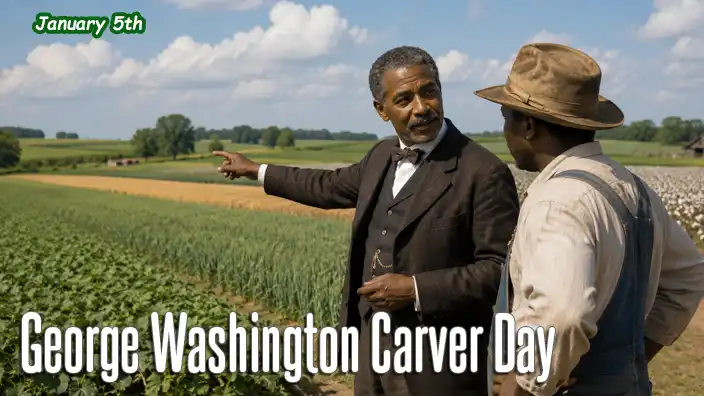
George Washington Carver Day is one of those observances that quietly reminds us that some of history's greatest achievements did not come from politics, military victories, or enormous fortunes. Instead, they came from a man who looked at a handful of soil, a peanut, and a sweet potato and asked, "What else can these become?" It turns out the answer was "quite a lot." While many of us struggle to decide what to do with leftovers in the refrigerator, George Washington Carver found hundreds of practical uses for everyday crops and forever changed American agriculture.
Celebrated: Annually, on January 5th
Discover how George Washington Carver's curiosity and compassion helped farmers, protected the land, and proved that even a simple peanut can have an extraordinary story

- Details
The hero of the postal world and the arch-nemesis of silence. It's the only packaging material that doubles as a stress-relief tool and a DIY pop concert. Who hasn't been tempted by the siren call of those little air-filled pockets, each pop a miniature explosion of joy? It's like nature's way of saying, "Here, have a tiny burst of happiness!" And let's be real: receiving a package is cool, but the real treasure is the bubble wrap. It's the adult equivalent of finding bubble gum in your lollipop – a surprise bonus that keeps on giving, one pop at a time. Just remember, popping bubble wrap is like eating chips; you can't stop at just one, and suddenly, it's 3 AM, and you're wondering where all the bubble wrap went.
Celebrated: Annually, on January 29th
Celebrate National Bubble Wrap Day with a pop! Discover the journey of bubble wrap from quirky wallpaper idea to pop culture icon, and the joy of popping.

- Details
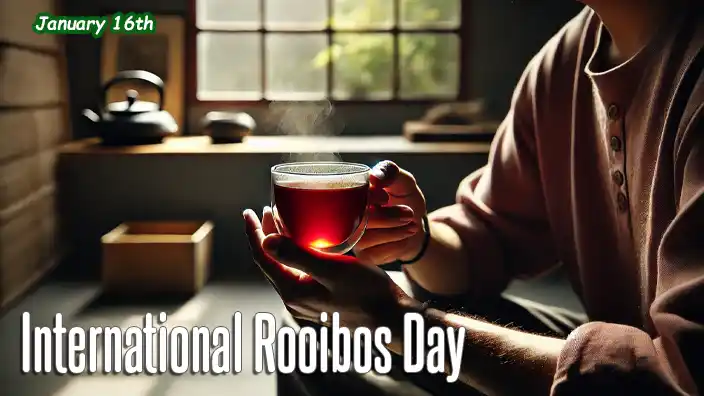
In the world of teas, Rooibos is the eccentric uncle who refuses to play by the rules. It's not even a tea, but a herb, and proudly caffeine-free as if it's been on a health kick since the dawn of time. Rooibos hails from South Africa, where it's been the go-to drink for centuries, probably enjoyed by lions and elephants during their tea breaks. With its vibrant red hue, it’s like a party in a cup, minus the hangover. Rooibos tastes like it picked up flavors while backpacking across a dessert - a little nutty, a hint of sweet, and a whisper of vanilla as if it's trying to be a dessert masquerading as a tea. Drinking Rooibos is an experience, a taste adventure - think Indiana Jones in a teacup!
Celebrated: Annually, on January 16th
Join the fun on International Rooibos Day! Dive into our humorous take on this unique tea's history, flavor, and global appeal. Celebrate with us on January 16.


- Details
You know that moment when someone says, "You’re so brave for wearing that," and you’re left wondering if you’ve been insulted or inducted into the Compliment Hall of Fame? Compliments can be tricky little things, walking the fine line between heartfelt and hilariously awkward. They’re like the soufflés of social interaction—perfectly delightful when done right but prone to collapsing spectacularly if not handled with care. Whether it’s your coworker marveling at your "unique" approach to PowerPoint or your grandma congratulating you on finally figuring out "how to dress yourself properly," compliments are proof that humor and humanity go hand in hand.
Celebrated: Annually, on January 24th
Learn how to give the perfect compliment and participate in National Compliment Day challenges to spread joy and appreciation in your daily interactions.

- Details
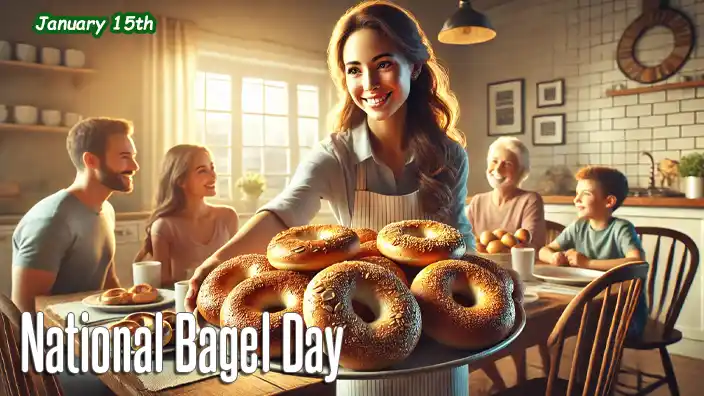
Bagels are proof that even bread can have personality—a little chewy, a little crusty, and always sporting a stylish hole in the middle. They’re like the donut’s quirky cousin who traded sugar for sesame seeds and said, “I’m breakfast, lunch, and a midnight snack!” Whether they’re being smothered in cream cheese or turned into pizza wannabes, bagels somehow manage to balance sophistication and comfort food vibes in one delicious, carb-filled package. Honestly, who needs a soulmate when you’ve got everything seasoning?
Celebrated: Annually, on January 15th
Celebrate National Bagel Day by exploring the delicious history and versatility of bagels, from classic toppings to fun facts and creative ways to enjoy them.


- Details
There’s a moment—right after that first bite of English toffee—when all plans of “just one piece” quietly fall apart. You tell yourself you’re in control, that you’re here to appreciate the craftsmanship, the texture, the rich buttery flavor… and then suddenly you’re brushing crumbs off your shirt and wondering who finished the tray. National English Toffee Day isn’t about discipline—it’s about accepting the inevitable with dignity (and maybe a fresh cup of coffee to go with your next piece).
Celebrated: Annually, on January 8th
Join us in celebrating the history, recipes, and crunchy charm of this buttery classic treat loved for generations.

- Details
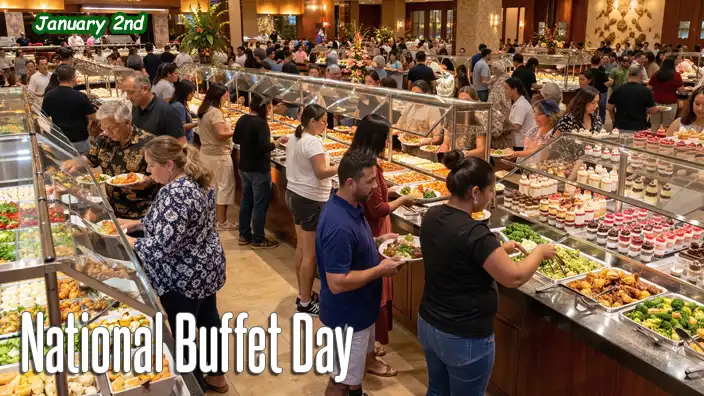
There are few moments in life as full of promise as standing at the edge of a buffet line with an empty plate and absolutely no long-term strategy. It starts innocently—“I’ll just try a little of everything”—and ends with a plate that looks like it lost a bet. National Buffet Day celebrates that glorious freedom, where portion control goes on vacation, and your only real opponent is your own optimism.
Celebrated: Annually, on January 2nd
Let's explore National Buffet Day, from its origins to modern buffets, and we'll throw in some fun facts and tips for making the most of your next feast.


- Details
In a world where crispy skin reigns supreme and pancakes aren’t just for breakfast, there’s a dish that commands both respect and drooling admiration. Combining culinary precision with the kind of decadence that makes you momentarily forget your diet, it’s a meal so glorious that even emperors once demanded it by name. Add a side of hoisin sauce and some scallions, and suddenly, you’re not just eating—you’re participating in an edible symphony of flavor and crunch.
Celebrated: Annually, on January 18th
Celebrate National Peking Duck Day on January 18th by exploring the rich history, preparation, and cultural significance of this iconic Chinese dish.


- Details
You know you’re in for a soothing yet oddly intense experience when a voice so calm it could narrate a meditation app starts discussing global economic crises. It’s the only place where jazz interludes, deep-dive interviews about artisanal beekeeping, and breaking news about a political scandal can all coexist harmoniously. Whether you’re there for the measured tones or just trying to stay awake on your commute, it’s like a cozy intellectual blanket that occasionally drops you into existential dread—but in the most well-articulated way possible.
Celebrated: Annually, on January 13th
Celebrate Public Radio Broadcasting Day by tuning in to the rich tapestry of sounds, stories, and music that connect communities and inspire minds.

- Details
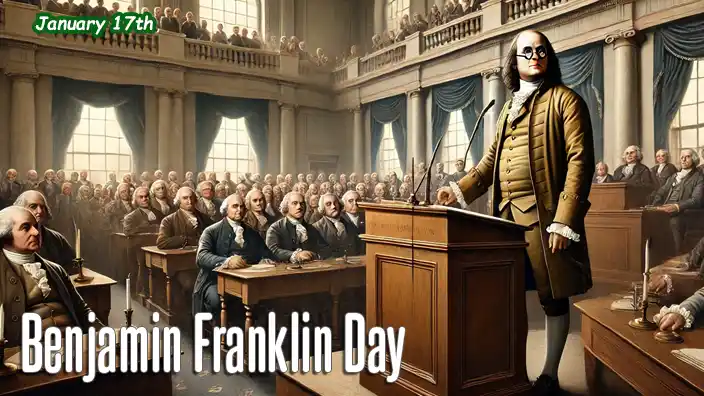
In an era when most people were content to master one trade, there was someone out there inventing bifocals, discovering electricity, negotiating with kings, and still finding time to write snarky essays about why older women make better companions. Whether charming the French with his wit or proposing that lightning rods could save buildings from Zeus’s wrath, this multitasking marvel seemed to have a knack for turning curiosity into brilliance—and a side of cheeky mischief to keep things interesting.
Celebrated: Annually, on January 17th
Discover the incredible achievements of Benjamin Franklin, from his inventions to his role in American independence, and how to celebrate his legacy.

- Details
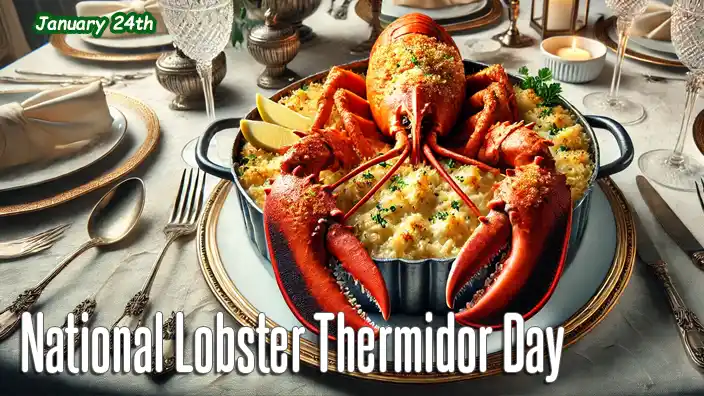
Walking into a fancy restaurant and spotting the menu's most expensive item always feels like a dare. You could play it safe with the salmon, but where’s the drama in that? Instead, you find yourself nodding confidently, knowing full well that ordering Lobster Thermidor will simultaneously empty your wallet and elevate your status to "person who knows what Thermidor even means." It’s not just a meal; it’s a statement—a cheesy, brandy-soaked, breadcrumb-topped statement that says, "Tonight, I dine like royalty, and tomorrow, I survive on instant noodles."
Celebrated: Annually, on January 24th
Discover the rich history and decadent recipe of Lobster Thermidor, a gourmet delight that transforms any meal into a lavish dining experience.

- Details
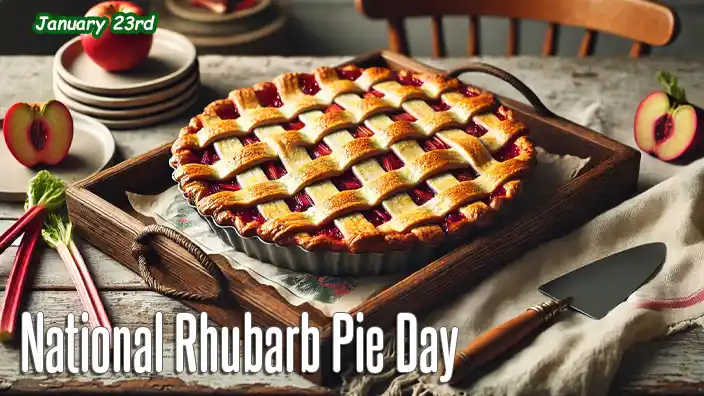
In the grand hierarchy of culinary ingredients, there’s always that one oddball that shows up uninvited and still manages to steal the show. That’s rhubarb for you—a vegetable that thought, "You know what? I’m going to make my mark in desserts instead!" With its bright red stalks and unapologetically sour attitude, it’s like the rebellious teenager of the plant world, refusing to conform to the rules of sweet or savory. But give it a little sugar, and suddenly it’s the life of the pie party, leaving strawberries and apples wondering, "Who invited this guy?"
Celebrated: Annually, on January 23rd
Uncover the delightful world of rhubarb pie this January 23rd. From its bold flavor to creative recipes, celebrate this unique dessert and its fascinating history!

- Details
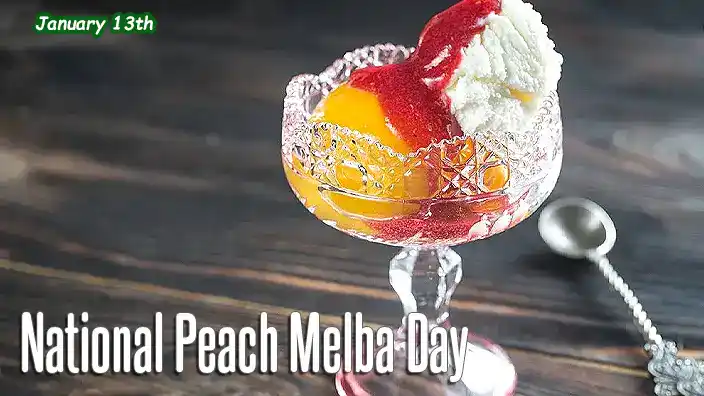
Peach Melba is proof that even desserts can have diva moments. Born from the mind of a world-class chef and inspired by an opera star, it’s practically a dessert with its own VIP lounge. You can almost hear the peaches singing an aria as they’re delicately poached, while the raspberry sauce pirouettes across the plate like a prima ballerina. And let’s not forget the vanilla ice cream—ever the supportive ensemble, holding the whole production together. If desserts could demand applause, Peach Melba would surely take a bow every time it’s served.
Celebrated: Annually, on January 13th
Celebrate National Peach Melba Day on January 13th, honouring the classic dessert that combines peaches, raspberry sauce, and vanilla ice cream.

- Details
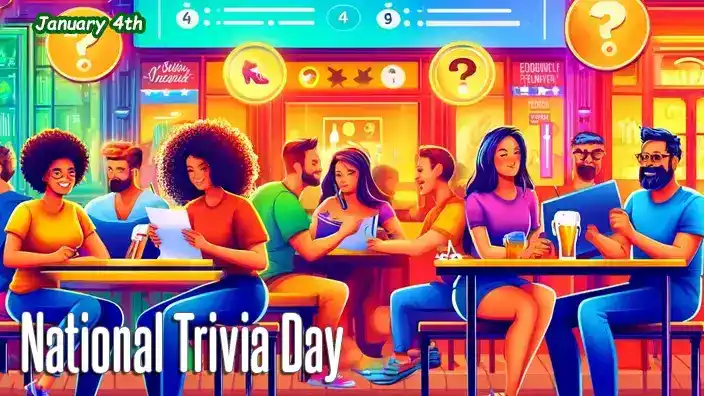
It's the one day a year when your ability to recall the name of Napoleon's horse (it's Marengo, by the way) or the world's largest manufacturer of tires (surprise—it's LEGO!) can earn you not just eye-rolls but actual admiration. It's a day when knowing the capital of Burkina Faso (Ouagadougou, obviously) is as important as knowing your own birthday. So, dust off those obscure factoids stored in the nooks and crannies of your brain and prepare to shine—or at least to dazzle your friends with your ability to remember the entire periodic table in reverse, just for kicks.
Celebrated: Annually, on January 4th
Uncover the origins of National Trivia Day, a celebration that transcends borders, started by Robert L. Birch in the late 1970s. Join the global community in appreciating the value of trivial facts and the joy of learning.
From Our Marks Catelog
-

Brussels sprouts: the tiny green orbs that have been sparking dinner table debates for...
-
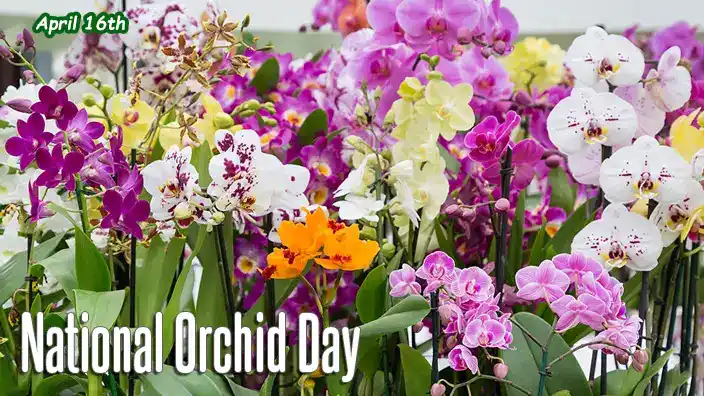
Elegance, mystery, and just the right amount of arrogance—some things demand admiration without lifting...
-
National Cake Day is the one day of the year when it's socially acceptable to have your cake and eat...
-

Forget glow-in-the-dark snack cakes and cheese that comes in a spray can—there’s something wildly...
-

If there were an Olympic event for clumsiness, someone would be rolling down the hill, missing their...
-
Gazpacho Soup Day isn’t just a day to honor cold tomato soup; it’s a day to revel in the absurdity of...

