Mark The Days - January

January kicks down the door shouting, “New year, new you!” while most of us are still digesting cheese logs and trying to remember what day it is. It’s a month built on resolutions, optimism, and the subtle judgment of kale. The parties are over, the decorations are down, and suddenly everyone’s into self-improvement and budgeting—until about the 12th. But January has its perks: fresh starts, fresh calendars, and the joy of celebrating completely random things like National Bubble Bath Day (because self-care still counts if it’s slippery). It’s cold, it’s hopeful, and it’s mostly held together with caffeine.

- Details
Career coaches are like the GPS for your professional life, except they don’t reroute you to a dead-end street or passive-aggressively say “recalculating” when you make a mistake. They’re the folks who can take your rambling, five-paragraph explanation of your skills and turn it into a punchy, irresistible elevator pitch. Need to answer the dreaded “What’s your biggest weakness?” question? They’ll help you spin “I’m bad at math” into “I’m a creative thinker who prioritizes innovation over rigid structures.” Career coaches are basically career magicians—only instead of pulling rabbits out of hats, they pull confidence out of your nervous soul.
Celebrated: Annually, on January 8th
Discover the significance of National Career Coach Day, a day to appreciate the transformative impact of career coaches on professional journeys and job market navigation.


- Details
You know that moment when someone says, "You’re so brave for wearing that," and you’re left wondering if you’ve been insulted or inducted into the Compliment Hall of Fame? Compliments can be tricky little things, walking the fine line between heartfelt and hilariously awkward. They’re like the soufflés of social interaction—perfectly delightful when done right but prone to collapsing spectacularly if not handled with care. Whether it’s your coworker marveling at your "unique" approach to PowerPoint or your grandma congratulating you on finally figuring out "how to dress yourself properly," compliments are proof that humor and humanity go hand in hand.
Celebrated: Annually, on January 24th
Learn how to give the perfect compliment and participate in National Compliment Day challenges to spread joy and appreciation in your daily interactions.

- Details
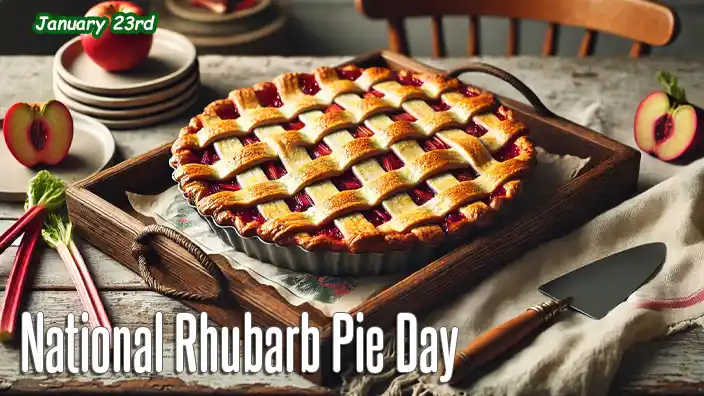
In the grand hierarchy of culinary ingredients, there’s always that one oddball that shows up uninvited and still manages to steal the show. That’s rhubarb for you—a vegetable that thought, "You know what? I’m going to make my mark in desserts instead!" With its bright red stalks and unapologetically sour attitude, it’s like the rebellious teenager of the plant world, refusing to conform to the rules of sweet or savory. But give it a little sugar, and suddenly it’s the life of the pie party, leaving strawberries and apples wondering, "Who invited this guy?"
Celebrated: Annually, on January 23rd
Uncover the delightful world of rhubarb pie this January 23rd. From its bold flavor to creative recipes, celebrate this unique dessert and its fascinating history!


- Details
55 MPH Speed Limit Day celebrates that unforgettable era when America collectively discovered that driving could, in fact, feel like watching paint dry from behind the wheel. Born from fuel shortages and practical necessity, this historic speed limit taught generations of drivers patience, restraint, and how to angrily stare at their speedometer while absolutely nobody passed anything except gas stations.
Celebrated: Annually, on January 2nd
Discover the story of 55 MPH Speed Limit Day, from the 1970s oil crisis to road safety, fuel conservation, and cultural impact.

- Details
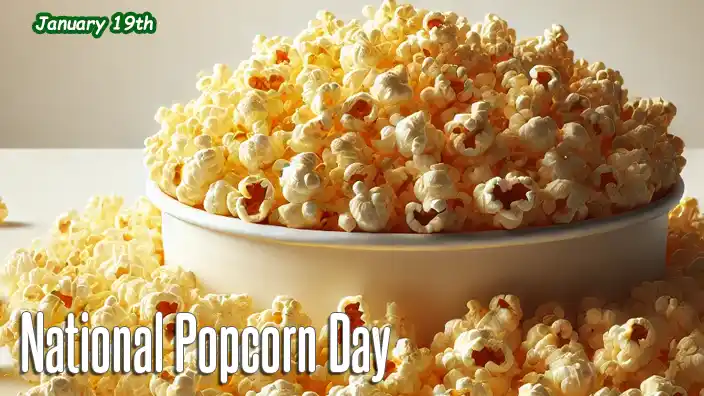
In a world where snack choices reveal true personalities, popcorn eaters stand apart as the daring adventurers of the culinary landscape. These are the people who boldly navigate a tidal wave of butter and salt, all while juggling the delicate balance of not spilling a single kernel. They laugh in the face of microwave timing risks, knowing full well the difference between "perfectly popped" and "charcoal surprise." Whether they're diving into a bucket during a suspenseful movie scene or meticulously fishing out unpopped kernels like treasure hunters, popcorn fans embody the art of indulgence with just a touch of chaos.
Celebrated: Annually, on January 19th
Explore the delightful world of popcorn, from its ancient origins to its role in cinema and health benefits. Join the fun on National Popcorn Day!


- Details
Navigating the twists and turns of your own mind is like rummaging through a closet you haven’t organized since the 90s. You might stumble upon a vivid recollection of your first-grade talent show performance but completely forget why you walked into the kitchen. Memories have a sense of humor, too—saving the cringiest moments for 3 a.m. playback while important facts, like your neighbor’s name, vanish into the void. They’re like party guests: some stay too long, some leave too soon, and others you never invited but can’t seem to get rid of.
Celebrated: Annually, on January 19th
Celebrate Good Memory Day on January 19th by revisiting joyful moments from your past and understanding the science behind memories.

- Details
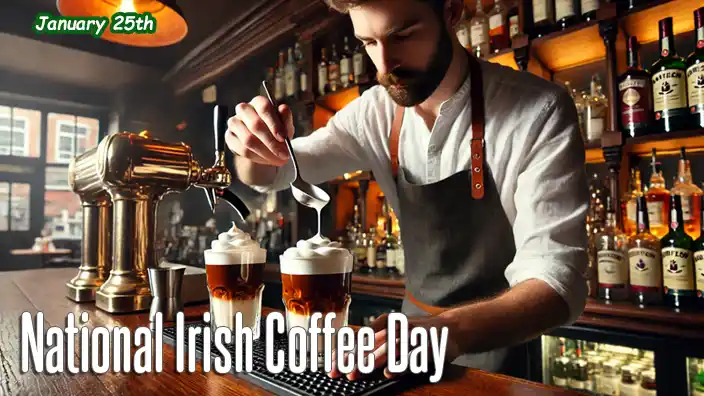
On a chilly evening, there’s nothing quite like a warm beverage that not only wakes you up but also gives you the courage to sing a few verses of an Irish ballad. Add a splash of something spirited and a dollop of cream that refuses to sink, and suddenly, life feels a little brighter, a little cozier, and a lot more Irish. It’s the kind of drink that makes you wonder why mornings don’t start this way—until you remember the whiskey.
Celebrated: Annually, on January 25th
Discover the rich history and perfect blend of Irish Coffee, celebrated on National Irish Coffee Day, January 25th. A delightful drink with a story!


- Details
National Shortbread Day is your official reminder that sometimes the best things in life come with zero drama and a whole lot of butter. Shortbread doesn’t need frosting, sprinkles, or a surprise filling—it shows up with three ingredients and the quiet confidence of something that’s been perfect since before people started putting bacon on dessert. One bite and you’ll understand why it’s lasted for centuries: it’s crisp, crumbly, and politely addictive… the kind of cookie that makes you say “just one” and then mysteriously forget how counting works.
Celebrated: Annually, on January 6th
Celebrate with Scotland’s classic buttery cookie—simple, crumbly, timeless, and perfect with tea or coffee any day of the week.


- Details
A celebration of sleep is the kind of party everyone can get behind—no dress code, no awkward small talk, and the only "gift" required is a comfy pillow. It’s the simplest festival ever: just crawl into bed, close your eyes, and boom—you’re the life of the party by doing absolutely nothing. No cake, no confetti, just the sweet serenade of your snoring. It’s the only celebration where "ghosting" is encouraged (because, you know, you’re unconscious), and you can RSVP "Yes" in your pajamas. Best of all, everyone wakes up a winner—refreshed and ready for another nap.
Celebrated: Annually, on January 3rd
Celebrate Festival of Sleep Day on January 3rd! Embrace the joy of napping and relaxation in this whimsical tribute to the importance of sleep.

- Details
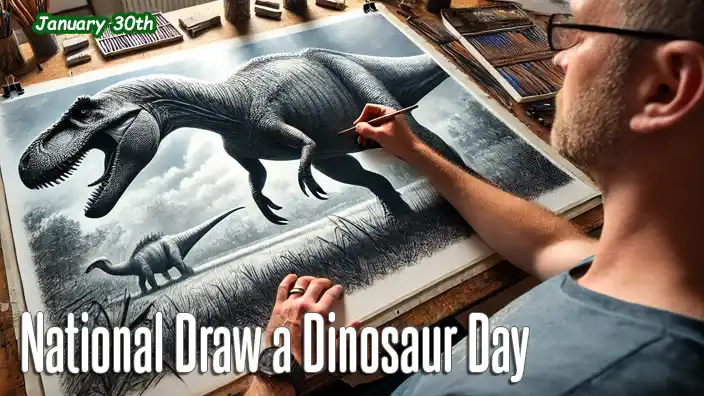
Who knew that creating a prehistoric masterpiece could lead to such existential questions? Like, did Stegosauruses have fabulous, rainbow-colored plates, or were they rocking a more subdued, earthy vibe? And let’s not even talk about the pressure of getting those T-Rex arms just right—one wrong move and you’ve turned a fearsome predator into the world’s angriest toddler. Drawing dinosaurs is less about accuracy and more about embracing the chaos—because if science hasn’t figured it all out yet, your polka-dotted Triceratops is as valid as anyone else’s!
Celebrated: Annually, on January 30th
Join artists and dinosaur enthusiasts on January 30th for National Draw a Dinosaur Day. Learn tips, techniques, and have fun creating your dinosaur masterpieces.

- Details
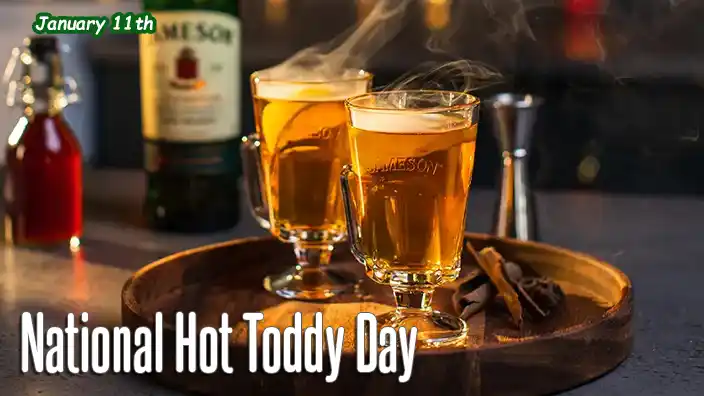
A hot toddy is like a warm hug in a mug, perfect for those cold nights when your blanket isn't cutting it. It's the only drink that says, "I'm here to soothe your soul," while secretly packing a punch of whiskey. As you sip it, you can feel the battle between the honey's sweetness and the lemon's zest, with the whiskey swooping in like a cozy blanket for your insides. It's the ultimate cold-weather cocktail, turning your sniffles into giggles and your shivers into smiles.
Celebrated: Annually, on January 11th
Explore the heartwarming history and global journey of the hot toddy, a beloved winter drink blending heat, sweetness, spice, and tradition.

- Details
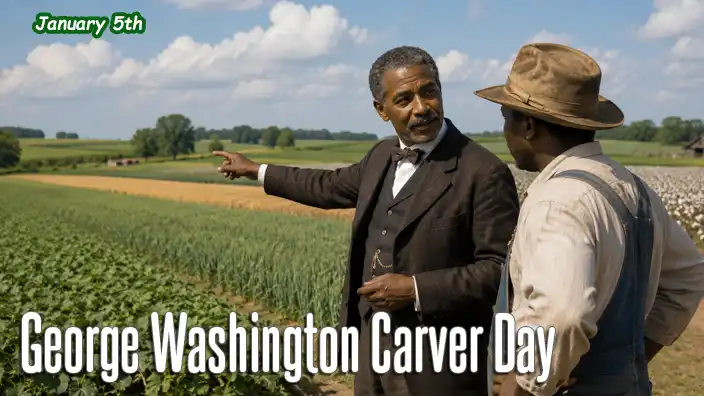
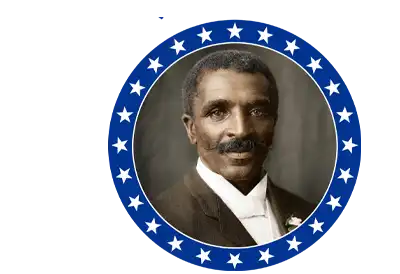
George Washington Carver Day is one of those observances that quietly reminds us that some of history's greatest achievements did not come from politics, military victories, or enormous fortunes. Instead, they came from a man who looked at a handful of soil, a peanut, and a sweet potato and asked, "What else can these become?" It turns out the answer was "quite a lot." While many of us struggle to decide what to do with leftovers in the refrigerator, George Washington Carver found hundreds of practical uses for everyday crops and forever changed American agriculture.
Celebrated: Annually, on January 5th
Discover how George Washington Carver's curiosity and compassion helped farmers, protected the land, and proved that even a simple peanut can have an extraordinary story
- Details
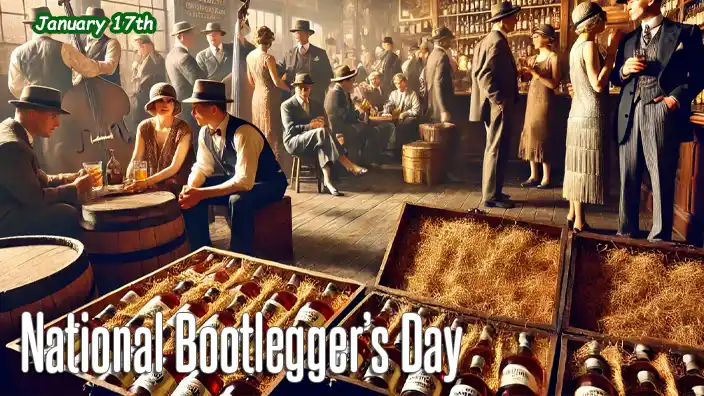
In a time when getting a drink required more creativity than a magician pulling rabbits out of hats, some clever souls turned to moonlit backroads and hidden compartments to keep the party going. With their quick wits, faster cars, and a questionable understanding of chemistry, they became masters of dodging the law and delivering liquid courage. Whether it was outrunning the cops or perfecting the art of disguising booze as "olive oil," these folks proved that necessity truly is the mother of invention - especially when it involves whiskey.
Celebrated: Annually, on January 17th
Celebrate National Bootlegger’s Day, honoring the inventive spirits of Prohibition who defied the law to quench America's thirst for alcohol.


- Details
Hot buttered rum is like the quirky cousin of traditional winter drinks - it shows up at the party with a dollop of butter, a splash of rum, and a parade of spices, leaving everyone wondering, 'Is this a drink or a dessert?' It's the only beverage that answers the age-old question: What happens when a cocktail and a slice of spice cake have a deliciously tipsy rendezvous? It's warm, it's buttery, and it's just tipsy enough to make the cold weather bearable and your odd uncle's holiday stories slightly more interesting.
Celebrated: Annually, on January 17th
Look into the spirited past of National Hot Buttered Rum Day, exploring its colonial origins, evolution, and how it became a winter favorite.

- Details
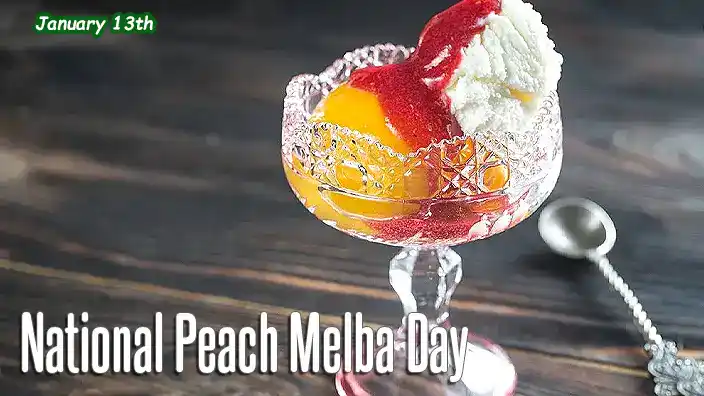
Peach Melba is proof that even desserts can have diva moments. Born from the mind of a world-class chef and inspired by an opera star, it’s practically a dessert with its own VIP lounge. You can almost hear the peaches singing an aria as they’re delicately poached, while the raspberry sauce pirouettes across the plate like a prima ballerina. And let’s not forget the vanilla ice cream—ever the supportive ensemble, holding the whole production together. If desserts could demand applause, Peach Melba would surely take a bow every time it’s served.
Celebrated: Annually, on January 13th
Celebrate National Peach Melba Day on January 13th, honouring the classic dessert that combines peaches, raspberry sauce, and vanilla ice cream.


- Details
Keto is the diet that looks at a basket of warm bread and says, “Absolutely not,” then turns around and happily eats half an avocado wrapped in bacon with a side of cheese. It flips the usual food pyramid on its head and treats carbs like suspicious strangers while welcoming butter, eggs, and steak like long-lost friends. At first, you find yourself reading labels like a detective searching for hidden sugar, muttering, “Three grams of carbs? Not today.” But once you get the hang of it, keto becomes less about sacrifice and more about creative ways to turn ordinary meals into something that looks like a celebration of everything the butter dish has to offer. 😄🥓🥑🧀
Celebrated: Annually, on January 5th
Join the fun on National Keto Day! Explore keto-friendly meals, common challenges, and creative ways to embrace this low-carb lifestyle with friends.


- Details
LEGO, the tiny, colorful building blocks of creativity and the sworn enemy of bare feet everywhere. These magical bricks can transform a mundane afternoon into an epic architectural adventure, where the only limits are your imagination and the number of pieces you can find without resorting to vacuum excavation. From crafting grand castles that rival those in fairy tales to building spacecraft that defy the laws of physics (and sometimes gravity), LEGO brings out the aspiring architect in all of us. And let's not forget the thrill of the hunt for that one elusive piece that seems to have vanished into thin air, leading to a household search more intense than a detective on a high-profile case. Truly, LEGO isn't just a toy; it's a lifestyle, a passion, and occasionally, a slightly painful reminder of the joys of childhood lurking on the living room floor.
Celebrated: Annually, on January 28th
International Lego Day! These iconic bricks' history, cultural impact, and educational benefits continue to inspire imagination and innovation across all ages.


- Details
Take a Walk Outdoors Day is the perfect time to remember that your legs aren’t just for propping up a laptop. Whether you're power-walking like you're late for a meeting or casually strolling like you're avoiding one, there’s something magical about stepping outside and realizing, “Oh, that’s what fresh air smells like!” Just be prepared for nature’s quirks: dodging squirrels with no concept of personal space, pretending you meant to trip over that stick, and wondering how on earth you’re out of breath from a flat trail. It’s all part of the adventure!
Celebrated: Annually, on January 20th
Discover the origins and benefits of Take a Walk Outdoors Day, encouraging you to embrace the simple pleasure of walking in nature.

From Our Marks Catelog
-

Brussels sprouts: the tiny green orbs that have been sparking dinner table debates for...
-
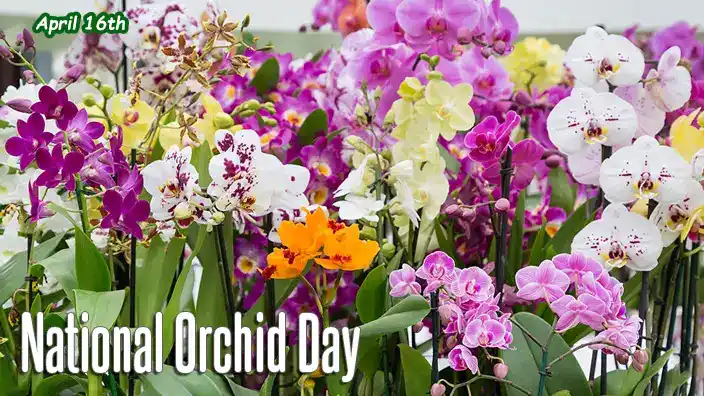
Elegance, mystery, and just the right amount of arrogance—some things demand admiration without lifting...
-
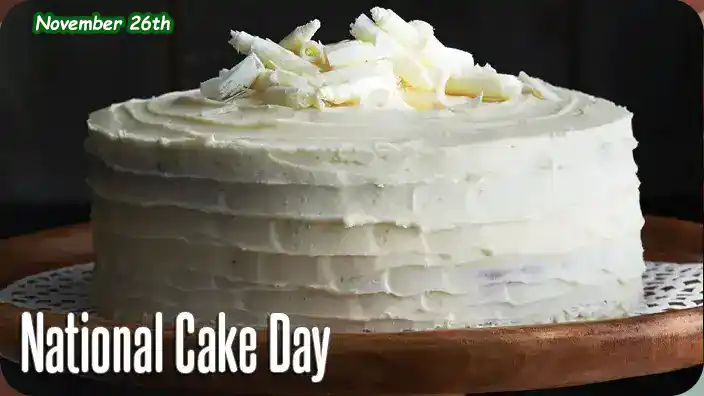
National Cake Day is the one day of the year when it's socially acceptable to have your cake and eat...
-

Forget glow-in-the-dark snack cakes and cheese that comes in a spray can—there’s something wildly...
-

If there were an Olympic event for clumsiness, someone would be rolling down the hill, missing their...
-

Gazpacho Soup Day isn’t just a day to honor cold tomato soup; it’s a day to revel in the absurdity of...

