Mark The Days - January

January kicks down the door shouting, “New year, new you!” while most of us are still digesting cheese logs and trying to remember what day it is. It’s a month built on resolutions, optimism, and the subtle judgment of kale. The parties are over, the decorations are down, and suddenly everyone’s into self-improvement and budgeting—until about the 12th. But January has its perks: fresh starts, fresh calendars, and the joy of celebrating completely random things like National Bubble Bath Day (because self-care still counts if it’s slippery). It’s cold, it’s hopeful, and it’s mostly held together with caffeine.
- Details
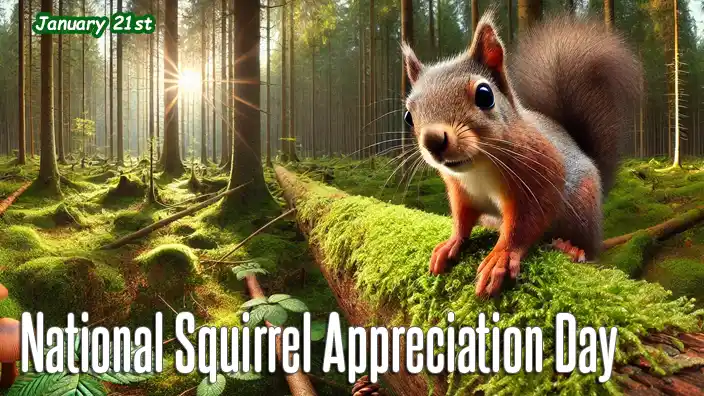
Squirrels are like the stand-up comedians of the animal world—always performing acrobatic feats that leave us in stitches. Ever watched one misjudge a jump and then look around as if to say, “I meant to do that”? Or seen the audacity of a squirrel stealing a bird’s entire lunch right under its beak? They bury their food in so many places it’s like they’re running a secret underground acorn mafia, only to forget half their stash and accidentally plant a forest. With their jittery movements and wide-eyed expressions, squirrels always seem one cup of coffee away from becoming CEOs of the backyard chaos department.
Celebrated: Annually, on January 21st
Celebrate National Squirrel Appreciation Day on January 21st by exploring the fascinating world of squirrels and their vital role in ecosystems.

- Details
Tempura is what happens when frying decides to put on a clean shirt and behave in public. Light, crisp, and improbably refined, it takes shrimp, vegetables, and the occasional innocent bystander from the produce drawer and turns them into something that crunches politely instead of shouting. There’s no heavy breading, no greasy aftermath, just a delicate shell that shatters on cue and leaves you wondering how something fried can feel this civilized. On National Tempura Day, we celebrate the rare dish that proves hot oil, when properly supervised, can be an absolute gentleman.
Celebrated: Annually, on January 7th
Celebrate National Tempura Day with a light, crispy look at tempura’s history, technique, and why this refined fried favorite still wins hearts.

- Details
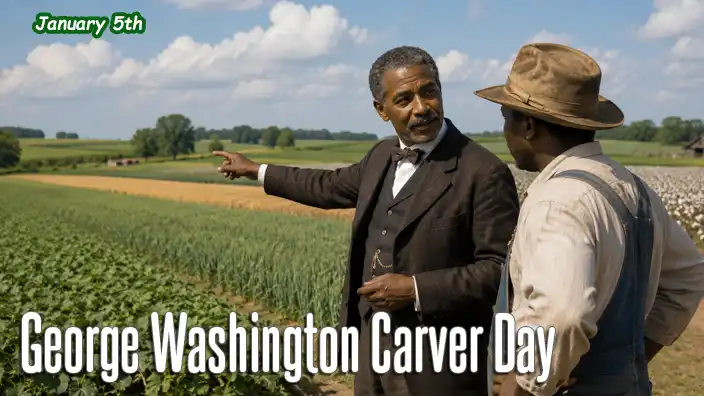
George Washington Carver Day is one of those observances that quietly reminds us that some of history's greatest achievements did not come from politics, military victories, or enormous fortunes. Instead, they came from a man who looked at a handful of soil, a peanut, and a sweet potato and asked, "What else can these become?" It turns out the answer was "quite a lot." While many of us struggle to decide what to do with leftovers in the refrigerator, George Washington Carver found hundreds of practical uses for everyday crops and forever changed American agriculture.
Celebrated: Annually, on January 5th
Discover how George Washington Carver's curiosity and compassion helped farmers, protected the land, and proved that even a simple peanut can have an extraordinary story

- Details
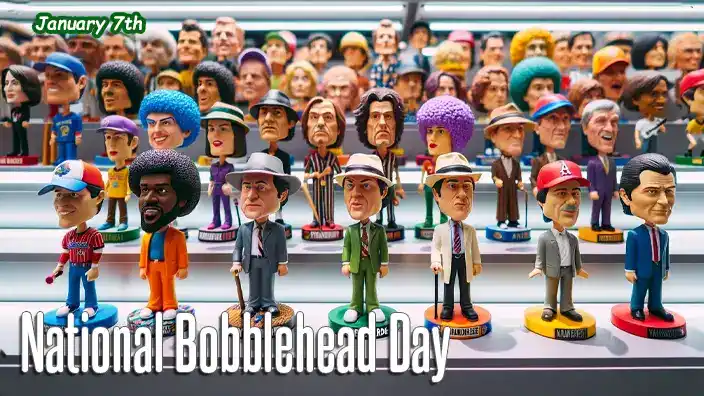
This is when we celebrate those nodding little figures that agree with everything we say—no questions asked. It’s the one day a year your bobblehead collection can take center stage without any backtalk, literally. Whether it's your favorite athlete who perpetually nods in approval of your couch-potato lifestyle or a historical figure who seems to bobble in disbelief at your questionable life choices, today is their day to shine, nod, and make no comment. So dust off those agreeable little companions and let them bobble till they
Celebrated: Annually, on January 7th
Discover the fascinating world of bobbleheads and their quirky charm as collectors worldwide celebrate National Bobblehead Day on January 7th. Explore the history, sports connections, and pop culture influence of these delightful nodding figurines.


- Details
Humiliation Day symbolizes a commitment to understanding and compassion rather than causing embarrassment. It encourages a reflection on historical events and personal behaviors, underscoring the importance of treating everyone with respect and empathy. This day is a reminder of the adverse effects of humiliation and serves as an opportunity to foster a more inclusive and kinder society. Its unique history across different cultures and its modern significance in the digital age both emphasize the value of dignity and the power of empathy in our interactions. Humiliation Day is thus a call to action for positive change, advocating for awareness and sensitivity in how we treat others.
Celebrated: Annually, on January 3rd
Explore the significance of Humiliation Day, a day of historical reflection, empathy, and healing. Learn about its observance in the US, Canada, and the modern digital era.

- Details
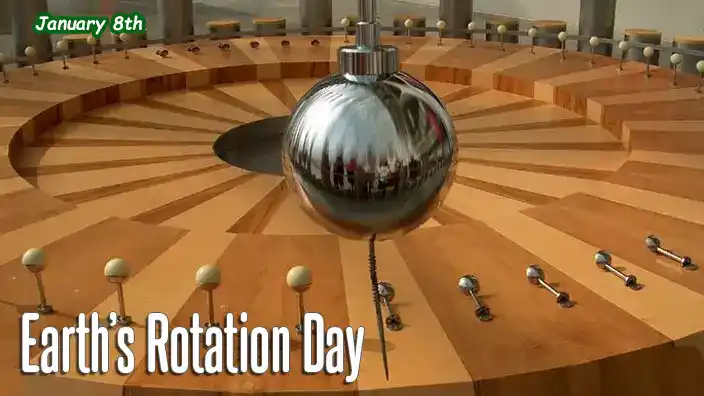
Earth’s rotation is like the planet’s version of a lazy dance move—it just spins in place and hopes no one notices it’s been doing the same thing for billions of years. Imagine if we could hear it: a constant whoosh as Earth insists on showing off its “360 degrees in 24 hours” routine, like an overenthusiastic figure skater stuck in perpetual motion. And don’t even get it started on time zones—it’s the ultimate party trick. Meanwhile, we’re all just clinging to the surface, acting like gravity is keeping us grounded, when really, Earth is just spinning too fast for us to let go!
Celebrated: Annually, on January 8th
Celebrate Earth's Rotation Day on January 8th! Join the fun with science, themed parties, and learn about our planet's incredible spinning journey.

- Details
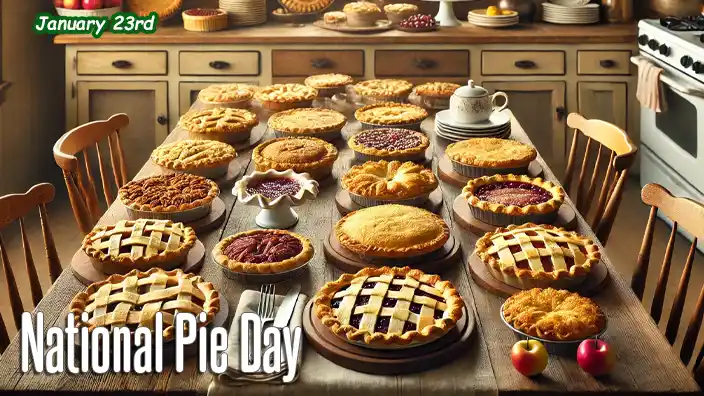
In the grand arena of food, there’s always one contender that manages to be both classy and hilariously approachable. That’s where pies come in—whether they’re the elegant centerpiece of a holiday table or the comedic ammunition in slapstick comedy, they’ve mastered the art of versatility. One minute, they’re a flaky masterpiece filled with delicate fruits; the next, they’re flying through the air, destined for someone’s face. It’s as if pies looked at the culinary world and said, “I can do it all—and look delicious doing it.”
Celebrated: Annually, on January 23rd
Join the festivities of National Pie Day! Explore the rich history of pies, their cultural significance, and tips for celebrating with family and friends.

- Details
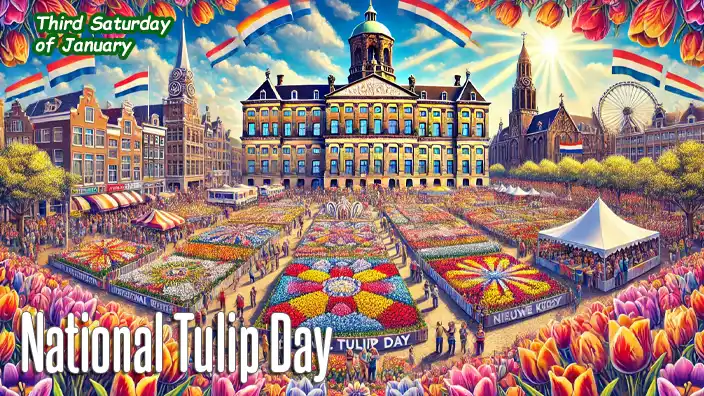
It’s not every day you see something that looks like it belongs on a cake, in a vase, and in a field all at once, but tulips manage to pull it off effortlessly. They’re like the divas of the floral world—demanding just the right amount of sunlight, water, and admiration, or they’ll throw a dramatic wilt. And let’s not forget their shape, which teeters somewhere between a wine glass and a tiny spaceship, leaving you wondering if they’re here to bloom or abduct the bees. Tulips: equal parts beauty and sass in one petal-packed package.
Celebrated: Annually, on the Third Saturday in January
Discover the rich history of tulips, from their origins in Central Asia to becoming a symbol of beauty and resilience celebrated on National Tulip Day.


- Details
Dr. Martin Luther King, Jr. was the rare kind of leader who could command a crowd with the power of his voice and leave everyone thinking, "I need to step up my game." Known for his unwavering commitment to justice and equality, he managed to march miles in dress shoes—an accomplishment in itself—while delivering speeches so moving they could turn cynics into dreamers. Dr. King had a way of blending moral gravity with an unshakeable hope that made you feel like he was inviting you to join history’s greatest group project. And let’s be honest, if you had him in your corner during a debate, you might as well sit back and let him do the talking.
Celebrated: Annually, on the Third Monday in January
Martin Luther King, Jr. Day is a federal holiday for remembrance and action, honoring Dr. King's legacy in the fight for racial equality and justice.


- Details
Explorers, the original 'let's see what's over there' enthusiasts, are the kind of people who look at a map and think, 'That 'Here Be Dragons' part sounds promising!' These brave souls, equipped with nothing but a compass that might as well be a magic 8-ball for all the good it does, venture into unknown lands, probably to escape group chats and office politics. They're the ones who decide that climbing Everest in shorts is a good idea, or that discovering a new species of venomous snake is just a fun Tuesday. In essence, explorers are the reason we know the world is round, why we have cool vacation spots, and why there's such a thing as a travel vaccination. Hats off (or pith helmets, rather) to these daring adventurers, who boldly go where no one has gone before – mainly because everyone else looked at the danger and thought, 'Yeah, I'll just stay home and watch Netflix.'
Celebrated: Annually, on January 27th
Celebrate National Geographic Day with a look at its history and impact. Discover why we honor this day of exploration and education.


- Details
If you’ve ever stared out the window and mentally redesigned your entire life, invented a gadget that would make you millions, or solved a problem that doesn’t even exist yet—congratulations, you’ve been training for National Imagination Day. Today is your official excuse to let your mind wander without anyone asking, “Shouldn’t you be doing something productive?” Go ahead and dream big, think wildly, and come up with ideas that may never see the light of day… because let’s be honest, that’s how most great ideas start anyway.
Celebrated: Annually, on January 19th
Discover National Imagination Day, learn its meaning, its history, and creative ways to boost imagination, inspire ideas, and think beyond the ordinary

- Details
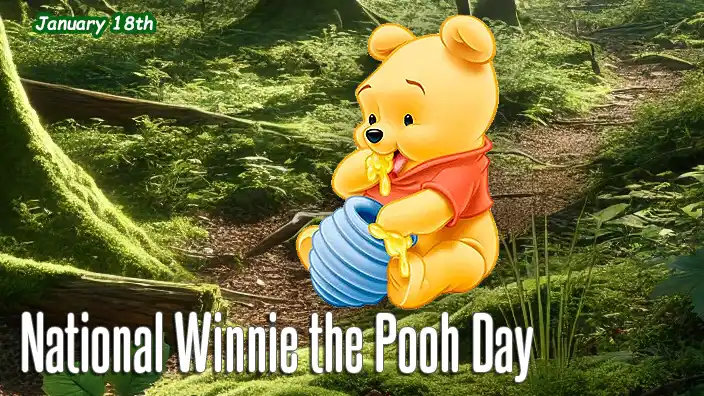
Life in the Hundred Acre Wood teaches you that no problem is too big if you have a jar of honey in one hand and a loyal Piglet by your side. Whether it’s a missing tail, a bouncing Tigger, or a philosophical debate over why bees make honey, the solution almost always involves food, naps, or Pooh’s unique blend of accidental wisdom. After all, who else could turn “Oh bother” into an iconic life motto?
Celebrated: Annually, on January 18th
Discover the origins of Winnie the Pooh, the beloved bear created by A.A. Milne, and celebrate National Winnie the Pooh Day with fun activities and trivia.

- Details
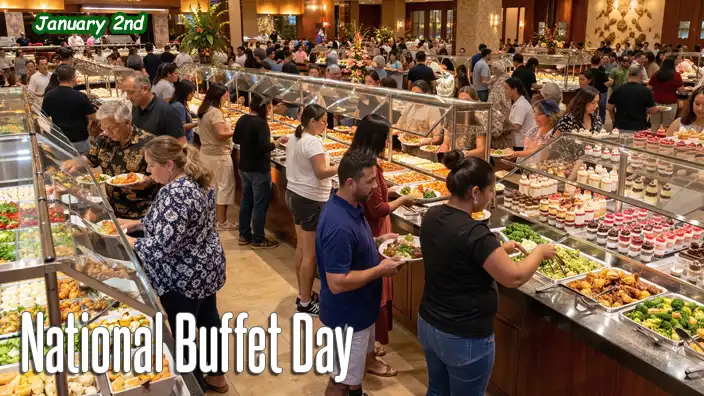
There are few moments in life as full of promise as standing at the edge of a buffet line with an empty plate and absolutely no long-term strategy. It starts innocently—“I’ll just try a little of everything”—and ends with a plate that looks like it lost a bet. National Buffet Day celebrates that glorious freedom, where portion control goes on vacation, and your only real opponent is your own optimism.
Celebrated: Annually, on January 2nd
Let's explore National Buffet Day, from its origins to modern buffets, and we'll throw in some fun facts and tips for making the most of your next feast.

- Details
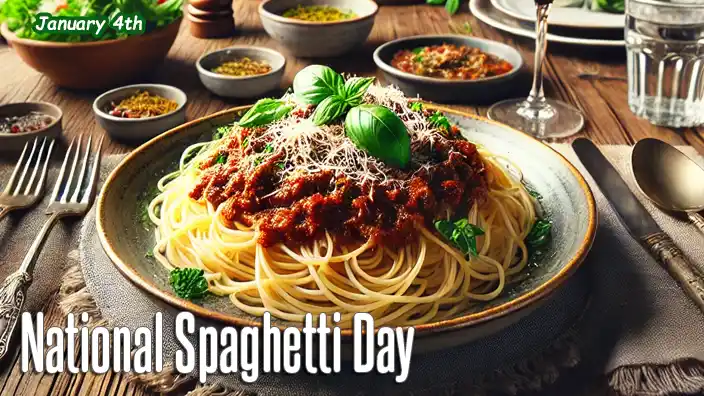
Eating spaghetti is an adventure where every forkful is a gamble. You start with good intentions, twirling your noodles like a culinary pro, only to end up with a spaghetti slingshot flinging sauce onto your face, shirt, and possibly the dog. No matter how careful you are, spaghetti somehow turns into a Jackson Pollock painting on your plate and attire. But hey, it's all part of the charm—a delicious mess that proves sometimes the tastiest meals are the most chaotic ones. Who needs dignity when you've got pasta?
Celebrated: Annually, on January 4th
Discover the rich history and cultural significance of spaghetti while enjoying creative ways to celebrate National Spaghetti Day. Twirl your fork and indulge!


- Details
Taking a day off can sometimes feel like a covert operation, akin to sneaking out of a high-security office with the stealth of a cat. It's a day when the alarm clock is shunned like an unwelcome salesperson and the bed becomes a haven of blissful inertia. For 24 glorious hours, the biggest decision is whether to marathon a TV show or conquer the highest level of a video game, all while lounging in the elite uniform of relaxation: pajamas. It's a rare chance to recharge, where emails and calls fade into the background like a forgotten melody, and the only pressing engagement is with a comfy couch and a good snack. In the grand theatre of life, this is the intermission, a perfect pause to simply be and relish in the art of doing absolutely nothing.
Celebrated: Annually, on January 30th
Celebrate National Escape Day! Discover fun ways to break from routine, from virtual travels to culinary adventures, and embrace a day of escape.


- Details
Braille is proof that when life gives you bumps, you make an alphabet. Invented by Louis Braille, who apparently looked at a dot and thought, “This could be a book,” it’s the only writing system where proofreading involves running your fingers over sentences like a miniature roller coaster. It’s tactile genius, but you have to wonder—did the first reader ever shout, “Whoa, slow down, I can’t read 30 words per minute uphill!” Braille reminds us that reading doesn't always require a pair of glasses, just a good sense of touch and a willingness to appreciate the dot-to-dot art of storytelling.
Celebrated: Annually, on January 4th
World Braille Day celebrates accessibility and the legacy of Louis Braille, who transformed communication for the visually impaired with his innovative six-dot system.


- Details
This is the time when your diet resolutions meet their ultimate nemesis: the dumpling. It's the annual celebration where the skies light up with more fireworks than a rock band's finale, and the family gossip flows as freely as the tea. It's the season when red envelopes magically transform adults into eager children and when every household turns into a Michelin-starred kitchen. Forget about whispering sweet nothings to your partner; it's time to declare your undying love for turnip cakes and sticky rice balls. And let's not forget the yearly zodiac animal switch-up, ensuring that your fate is quite literally in the paws, claws, or hooves of creatures that wouldn't know a stock market from a vegetable market. Happy Chinese New Year, or as I like to call it, the Great Festival of Elastic Waistbands!
Celebrated: Annually, between January 21st. and February 20th.
Celebrate Chinese New Year with a festival of fireworks, fortune, and fabulous food. Dive into the cultural traditions, culinary delights, and family reunions.


- Details
Pop music is the genre where every song feels like it's either about falling in love, falling out of love, or dancing through either scenario. It's the musical equivalent of that one friend who's always upbeat, even when they spill coffee on their shirt. With its catchy hooks, you find yourself humming tunes you swore you didn't like, and let's not forget the lyrics – simple enough to remember even if you've heard the song just once in a supermarket. Pop music: it's like glitter for your ears, impossible to get rid of once it's on you!
Celebrated: Annually, on January 4th
Celebrate Pop Music Chart Day with a journey through the history and impact of chart-topping tunes. Explore the significance of this day and join in the fun.

From Our Marks Catelog
-

Brussels sprouts: the tiny green orbs that have been sparking dinner table debates for...
-
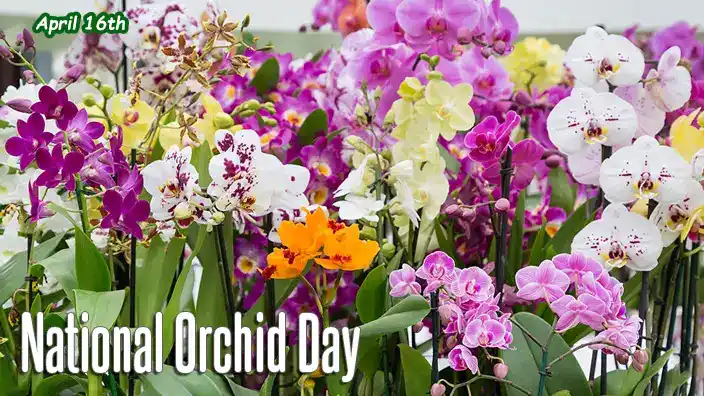
Elegance, mystery, and just the right amount of arrogance—some things demand admiration without lifting...
-
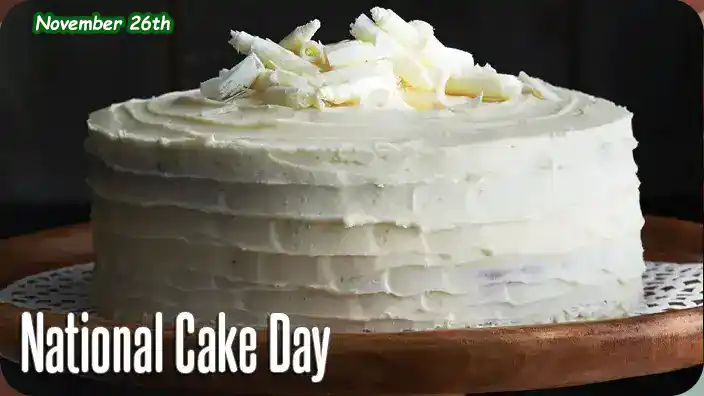
National Cake Day is the one day of the year when it's socially acceptable to have your cake and eat...
-

Forget glow-in-the-dark snack cakes and cheese that comes in a spray can—there’s something wildly...
-
If there were an Olympic event for clumsiness, someone would be rolling down the hill, missing their...
-
Gazpacho Soup Day isn’t just a day to honor cold tomato soup; it’s a day to revel in the absurdity of...

