Mark The Days - February

February may be short, but it sure knows how to stir things up. It packs in romance, groundhogs, presidents, and more weather drama than a tornado in a teacup. Valentine’s Day pops up in the middle like a glitter-covered emotional pop quiz, while the rest of the month toggles between “do I need a parka or just a sweater?” It’s the calendar’s wildcard—only 28 days long (unless it’s feeling frisky), but fully capable of delivering snowstorms, awkward dinner dates, and random holidays involving umbrellas, chili, or lost socks. Small? Yes. Boring? Never.

- Details
Greeting cards are the only socially acceptable way to say, “I care about you, but only enough to let someone else write my feelings for me.” They range from deeply sentimental to wildly confusing—like the ones that try to be funny but leave you wondering if you’ve just been insulted. Then there’s the universal struggle of finding a card that actually fits the occasion. Need a birthday card? Sure, but it’s either way too serious or so full of glitter you’ll be finding specks of it until your next birthday. And let’s not forget the classic panic move: signing your name so awkwardly that it looks like you forgot how pens work. But no matter what, opening a card and seeing actual handwriting (instead of a text message full of emojis) always feels a little bit special—unless it’s from “Aunt Patty & Uncle Jim,” and you still have no idea who they are.
Celebrated: Annually, on February 21st
Explore the rich history of greeting cards and the joy of rediscovering heartfelt messages on Card Reading Day, a day dedicated to nostalgia and connection.

- Details
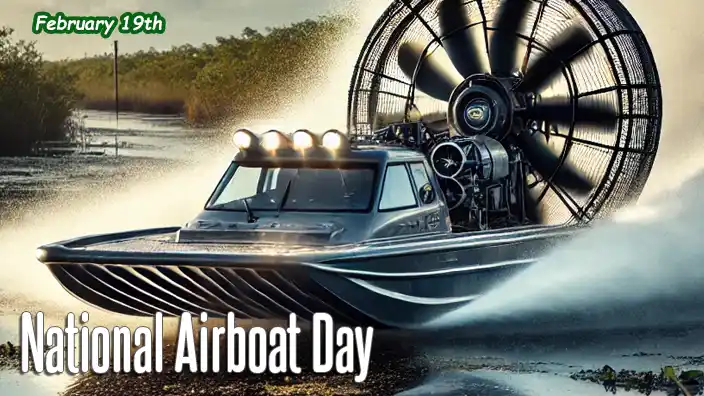
There are very few vehicles where the official safety advice includes "hold onto your hat and maybe your dignity," but here we are. One minute, you're peacefully floating along, taking in the scenic wetlands, and the next, you're clinging to your seat as a fan the size of a helicopter rotor launches you across the water like a swamp rocket. Conversations? Forget it—between the roar of the engine and the wind aggressively restyling your hair, the only communication happening is a series of wide-eyed expressions that translate to "Did we just almost hit that gator?" and "Why didn’t I wear tighter sunglasses?"
Celebrated: Annually, on February 19th
Join the adventure on National Airboat Day! Learn about airboat history, celebrate with exciting tours, and uncover fun facts about these powerful machines.


- Details
If plagiarism had a smell, it would probably be like reheated leftovers that someone insists are “homemade.” You know the kind—suspiciously familiar, slightly out of place, and guaranteed to raise eyebrows. Sure, copying someone else’s work might feel like a shortcut, but it’s about as convincing as a store-bought pie in a pan you’ve “aged” with a little flour dust. So do yourself a favor: cook up your own ideas. They may not be five-star cuisine at first, but at least no one will recognize them from the menu down the street.
Celebrated: Annually, on February 19th
Learn what plagiarism is, why originality matters, and how to give proper credit. Celebrate Prevent Plagiarism Day with smart, honest writing habits.

- Details
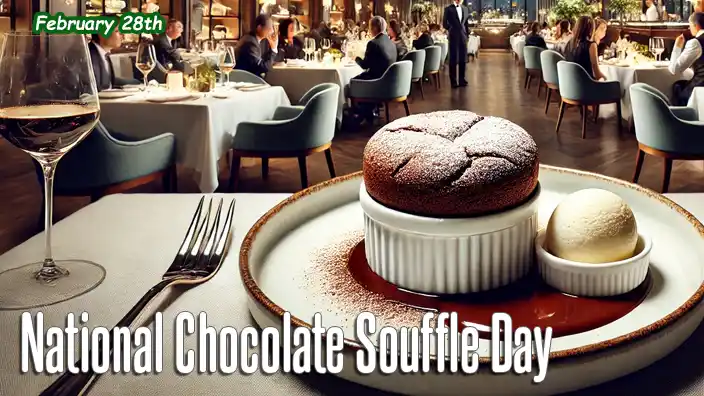
There’s a fine line between culinary triumph and total disaster, and it’s measured in the rise (or fall) of an overconfident dessert. One moment, you’re staring into the oven, watching a majestic, puffy masterpiece take shape, and the next—poof—it collapses faster than your willpower at a dessert buffet. Few dishes demand both precision and blind hope like this one, where even a strong breeze or an ill-timed sneeze can send it into a deflated spiral of despair. But hey, even if it sinks, it’s still chocolate, and that’s a win in any book.
Celebrated: Annually, on February 28th
Celebrate National Chocolate Soufflé Day on February 28th with delightful recipes, history, and tips to master this airy dessert. Indulge in chocolatey perfection!


- Details
This is the one day a year when the amount of love in the air is directly proportional to the panic in the hearts of those who've forgotten to book a dinner reservation. It's a magical 24 hours where chocolates become a dietary staple, roses are worth their weight in gold, and plush teddy bears holding hearts somehow become acceptable home decor. Let's not forget the high-stakes game of "Guess the Correct Level of Romance," where going too big can be as risky as not going big enough. Whether you're swiping right in hopes of a last-minute date or crafting the perfect "I love you more than pizza" card, remember, it's the thought that counts... and maybe also the chocolate.
Celebrated: Annually, on February 14th
Discover the fascinating origin story of Valentine's Day, from ancient Rome to modern-day celebrations. Explore the traditions and legends of Valentine's Day.

- Details
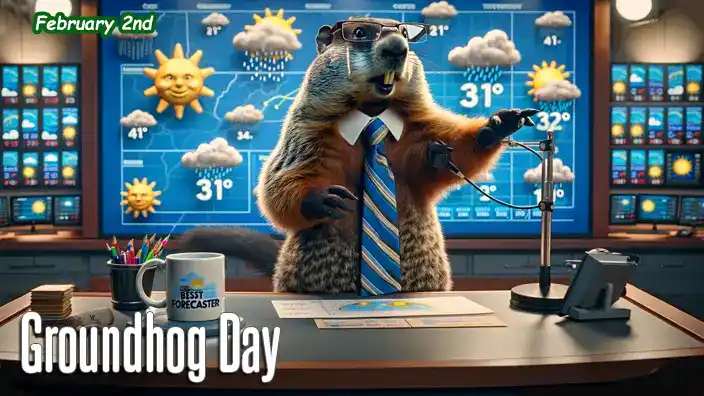
Groundhogs, nature's fuzzy little meteorologists, and the only rodents that get their own holiday are surprisingly low-maintenance celebrities. They work just one day a year, predicting the weather with a method that's as scientifically accurate as flipping a coin. The rest of the time? They're living the dream, burrowing underground, munching on veggies, and avoiding emails. Despite their busy schedules of eating and sleeping, these whiskered weathermen have convinced the world to hold its breath every February 2nd, proving that with the right PR, even a groundhog can achieve fame. And if they predict six more weeks of winter? Well, they shrug and go back to bed, leaving us to shovel the driveway.
Celebrated: Annually, on February 2nd
Discover the quirky origins and cultural significance of Groundhog Day, where Punxsutawney Phil predicts weather with a mix of tradition and fun.
- Details
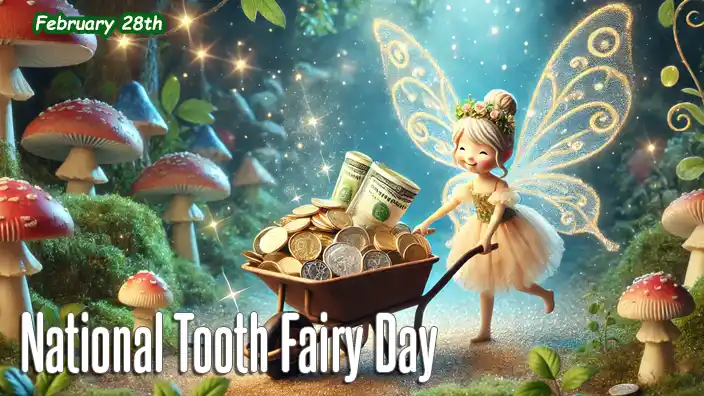
Some people get into real estate, others go into finance, but imagine making a living collecting discarded body parts from under pillows. The hours are brutal, the pay fluctuates wildly based on inflation, and the clientele have an annoying habit of waking up mid-transaction. And yet, somehow, this tiny winged entrepreneur keeps the magic alive—swooping in undetected, dodging stuffed animal minefields, and making sure every kid wakes up feeling just a little bit richer (even if it’s just a handful of pocket change their parents scrambled to find at 2 AM).
Celebrated: Annually, on February 28th and again on August 22nd
Uncover the enchanting world of the Tooth Fairy, her global variations, and fun facts that keep the magic alive for children and nostalgic adults alike.


- Details
This day offers the perfect excuse for everyone to stroke their chins, furrow their brows, and dive deep into the ocean of thoughts—whether profound, whimsical, or delightfully bizarre. It’s the one day when pretending to solve the mysteries of the universe, pondering why cats seem to stare into the void, or debating whether a hotdog is a sandwich becomes a global pastime. So, grab your thinking caps, and let’s make Einstein proud with our "eureka!" moments, or at the very least, enjoy a good chuckle over our shared confoundments.
Celebrated: Annually, on February 22nd
World Thinking Day on February 22nd celebrates the power of thought, global connections, and encourages reflection on pressing issues and positive action.


- Details
Stuffing mushrooms is like embarking on a miniature culinary adventure, where each mushroom cap is a tiny, edible boat setting sail on a sea of flavor. As you scoop out the stems and prepare your filling, it's hard not to feel like a gourmet chef, even if your primary cooking experience is boiling water. Whether you're spooning in a classic mix of garlic, breadcrumbs, and cheese or getting creative with crabmeat, spinach, or even a dash of truffle oil, the act of stuffing these little caps is both therapeutic and exciting. Once they're loaded up and ready for the oven, these bite-sized delights promise a journey of taste in every morsel – a small bite with big flavor, ready to win over hearts and taste buds alike.
Celebrated: Annually, on February 4th
Celebrate National Stuffed Mushroom Day with humor and creativity! Explore the art of stuffing mushrooms and join the fungi festivities.


- Details
Imagine a teddy bear, the unsung hero of the toy world, with the tough job of being squished, tea-party-hosted, and confided in with the world's biggest secrets—like who really broke the vase. This fluffy diplomat navigates the treacherous terrain of childhood bedrooms, enduring endless dress-ups and accidental trips through the washing machine, all while wearing a smile stitched permanently on its face. It's the only creature that can pull off looking dignified while wearing a tutu and a cowboy hat, proving that in the world of toys, it's not just about surviving the playtime chaos, but doing so with unparalleled cuddliness and a dash of style.
Celebrated: Annually, on February 10th
Discover the heartwarming world of Teddy Day, a celebration honoring the beloved teddy bear on February 10th. Join in the cuddly festivities of Valentine's Week with these fuzzy messengers of love and joy.


- Details
National Unclaimed Property Day is the holiday we never knew we needed, but now can't live without. It's like playing a financial game of hide-and-seek, where your long-lost assets are the ones hiding and you're 'it.' Imagine searching for hidden treasure, but instead of a map marked with an 'X,' you've got a government website and instead of a shovel, you've got your old tax documents. It's the day when checking your couch cushions for loose change pales in comparison to discovering that forgotten utility deposit from 2005. So, dust off your detective hat and start searching - your wallet might just thank you!
Celebrated: Annually, on February 1st
National Unclaimed Property Day. The quest for forgotten assets and benefit your wallet with unclaimed treasures—a guide to reclaiming what's yours.


- Details
Imagine if your bathtub had a Plimsoll line, warning you of the impending doom of an overflowing bath, complete with a tiny Samuel Plimsoll wagging his finger at you every time you reached for that extra bubble bath. That's essentially what the Plimsoll line does for ships, except instead of preventing a sudsy bathroom floor, it's stopping ships from becoming impromptu submarines. Thanks to Mr. Plimsoll, ships now have their own built-in "you're carrying too much weight" indicator, much like the belt buckle telling you to lay off the holiday feasts. It’s the maritime world's version of "I think you've had enough," ensuring that ships stay afloat and captains keep their dignity – mostly.
Celebrated: Annually, on February 10th
Celebrate Plimsoll Day on Feb 10th, honoring Samuel Plimsoll and the life-saving line that changed maritime safety. Dive into history with humor and facts.


- Details
Pokémon is what happens when someone looks at the animal kingdom and says, “Nice, but what if the squirrel could shoot lightning and the turtle had cannons?” Suddenly, you’re ten years old, wandering the countryside with no adult supervision, carrying six powerful creatures in your pockets, and your only real responsibility is to challenge strangers to battle in tall grass. Imagine that logic in real life: you step outside, trip over the mailbox, and now you own it because you threw a ball at it. And somehow, despite the epic battles, world-saving adventures, and constant travel, the main character still can’t remember to charge his phone or do homework. It’s the only universe where kids run the world, pets breathe fire, and everyone agrees that the solution to most problems is a friendly, well-organized duel.
Celebrated: Annually, on February 27th
Celebrate National Pokémon Day with a fun, fact-filled look at the franchise’s history, characters, games, and global popularity.


- Details
Let’s be honest—no one eats tortilla chips casually. You don’t take one and move on with your life. You take one, then another, then suddenly you’re standing over the counter, wondering how half the bag disappeared while you were “just having a few.” They’re the official snack of accidental dinners, heroic dipping attempts, and bold confidence in a chip that may or may not survive the scoop it’s been assigned. Tortilla chips don’t judge, they don’t ask questions, and they certainly don’t stop you. They just crunch loudly enough to announce that you’re enjoying yourself—and maybe that it’s time to buy another bag.
Celebrated: Annually, on February 24th
Discover the history of tortilla chips, their rise from simple tortillas to snack legend, plus fun facts and tasty ways to celebrate National Tortilla Chip Day.

- Details
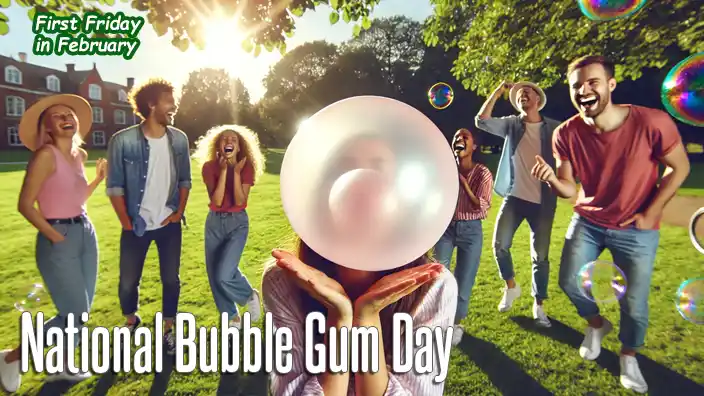
Bubble gum: it's the chewy, stretchy, poppy wonder that's been sticking around since the Roaring Twenties. This delightful confectionery marvel has the unique ability to turn any grown-up instantly back into a mischievous kid, complete with sticky fingers and a bubble bigger than their head. With flavors that range from 'classic pink' to 'does this even taste like fruit?', bubble gum has baffled taste buds and delighted dentists for generations. It's the only gum bold enough to be its own hairstyle accessory (accidental hairdos, anyone?) and the unofficial currency of schoolyard trades. So next time you pop a piece, remember: you're not just chewing gum, you're engaging in a time-honored tradition of making a deliciously sticky mess!
Celebrated: Annually, on the First Friday of February
Celebrate National Bubble Gum Day with fun facts and laughs. Discover the sticky history and quirky trivia of bubble gum.

- Details
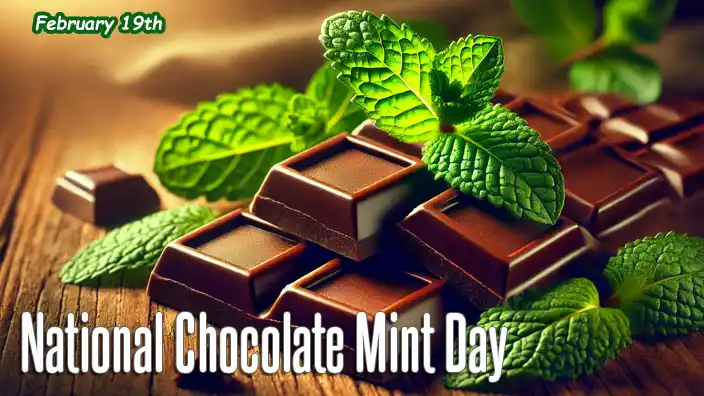
There’s something truly magical about a flavor that manages to make your breath fresher while simultaneously ruining your diet. One moment, you’re patting yourself on the back for making a responsible dessert choice—after all, mint is basically a leafy green, right? The next, you’ve inhaled an entire sleeve of Thin Mints, rationalizing that they don’t count if eaten standing up. And let’s not even talk about mint chocolate chip ice cream—it’s like toothpaste’s fun, rebellious cousin who never quite made it to dental school but still makes you feel oddly refreshed after devouring an entire bowl.
Celebrated: Annually, on February 19th
Celebrate National Chocolate Mint Day on February 19th! Explore the delightful pairing of chocolate and mint through recipes, history, and fun facts.

- Details
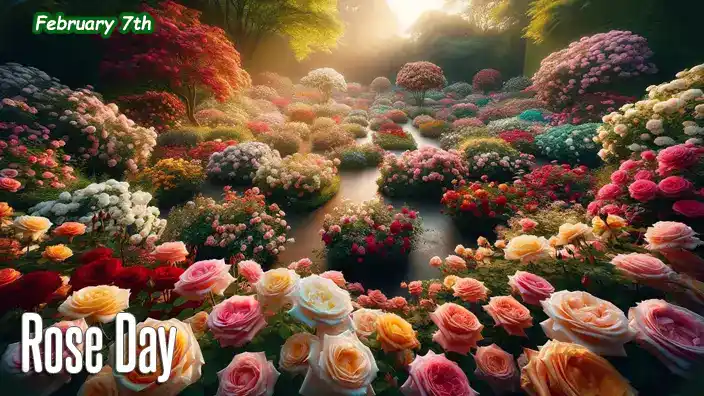
Roses are nature's way of proving it played favorites. Seriously, how else can you explain a flower that looks like a couture gown but comes with its own built-in defense system? They're the divas of the garden, demanding attention with their stunning colors and fragrant perfumes, yet they'll throw a thorn at you if you get too close. Buying roses is like entering a beauty pageant for plants - you know you're going to spend too much, but the bragging rights are worth it. Plus, they're the only flowers that can say "I love you," "I'm sorry," and "Yes, I did eat the last piece of cake," all without uttering a single word. Roses: because when Mother Nature made flowers, she clearly had a flair for the dramatic!
Celebrated: Annually, on February 7th
Explore the enchanting origins of Rose Day, a celebration of affection that transcends romance, embracing friendships and self-love through the language of roses.


- Details
Reading in the bath is the ultimate act of multitasking—combining the thrill of literary adventure with the danger of dropping your book into the Abyss of Suds. It's where "Moby-Dick" meets actual water and where your detective novels become even more thrilling as you balance them precariously above the waves. There's a special kind of bravery in soaking in a tub with a paperback, a defiance of electronics, and a return to simpler, splashier times. After all, it's one of the few places where "wet your whistle" and "wet your book" can happen simultaneously, turning page-turners into towel-turners. So, here's to the bath readers, the fearless warriors who navigate the steamy seas of literature with a loofah in one hand and epic tales in the other—just remember, waterproof bookmarks haven't been invented yet.
Celebrated: Annually, on February 9th
National Read in the Bathtub Day! Our guide to celebrating with books, bubbles, and baths. Discover tips for a perfect soak-and-read session.

From Our Marks Catelog
-
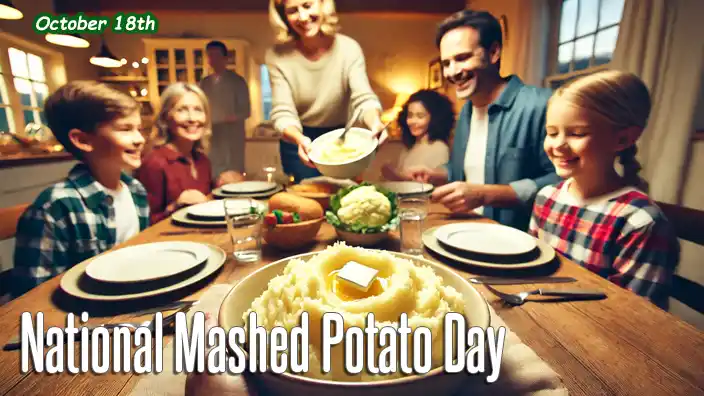
Sitting down at the dinner table, there's always that moment when you spot the mashed potatoes,...
-
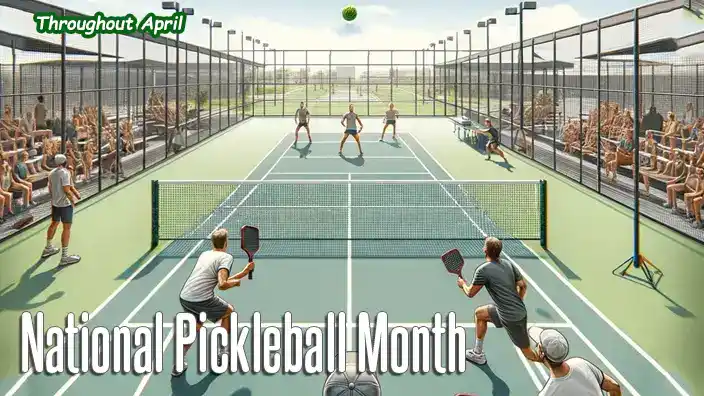
Once upon a time, someone looked at tennis and thought, “This would be perfect if it involved less running,...
-

If you’re the kind of person who likes a little thrill with your meal, then one bite of that...
-

If you've ever scratched a dog's ears, rescued a turtle from the middle of the road, or apologized...
-
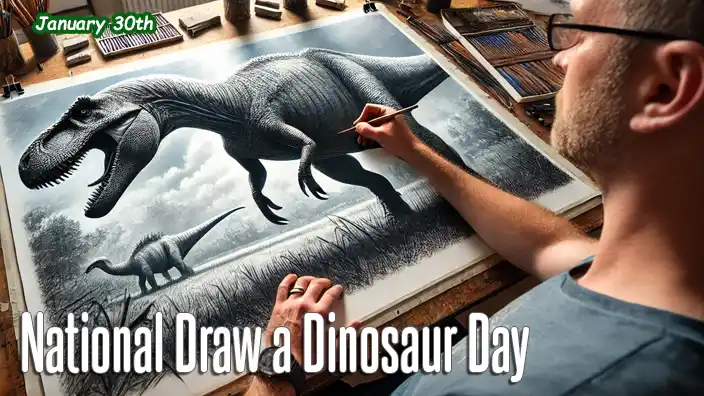
Who knew that creating a prehistoric masterpiece could lead to such existential questions? Like, did...
-

It's not uncommon to see a normally quiet neighborhood transform overnight into a glittering...

